










Value-Engineering Odd-Shaped Aquariums: Total Cost by Shape
Fish Tanks Direct on Nov 11th 2026
Design Smarter: Shape Your Tank for Long-Term Value
Tank shape does a lot more than decide how your fish tanks look in photos. The shape you choose changes what kind of equipment you need, how hard the tank is to work on, and how flexible it will be if you ever want to move or sell it. That is why those cool odd shapes you see online can be either a smart long-term choice or a headache.
When we talk about value engineering an aquarium, we mean finding the sweet spot between the dream look and the long-term cost of owning it. That includes lighting, lids and canopies, flow and plumbing, day-to-day maintenance, and even resale value. Rectangles are simple, but custom acrylic tanks like peninsulas, cubes, cylinders, L shapes, and room dividers can be amazing if they are planned with care.
As the weather cools and more of us spend evenings inside, the tank in the living room or office becomes a bigger part of daily life. This is the perfect season to plan a shape that looks great and also stays reasonable to own all year, not just on setup day.
How Tank Shape Changes Total Cost of Ownership
Total Cost of Ownership, or TCO, is the whole life of the tank, not just what you pay when you click buy. It includes the tank, stand, canopy, lighting, filtration, energy use, water, and the time you spend cleaning and tuning things. Shape plays into almost every one of those items.
Here is how common shapes stack up in terms of complexity and long-term impact:
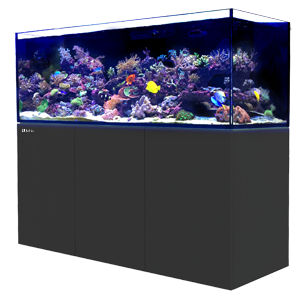
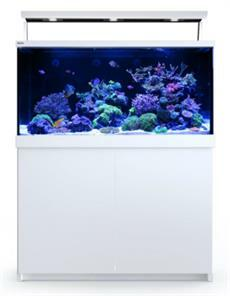
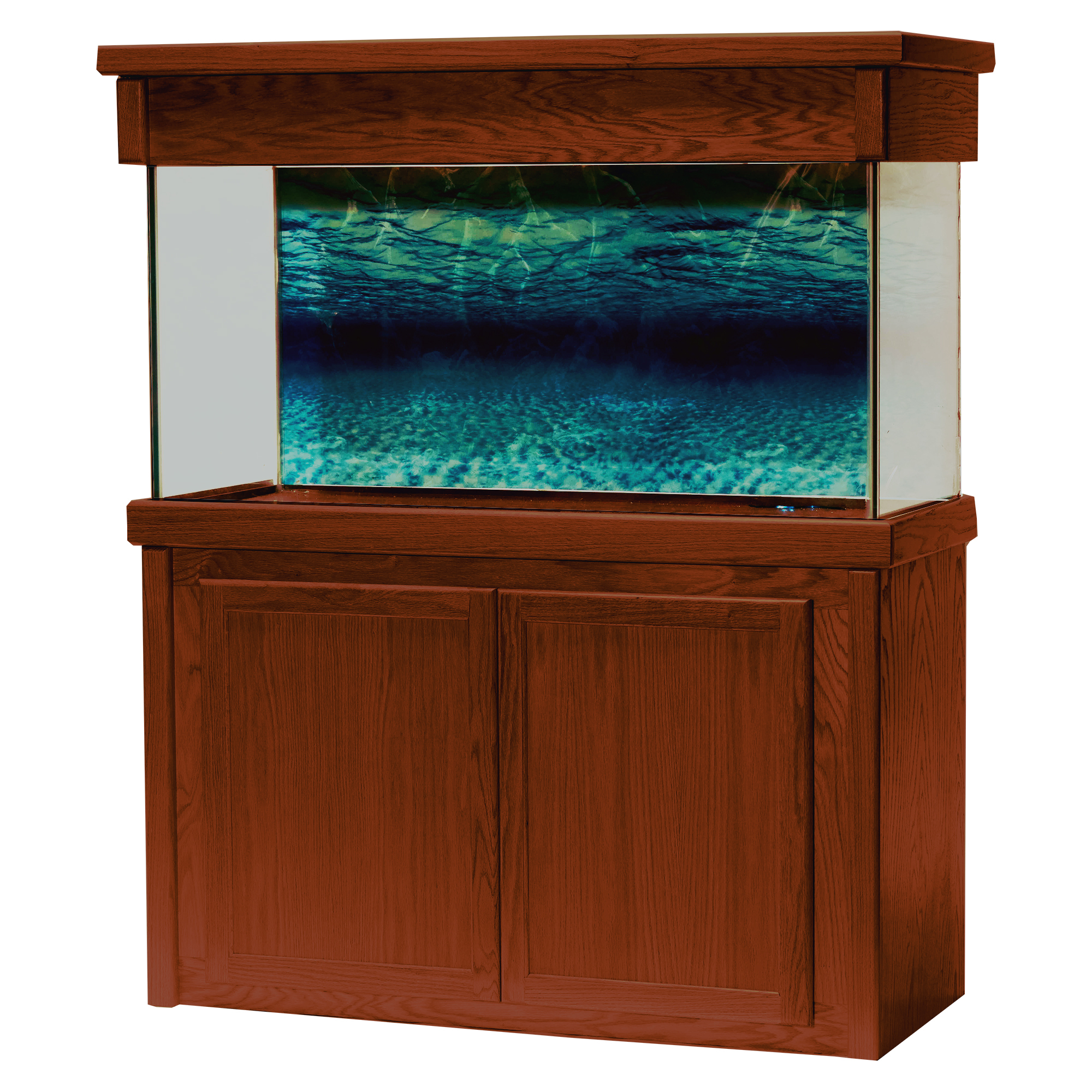
- Standard rectangle. Easiest to fit with lights, lids, stands, and filters, usually lowest TCO
- Cube. Compact footprint, deeper water can mean more light and a tall reach for cleaning
- Peninsula and room divider. Amazing viewing, trickier plumbing and flow, more glass or acrylic area to clean
- Bowfront and corner. Nice look in tight spaces, harder to fit lids and stands, curved fronts can be harder to clean
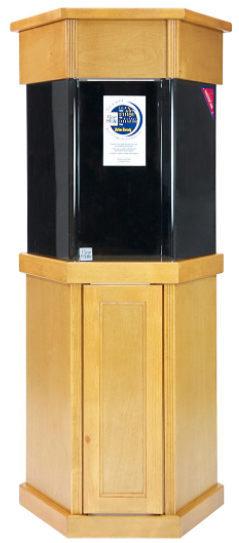
- Cylinder or column. Dramatic, but a challenge for lighting depth, flow, and maintenance access
Odd shapes usually need more custom work. That can mean special lids, a stand that only fits that footprint, unusual plumbing runs, and lighting layouts that are not off-the-shelf. Fun fact: early public aquariums mostly used rectangles because flat panes were easier to build and support. Acrylic changed the game and opened the door to bigger, safer curves and custom shapes, but planning is still key.
Lighting, Lids, and Hidden Shape Penalties
Lighting is one of the biggest long-term costs for larger fish tanks. Shape and depth affect how many fixtures you need, what type, and how they run.
For lighting, shape matters because of:
- Footprint. Long shallow rectangles can be lit evenly with linear LEDs
- Depth. Tall columns and deep cubes often need stronger lights to reach the bottom
- Shadows. Odd corners, arches, and hex shapes can hide dark pockets where light does not spread well
Rectangles are usually simple: one or more straight LED bars or panels across the top. Cubes might need a single strong fixture centered and hung high. Peninsulas often do best with a row of fixtures along the length, sometimes shifted a bit toward the main viewing side.
Premium LEDs cost more to buy but often win over time, especially on custom shapes, because you can:
- Aim or program them to avoid hot spots and dark corners
- Use less power for the same or better output
- Stretch out bulb or diode replacement cycles
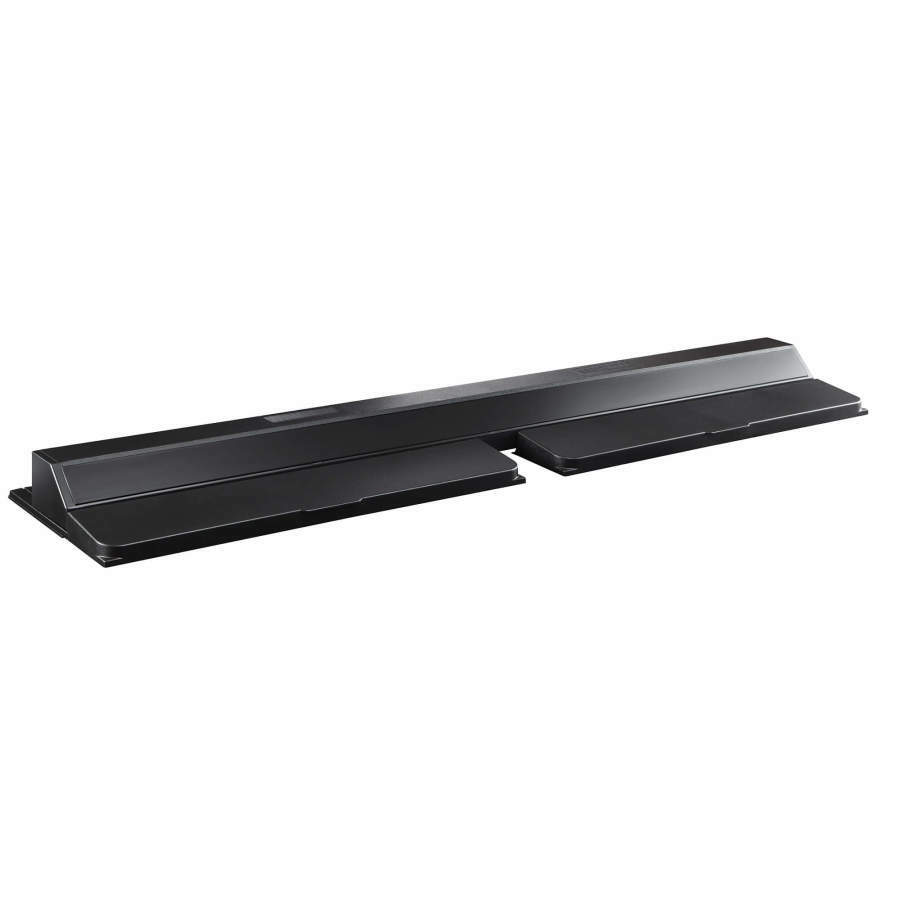
Lids and canopies are the sneaky cost where shape really shows. Every curve, angle, and odd cut adds work. In many odd-shaped tanks you need:
- More seams and hinges to reach every area
- Custom cutouts for cords, pipes, and overflows
- Extra thought to keep splashes and salt creep away from lights
Open-top cubes, columns, and corner tanks can be splashy and louder, especially with strong flow. Bowfront and corner tanks can be harder to seal, which means more evaporation, more top-off water, and more humidity in the room. Well-designed lids and canopies help lock in heat and water, protect lights, and keep the room more comfortable, especially in cooler months.
Acrylic has some nice perks for custom lids and canopies. It is lighter than glass, easier to shape, and friendly for creative openings and access panels. Working with a specialist keeps you from ending up with a beautiful tank that is a pain to cover.
Flow, Access, Resale Value, and Future-Proofing
Water flow is another area where shape changes everything. Rectangles are pretty predictable. One or two pumps can usually give good side-to-side movement. Long thin tanks can get dead spots at the far ends, but that is simple to fix with smart pump placement.
With odd shapes, flow gets more interesting:
- Hexagons. Can spin water in circles and leave low-flow corners
- Peninsulas and room dividers. May need pumps on both ends for even wraparound flow
- Tall columns. Often need vertical flow to keep waste from settling in the bottom
You might need more pumps or a mix of gyres, wavemakers, and returns to fill strange footprints. More pumps can mean more power use, more wires, and more gear to clean. When you plan a custom build, it helps to think ahead about:
- Where pumps and cords will go
- How you will hide gear from the main viewing sides
- Where overflows sit so they do not block maintenance or viewing angles
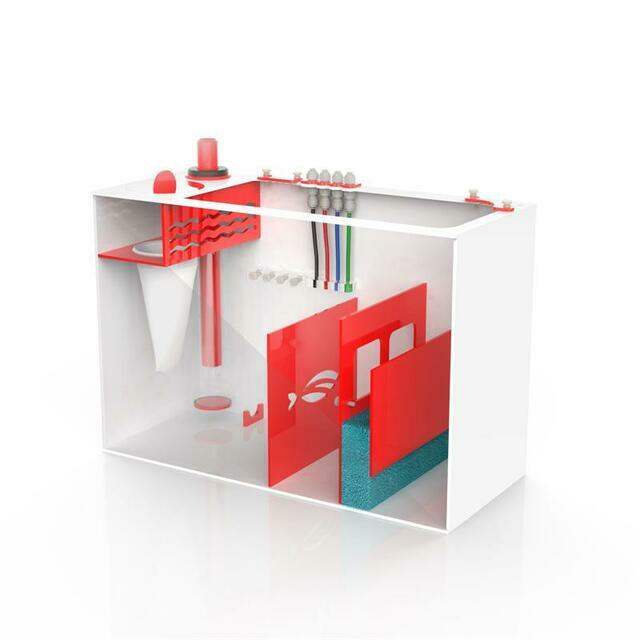
Access is another big piece of total cost, because hard-to-reach areas often end up neglected. Tall columns and deep cubes are tougher to clean without special tools. Corner stands and room-divider cabinets can be tight for sump work and plumbing.
Smart stand and canopy design can fix a lot of this with:
- Removable panels and wide doors
- Openings that let you pull equipment straight out
- Cable and hose routes that are easy to follow and label
Then there is resale value. Standard rectangular tanks in common sizes are simply easier to pass on. They fit more walls, more stands, and more gear that people already own. Odd shapes can still sell, but the buyer pool may be smaller.
To future-proof a custom acrylic tank, think about:
- Common heights and depths, so standard lights and stands still make sense
- A neutral stand and canopy finish that fits many rooms
- A footprint that can work on more than one wall or layout
Fun fact: many classic rectangular dimensions became standard because they pack and ship well and move easily between homes and stores. That same logic often helps when you are thinking about resale.
FAQ: Odd-Shaped Aquarium Costs and Planning
What Shape Aquarium Is Cheapest to Own Long Term?
A standard rectangular aquarium is usually cheapest over its life because stands, lids, lights, and equipment are widely available and easy to match, replace, and resell.
Do Odd-Shaped Tanks Need Special Lights?
They do not always need special lights, but many odd shapes need extra fixtures or different mounting angles to avoid shadows, which can raise both upfront and running costs.
Are Corner or Bowfront Tanks Harder to Maintain?
They can be harder to maintain because curved fronts are tougher to scrape, lids are more complex, and access into corner stands can be tight, though good design and tools help a lot.
How Does Tank Shape Affect Fish Health?
Shape affects swimming room, oxygen exchange, and flow patterns, and if flow is poorly planned, some spots can become low-oxygen or dirty, which can stress active or sensitive species.
Is a Custom Acrylic Tank Worth the Extra Cost?
For large builds or unusual shapes, a custom acrylic tank can be worth it because it is lighter, easier to shape, and often easier to support and maintain in the long term.
Transform Your Space With Custom Fish Tanks That Fit Your Vision
If you are ready to elevate your home or business with a stunning aquatic focal point, we can help you design and build custom fish tanks tailored to your space. At Fish Tanks Direct, our team works with you to choose the right dimensions, materials, and equipment so your aquarium looks incredible and runs smoothly. Tell us about your project and we will guide you through each decision. To start planning your custom build or ask questions, simply contact us.