




Summer Aquarium Displays: Efficient, Quiet, and Guest-Safe Lighting
Fish Tanks Direct on Aug 25th 2026
Bring Summer Aquariums to Life While Cutting Costs
A great aquarium can turn a hot, busy lobby or waiting room into a cool, calm break. When it is done right, it quietly steals the show without stealing power or attention from your staff. Guests pause, kids settle down, and the whole space feels more relaxed.
For public spaces in late summer, the trick is simple: smart aquarium equipment choices. The right pumps, filters, and lights keep fish healthy and displays bright, while still staying quiet, safe, and energy-conscious during long, hot days. In this guide, we will walk through three big pieces of the puzzle: saving energy, keeping things quiet, and using guest-safe lighting in public tanks.
Fun fact: Watching fish for just a few minutes can help lower heart rate and ease stress, which is why well-planned aquariums work so well in busy public spaces like hotels, medical offices, and museums.
Designing Summer-Ready Displays for Public Spaces
Summer changes how an aquarium behaves, especially in public areas. Higher outdoor temperatures, frequent door openings, and long daylight hours all put extra load on your equipment. The more heat and light your tank gets, the harder your gear has to work to keep water stable.
When you are planning a display for a lobby, restaurant, office, or retail space, think in layers:
- Tank size that fits the room and the viewing distance
- Filtration that matches the bioload and long viewing hours
- Cooling options that match your local climate and AC habits
In warm months, larger tanks often stay more stable because they hold temperature better. Pair that with strong filtration and you give fish some protection from the little swings that come with doors opening and closing all day.
Placement matters too. We want the tank to stand out, but not bake in the sun or sit under a blasting HVAC vent. Try to:
- Keep tanks out of direct windows and skylights
- Avoid spots right next to exterior doors
- Stay clear of strong HVAC vents and ceiling heaters
- Angle tanks so guests see the front, not the equipment side
Fun fact: Many public aquariums adjust light schedules with the seasons to keep fish on a natural rhythm, even when visitor hours stay long.
Boosting Energy Efficiency in Summer Aquarium Equipment
Summer can make your power bill jump, and aquarium equipment can be part of that if it runs all day and night. Pumps, filters, lights, and chillers or fans all add up, especially when the tank is a main feature in a busy lobby or restaurant.
To keep things efficient, we like to focus on a few key upgrades:
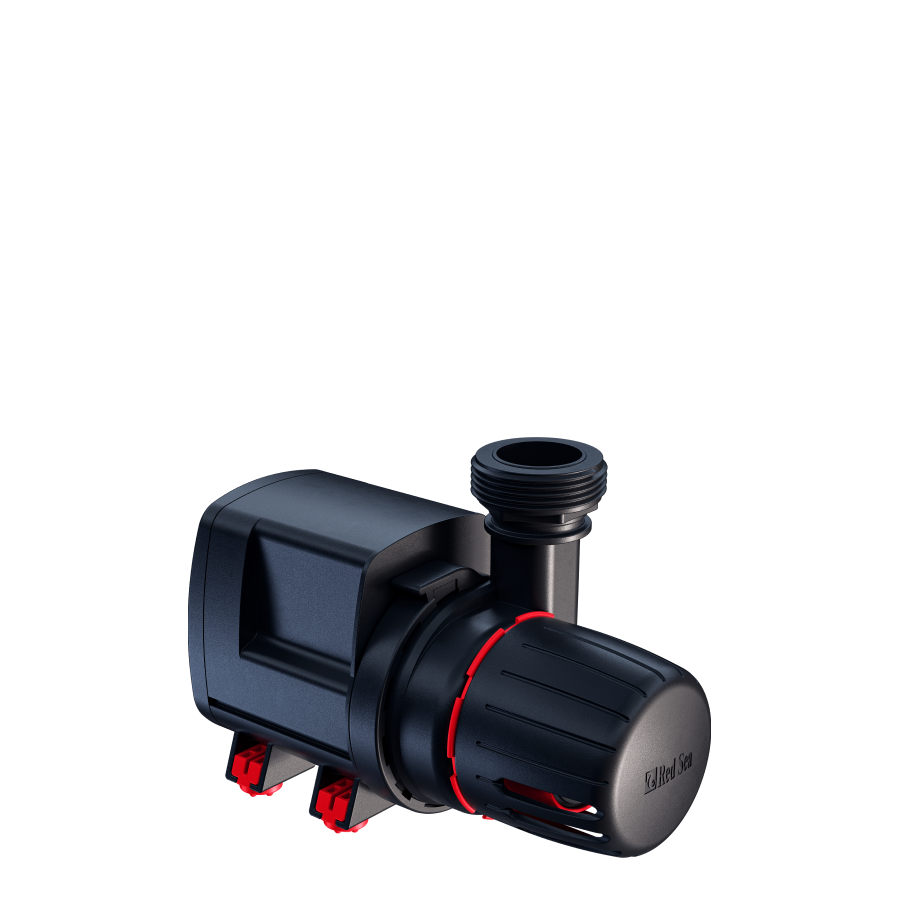
- High-efficiency DC return pumps that let you fine-tune flow
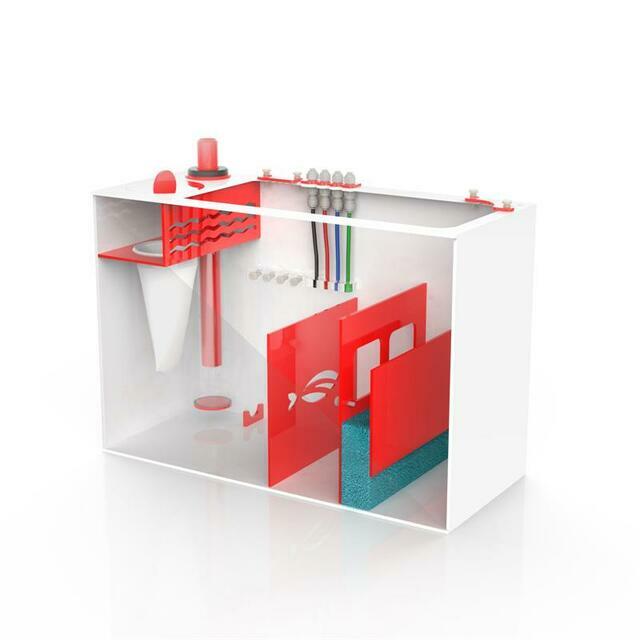
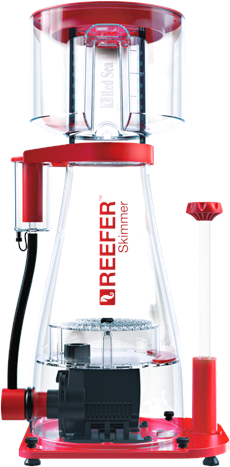
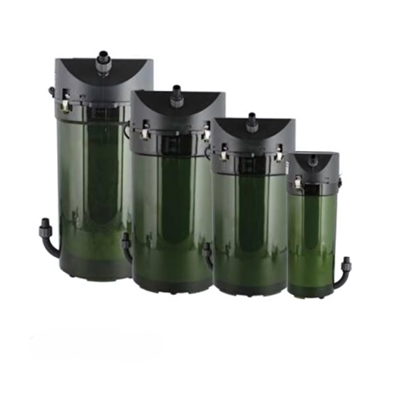
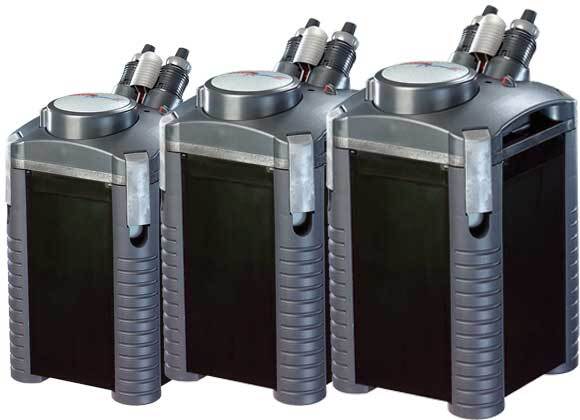
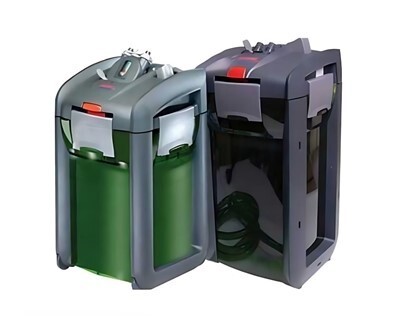
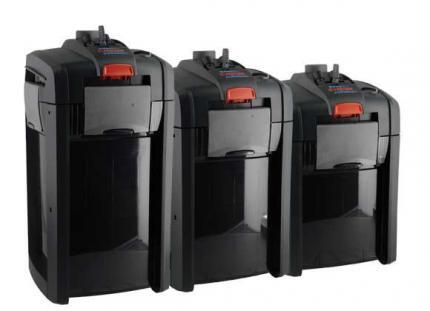
- Properly sized canister or sump filtration instead of oversized gear that wastes power
- Insulated sumps and closed cabinets that help keep cool air in
- Modern LED lighting paired with reliable timers or controllers
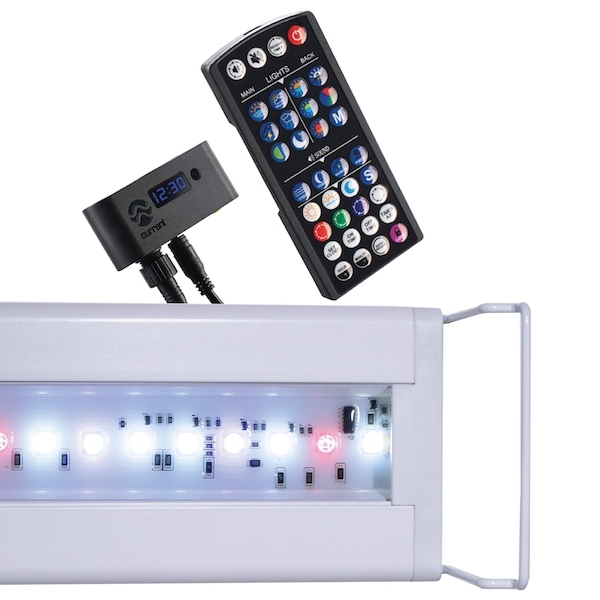
LEDs are one of the easiest wins. Older lights run hot and waste energy. Modern aquarium LEDs run cooler, last longer, and can be dimmed or scheduled very easily. Some systems can even be grouped so multiple tanks follow the same timing.
There are also some simple daily habits that help:
- Stagger light cycles across multiple tanks so not every light is at full power at once
- Use ambient lobby light for part of the day if livestock allows
- Put non-critical gear like display accent lights on smart plugs to reduce idle draw
Fish Tanks Direct offers many energy-conscious equipment options and full system packages, so we can help match pumps, filters, and lights to the needs of high-traffic spaces instead of guessing.
Fun fact: Many modern aquarium LEDs can use far less power than older fluorescent setups while still giving stronger and more adjustable light.
Quiet Operation for Crowded Summer Environments
A loud aquarium can ruin the mood in a dining room or waiting area. In summer, when crowds are bigger and AC units are already humming, the last thing you want is buzzing pumps or splashing overflows on top of it.
The noise usually comes from a few spots: pumps, air pumps, overflows, and cooling fans. To keep things calm, we like to:
- Choose quiet DC pumps instead of older AC models
- Add vibration pads under pumps and sumps
- Use sound-insulated stands or cabinets
- Design overflows to avoid long water drops and waterfalls
Soft plumbing helps too. Flexible hoses can absorb vibration better than rigid pipes, which means less sound passed into the stand or wall. When space allows, putting noisy gear in a back room or a closed cabinet away from guest seating can make a big difference.
Regular care also matters. Clogged filters and dirty fan grilles can make pumps and fans work harder and get louder. A simple summer checklist goes a long way:
- Clean pre-filters and mechanical media on a schedule
- Check pump and fan noise weekly so changes do not sneak up
- Replace worn-out bearings or noisy air pumps before peak holiday weekends
Fun fact: Some fine-dining spaces choose aquariums over TVs because, when the equipment is tuned correctly, tanks add movement and interest without raising the noise level.
Guest-Safe, Summer-Friendly Aquarium Lighting
Public aquariums have to walk a line between drama and comfort. The display should stand up to bright summer daylight and look great in photos, but not blind guests or stress the fish.
Safety comes first. For public spaces, we recommend:
- UL-listed LED fixtures made for aquarium use
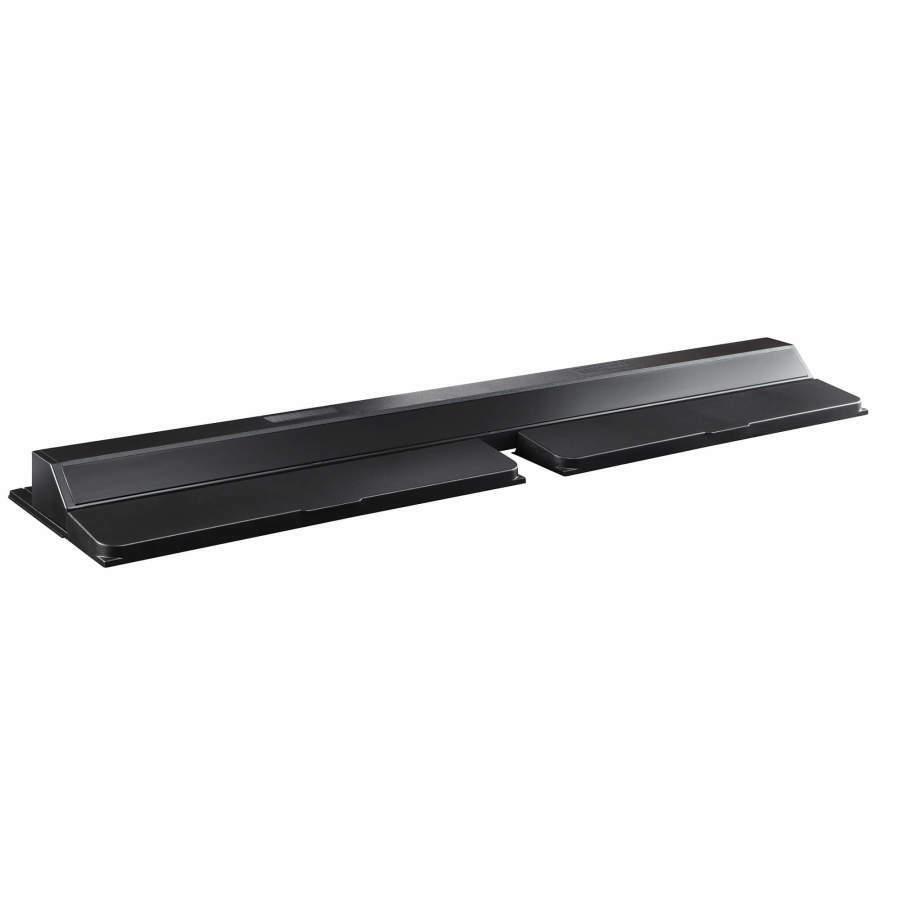
- Lights mounted high or tucked into canopies so guests cannot touch them
- Lenses angled to avoid glare into seating or reception desks
- Clean cable routes, with cords hidden and protected from spills and trips
Programmable LEDs give us a lot of control. We can set:
- Cool, crisp color tones for daytime that fit a summer feel
- Soft ramp-up in the morning and ramp-down at night instead of harsh on/off
- Low moonlight levels for overnight security and staff checks
Careful control of spectrum and intensity also helps limit algae, which tends to grow faster in summer heat and bright rooms. That means clearer glass and fewer emergency cleanings during busy hours.
Fun fact: Many reef-safe LED systems can simulate storms and clouds, but in calm public areas, smooth changes and gentle shifts in color usually work better for both people and fish.
Partnering with Specialists for Custom Summer Installations
Public displays often need more than a simple tank-and-stand combo. Building codes, safety rules, and branding all come into play. Working with aquarium specialists helps you blend equipment into the space while still giving fish what they need.
Custom stands, canopies, and filtration layouts can:
- Hide noisy or bulky gear
- Add sound insulation around pumps and sumps
- Improve airflow for better cooling
- Keep wires, plumbing, and sharp edges away from guests
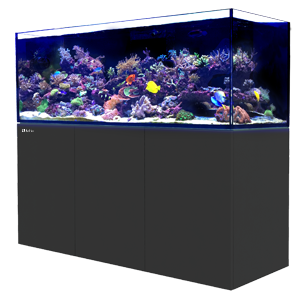
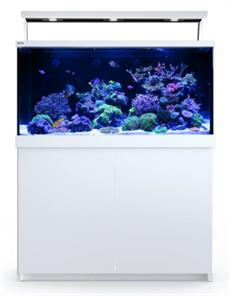
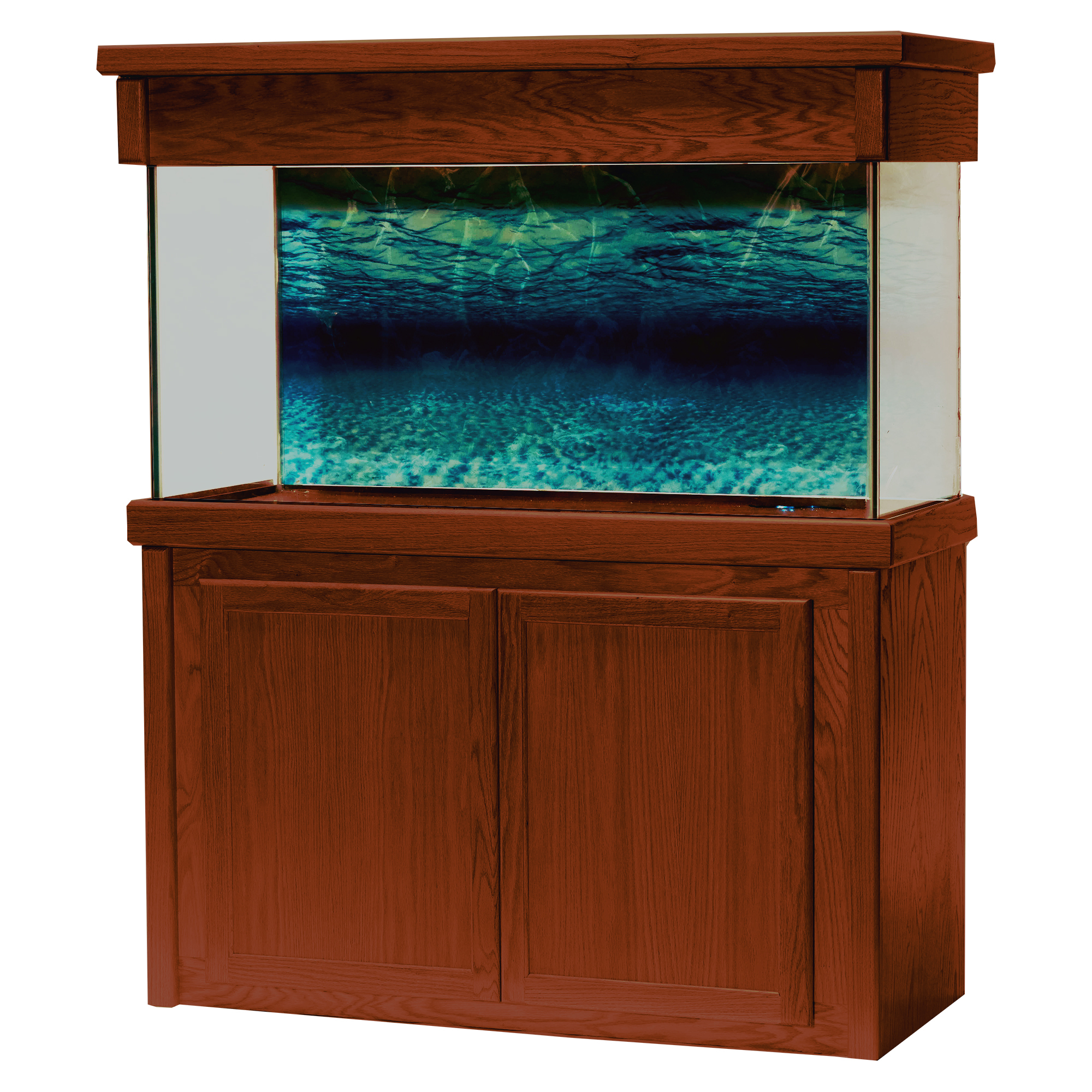
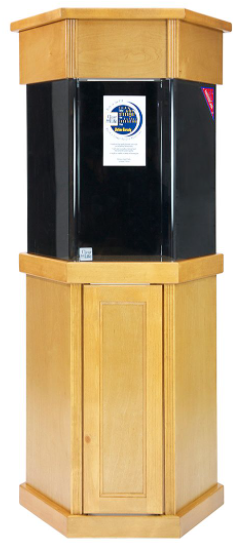
At Fish Tanks Direct, we help design and supply custom aquariums and equipment setups that fit public lobbies, offices, and other shared areas. Good planning in the build phase saves a lot of stress when summer hits and the space fills with visitors.
A seasonal operations checklist is helpful too. Alongside an aquarium pro, you can set a simple routine:
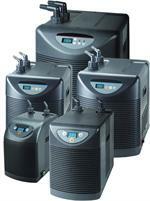
- Test chillers and fans before the hottest weeks
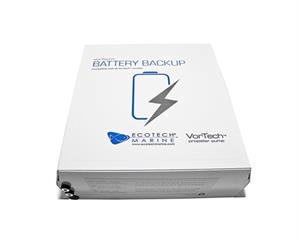
- Review backup power plans for storms or outages
- Adjust lighting schedules for longer summer days
- Double-check that all guest-facing edges and cables are safe and hidden
Fun fact: Many high-end public tanks use backup pumps and parallel filters so the display keeps running safely if one part needs service during a packed weekend.
Turn Your Summer Aquarium Into a Year-Round Asset
When you put energy efficiency, quiet operation, and guest-safe lighting at the center of your aquarium plan, your summer display becomes more than a seasonal decoration. It turns into a steady, low-stress feature that supports your brand, calms guests, and keeps staff proud of the space all year long.
A few quick steps can get you moving in the right direction: walk your space and listen for noisy gear, review how long your lights stay on, and note any hot spots around the tank. From there, focus on smart upgrades to pumps, filtration, and lighting, and consider a custom layout that matches your building and your crowd. Fish Tanks Direct is here to help with aquarium equipment, custom tanks, and expert guidance for public and commercial installations.
Frequently Asked Questions About Public Aquarium Equipment
How can I keep my public aquarium cool in late summer?
Use a mix of efficient chillers or cooling fans, good ventilation inside stands and cabinets, and shorter or softer light periods during the hottest hours of the day. Keeping the tank away from direct sun and exterior doors and making sure pumps and filters are correctly sized helps prevent heat from building up.
What is the quietest type of filtration for a lobby aquarium?
Sump-based systems with quality DC return pumps and a well-tuned overflow are usually the quietest. Adding filter socks or roller mats, avoiding long water drops, and placing foam or rubber under pumps and sumps all help cut down vibration and sound.
How bright should aquarium lighting be in a public space?
Lighting should be strong enough to show off fish and decor without causing glare for guests or stressing the animals. Programmable LEDs allow higher intensity during peak viewing times and softer light in early mornings and evenings. Always match the brightness to the species in the tank and the natural light in the room.
Are LED lights safe for children to view up close?
High-quality, properly installed LED aquarium lights are safe for public viewing. Mount the fixtures securely above the tank or under a canopy, shield them from direct eye-level exposure, and avoid very bright, narrow beams at guest height. It is also important to follow all manufacturer safety and clearance guidelines.
How often should I service aquarium equipment in a busy venue?
In high-traffic spaces, it helps to do quick checks every day, like water level, temperature, and any new noises. Weekly, clean glass and pre-filters, and each month give pumps, filters, and lights a deeper check and cleaning. During hot summer periods, step up care slightly since heat and longer light cycles can speed up wear and algae growth.
Get Started With Your Project Today
Explore our curated selection of aquarium equipment to give your tank the reliable, high-quality support it needs. At Fish Tanks Direct, we carefully choose products that help maintain stable water conditions, healthy fish, and a display you can be proud of. If you have questions or want personalized guidance for your setup, simply contact us and we will help you plan the next steps.