













Spring Aquarium Equipment Checkup for Clear, Trouble-Free Tanks
Fish Tanks Direct on Mar 29th 2026
Spring Tune-up for Crystal-Clear, Happy Tanks
A spring checkup for your aquarium equipment is one of the easiest ways to keep your water clear and your fish comfortable. As the weather starts to warm and daylight changes, small problems inside your tank setup can quickly turn into cloudy water, noisy filters, and surprise failures. A simple seasonal tune-up helps you catch issues early, instead of dealing with an emergency when you are already busy with warm weather plans.
By taking a little time to inspect filters, heaters, pumps, lights, and the tank itself, you help your gear last longer and run more quietly. Your fish and corals get more stable conditions, and you get a cleaner, calmer view. Many aquarium fish can sense very slight changes in temperature and water flow long before we notice them, so your spring routine is more important than it might seem at first glance.
Fun Fact:
Some species of reef fish can detect temperature changes as small as 0.5°F, which is one reason stable heating and circulation make such a big difference in their comfort.
At Fish Tanks Direct, we focus on custom acrylic aquariums, complete setups, and the aquarium equipment that keeps them running smoothly. A spring checkup is the perfect moment to spot anything worn out and decide whether it is time for a simple replacement part or a full upgrade. Below, we will walk through a step-by-step checklist to help your tank run quieter, clearer, and with fewer surprises for the months ahead.
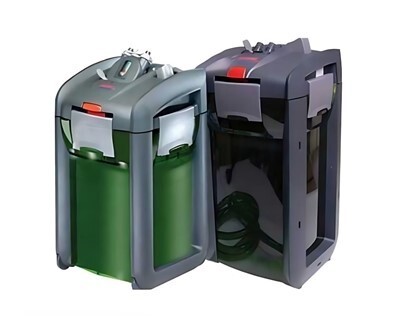
Refresh Your Filtration for Strong, Silent Performance
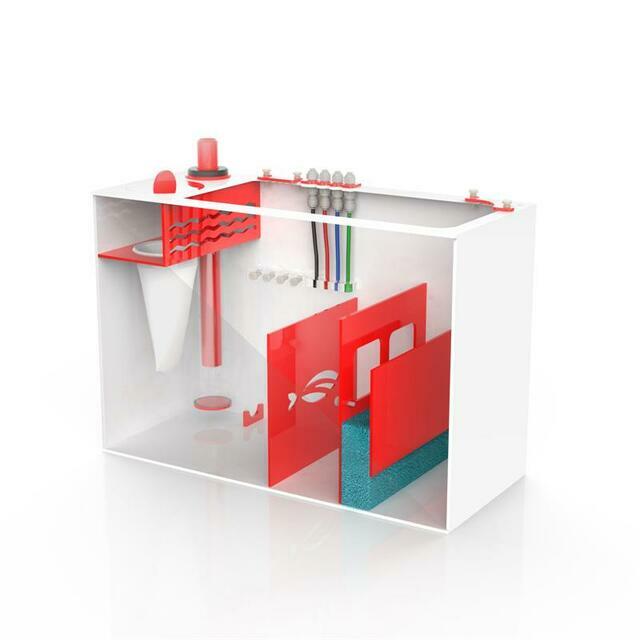
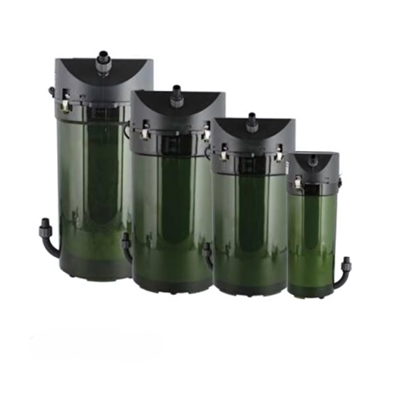
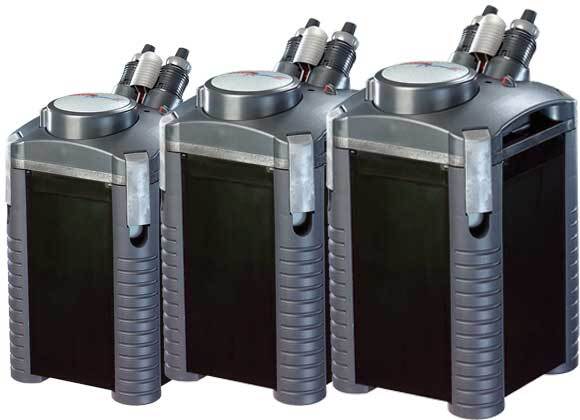
Your filter is the heart of a trouble-free tank, so it should always be first on your spring list. When the filter is working well, water stays clear, waste is removed, and your fish enjoy a steady, healthy environment. When it struggles, you see cloudy water, smell odd odors, and may hear rattling or humming that was not there before.
Start with a visual and sound check. Ask yourself:
- Is the water flow weaker than usual at the output?
- Do you see debris stuck around the intake or inside the filter box?
- Are there rattling parts, grinding, or new humming sounds?
- Are there bubbles burping out of the filter that were not there before?
If the answer is yes to any of these, it is time for a little filter care. Rinse mechanical media like sponges or pads in a bucket of tank water, not under the tap, so you do not wash away all your helpful bacteria at once. Replace chemical media like carbon or phosphate removers if they have been in use for several weeks. Bio-media should be handled gently and kept wet in tank water so that your bacteria, the real cleaning crew, stay alive.
Look over hoses, seals, and O-rings. Any stiff areas, tiny cracks, or salt buildup can turn into leaks or sudden failures. This is also a good time to check that clamps and connections are snug. If your aquarium has grown or you have slowly added more fish and corals, consider upgrading to a higher-capacity filter or adding a second filter for backup and extra clarity.
Calibrate Heaters and Pumps for Stable Water Conditions
Spring weather can swing from chilly nights to warm afternoons, which can cause quick changes in tank temperature. Stable heat and steady water movement keep fish calmer and less stressed. Even small shifts can bother them, especially species that are sensitive to change.
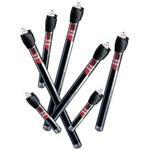
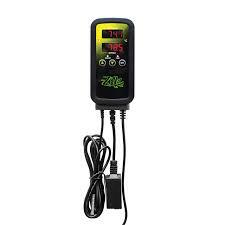
Give your heater a quick test. Place a reliable thermometer in the tank, then compare the actual reading to the heater setting. If the water is off by a couple of degrees, adjust the heater and check again a few hours later. Look for condensation inside the heater tube, cracks, or cloudy spots on the casing. Any strange marks or mineral buildup are warning signs that the heater might be close to failing.
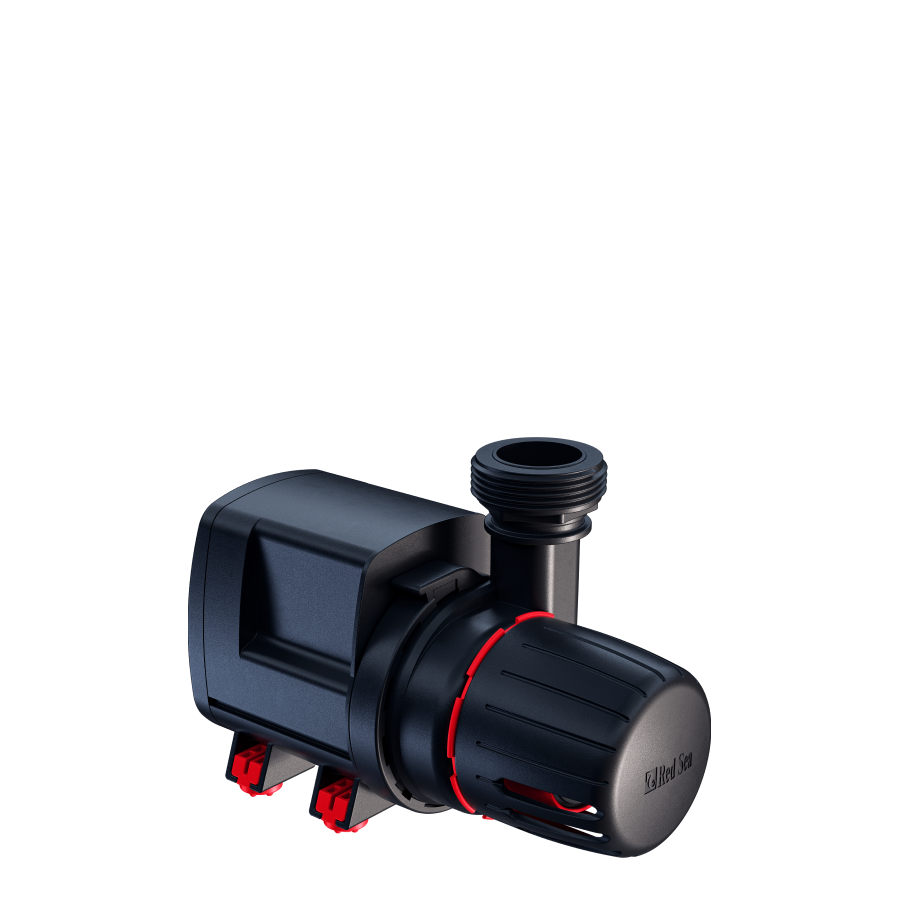
For pumps and powerheads, unplug and inspect the intakes and impellers. Remove algae, sand, and calcium deposits that can slow the blades. Check that water is not blocked by rocks, decorations, or plants, especially in corners or behind hardscape. Many fish come from natural streams or reef areas with flowing water, so good circulation not only oxygenates the tank, but it also helps them feel more at home and more active.
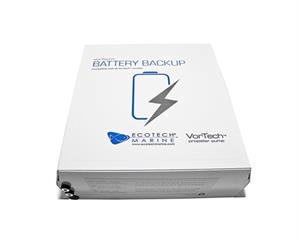
Spring is also a smart time to think about backup gear. A spare heater on hand or a battery-backed air pump can make all the difference during a storm or short power outage. Having backup aquarium equipment waiting in your cabinet is a lot less stressful than rushing to find something when the lights suddenly go off.
Brighten Lighting for Growth, Color, and Algae Control
As days get longer, extra natural light coming through windows can feed algae in your tank. Balancing your aquarium lighting helps plants and corals grow while keeping algae under control. Spring is the perfect time to clean, check, and adjust your lights.
First, wipe down light fixtures and lenses. Look for salt creep, dust, or mineral spots that can block a surprising amount of light. A gentle clean can make the tank look brighter even before you replace any bulbs. While you are up there, make sure cords and mounting hardware still feel secure.
Next, check your timers and daily schedule. Many reef tanks do well with about 6 to 8 hours of strong light, while many planted tanks like 8 to 10 hours. If you fought algae during the colder months, consider trimming the light period a bit. Also remember that older bulbs and some LED units slowly lose intensity and shift color over time, which can help algae but make plants and corals struggle.
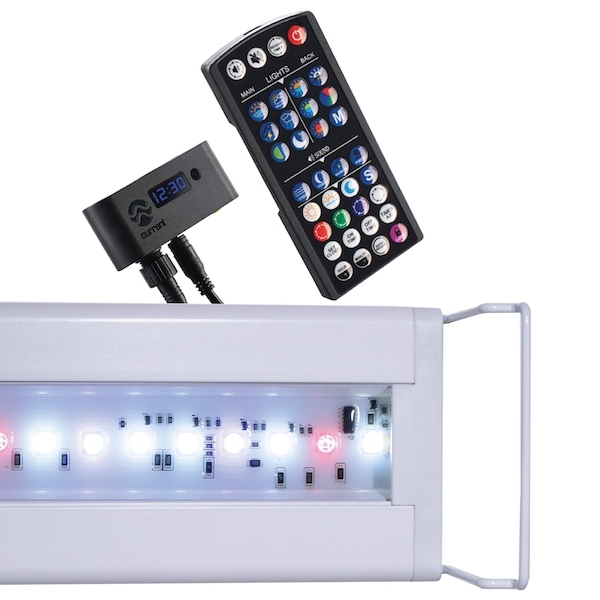
Spring is a great moment to think about a lighting upgrade to newer LED options. Modern aquarium equipment for lighting is designed to provide better color and spread while using less power and creating less heat, which really helps as the room warms up. Your fish, corals, and plants will often show deeper color and more natural behavior under the right light.
Inspect Stands, Lids, and Acrylic for Long-Term Safety
We often focus only on what is inside the water, but the tank and stand around it are just as important. Spring is a good time to look at the big picture and make sure everything holding your tank is solid and safe. Remember, water is heavy: a single gallon weighs a little over 8 pounds, so even a tank that seems small can put a lot of pressure on its stand.
Check your stand or cabinet for any swelling, soft spots, or staining from moisture. Look at hinges, screws, and metal hardware for rust. Give the tank a gentle push to see if there is any wobble. Tighten loose fasteners so the tank does not shift over time.
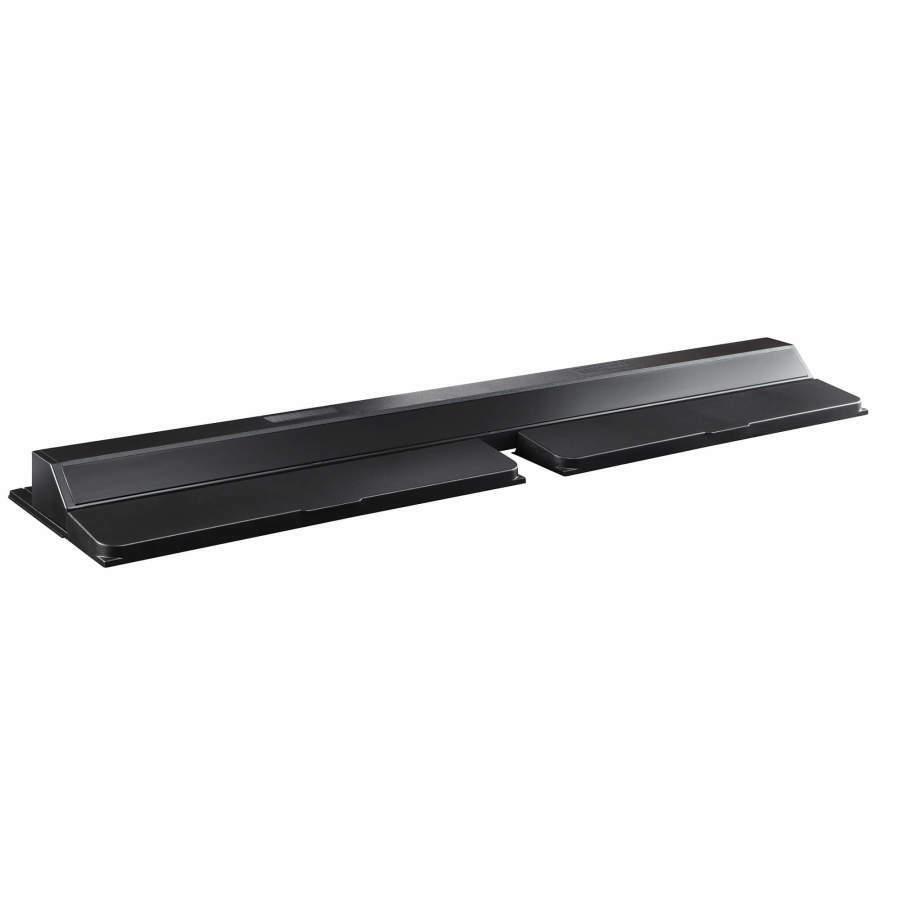
Then move up to lids, hinges, and screens. Look for cracks, gaps, or warping that could let fish jump or let more water evaporate as the air warms. Clean off salt creep that may stop lids from closing fully. Good lids also help keep curious pets and children away from the open water.
If you have an acrylic aquarium, treat it with care. Use acrylic-safe pads and gentle polishes to clear up minor scratches and haze. Avoid rough scrubbers and harsh tools, since these can damage the clear panels for good. At Fish Tanks Direct, we work with custom acrylic aquariums and the supporting hardware that keeps them safe and easy to maintain, so we care a lot about this part of your setup.
Make Spring Maintenance Your New Aquarium Ritual
A once-a-year spring review of your filtration, heaters, pumps, lighting, and tank hardware can keep your aquarium equipment running smoothly and cut down on emergencies. It is a calm, planned way to give your system a fresh start before the heat and busy days of summer arrive. Clearer water, quieter operation, and happier fish are all real rewards from just a little focused attention.
We encourage you to create a simple written or digital checklist and store it with your aquarium supplies. Next spring, you can pull it out, follow the same steps, and see how much easier the process feels. Whenever your spring checkup reveals weak spots, wish-list upgrades, or the need for new parts, Fish Tanks Direct is here with custom acrylic aquariums, complete setups, and carefully chosen replacement gear to help you keep your tank stable and beautiful all season long.
Upgrade Your Aquarium With Gear You Can Trust
If you are ready to improve water quality, reduce maintenance, and keep your fish healthier, we are here to help at Fish Tanks Direct. Explore our curated selection of aquarium equipment to find reliable solutions that fit your tank and your goals. If you are unsure what you need or want personalized recommendations, contact us and our team will guide you step by step.