





Solve Summer Heat Challenges With the Best Aquarium Equipment
Fish Tanks Direct on Aug 5th 2026
Keep Your Aquarium Cool and Your Fish Thriving All Summer
Summer heat can turn a happy aquarium into a stressful one fast. The room gets warm, the water creeps up a few degrees, fish start breathing harder near the surface, and algae shows up on the glass like it owns the place. It feels sudden, but those small swings in temperature can be a big deal for the life in your tank.
A shift of just a couple degrees can affect fish’s immune systems, oxygen levels, and the stability of corals or plants. Warm water holds less oxygen, so everyone in the tank has to work harder just to breathe. That is why the best aquarium equipment for summer is not just basic gear, it is gear that helps keep things steady even when the air outside is baking.
At Fish Tanks Direct, we care about building systems that stay stable when the weather does not. From complete setups and custom acrylic aquariums to advanced cooling and flow, we focus on practical solutions that keep your tank calm in hot weather. Here we will walk through smart ways to handle heat with chillers, fans, lighting, filtration, and monitoring tools so your tank is ready before the next heat wave hits.
How Summer Heat Impacts Your Aquarium Ecosystem
When the air in your home gets hot, your tank does not stay far behind. As water temperature rises, oxygen levels drop. Fish may start to:
- Gasp near the surface
- Show faster gill movement
- Act sluggish or hide more than usual
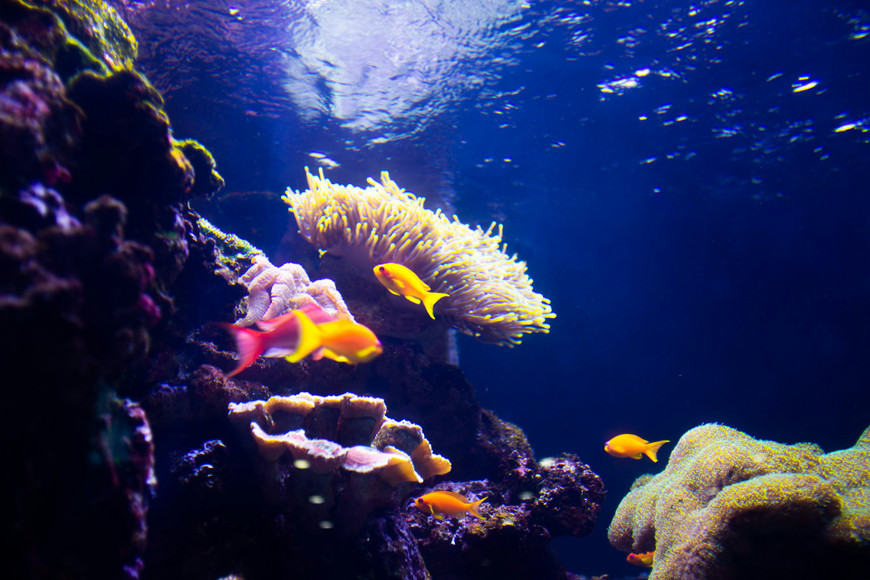
Different setups react in different ways. In reef tanks, quick temperature spikes can stress corals and may lead to bleaching if things stay too warm. Planted tanks can see algae grow faster, especially when extra light and heat combine. Some species tanks, like for discus or cooler water fish, need a very tight temperature range, so even small swings can cause problems.
Your current gear can add heat too. Strong lighting, tight lids, and powerful pumps all give off warmth. In summer, that extra heat stacks on top of already warm room air. Closed tops keep fish from jumping and reduce evaporation, but they also trap warm air over the water.
You will usually notice more evaporation in hot months. In saltwater tanks, this changes salinity. In freshwater systems, it shifts minerals and hardness. Topping off correctly is a must.
Fun fact: many wild tropical fish experience only one or two degrees of temperature change across an entire year, so fast swings in a home tank can feel extreme to them.
Choosing the Best Aquarium Equipment for Summer Stability
A summer-ready system is built around three simple ideas: stable temperature, steady flow, and strong gas exchange. When you get those right, everything in the tank has a better chance to thrive.
Key temperature tools include:
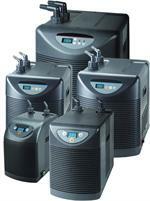
- Aquarium chillers, sized correctly for your tank
- Cooling fans that move air across the water surface
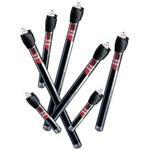
- High-quality heaters with accurate thermostats
It might sound odd to talk about heaters in summer, but they help stop big swings at night or when A/C is running hard. The goal is a narrow, stable range, not constant up and down.
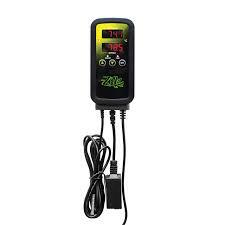
Smart controllers and digital thermostats can pull the whole setup together. They can:
- Turn fans or chillers on and off automatically
- Keep heaters from fighting with chillers
- Send alerts if temperatures drift too high or too low
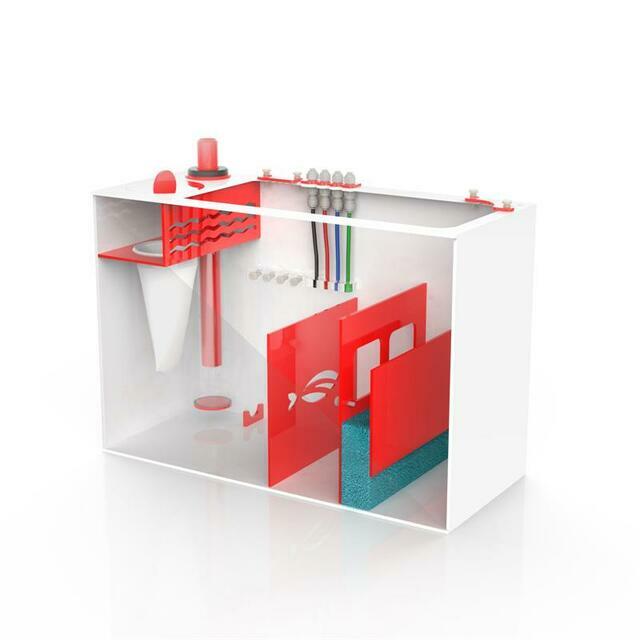
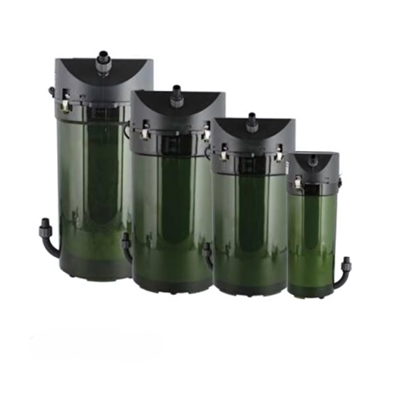
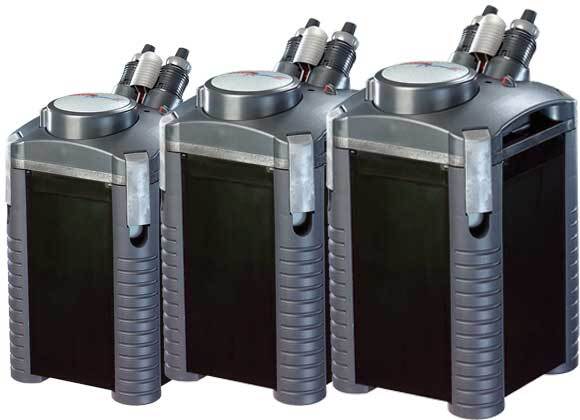
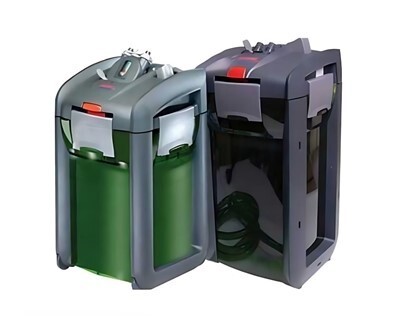
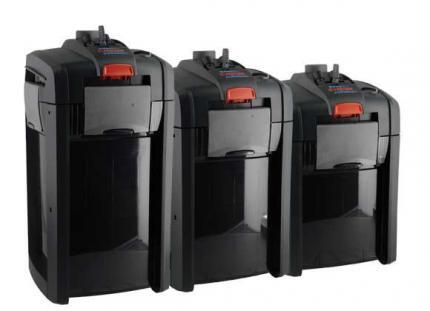
Good filtration and flow work with your cooling gear. Canister filters, sumps, and wavemakers help bring deeper water to the surface where it can cool a bit and pick up oxygen. That extra gas exchange is a big help when warm water is trying to hold less oxygen.
When we design complete tank packages or custom acrylic systems, we like to think about summer on day one. Matching cooling and filtration to the tank size and room conditions from the start makes hot months much less stressful.
Smart Cooling Solutions, Lighting, and Filtration That Beat the Heat
Cooling gear comes in different levels. The right choice depends on your tank size, local climate, and how hot your home gets in the afternoon.
Fans are great for mild to moderate heat:
- Small surface fans for nano or small tanks
- Clip-on fans aimed across the water surface
- Bank fans blowing across sumps or open sections
Fans cool by evaporation, so they help most in dry to average humidity. For larger tanks, reef systems, or homes where it stays hot for hours, a chiller is often the safer pick. When choosing a chiller, look at:
- Capacity that matches your total water volume
- Energy efficiency and quiet operation
- How it will connect to your sump or canister
Set up chillers and fans with care. Give chillers space for exhaust air to blow out of the stand or room. Use secure plumbing, and keep cords and power strips away from splash zones to avoid risky DIY tangles. Pairing a chiller with a good controller helps avoid fast up and down swings that can be tougher on fish than a single steady temperature.
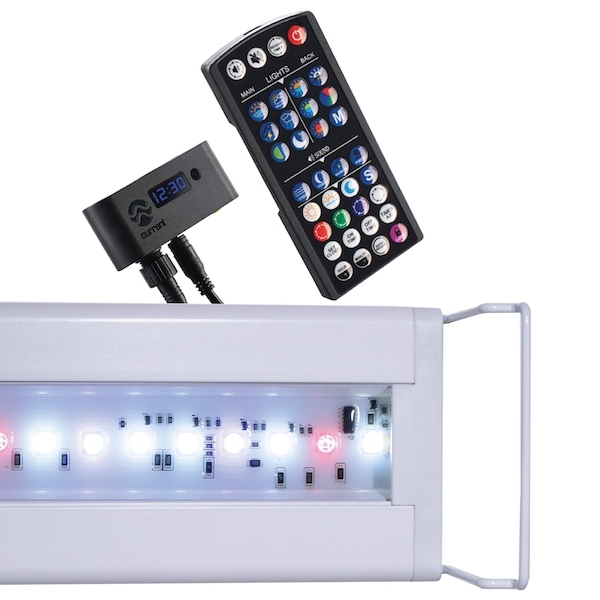
Lighting and covers also matter a lot in summer. High-output metal halide or older T5 setups can add a surprising amount of heat to the water. Swapping to efficient LED fixtures usually cuts that extra warmth, while still giving strong light for corals or plants.
Covers change how heat and evaporation work:
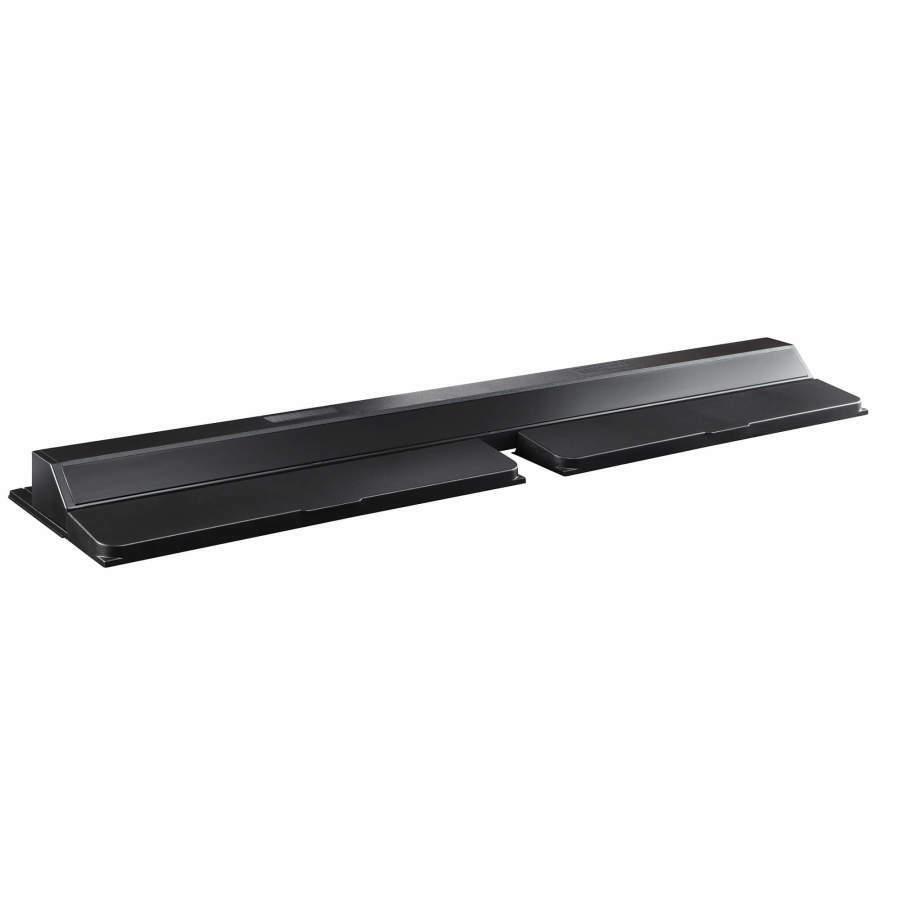
- Glass lids and solid canopies trap heat but reduce evaporation
- Acrylic canopies act similarly, with slightly better insulation
- Mesh screens and open tops let heat escape and boost gas exchange, but increase evaporation
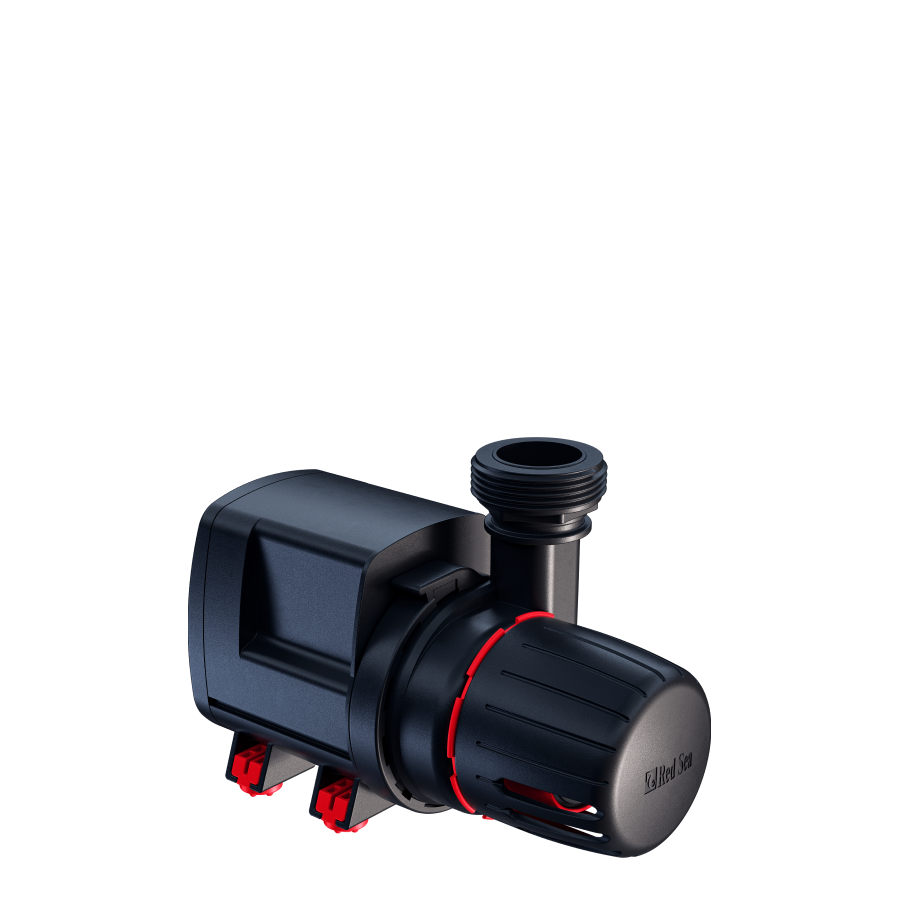
Flow and filtration help carry cooler, oxygen-rich water around the tank. Quality powerheads, wavemakers, and return pumps that create surface ripples make a big difference. Some handy combos:
- Reef tanks: LED lighting, a mesh top, and strong surface agitation from wavemakers
- Freshwater tanks: canister filter with a spray bar aimed to break the surface gently
Keep up on maintenance too. Clogged filters and dirty pump intakes make equipment work harder, which can add extra heat and reduce water movement right when you need it most.
Monitoring, Maintenance, and Seasonal Setup Tips
You cannot control what you do not track. A clear, accurate thermometer or digital probe is one of the simplest but most powerful tools in hot weather. Check temperatures at different times of day so you know how your tank reacts to afternoon peaks.
Smart controllers or Wi-Fi power strips with alerts can send a message if something fails during a hot day. That early warning can be the difference between a quick fix and a big loss.
A simple summer routine might include:
- Topping off for evaporation daily with fresh, treated water
- Checking salinity often in saltwater setups
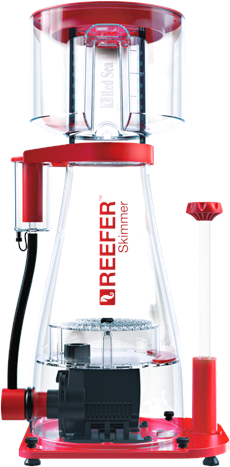
- Cleaning filter intakes and skimmer necks
- Dusting fan grills and chiller vents so air moves freely
Planning ahead helps a lot. Installing cooling gear and testing your setup in late spring means you can make small tweaks before heat is at its worst. Tanks that are already stable when the first big heat wave arrives handle stress far better.
Fun fact: in nature, many fish use tiny changes in temperature as a cue to start breeding, which shows just how closely they pay attention to even small shifts.
FAQ
How Hot Is Too Hot for My Aquarium in Summer?
Most tropical fish are happiest in the mid to upper 70s. When water stays above the low 80s for long periods, oxygen levels drop and many species start to feel stressed.
Do I Really Need a Chiller, or Will a Fan Be Enough?
Fans usually work well for smaller or medium tanks in homes that only get warm for part of the day. For larger systems, reef setups, or rooms that stay hot for hours, a chiller is often the more reliable option.
Can LED Lights Actually Reduce My Tank’s Temperature?
LED fixtures produce less heat than many older light types, so switching to LEDs can lower how much your water warms up during the light cycle.
How Often Should I Check My Tank Temperature During a Heat Wave?
Check at least in the morning and evening. If your home gets very hot midday, a quick afternoon check helps you catch spikes before they cause too much stress.
Will Frequent Top-Offs for Evaporation Hurt My Water Chemistry?
Regular top-offs with fresh, dechlorinated water are safe and needed. Just remember, evaporation removes water, not minerals or salt, so you still need to test things like salinity and hardness on a normal schedule.
Upgrade Your Aquarium With Reliable Gear Today
Give your fish a healthier, more stable environment by choosing the best aquarium equipment curated by the experts at Fish Tanks Direct. We carefully select products that deliver long-term performance, so you can focus on enjoying your aquarium instead of troubleshooting problems. If you are not sure what you need for your setup, contact us and we will help you find the right solution.