














Saltwater vs. Freshwater Equipment: Budget Checklist & Upgrade Priorities
Fish Tanks Direct on Apr 28th 2026
Start Smart with the Right Aquarium Upgrades
Choosing the right upgrades early can save fish, money, and stress. When our gear works with our goals, we spend more time enjoying our tanks and less time fighting cloudy water or sick fish. The trick is not buying everything at once, but buying the right things in the right order.
Freshwater and saltwater aquariums each have their own needs. A simple freshwater community tank, a basic saltwater fish-only setup, and a future reef tank all use different levels of gear. We can think of them in three stages: Beginner Essentials, Intermediate Growth, and Reef-Ready Aspirations.
At each stage, we want gear that can grow with us. Solid acrylic tanks, complete setups, and strong equipment are easier to upgrade than to replace. Early summer is a great time to start or improve a tank, since room temperatures are often more stable and many people have a bit more free time for water changes and cleaning.
Here we will walk through what to buy now, what to upgrade later, and how to avoid overspending on the wrong gear, whether you keep freshwater or saltwater aquariums.
Beginner Essentials on a Budget
When we are just starting, it helps to set simple, realistic goals. For freshwater, that usually means a hardy community tank with easy fish and maybe a few low-light plants. For saltwater, it often means a basic fish-only tank with live rock, not a full reef yet. The gear list is similar, but saltwater adds a couple of extra needs.
Both setups need a few base items:
- Reliable tank and sturdy stand
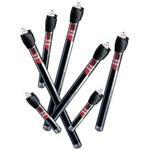
- Heater sized correctly for the tank
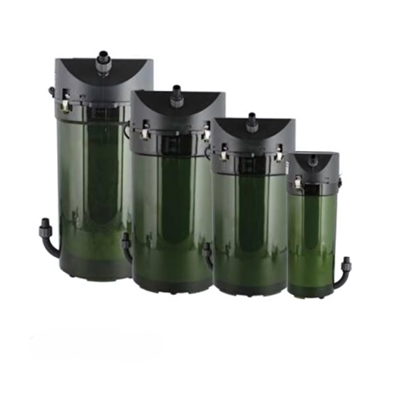
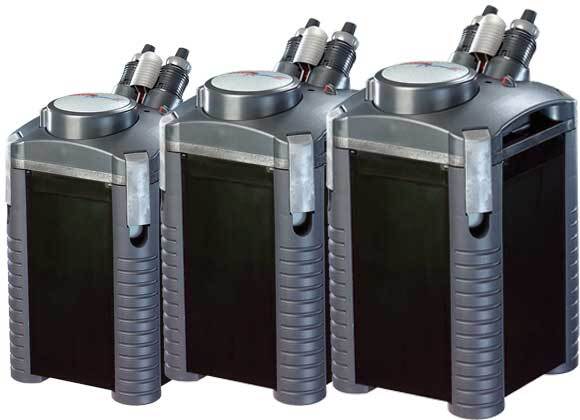
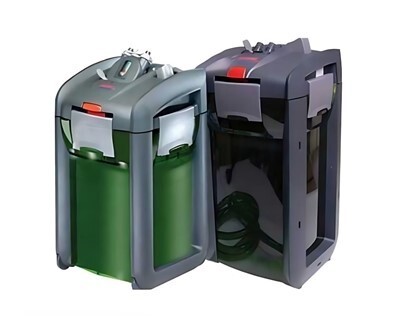
- Filter with room for media
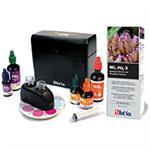
- Test kits for ammonia, nitrite, nitrate, and pH
- Substrate, like gravel, sand, or bare bottom
- Simple light for viewing and basic plants or rock
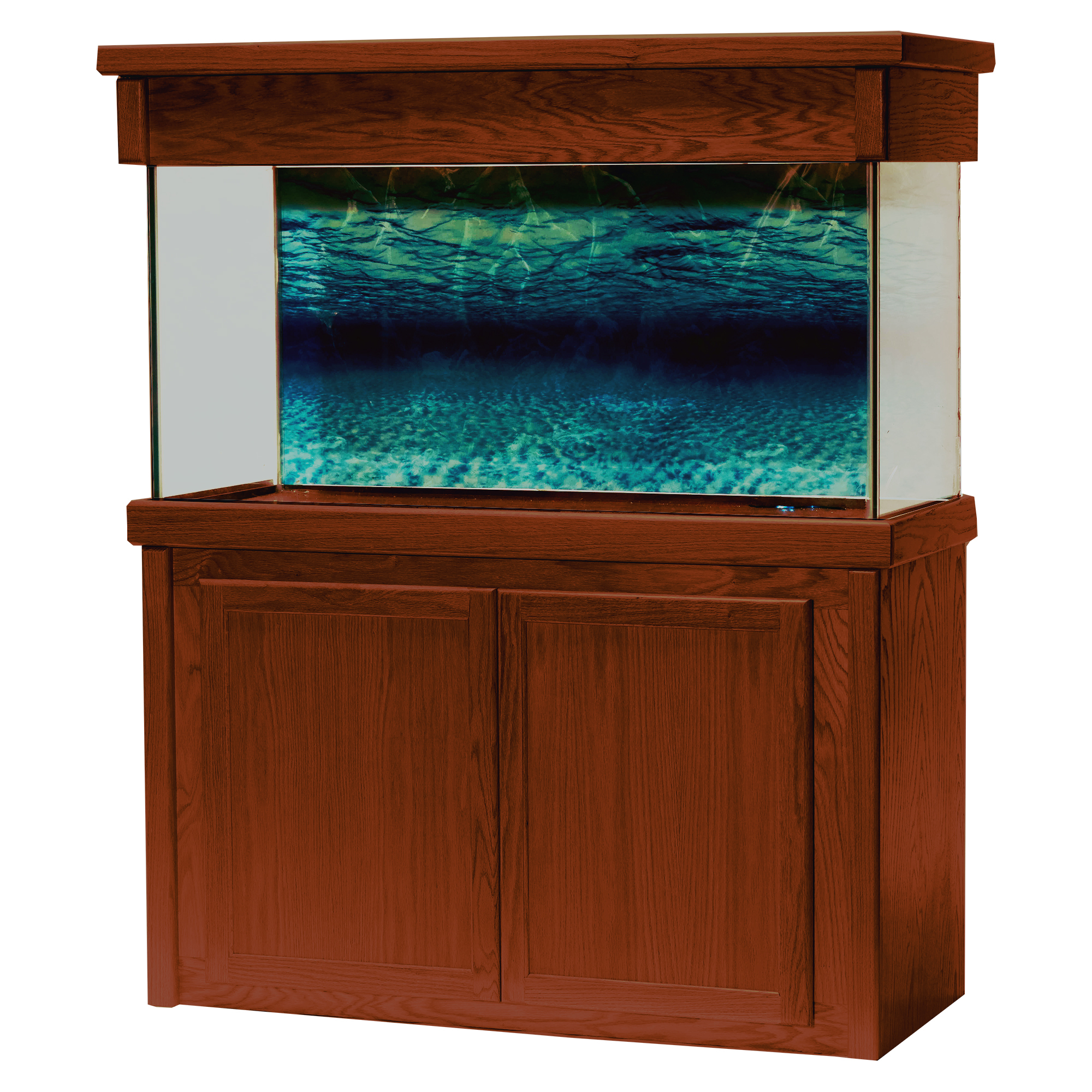
Acrylic tanks are a smart pick for beginners. They are lighter than glass, easier to move during setup, and less likely to crack if someone bumps into them. Fun fact: acrylic holds temperature a bit better than glass, which can help keep things steadier during early summer heat swings.
At this level, some things are worth spending on and others can be simple. The heater and filter are the heart of the system, so we do not want to cut corners there. On the other hand, décor, starter lights, and basic test kits can be simple and budget-friendly at first.
Saltwater tanks, even basic ones, usually benefit from:
- A basic protein skimmer
- Higher quality test kits, including for salinity and often nitrate
Saltwater is less forgiving than freshwater, so being able to test and remove waste is more important, even when we are keeping hardy saltwater fish.
A smart beginner plan is to buy the best tank and stand we can now, so we do not have to replace them later. Filters, pumps, and lights can all be upgraded as we grow, but a strong acrylic tank can stay with us for years.
Intermediate Gear for Growing Tanks and Livestock
The intermediate stage often starts when we want a bigger display, more demanding fish, or we decide to switch from freshwater to saltwater aquariums. At this point, our tank is no longer just a starter, it is the main show in the room.
For freshwater, good upgrades include:
- Higher capacity filtration with quality biological media
- More precise, stable heater
- Stronger LED lighting that supports plant growth
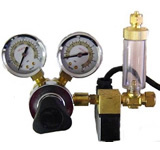
- Optional CO2 system if we want lush planted tanks
For saltwater, key upgrades look a bit different:
- Quality protein skimmer sized for the tank
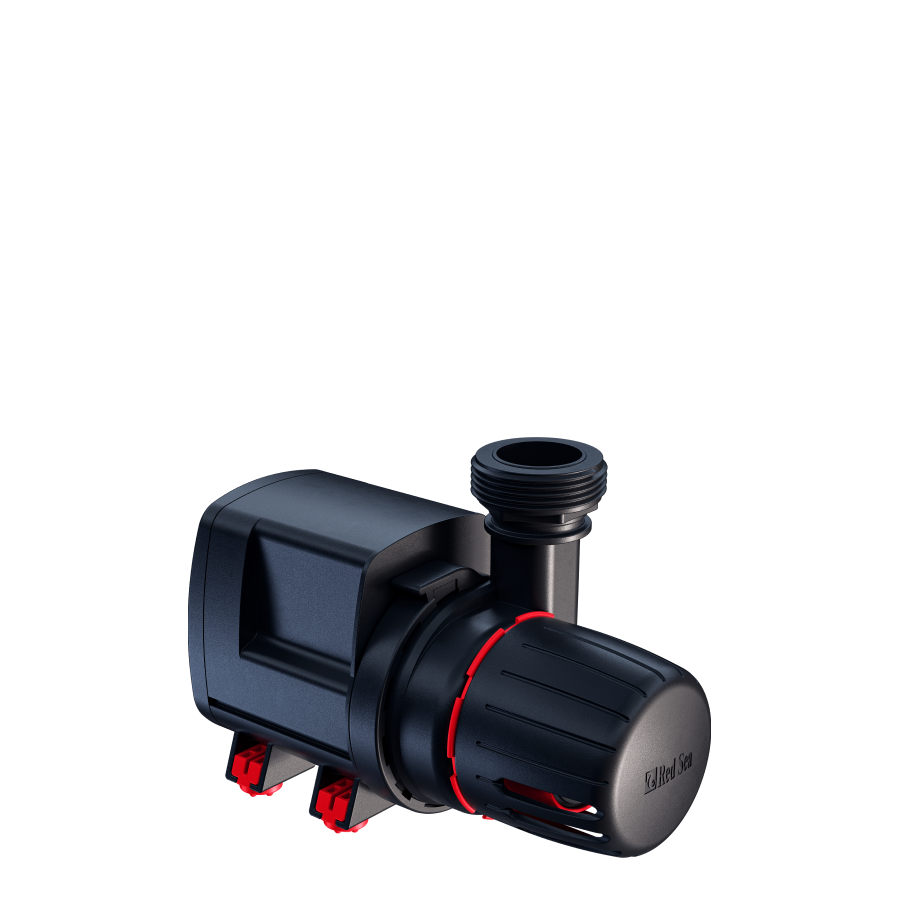
- Powerheads for strong, random flow
- Upgraded lighting that can keep soft corals, if we want to try them
- Auto top-off system to keep salinity steady as water evaporates
When money is limited, we suggest focusing first on filtration and water movement, then lighting. Extra décor, fancy background gear, and specialty gadgets can wait. Clear water and steady parameters matter more than anything that just looks cool.
This is also a great time to consider a larger custom acrylic tank. Bigger tanks give more stocking options and more room to aquascape, and acrylic is easier to move, especially if stairs or tight corners are involved. The clearer viewing panels also help us see fish behavior and plant or coral detail better.
Warmer months can bring higher room temperatures, which lower oxygen in the water. Intermediate keepers should watch cooling and aeration. Strong surface agitation, a fan blowing across the surface, or small changes like lifting a lid slightly can help handle those warmer days.
Reef-Ready Choices for Long-Term Success
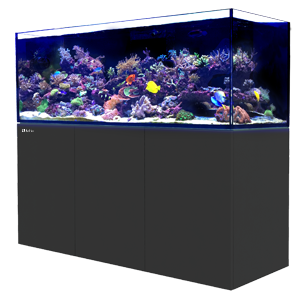
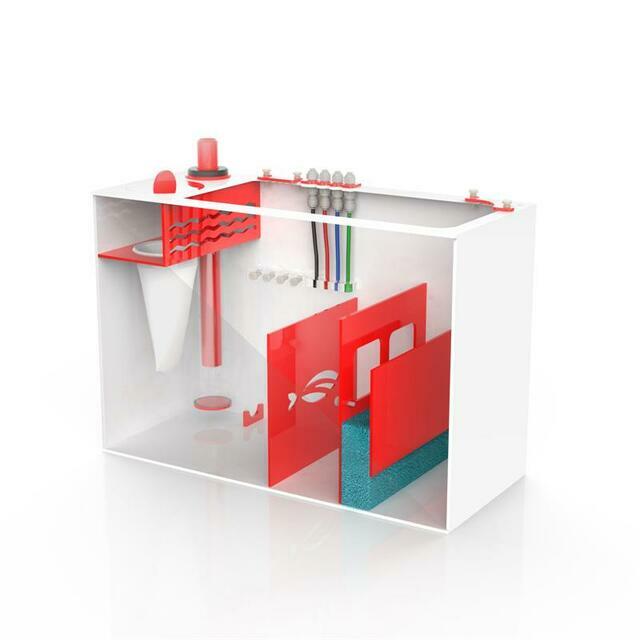
A reef-ready tank is different from a basic fish-only setup. Reef-ready usually means a built-in overflow, drilled holes, and easy sump compatibility under the stand. The gear is chosen for corals that need strong light and very clean, stable water.
The first big reef-ready upgrades to focus on are:
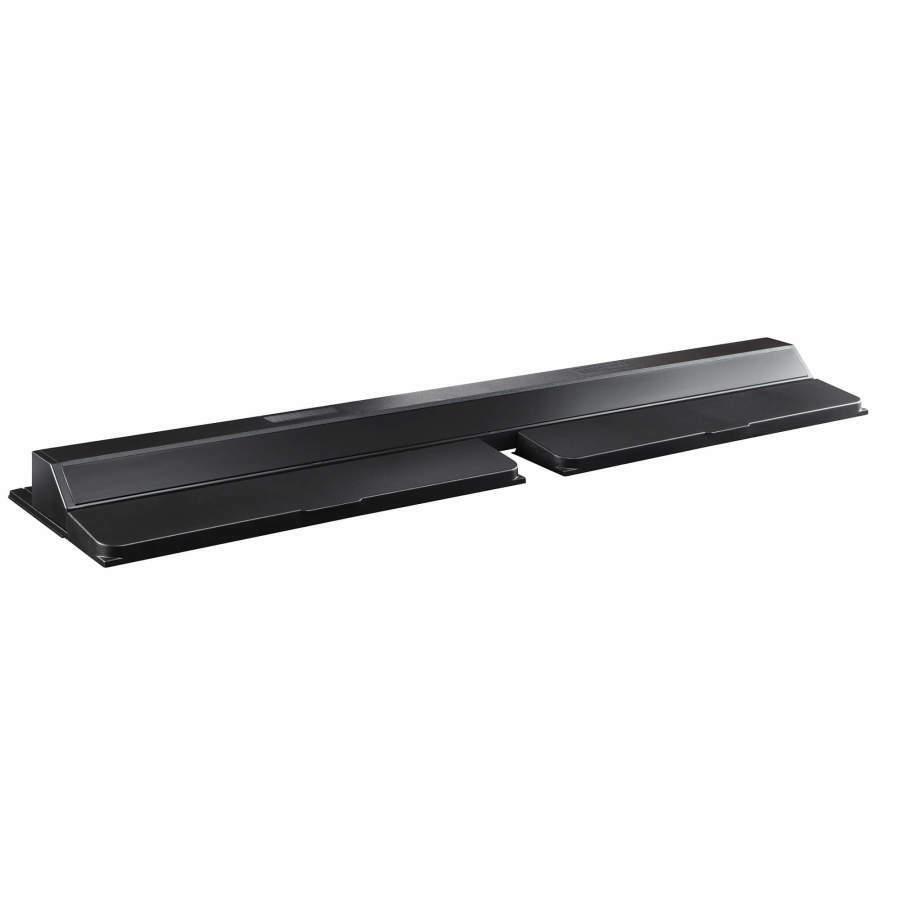
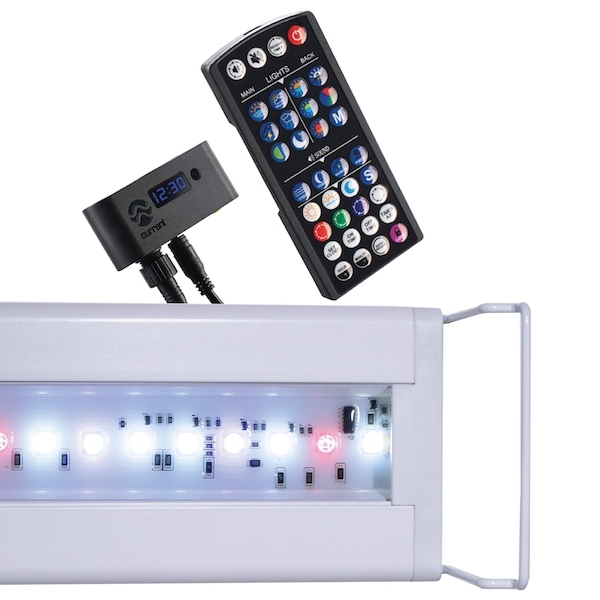
- Dedicated reef LED lighting with good color and intensity
- Reliable sump and return pump
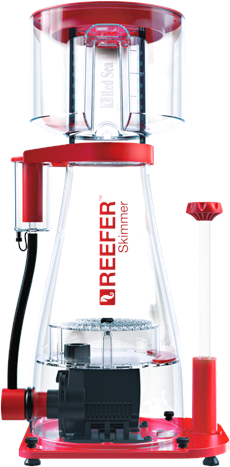
- High-quality protein skimmer
- Accurate test gear and dosing tools for calcium, alkalinity, and other reef needs
For most coral keepers, lighting comes first. Corals use light to grow, so weak or low quality lights can hold the whole tank back. After that, strong filtration and good flow keep nutrients under control and deliver that light to healthy tissue.
Controllers, auto testers, and full automation are great, but they can come later if the budget is tight. It is better to have strong lights, skimmer, and flow with manual dosing than fancy control gear on weak base equipment.
Good pumps, protein skimmers, and LED lights may cost more one time, but they often run more efficiently and can last longer with care. That can help with power use and fewer replacements over the years.
Custom acrylic tanks are a favorite for reef keepers. Custom dimensions can fit deep sand beds, tall branching rockwork, or long shallow lagoons. Built-in overflows keep gear out of sight, and the clear panels show coral color and tiny details we do not want to miss.
As days get longer in late spring and summer, we also get more room light on our tanks. That extra light can feed algae. Reef keepers should pay attention to nutrient export with skimmers and refugiums, and keep clean-up crews active so algae does not take over.
Fun fact: many corals glow under blue LEDs because of special fluorescent proteins in their tissue. That glowing look is not just pretty, it can help protect the coral from light in nature.
Sample Upgrade Paths by Budget and Tank Type
To make this feel simple, here are three basic upgrade roadmaps.
Freshwater grow-out path:
- Start with a solid acrylic tank, simple stand, basic filter, heater, and starter LED.
- Once things are stable, upgrade filtration with better biological media.
- Add stronger LED lighting and maybe plant nutrients as you add more plants and fish.
Saltwater fish-only path:
- Begin with a stable tank and stand, heater, basic filter, live rock, and simple light.
- Add a better protein skimmer once stocking increases.
- Add powerheads for flow, then upgrade lights later if you want to try starter corals.
Aspiring reef keeper path:
- Invest early in a reef-ready acrylic tank with overflow and a sump.
- Prioritize top-tier reef LED lights and a strong protein skimmer.
- Add auto top-off, dosing pumps, and controllers later, once the core gear is in place.
Some items can move with you as you upgrade, such as good lights, pumps, and skimmers. Other pieces, like the main tank, stand, and sump, are usually better to buy right once and keep for a long time.
Many hobbyists like to plan bigger purchases around late-spring sales and set up new systems early enough that the nitrogen cycle is stable before peak summer trips. That way, the tank is calm and balanced when life gets busy.
Build Your Ideal Setup One Smart Upgrade at a Time
Freshwater or saltwater, simple tank or reef showpiece, the order of our upgrades makes a big difference. When we focus on the right items for our current stage, we protect our budget and the fish and corals we care about.
At Fish Tanks Direct, we focus on custom acrylic tanks, complete setups, and premium equipment bundles that match different experience levels and goals. A helpful next step is to make a short gear checklist, pick one or two high-impact upgrades per month, and plan major changes for times with stable weather instead of the peak of a heatwave.
Fun fact to end on a calm note: watching an aquarium for just a few minutes a day has been linked in studies to lower stress and a slower heart rate. That makes smart equipment choices not only good for our tanks, but also a simple little investment in our everyday well-being.
Transform Your Home With A Thriving Saltwater Setup
If you are ready to create a stunning marine display, we make it simple to choose the right saltwater aquariums for your space and experience level. At Fish Tanks Direct, we match you with quality tanks and equipment that support healthy, long term success. Our team is here to answer your questions, guide your choices, and help you avoid costly mistakes. If you want personalized recommendations, contact us and we will help you plan your next setup.