



















Rethinking Fish Tanks: Shape-First Planning for Stunning Displays
Fish Tanks Direct on Oct 7th 2026
Design a Tank That Looks Amazing From Day One
A great fish tank starts long before you bring home a single fish. The secret is to plan around the shape of the tank first, not the fish list or the décor. When we think “shape-first,” we set ourselves up for a display that looks clean, feels peaceful for the fish, and is easier to care for over time.
These days, aquariums are like living artwork in homes, offices, and lobbies. Get the shape right and everything else tends to fall into place. In this article, we will walk through how tank shape affects viewing, fish behavior, maintenance, and room design, and why acrylic options open the door for some very creative ideas.
As cooler weather rolls in and holiday-hosting season approaches, many people start thinking about adding a warm, glowing focal point to their space. A thoughtfully shaped fish tank can pull people together, spark conversation, and make a room feel cozy on dark evenings. Fun fact for later: the old round fish bowl that many people picture first is actually one of the least friendly shapes for most fish.
How Tank Shape Changes Your Viewing Experience
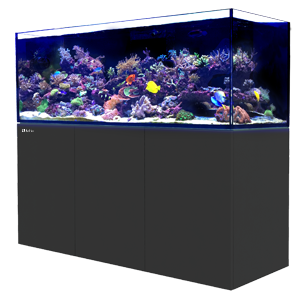
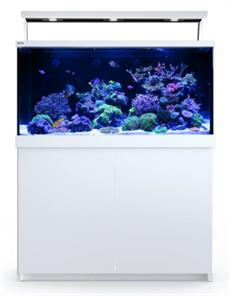
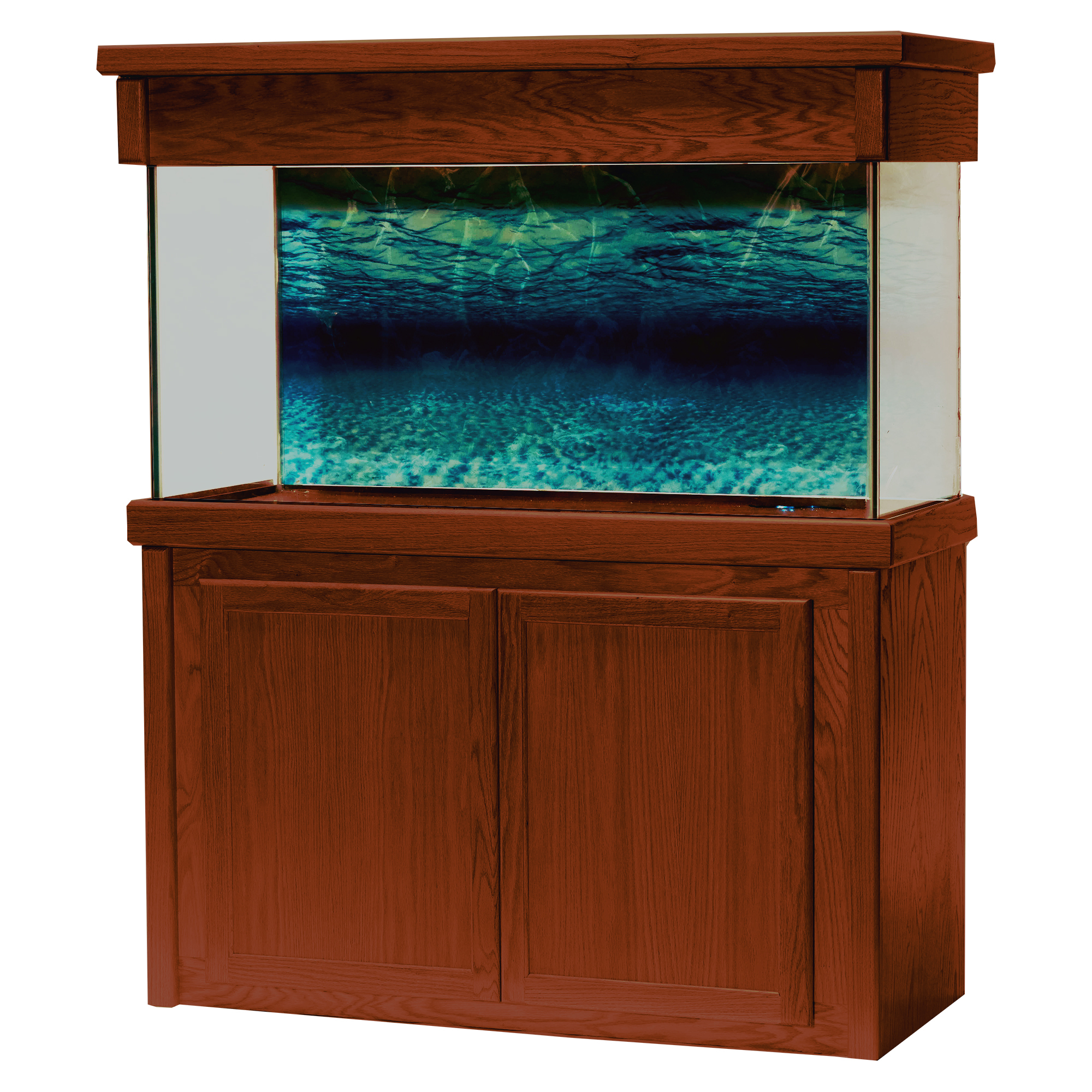
Tank shape decides what you see first every time you walk by. A standard rectangular tank is still the most flexible choice for many setups. It gives you:
- A clear, flat front panel for easy viewing
- Good front-to-back depth for plants or rockwork
- Predictable light spread so your aquascape grows evenly
- Simple equipment options that fit well
Panoramic shapes change the feel completely. Bow-front, curved-front, and peninsula tanks make the same amount of water feel more immersive.
- Bow-front and curved-front panels create a soft, wraparound look
- Peninsula tanks are great between two spaces, like a living room and dining area
- These shapes let you enjoy the tank from more than one side
Then there are showpiece formats that really shift how the room works. Room dividers, in-wall tanks, and tall columns can pull you into the scene or make a dramatic first impression in an entryway.
Height, length, and depth all matter. A long, low tank draws your eye across the fish and plants. A tall tank pulls your gaze up and can highlight corals, tall driftwood, or schooling fish that move in layers.
The big thing to think about is sightlines. Ask yourself:
- Will people mainly see the tank while sitting on a sofa?
- Is it along a hallway where people pass by standing?
- Is this for a lobby or waiting room where people glance from many angles?
When you start there, you can choose a shape that frames that main view beautifully. For people who want very specific angles, custom acrylic panels, curves, and corners can be tuned so the view matches the exact moment you care about most.
Fun fact: public aquariums carefully design the size and shape of their viewing windows to control how large and “up close” animals feel to visitors.
Matching Tank Shapes to Fish, Corals, and Plants
Fish do not just care about water volume; they care about how that space is shaped. Many species like to swim in long, straight paths, so they do best in longer rectangular tanks. Active swimmers such as tetras, rasboras, or many reef fish feel more natural in tanks with more length than height.
Deeper or taller tanks can be a better fit for species that move up and down in the water column. Fish like angelfish and gouramis enjoy room to glide vertically. Some reef fish also like different levels, resting in rock ledges at one height and feeding at another.
Aquascaping style matters a lot too:
- Reef and rock-heavy systems love wider, shorter tanks with strong front-to-back depth
- Heavily planted tanks benefit from wide surface areas for gas exchange and lighting
- Shy or territorial fish often need layouts with caves and line-of-sight breaks
If you keep fish that guard territories, like many cichlids, a deeper tank can give space for multiple “zones,” so each group feels safe. On the other hand, very tall, narrow columns look cool but often limit real swimming room and surface area. These are best used for a few carefully chosen species and a light bioload.
With shape-first planning and solid advice, you can avoid common problems like putting fast, active fish into cramped columns, or loading a tall, narrow tank with plants that will never get the light they need. Fun fact: many reef fish recognize and return to specific coral heads or rock “rooms,” so your tank shape and layout can make their behavior look more natural.
Planning Your Space Around the Tank Shape
An aquarium should feel like it belongs in the room, not like it was squeezed in at the last minute. When we plan around the tank shape, we can improve how the whole space feels.
Some helpful ways to think about room flow:
- Peninsulas and room-dividers can separate living and dining areas in open layouts
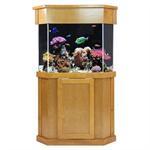
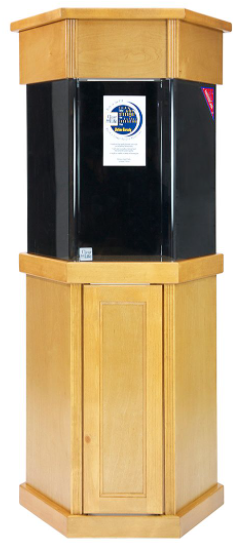
- Corner and hexagon tanks can turn an unused corner into a feature
- Long, low tanks sit nicely under a TV or along a wall without blocking windows
Light and glare are big ones, especially as days get shorter and we rely more on indoor lighting. Curved or very tall shapes can pick up extra reflections from windows and lamps. Rectangular tanks, with their straight lines, are often easier to place so you get a clear, calm view at night instead of a mirror of the room.
Maintenance is another key piece. Dramatic tanks that are very tall or very deep look great, but they often need step stools, longer tools, and good access around them.
Before choosing a shape, think about:
- Space behind or beside the tank for plumbing and cables
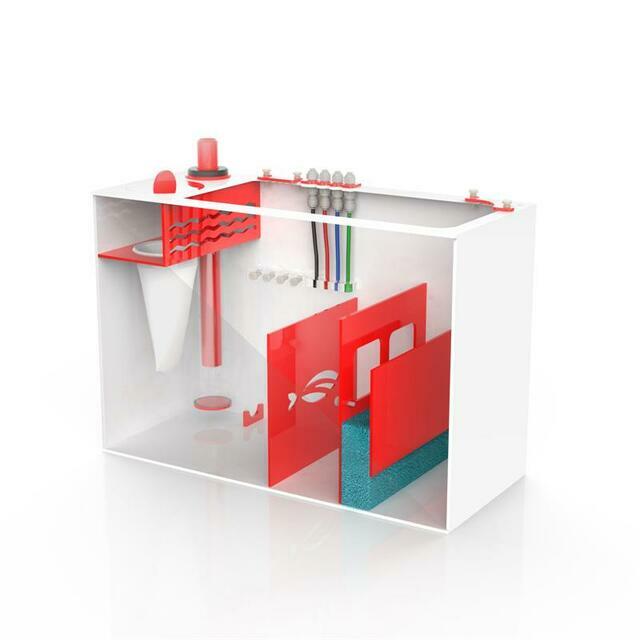
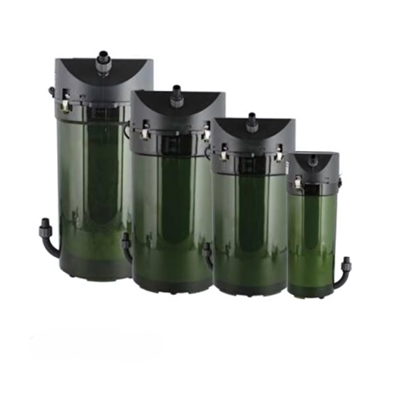
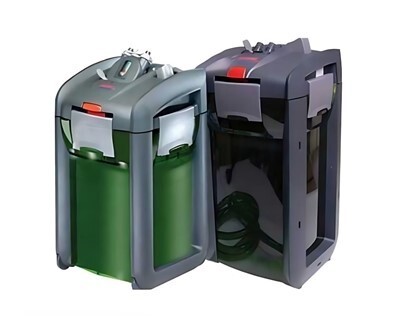
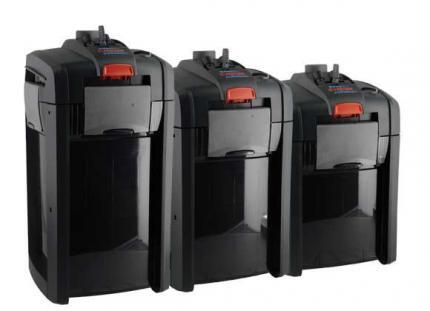
- Access for sumps or filters if you are using them
- How you will clean the glass and reach the bottom safely
Style matters too. Long, low tanks pair nicely with modern media consoles or low cabinets. Taller tanks often feel right in entryways, near stairs, or in dining rooms where people stand and gather.
Fun fact: a well-placed aquarium in a waiting area can make the wait feel shorter and help people feel calmer.
When to Go Custom with Acrylic Tanks
Sometimes standard sizes just cannot match the idea you have in your head. That is where acrylic really shines. Acrylic tanks are lighter than glass, more impact resistant, and can be formed into unique curves and large, clear panels. This makes them great for big or unusual shapes that would be hard or impossible in glass.
Custom acrylic is worth thinking about when:
- Your room has tricky dimensions or built-in shelves
- You want a very long, very wide, or very tall showpiece
- You need an in-wall or room-divider tank that fits a specific opening
- You want a tank that lines up with custom cabinetry or furniture
Custom does not have to mean giant public-aquarium size. Medium home tanks can be built to fit that one perfect wall or corner, even if standard sizes would leave awkward gaps.
With custom acrylic, it helps to have guidance on things like:
- Panel thickness and bracing for safety and clarity
- Overflow and plumbing placement
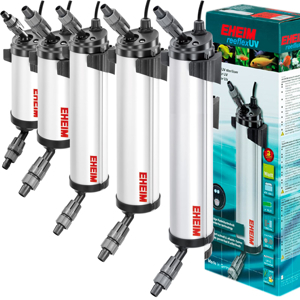
- Filtration gear that matches your chosen shape and stocking plan
Acrylic also stays clear when cared for well, which is great for reef systems and high-detail planted tanks where every little polyp or leaf matters. Fun fact: some of the largest aquarium windows in the world use thick acrylic panels bonded together, because glass that size would be far too heavy.
Frequently Asked Questions About Tank Shape and Planning
How Do I Choose the Best Shape for My First Aquarium?
Start with the spot where the tank will live, how you will view it most often, and how much time you want to spend on care. For most beginners, a standard rectangular tank is the easiest to set up, the most forgiving for water stability, and the most flexible for gear and fish choices.
Are Round or Bowl-Shaped Fish Tanks a Good Idea?
Traditional fish bowls and very small round tanks are usually not a good choice. They often have too little water volume, poor surface area, and limited room for proper filtration. A small rectangular or bow-front tank with a real filter is a much healthier option.
Does Tank Height Matter as Much as Length and Width?
Height does matter, especially for certain species, but length and width are usually more important. Longer and wider tanks give more horizontal swimming space and better surface area for gas exchange. Very tall, narrow tanks can be harder to light and clean, so they are best for specific setups and experienced keepers.
Is Acrylic Better Than Glass for Unusual Tank Shapes?
For non-standard or large shapes, acrylic is often the better pick. It is lighter, more impact resistant, and can be formed into curves and custom panels more easily than glass. Glass still works very well for many standard rectangular tanks, but acrylic opens the door to more creative designs.
When Should I Consider a Custom-Built Aquarium?
Think about custom when your space has unique dimensions, you want a special showpiece like a room divider or in-wall tank, or standard sizes do not match your design plan. A well-planned custom acrylic tank can be tailored to your room, your equipment setup, and the fish or corals you hope to keep.
Transform Your Space With a Custom Aquarium Today
Ready to bring your aquatic vision to life with Fish Tanks Direct? Explore our custom fish tanks to find the perfect fit for your home or business, tailored to your space and style. Our specialists are here to guide you through design, equipment, and installation so your system runs smoothly from day one. Have questions or need a personalized quote? Simply contact us and we will help you get started.