
















Silent Aquarium Pumps for Living Rooms: Internal vs. External, Plumbing,
Fish Tanks Direct on May 10th 2026
A quiet living room tank is not an impossible dream. With the right pump setup, smart plumbing, and a little planning around vibration and airflow, your aquarium can be the calm centerpiece of the room instead of a constant background hum.
In this guide, we will walk through how aquarium pumps, plumbing layouts, mounting tricks, and cabinet soundproofing all work together. We will keep things simple and practical so you can enjoy movie nights, late study sessions, and family time without noisy distractions from the tank.
Turn Your Living Room Aquarium Into a Quiet Retreat
Many people set up beautiful tanks, then later find that the loudest thing in the room is the filter and pump. The view is relaxing, but the buzz from the stand, the splashing in the sump, and the humming motor can ruin the mood fast.
A lot of that sound starts at the pump. The type of pump you choose, the way your plumbing is laid out, and how you mount everything all decide how much noise ends up in your living room. Even the way you build and line your cabinet can make a big difference.
At Fish Tanks Direct, we focus on aquariums and gear that work well for display spaces, including living rooms. Quiet-ready equipment, custom acrylic aquariums, and complete systems make it easier to plan for low noise right from the start, instead of trying to fix problems later.
Fun fact for your inner reef nerd: many coral tanks in waiting rooms and calm public spaces are built to be whisper-quiet, using the same tricks you will read about here.
Choosing Between Internal and External Pump Systems
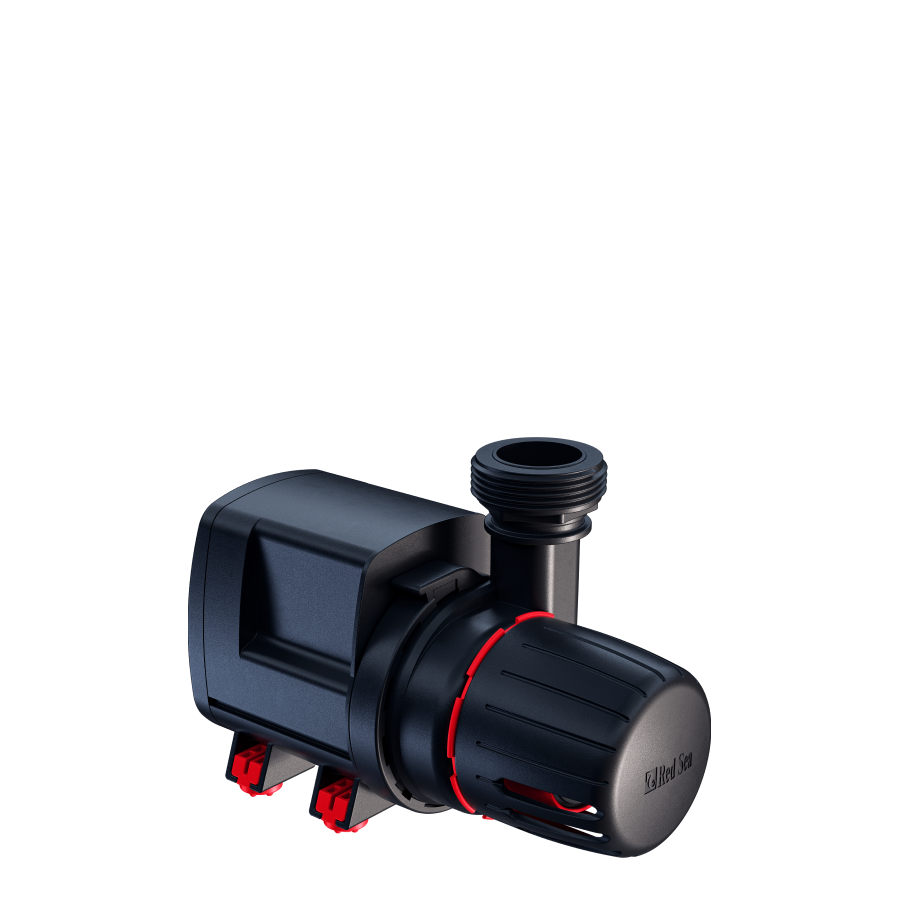
The first big choice is what kind of pump system you want. Internal (submersible) pumps sit in the water, usually in a sump or back chamber. External pumps sit outside the tank and move water through plumbing.
Internal pumps can be very quiet at a distance, because the water helps block the motor sound. That makes them a strong choice for living room displays in the 40 to 180 gallon range. The catch is that they add heat to the water and can hum if they touch the glass or acrylic, so careful placement matters.
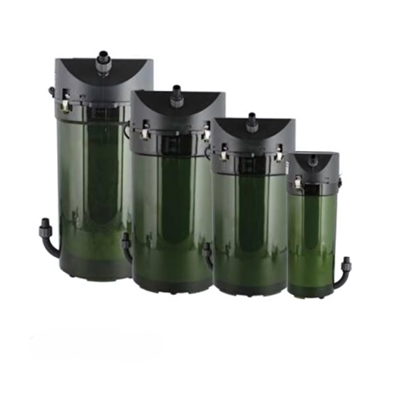
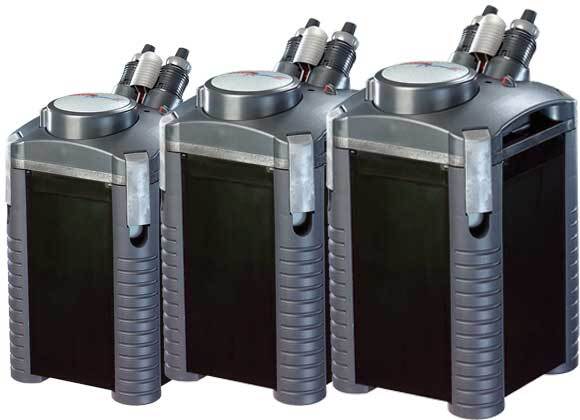
External pumps sit dry, which means less heat going into the tank. As the weather warms up in late spring and early summer, that can help keep temperatures steadier. They are often easier to reach for cleaning and can work well on larger tanks, but if they are bolted straight to wood or metal, they can send vibration into the stand and even into the floor.
When you pick between these two, think about:
- Head height, or how far and how high your pump must push water
- Flow needs for your setup, such as reef tanks that like higher turnover vs planted freshwater tanks that may need gentler flow
- Space in your stand or cabinet and how you want to route plumbing
You will find a wide range of aquarium pumps that fit common living room footprints, and it is worth matching the pump to both your tank style and your noise comfort level.
Quiet Plumbing Layouts Using Soft Tubing or Hard PVC
Even with a quiet pump, loud plumbing can spoil the effect. Water rushing through narrow pipes, falling into the sump, or splashing at the returns can add up quickly.
Soft vinyl or silicone tubing helps soak up vibration. It is flexible, so it does not pull as hard on the pump, and it can cut down on humming sounds. Hard PVC gives you clean, organized layouts with neat turns, valves, and unions, and can work well for drain and return lines. On its own, though, rigid PVC can carry vibration like a bell if you do not break it up.
A simple, quiet layout often uses both:
- A short soft-tubing section from the pump to the hard plumbing, to make a flexible break
- A full-siphon or Herbie-style drain, tuned so air is limited and gurgling is reduced
- Larger-diameter plumbing than the pump outlet, to slow the water and soften the sound
Flexible runs are common in commercial fish rooms for a reason. Without them, walls and stands can turn into big soundboards, making a small pump sound much louder than it really is.
Decoupling Pumps and Tanks to Stop Vibrations
Pump vibration does not have to be strong to be annoying. If that small vibration passes straight into a long cabinet panel, a glass wall, or a hardwood floor, it can turn into a buzzing sound you hear across the room. Decoupling is how we stop that.
Decoupling means putting soft, non-rigid layers between the pump and anything that might act like a speaker. For external pumps, that might look like:
- Rubber isolation feet or dense foam pads under the pump
- Soft tubing service loops so the plumbing is not pulling the pump tight in one spot
- Mounting the pump on a heavy board with padding under it, instead of directly on thin wood
For internal pumps, place them on silicone mats or good suction cups, and keep them away from tank walls so they are not rattling the glass or acrylic.
Anti-resonance tricks also help. Do not line a vibrating pump up with a long, loose stand panel. Add cross-bracing inside the cabinet or a thick board under the sump to change how the structure vibrates. When custom acrylic aquariums and stands are planned from the start, it is easier to build in solid mounting spots and clean routing for wires and tubing so everything runs quietly and stays easy to reach.
Soundproofing Cabinets While Keeping Gear Cool
Once the pump and plumbing are tamed, the cabinet itself becomes the last big sound path. The challenge is simple: you want less noise out of the doors and sides, but you still need fresh air so pumps, lights, and controllers do not overheat, especially when the weather heats up.
Inside the stand, sound-dampening materials can help a lot. Some good options include:
- Acoustic foam on the inside of dry cabinet panels
- Mass-loaded vinyl on doors or side walls to add weight and stop vibration
- Gaskets around doors and access panels to seal sound leaks
- Floor mats or pads under the sump and equipment to take the edge off vibration
For airflow, think more about paths than big open holes. Baffled vents, or maze-style air channels, let air move while blocking direct lines for sound to escape. A quiet fan near the top of the cabinet can pull warm air out while cooler air slips in low through a baffled intake.
Hot items like power bricks or large controllers can sometimes be mounted in a side bay or on an outside panel. That takes extra heat out of the main sump space and lets your airflow do more with less noise. Planning plumbing, soundproofing, and ventilation all together from the beginning keeps you from having to redo things later because of extra noise.
Fun fact: high-end home theaters use very similar baffled vents to hide projectors and amplifiers while keeping the room almost silent.
Build Your Silent Showpiece with Smart Gear Choices
A truly quiet living room display comes from layering small wins, not from a single magic fix. The right style of aquarium pumps, a plumbing plan that slows and smooths water flow, smart decoupling, and a cabinet that blocks sound while still breathing all work together.
The best way to start is by simply listening to your current system. Is the loudest sound the pump hum, the cabinet rattle, or the splash in the sump? Tackle the easiest items first, like adding a soft tubing section, slipping rubber feet under a pump, or adjusting a return nozzle that is breaking the surface too hard.
At Fish Tanks Direct, we care about tanks that are both beautiful and practical for everyday living spaces. From quiet-focused pumps to custom acrylic displays and the fittings that tie them together, there are many ways to set yourself up for a calm, low-noise living room centerpiece. For more fun facts and simple ideas like these, it always pays to keep learning new ways to make your aquarium both stunning and peaceful.
Keep Your Aquarium Flowing Smoothly With The Right Equipment
If you are ready to upgrade your system, we can help you choose the ideal aquarium pumps for your tank size, livestock, and budget. At Fish Tanks Direct, our team focuses on equipment that delivers reliable performance and long-term value. Whether you know exactly what you need or want guidance before you buy, we are here to support your setup. For personalized recommendations or help troubleshooting your current pump, contact us today.