






Stock-First Aquarium Planning: Species List and Compatibility Before Buying Gear
Fish Tanks Direct on Aug 5th 2026
Bringing home new fish is exciting, but the real success starts long before water ever touches glass. The smartest aquariums are planned around the fish first, not the aquarium equipment. When we start with the species we want, then match the tank, filter, and layout to those needs, we get healthier fish, fewer headaches, and a setup that actually lasts.
We see it all the time. One new aquarist fills a cart with random gear, then later tries to cram in fish that do not fit the system. Another person spends time planning a species list, then picks gear that supports those animals long term. The second tank almost always runs smoother, costs less in mistakes, and looks better too. Late summer is a perfect time to plan this way, so your new tank can be fully cycled and calm before the busy holiday season hits.
Start with Fish, Not Filters
Stock-first planning simply means this: we choose our species, their numbers, and how they behave before we buy tanks and gear. Instead of saying, “I have a 20 gallon, what can I shove in it?” we ask, “What kind of fish world do I want to build?” Then we size everything around that answer.
A fun fact: some nano fish are smaller than a paperclip, but they still defend tiny territories and need peaceful neighbors. Size alone does not tell us much about behavior, so guessing based on looks usually goes wrong.
When we plan stock first, we avoid:
- Tanks that are too small for adult fish
- Filters that cannot keep up with messy eaters
- Aggressive mix-ups that lead to stress and disease
Build Your Dream Stock List the Smart Way
Before we even look at a tank, we should pick our goal. A few common paths:
- Peaceful freshwater community
- Species-only display, like a single cichlid type
- Predator tank with one or two show fish
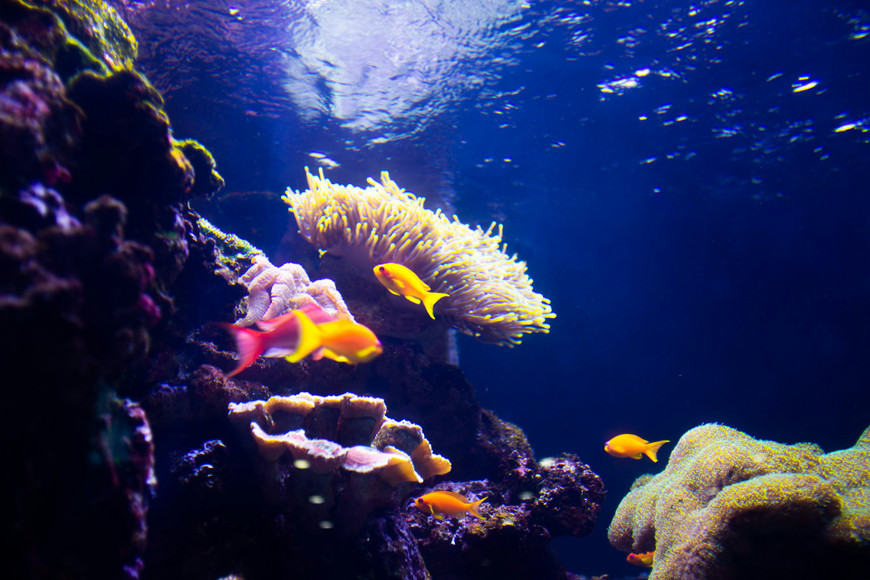
- Reef tank with fish, corals, and inverts
- Planted aquascape focused on plants and small fish
That vision shapes everything. A planted community with shrimp needs gentle, plant-safe fish. A predator tank needs large open space and serious filtration. Then we add realistic limits: how much space we have, how often we can do water changes, and whether we are choosing freshwater or saltwater.
Some “beginner” fish are actually poor choices at first. For example, fish that get much larger than they look as juveniles or ones that need very specific water. When we research species, we look at:
- Adult size, not just baby size at the store
- Whether they must be in groups, pairs, or alone
- Water needs like pH, hardness, and temperature
- Food type, such as algae grazers vs meat eaters
Another fun fact: many common schooling fish only feel safe and show natural group behavior when kept in groups of at least six to eight, not two or three.
Understanding Aggression, Territory, and Bioload
Not all aggression is the same. A few simple types help us plan:
- Territorial aggression: defending a cave, plant, or rock
- Social dominance: pecking order inside a group
- Breeding aggression: extra pushy when guarding eggs or fry
- Opportunistic predation: “if it fits in my mouth, I might eat it”
Cichlids are a classic example of territorial and breeding aggression. Tetras can be nippy in small groups but calmer in larger schools. Tank layout matters a lot here. Caves, driftwood, and plants break up sight lines so one bully cannot see every fish at once. In some semi-aggressive setups, slightly higher stocking in the right size tank can spread aggression out, but that only works when filtration and planning are strong.
Care sheets and compatibility charts are our friends. Red flags on these sheets include “fin nipper,” “best kept alone,” or “must be kept in groups.” These notes tell us:
- Which fish should not live with long fins
- Which species cannot share space with others
- Which ones get anxious or mean when kept in low numbers
Fun fact: some fish with a bad reputation act much better in large, well-structured tanks because they finally get enough territory.
Bioload is the other half of this story. Bioload is simply how much waste our fish and inverts produce, including ammonia, poop, and leftover food. It decides how big the tank needs to be, how strong the filter should run, and how often we clean.
We never rely on simple inch-per-gallon rule. Instead, we look at:
- Adult size and body shape
- Activity level, constant swimmers vs slow cruisers
- Diet, messy carnivores vs cleaner grazers
- Total number of animals
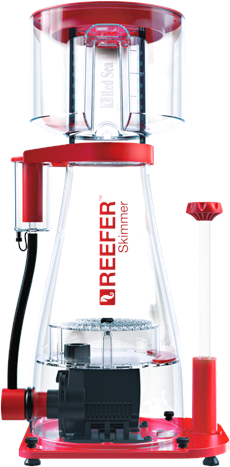
All of that links straight to aquarium equipment. Our planned bioload tells us what filter capacity to choose, how much flow we need, skimmer size in saltwater, and heater wattage. Even rocks and decorations matter, since some trap dirt and some stay cleaner. Fun fact: one large predator can sometimes out-poop a whole school of tiny nano fish, even though it is just a single animal.
From Species List to Tank, Gear, and Layout
Once we have a final stock list, we can turn it into a clear gear plan. We match:
- Tank size and shape to swimming style
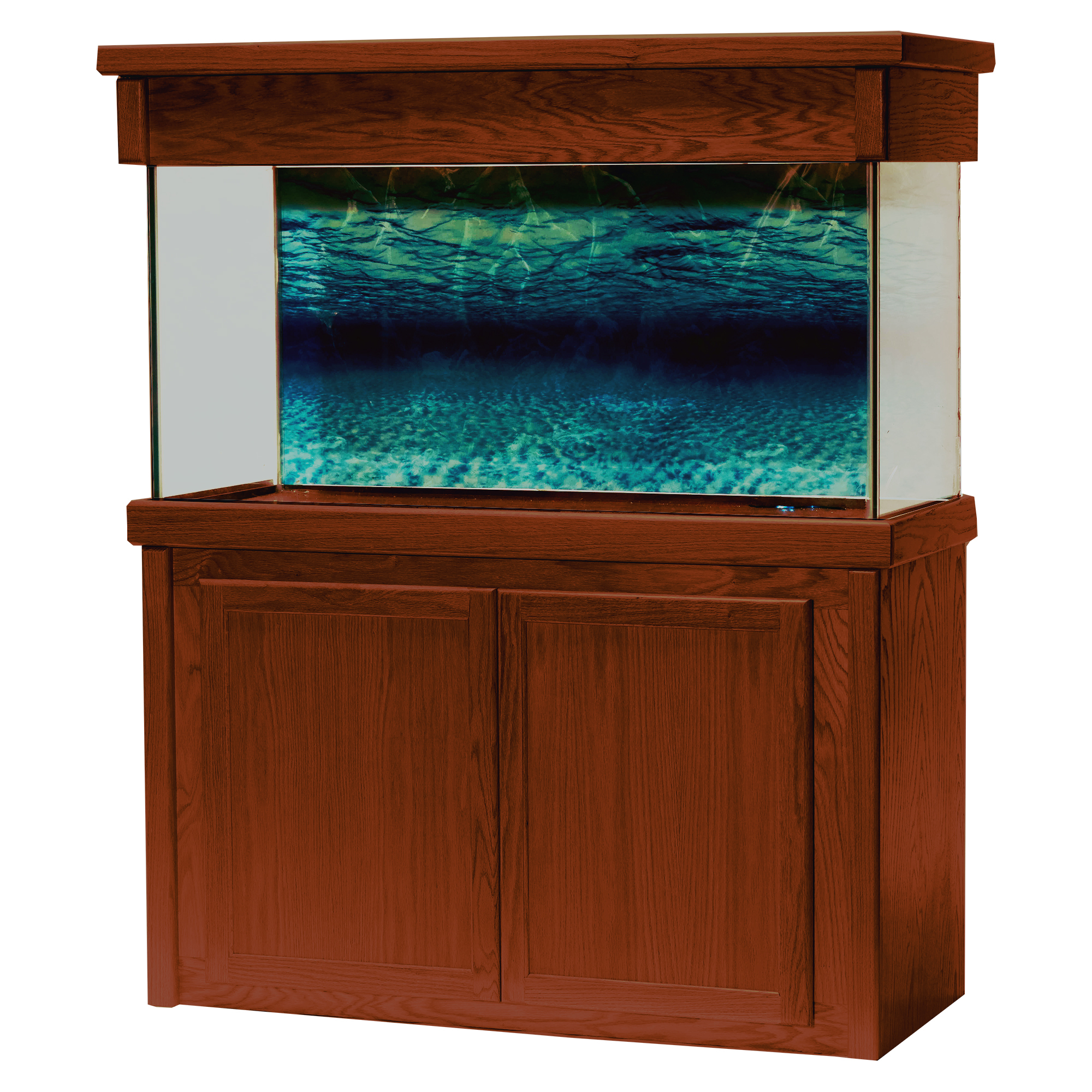
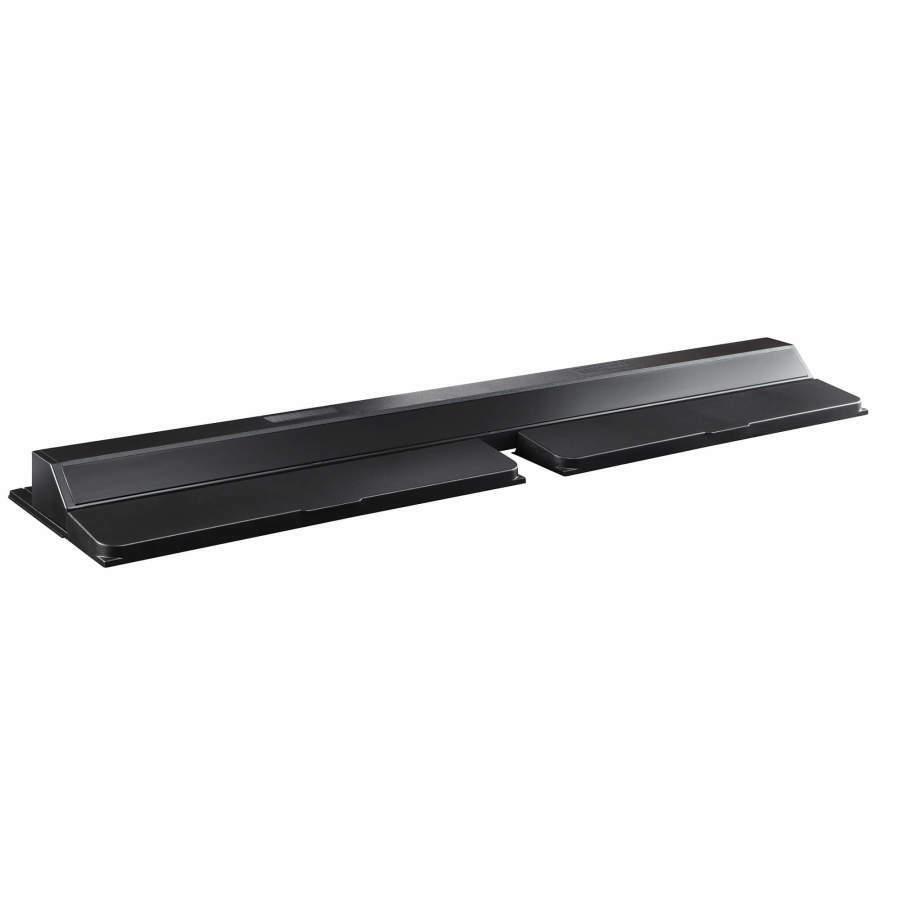
- Stand and canopy to that exact footprint
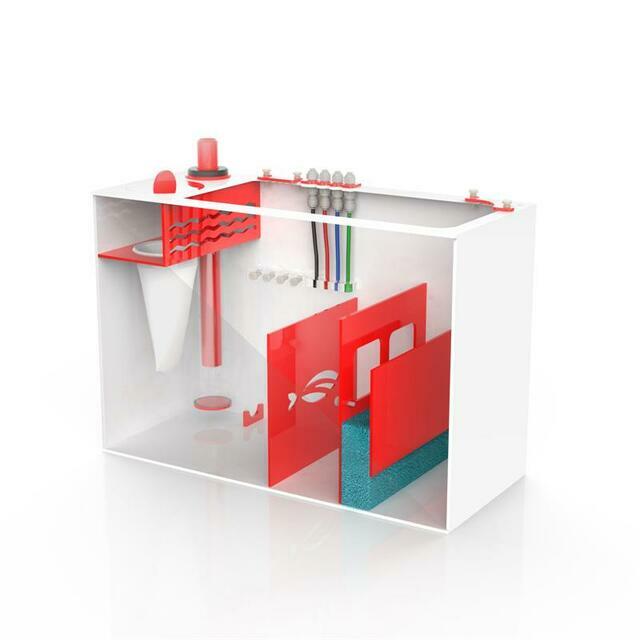
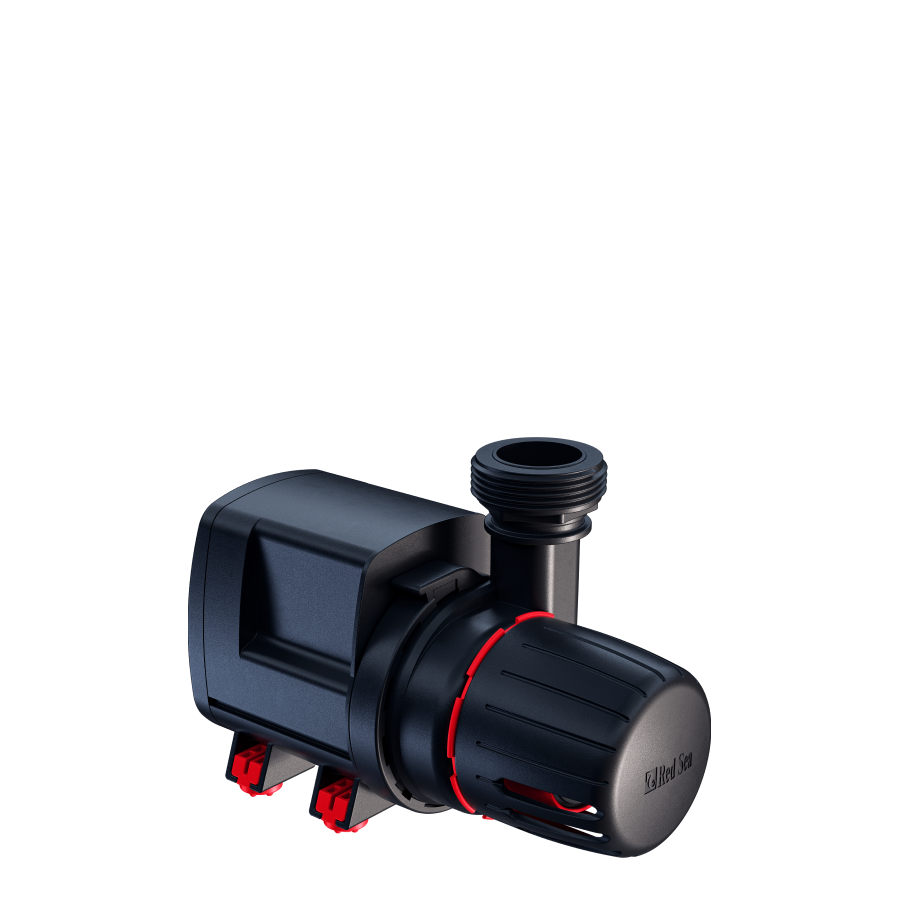
- Filtration and flow to the planned bioload
Length often matters more than height. Fast open-water swimmers like long tanks. Bottom dwellers want floor space and smooth substrate. Shy fish need thick plants or rockwork. Reef species may need shelves for corals and holes in rock for hiding.
The layout should follow behavior. For example:
- Open swimmers: wide, clear areas with strong, steady flow
- Bottom dwellers: caves, tunnels, and soft sand or fine gravel
- Shy fish: dense plants, wood, and dark hiding spots
- Reef setups: solid rock base with arches and coral zones
Then comes the build order. We usually set up the tank, stand, and core aquarium equipment first, then add rocks, wood, and substrate, then plants or corals. We cycle the tank fully before any fish. When adding fish, we go slow and choose the order on purpose, usually peaceful and hardy fish first and bossier species later.
Fun fact: many fish show better color and more natural behavior when the tank matches their home habitat, even down to substrate color and water flow direction.
Seasonal Planning and FAQ
Starting in August means thinking ahead. As weather cools, room temperatures drop, so we plan heater size and backups now. Stable heat matters for immune systems, especially in both tropical freshwater and saltwater tanks.
We also plan for the future. Many fish live for years and keep growing. When we stock for adult size, not baby size, we avoid surprise upgrades and last-minute rehoming. A slow stocking schedule over several weeks lets our bacteria catch up with rising bioload and gives us time to quarantine new arrivals.
Fun fact: some common aquarium fish can share our homes for more than a decade when we give them a stable, well-planned tank. That turns the aquarium into a long-term part of the household, not just a quick project.
How Many Fish Can I Keep in My New Tank?
It depends on the adult size, activity level, and waste load of each species, along with your filtration and cleaning routine, so plan your fish list first, then choose a tank and filter that can handle that exact bioload.
Can I Mix Aggressive and Peaceful Fish Together?
Sometimes, if you have enough space, hiding places, and species that stay in different areas of the tank, but the safety of peaceful fish always comes first.
Should I Buy Aquarium Equipment Before I Pick Fish?
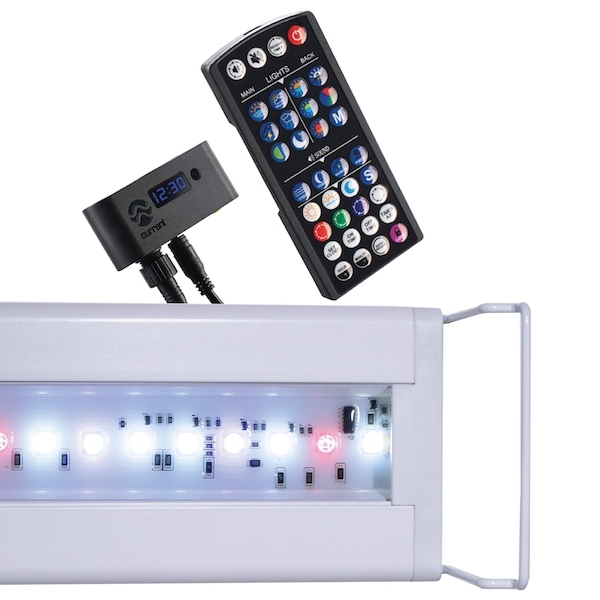
It is better to choose your fish and projected bioload first so you can match tank size, filtration, lighting, and heating to what those animals really need.
What If the Fish I Want Need Different Water Parameters?
Pick one main type of water to copy, such as soft and warm or harder and cooler, then stick to species that share those needs so no group is constantly stressed.
Do I Have to Add All of My Fish at the Same Time?
No, and it is safer not to, so add them slowly, starting with hardy, peaceful species, while testing water to be sure your system keeps up with the growing bioload.
Get Started With Your Aquarium Upgrade Today
Explore our curated selection of aquarium equipment to give your tank the reliable performance and clean aesthetic it deserves. At Fish Tanks Direct, we help match your goals with the right filters, lighting, and accessories so your aquatic life can thrive. If you need guidance choosing the best setup for your space or experience level, reach out through our contact page and we will walk you through every step.