


















Mistakes to Avoid When Buying Saltwater Aquariums Online
Fish Tanks Firect on Sep 2nd 2026
Skip Regrets: Start Your Saltwater Tank the Smart Way
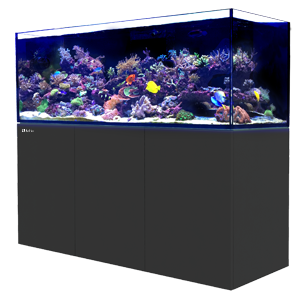
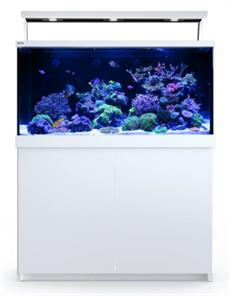
Starting a saltwater aquarium at home feels exciting. We picture bright fish, gentle water flow, and a calm glow in the room. Ordering saltwater aquariums online makes it even easier, but it also opens the door to some painful mistakes. Leaky tanks, dead livestock, or a setup you outgrow in a few months can turn that fun project into a headache.
Fall is actually one of the best times to start. Indoor temperatures are more stable, there is less heat from summer and less of a blast from winter, and we tend to spend more time at home as days get shorter. Planning now also helps you avoid holiday shipping delays and low stock on popular equipment and fish.
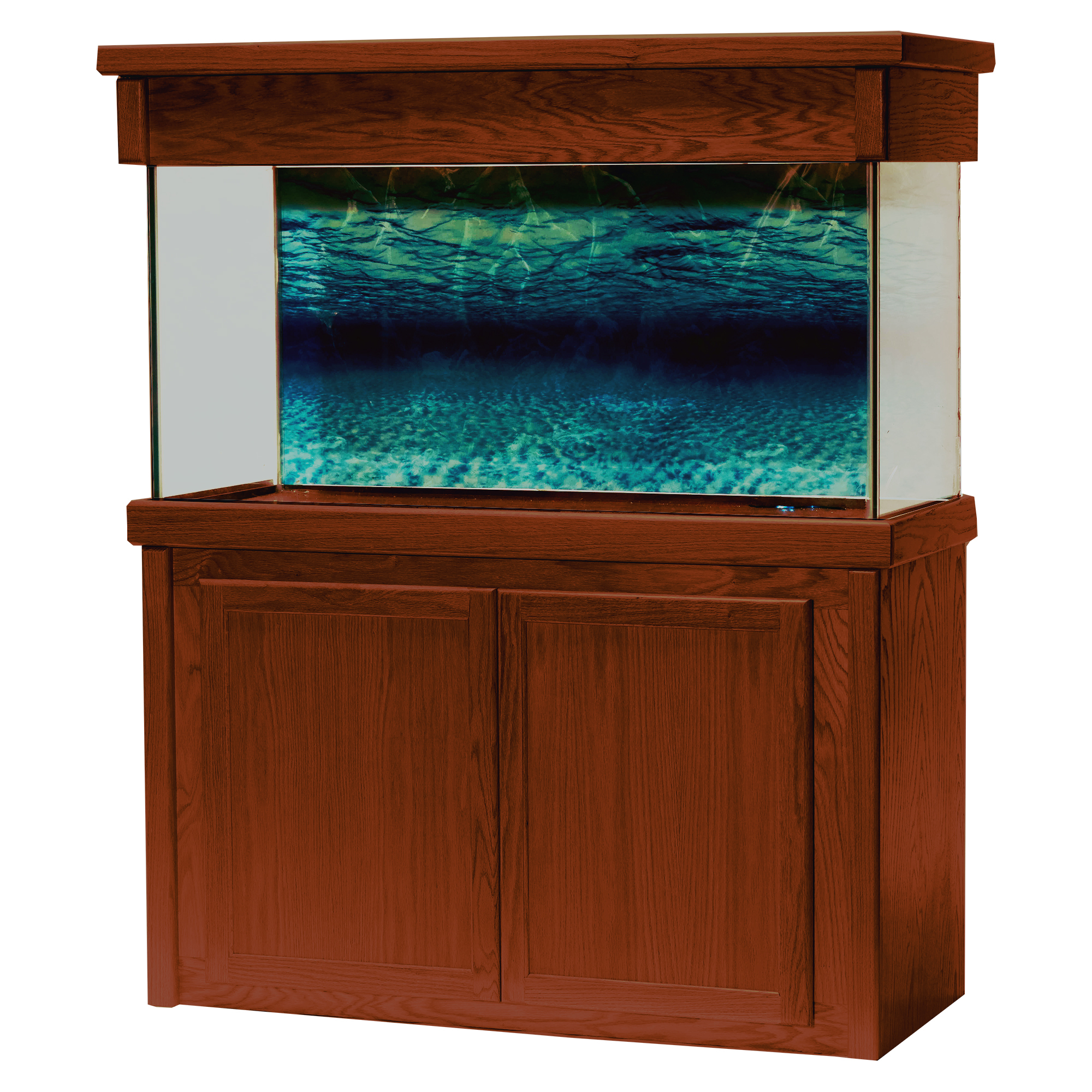
At Fish Tanks Direct, we focus on helping people build saltwater aquariums that last, from standard glass tanks to custom acrylic systems, stands, canopies, and the gear that ties it all together. Our goal here is to help you sidestep the most common online buying mistakes so you can enjoy your tank instead of fixing problems.
Fun fact: almost all clownfish sold for home aquariums today are captive bred, which makes them hardier and a more ethical choice for new hobbyists.
Planning Where Your Saltwater Aquarium Will Go
One of the easiest mistakes is clicking “buy” before you know exactly where the tank will sit. The spot you choose affects how your tank looks, how your fish feel, and how hard maintenance will be.
First, grab a tape measure and check:
- Length, from side to side
- Width, front to back
- Height, from floor to any shelves or windowsills
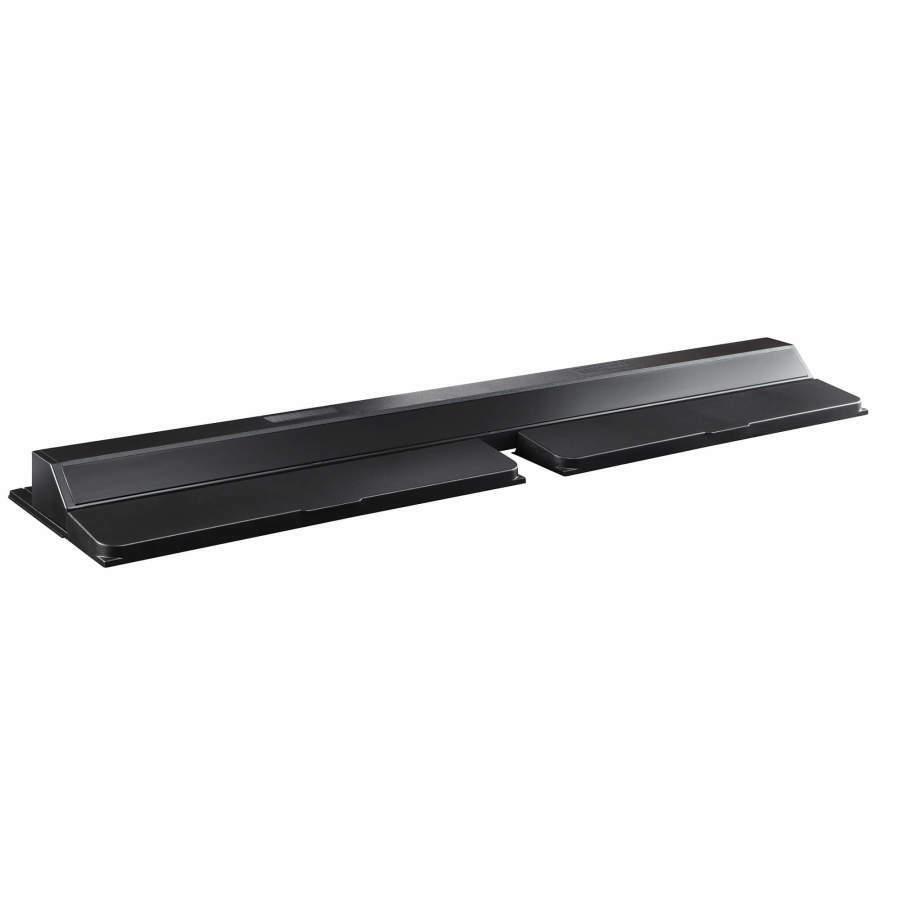
Think about how you view the tank. If it is too high, you are on your toes to see the fish. If it is too low, your back will complain every time you clean it. You also need room above the tank for your hands, tools, and light mounting, especially if you use a canopy.
Weight matters too. A full saltwater aquarium with sand, rock, and gear can weigh around 10 to 12 pounds per gallon. That means a 100-gallon setup can easily pass 1,000 pounds. For bigger systems or upper floors, it is smart to talk with a building professional about support.
Try to avoid:
- Direct sun from windows, which can heat the water and feed algae
- Heating or AC vents that blast hot or cold air
- Tight hallways or doorways that create constant traffic and stress the fish
Fun fact: aquariums can slightly raise the humidity in a room. Some people find that helps with dry winter air, but it is also one more reason to plan placement with care.
Picking the Right Tank Size and Gear
A tiny saltwater tank can look simple and cheap at first glance, but small volumes are less stable. In a nano tank, things like leftover food or one missed top-off can swing water chemistry fast. That can be rough on new hobbyists and on fish.
Most beginners do well in a mid-range size like:
- Around 40 to 75 gallons, a nice balance of space and maintenance
- Over 100 gallons, more room and stability, but larger and heavier and more gear
The shape of the tank can matter as much as the gallons. Long tanks give active swimmers more room to move. Wider tanks make it easier to stack rock safely and leave open sand. Tall, narrow tanks can look cool but are harder to reach into and offer less surface area. Fun fact: two aquariums with the same gallons can feel very different if one is long and shallow and the other is tall and skinny.
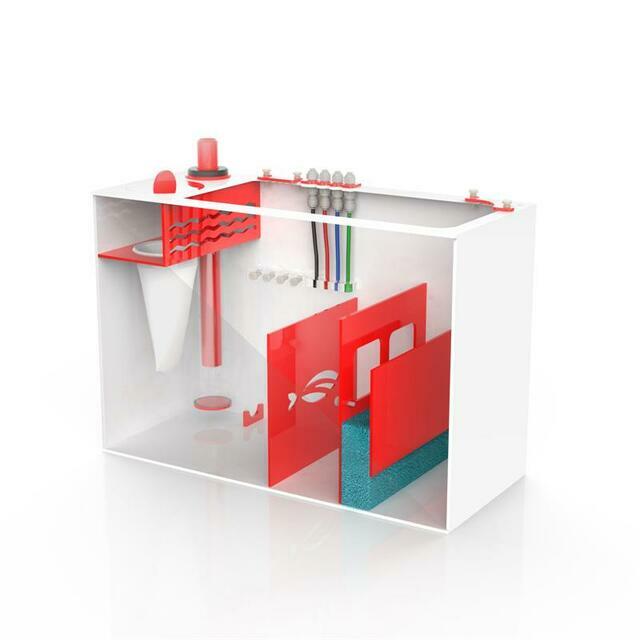
Along with size, do not forget the system behind the glass or acrylic box. Every saltwater setup needs:
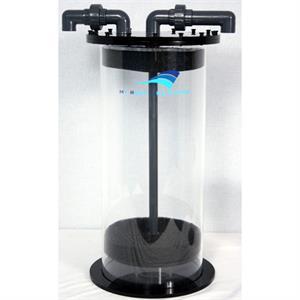
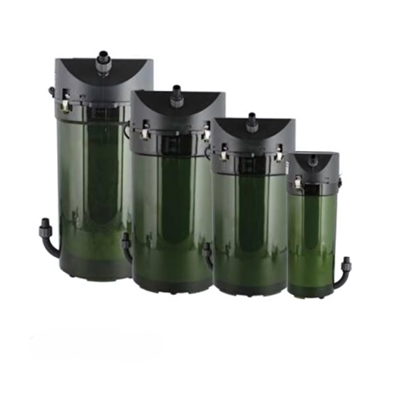
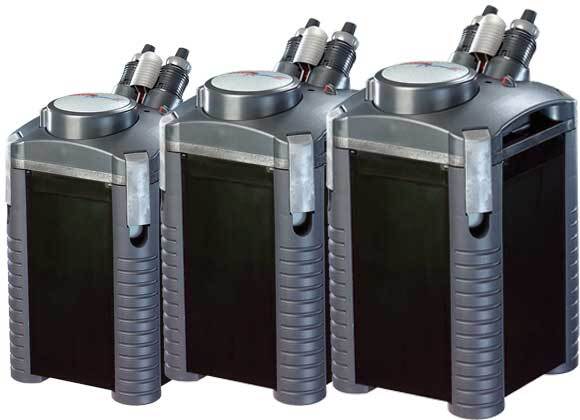
- Filtration, like a sump or canister filter
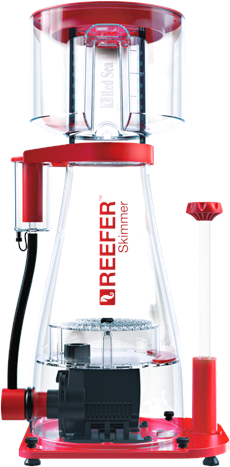
- A good protein skimmer for removing waste
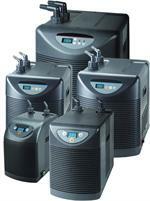
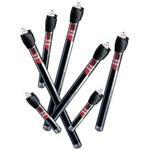
- A reliable heater sized for the tank
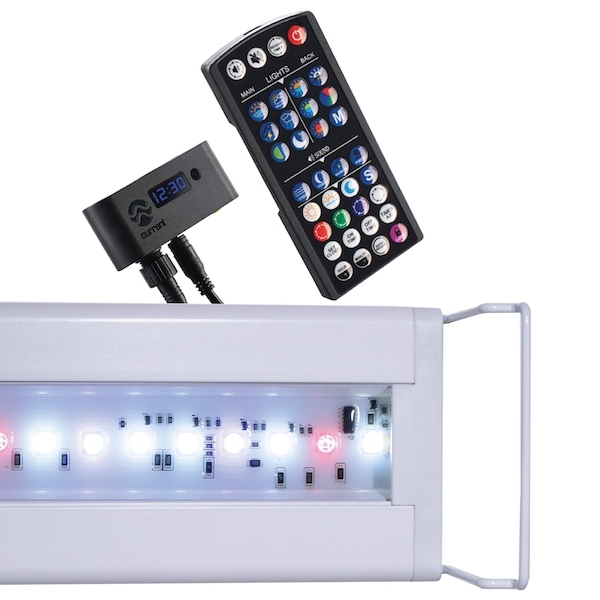
- Adequate lighting, stronger if you plan to keep corals
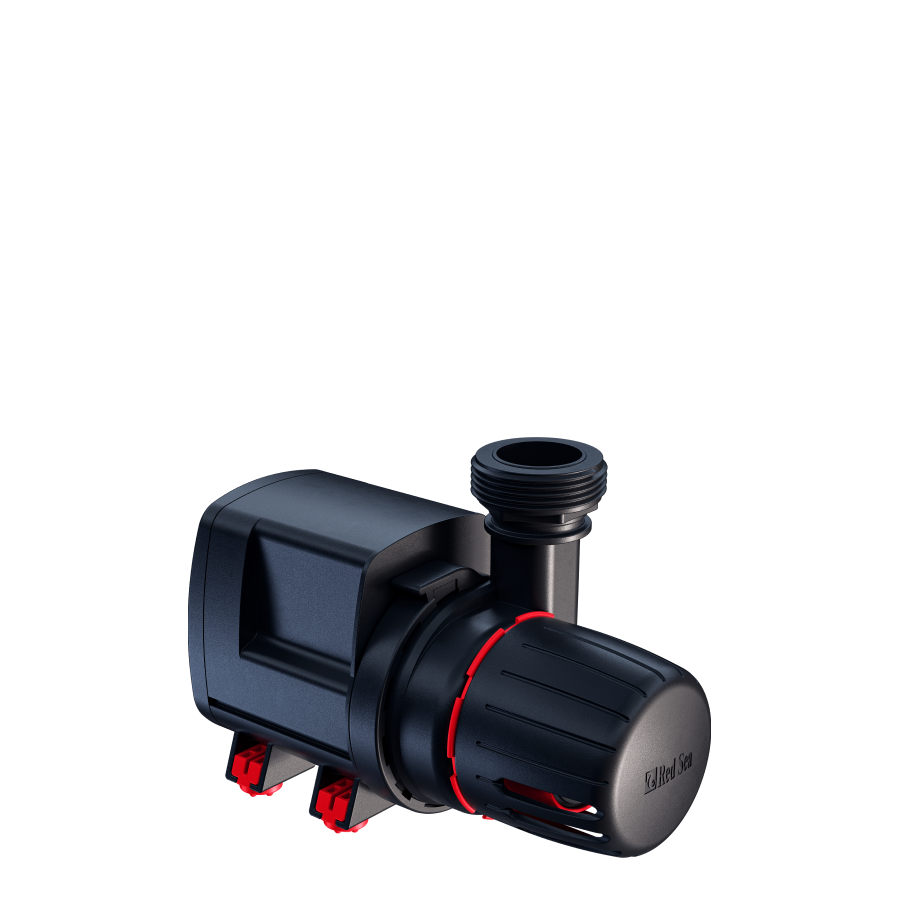
Many “all-in-one” bargain kits use lights and filters that are fine for freshwater but not for saltwater or coral growth. That can lead to cloudy water, algae issues, and unhappy livestock. It helps to think in full systems: tank, stand, sump, return pump, powerheads for circulation, and an auto top-off to keep salinity steady. Protein skimmers are especially helpful; they use tiny air bubbles to grab dissolved organics before they break down, similar to how waves foam at the beach.
Budget, Shipping, Timing, and Livestock Choices
Saltwater aquariums are long-term projects. A smooth build starts with a clear picture of what you need. Key categories include:
- Tank and stand
- Filtration, skimmer, heater, and lighting
- Rock, sand, salt mix, and test kits
- Livestock, plus food and supplements
- Ongoing costs like replacement media and electricity
When buying tanks and custom acrylic systems online, shipping is different from small parcels. Large aquariums usually ship by freight and may be curbside delivery. It is important to be home, inspect the crate or boxes, and take clear photos of any damage before signing. Keeping all packaging and paperwork makes it easier to work with the retailer and carrier if something is wrong.
Seasonal timing helps here too. Ordering in early fall gives you a calm window to:
- Leak test the tank and plumbing
- Aquascape with rock and sand
- Start the nitrogen cycle and let bacteria grow
Most tanks need several weeks before they are ready for fish. During that period, the water often goes through an “ugly phase” with brown diatoms and algae patches. That is normal biology, not always a sign of failure.
When it is time to add life, slow and steady is the rule. Impulse buying a bunch of fish and corals to “fill” the tank can cause fights, stress, and disease. Before you order livestock, plan a stocking list that matches:
- Your tank size and shape
- Your aquascape and open swimming space
- Your lighting and flow, especially for coral species
Pay attention to minimum tank sizes, temperament, and whether a fish is safe with corals or inverts. When possible, quarantine new arrivals in a separate tank before adding them to the display.
Fun fact: some popular wrasses sleep in the sand, and some reef fish make a thin mucus cocoon at night, so your sand bed and rockwork are part of their bedtime routine.
Simple Steps for a Stress-Free Online Aquarium Purchase
Before you click buy, run through a quick checklist:
- Exact measurements and a safe spot with proper floor support
- A tank size and shape that fit your space and schedule
- A basic equipment plan for filtration, heat, and light
- A draft stocking plan for fish and corals that fit your setup
Many public aquariums work on the same basic ideas as home systems, just with much larger skimmers, sumps, and pumps. The same careful planning that keeps those big displays stable will help your living room tank stay clear and calm.
Frequently Asked Questions About Buying Saltwater Aquariums Online
Are Larger Saltwater Aquariums Always Better for Beginners?
Not always. Mid-sized tanks around 40 to 75 gallons usually balance stability, space, and upkeep, while very small tanks can be harder to keep stable and very large tanks add more equipment and work.
Can I Use Any Aquarium for Saltwater, or Do I Need a Special Tank?
Many glass and acrylic tanks can be used for saltwater as long as they are well built and sealed, but saltwater setups often benefit from drilled overflows and plumbing that connect to a sump and extra gear.
How Long Should I Wait Before Adding Fish to a New Saltwater Aquarium?
Most new tanks need at least several weeks to cycle. You should wait until ammonia and nitrite read zero on test kits and nitrate is kept under control with water changes.
Is It Safe to Have a Saltwater Aquarium on an Upper Floor?
It can be, depending on tank size and building structure. Since a full aquarium can weigh more than 10 pounds per gallon, it is wise to check with a qualified professional if you are unsure.
What If Something Arrives Damaged When I Order a Tank Online?
Inspect everything at delivery, take clear photos of any damage, keep the packaging, and contact the retailer as soon as possible so they can work with the shipper on repair or replacement options.
Transform Your Space With a Custom Saltwater Aquarium Setup
Ready to turn your vision into a thriving underwater display? At Fish Tanks Direct, we help you choose and customize complete saltwater aquariums that fit your space, budget, and experience level. Our team can walk you through equipment, livestock planning, and long-term maintenance so your system stays healthy and beautiful. Have specific questions or a unique project in mind? Just contact us and we will help you get started.