















Mastering Aquarium Pumps for Long Tanks and Unusual Shapes
Fish Tanks Direct on Oct 28th 2026
Get Even Flow in Every Corner of Your Tank
Long tanks and odd shapes look amazing, but they can be tricky. One end looks clean and lively, while the far side collects debris, stale water, and lazy fish that just hang there. That uneven flow is not only ugly; it can slowly hurt the health of the whole system.
Good water movement keeps oxygen levels up, moves waste to your filters, spreads heat and nutrients, and helps plants and corals stay strong. With the right aquarium pump setup, we can turn those “dead zones” into active, healthy parts of the tank. This matters even more as fall brings cooler nights and closed windows, because fresh air and steady temperatures are harder to keep.
A fun fact for flow nerds: in the ocean, many reef fish use changing currents as feeding signals. When we build natural, shifting flow at home, we are speaking their language.
Why Long and Odd-Shaped Aquariums Need Smarter Flow
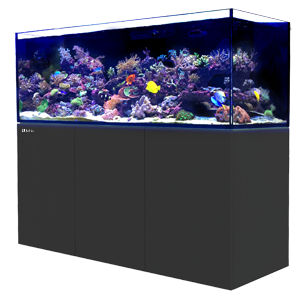
Standard rectangular tanks are pretty forgiving. Long tanks and strange shapes are not. When you stretch a tank out to 4, 6, or 8 feet, or bend it into an L, bowfront, peninsula, or cylinder, water does not move in a simple straight line anymore.
Here is what starts to happen in these layouts:
- One side gets strong current, the other side gets almost none
- Detritus piles up in corners, under ledges, and behind rocks
- Some areas run cooler or warmer than others
- Fish and inverts avoid certain zones because the water feels “stale”
Length adds resistance. The farther you get from the filter return or overflow, the easier it is for flow to slow down. Add rockwork, driftwood, tall plants, and decorations, and you create pockets where water curls around and just sits there. Fish often pick calm spots to rest, which is fine, but we do not want those spots to turn into waste traps.
Seasonal changes matter too. In fall and early winter, we close windows, run heaters, and the room air can become more still. Less fresh air means oxygen exchange at the surface matters more, and that depends heavily on surface movement and circulation.
Fun fact: cylindrical tanks often form a “race track” current where fish naturally school and swim laps. It can be great exercise for active species when the flow is set up right.
Choosing the Right Aquarium Pump for Your Layout
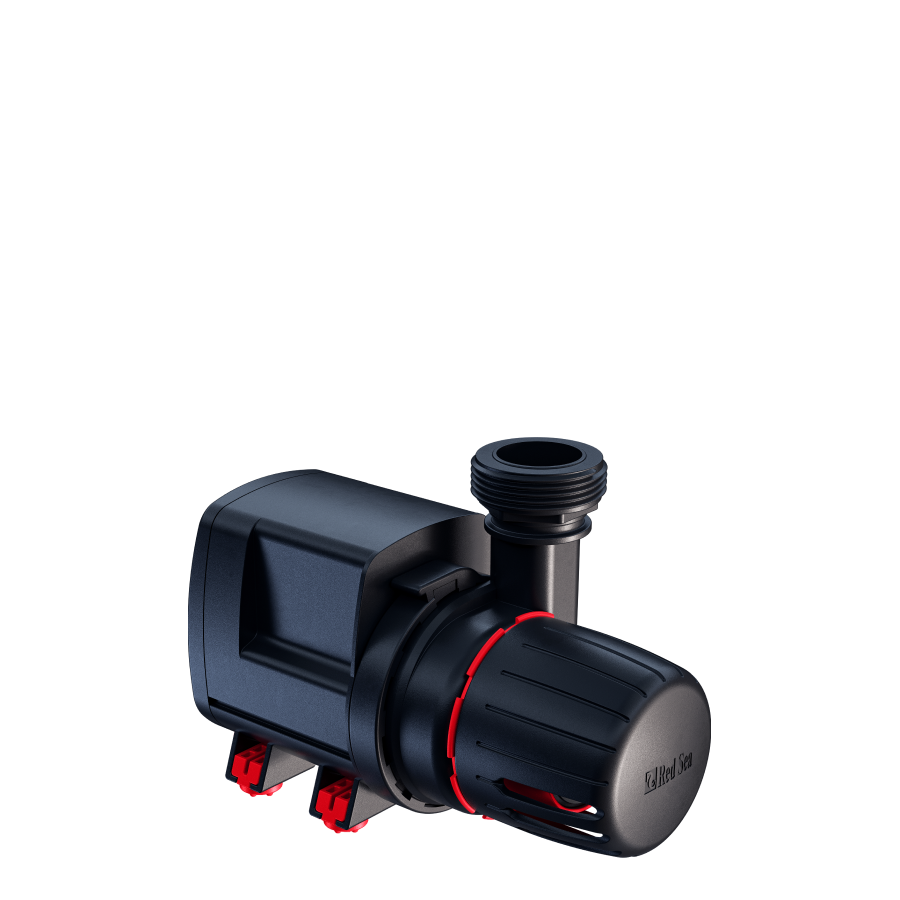
Before we talk placement, we need the right tools. An aquarium pump is simply a device that moves water where we want it to go. Different pumps play different roles.
The main types you will see are:
- Return pumps, which move water from the sump back into the display tank
- Powerheads and wavemakers, which sit in the tank and push water around for circulation
- Utility pumps, handy for water changes or running media reactors
For long or odd-shaped tanks, we think about total turnover first. Freshwater tanks usually like gentle to moderate flow, while reef tanks and high-oxygen setups need stronger, more varied current. Then we look at:
- Head height, how high the pump must push water
- Distance and plumbing, long runs, elbows, and narrow pipes steal flow
- Planned livestock, slow fish need calmer areas, corals and river fish want more energy
DC controllable pumps are very popular in larger and longer systems. They are usually quieter, more efficient, and let you fine-tune speed. You can ramp them down at feeding time or set patterns for wavemakers. AC pumps are simple workhorses that run at a fixed speed, which can be fine for many freshwater setups.
Placement examples for tricky shapes:
- Peninsula tanks, run flow along the length, then loop it back so water travels the full run and returns toward the overflow
- Bowfronts, angle pumps so the flow follows the curve, not as a harsh blast straight across the glass
- Room dividers, keep equipment as hidden as possible, often on the short ends, and use flow that sweeps along the viewing panels without creating a “wall” of bubbles
Fun fact: a properly sized aquarium pump often uses less power than a standard light bulb but can move your entire tank volume multiple times every hour.
Strategic Pump Placement to Eliminate Dead Zones
Once you have your pumps, the real art is in where and how you point them. We like to “read” the tank’s flow instead of guessing.
Easy ways to see what your water is doing:
- Drop a pinch of fine food and watch the path
- Gently stir the sand surface and see where dust drifts
- Turn on an air stone briefly and track how bubbles travel
For long tanks, many people have better results with two or more smaller pumps instead of one giant one. You can place them:
- On opposite ends, both pointing toward the center, to meet and roll the flow
- Staggered along the back wall at different heights, to create a gentle gyre-style loop
- One high near the surface, one lower, so top and bottom layers both stay moving
Odd shapes can take some trial and error:
- L-shaped tanks, put pumps so they push water around the bend, not just into the corner
- Bowfronts, use directional nozzles or adjustable heads so you can “trace” the curve of the glass
- Tall or column tanks, place at least one pump low and one high to prevent warm water from sitting at the top and cooler water at the bottom
Common mistakes to avoid:
- Pointing pumps straight at the sand, which causes sandstorms and bare glass patches
- Blasting delicate plants or corals with nonstop direct flow
- Creating a loop where debris just circles and never reaches the filter intake
Timers and controllers can help a lot, especially for reef tanks and active river fish. Short pulses, alternating sides, and pauses around feeding time all make the tank feel more natural. Fun fact: sometimes turning a pump just a few degrees completely changes where junk collects on the bottom.
Seasonal Pump Maintenance to Keep Flow Strong
Flow slowly drops over time, and it often happens so gradually that we do not notice until we see cloudy water or breathless fish near the surface. A quick fall maintenance routine keeps things on track before winter.
A simple checklist:
- Unplug pumps and pull them out one at a time
- Check intakes for plant bits, snail shells, or algae mats
- Inspect hoses, unions, and fittings for salt creep or drips
- Spin the impeller with your finger to feel for stiffness or grit
For saltwater systems, a vinegar soak helps loosen calcium buildup on impellers and housings. A soft brush or toothbrush works well on most parts. For all tanks, reassemble carefully, make sure seals sit right, and always test for leaks before you walk away.
Clean, lubricated pumps usually run quieter and cooler, which is nice when the house is closed up and every hum stands out more. Keeping a backup aquarium pump on hand can also lower stress around holidays or trips. If a pump fails suddenly, you already have a plan.
Fun fact: many pumps feel “brand new” again after a deep clean, and flow often jumps back enough that you can clearly see the difference in surface movement.
Frequently Asked Questions About Aquarium Pumps
How Many Aquarium Pumps Do I Need for a Long Tank?
For most long tanks, using two or more smaller pumps gives better control than relying on one large pump. This lets you create overlapping currents, reach both ends of the tank, and fine-tune flow for your fish and aquascape.
Where Should I Place an Aquarium Pump in an Odd-Shaped Tank?
Start by placing pumps opposite your overflow or filter return so water travels in a loop instead of back and forth. In L-shaped, bowfront, or peninsula tanks, adjust angles so food and debris slowly move around corners and toward the filter, not into blind spots.
How Strong Should My Aquarium Pump Be for Freshwater vs. Saltwater?
Freshwater tanks usually do well with moderate total flow, while reef and high-oxygen setups often need much stronger, more active movement. Always remember that plumbing and decorations cut down real flow, so choose pumps with some extra power and then adjust the output.
How Often Should I Clean My Aquarium Pump?
Most setups run well with a pump cleaning every month or two. Tanks with heavy stocking, hard water, or salt buildup may need more frequent care to keep impellers spinning freely and flow rates steady.
Can I Turn Off My Aquarium Pumps at Night?
It is best to keep main return and circulation pumps running all the time to support oxygen, temperature, and filtration. Extra wavemakers used for daytime surge can sometimes be slowed or pulsed at night, but the tank should never sit with still water for long periods.
Give Your Aquarium Reliable, Efficient Water Flow
Choose the right aquarium pump to keep your tank healthy, quiet, and easy to maintain. At Fish Tanks Direct, we stock carefully selected pumps so you can match the right power, size, and features to your setup. If you have questions about which model is best for your aquarium, just contact us and we will help you compare options and get set up with confidence.