






Low-Maintenance Tank Blueprint by Type: Gear, Parameters, and Tasks
Fish Tanks Direct on Jul 22nd 2026
Set It and Forget It Aquariums You'll Actually Love
A low-maintenance tank is not a fantasy. With the right plan, you can have a beautiful aquarium that fits a busy life, not one that steals your weekends. The secret is in the design: hardy fish and corals, stable gear, and simple habits that keep trouble away.
In this guide, we will share three proven blueprints: a nano freshwater tank, a slow-growth planted tank, and a mixed reef. Each one comes with an equipment stack using the best aquarium equipment, target water parameters, and an easy weekly and monthly schedule. Since late July brings heat and vacations for a lot of us, we will also talk about heat resilience and vacation-proofing so your tank can cruise while you are gone. Fun fact: modern LED lights can mimic sunrise and sunset so smoothly that fish and corals relax more than they do under a basic on-off timer.
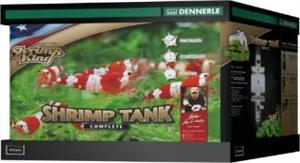
Nano Freshwater Tank That Practically Runs Itself
For a true low-maintenance nano, we like the 10 to 20 gallon range. It is still small and easy to place, but big enough that temperature and water quality do not swing too fast. Stock lightly with hardy fish such as small rasboras, livebearers, or a single betta with snails and shrimp as a cleanup crew.
Your simple nano stack can look like this:
- All-in-one nano or rimless tank
- Internal or hang-on-back filter with sponge and biomedia
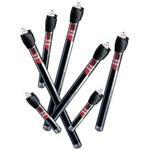
- Preset or digital heater
- Basic LED light on a timer
- Auto-feeder for trips or long weekends
Aim for a stable temperature around the mid to upper 70s Fahrenheit, with a pH somewhere in the neutral to slightly acidic range depending on your tap water. Use a good water conditioner and make changes slowly to avoid shocking your fish.
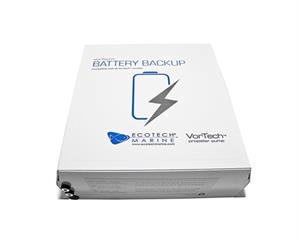
Weekly care can be a quick 15 minutes: wipe glass, siphon light debris, and change 20 to 30 percent of the water. Swap or rinse filter floss when it looks dirty. Once a month, check all the cables, make sure the heater still matches your thermometer, and look at your evaporation habits. Failure-proofing is simple but powerful: keep a backup heater on hand, a small battery air pump for power-outage situations, clearly labeled power strips, and strict “do not overfeed” notes for any house sitter. Fun fact: one mature sponge filter can host billions of bacteria that quietly clean up fish waste all day and night.
Easy-Mode Planted Tank with Lush Slow-Growing Greens
Low-tech planted tanks focus on balance instead of speed. No pressurized CO2, no super bright lights, just steady growth with tough plants like anubias, Java fern, crypts, and mosses. These plants are happy in softer light and gentle flow.
We like 20 to 40 gallons for an easy planted layout. A good equipment stack includes:
- Quality LED with adjustable intensity
- Dependable heater
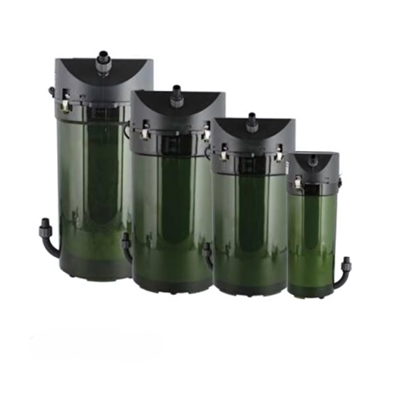
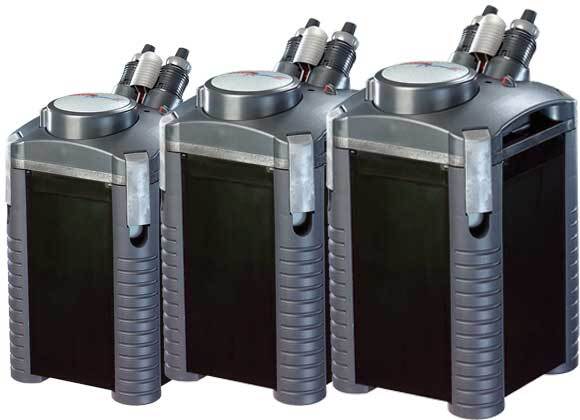
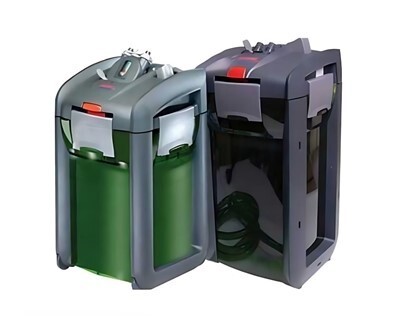
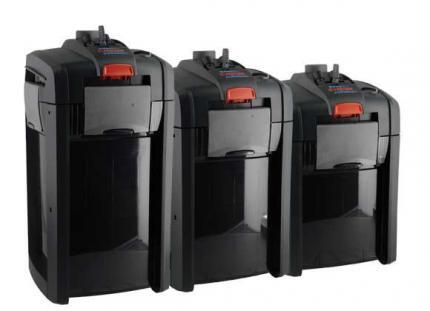
- Canister or hang-on-back filter with gentle flow
- Nutrient-rich substrate under your plants
Target a steady mid-70s temperature with moderate hardness and stable pH. Use an all-in-one liquid fertilizer once or twice a week, and let nitrates and phosphates sit in a plant-friendly range instead of chasing “zero everything” like a lab.
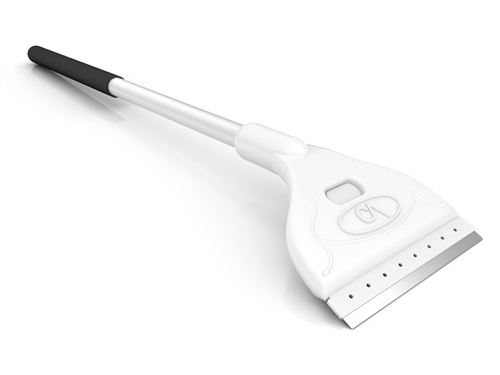
Your weekly rhythm: 25 to 35 percent water change, spot clean any algae, trim plants that block light or crowd each other, and gently vacuum open gravel or sand areas. Once a month, rinse filter media in tank water so you keep your bacteria alive. Failure-proofing here means keeping the light on a timer, avoiding overstocked fish loads, and having test strips or a basic test kit handy if algae or plant melt shows up. Many aquarists also keep a few fast growers like hornwort or water sprite as “rescue plants” to soak up extra nutrients. Fun fact: a lot of common low-tech plants grow in shady stream banks in nature, so that calm, dim look many of us love is exactly what they want.
Mixed Reef Made Simple for Busy Saltwater Keepers
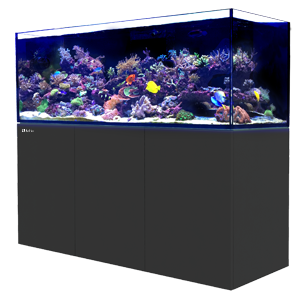
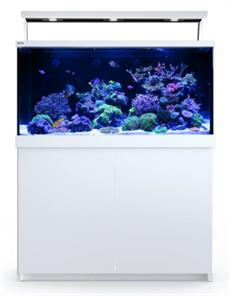
Mixed reefs do not have to be high drama. Picking a tank in the 40 to 75 gallon range gives you volume that soft corals, LPS, and a modest fish group will enjoy without wild parameter swings. The goal is stable and simple, not perfect numbers.
A friendly mixed reef stack usually includes:
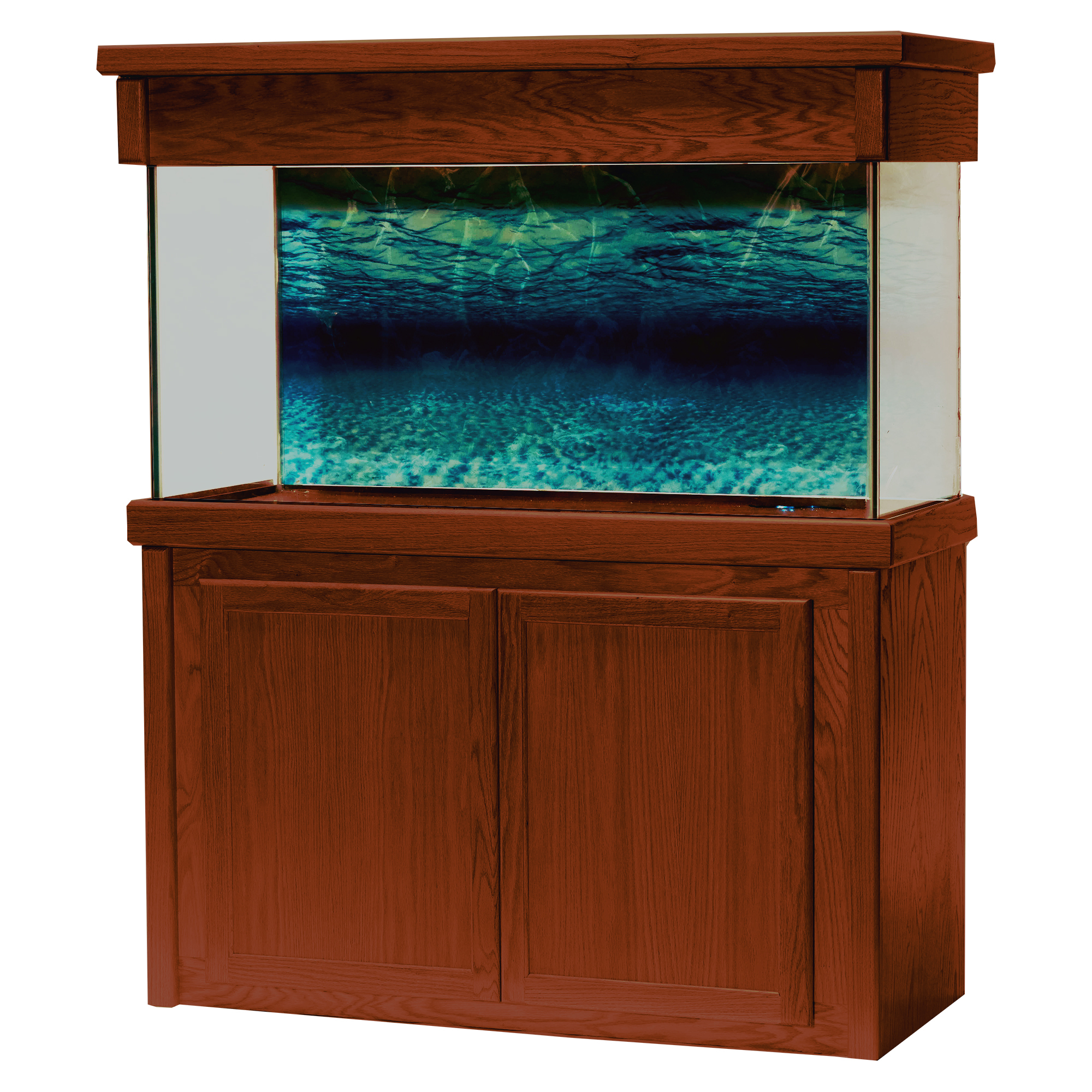
- Reef-ready tank and stand
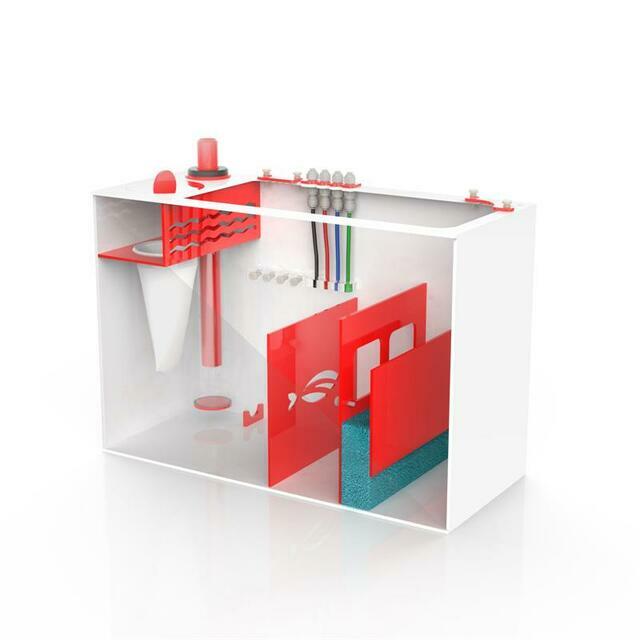
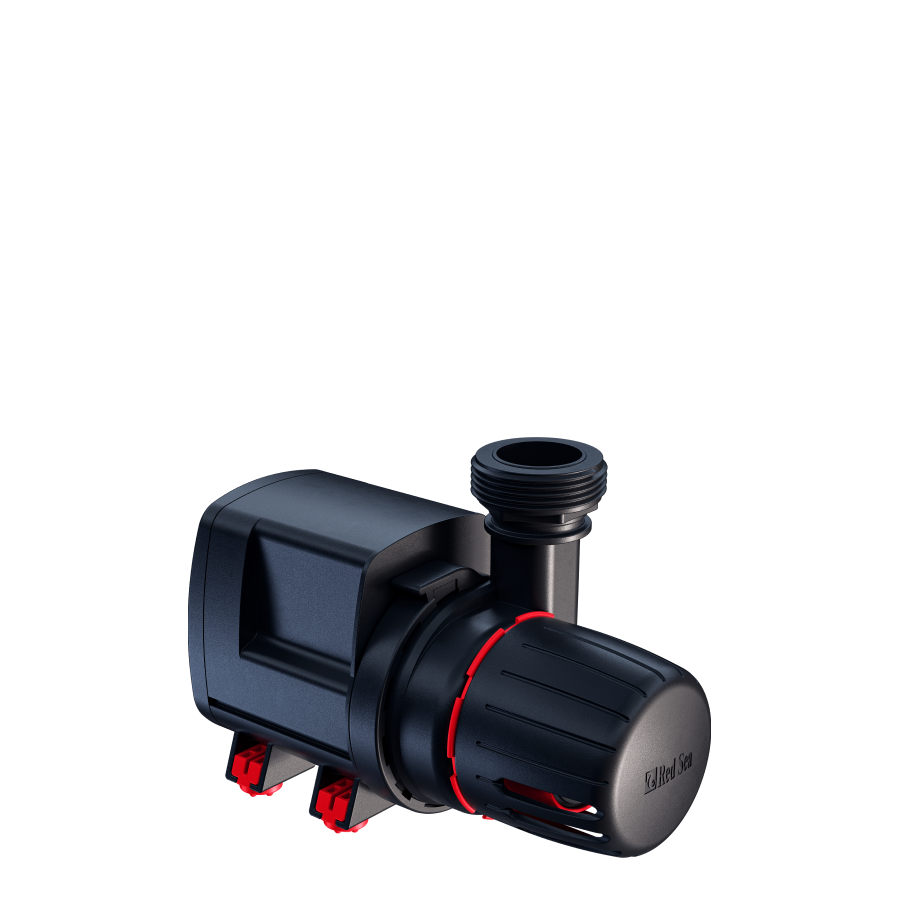
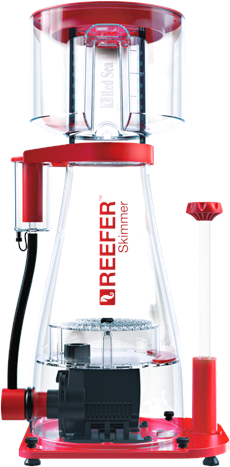
- Reliable return pump and protein skimmer
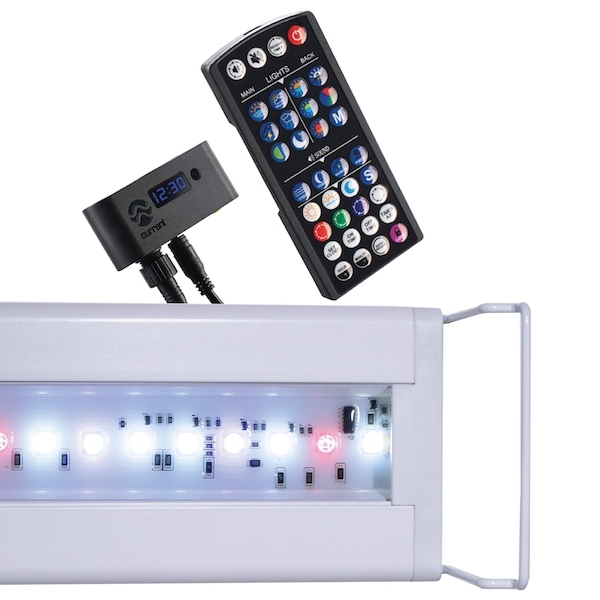
- Reef-grade LED lighting with schedule control
- Powerheads for random, gentle flow
- Auto top-off system
- Heater with a controller
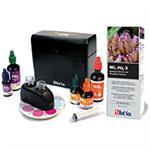
- Basic test kits for salinity, alkalinity, calcium, magnesium, and nutrients
Keep temperature in the upper 70s, salinity steady, and aim for stable alkalinity, calcium, and magnesium instead of constant tweaks. Slightly “dirty” but stable water is often better than chasing super low nutrients.
Every week, test salinity and alkalinity, clean the glass, empty and rinse the skimmer cup, and do a 10 to 15 percent water change. Lightly blast detritus off rocks and visually check coral polyp extension and color. Once a month, clean pumps and powerheads, wipe LED lenses, and review trends in your test log. For failure-proofing, use surge protection and drip loops, label circuits, keep a battery backup air pump, a spare heater, and a stash of pre-mixed saltwater. Leave clear notes for any sitter, including a big warning not to dose anything unsupervised. Fun fact: many soft corals grow so fast that you can cut small pieces, glue them to plugs, and share them like plant cuttings.
Year-Round Planner and Vacation Safeguards
To keep all three tank types easy, build a simple calendar you repeat. For any setup:
- Weekly: water change, glass clean, quick gear check
- Monthly: filter clean, deeper inspection, trim or frag as needed
- Quarterly: full equipment check, replace worn parts, review your log
Late summer brings heat, especially in homes without strong AC. Use fans over the tank or in the room, shade windows, and check that your heaters are not set too high. Watch evaporation and, for reefs, salinity. When cooler weather returns, recheck heater settings so fish do not chill overnight.
There are a few habits that work for every system: never change too many things at once, keep a small emergency kit with conditioner, salt, backup heater, air pump, and extra filter media, and write down changes so you can spot patterns. For vacation-proofing, test all equipment a week before you leave, set up auto-feeders or pre-portioned food cups, and keep light schedules simple. Leave easy instructions and a list of what not to touch. Fun fact: many healthy adult fish can go several days without food, so a tiny bit less is usually safer than extra while you are away.
FAQ
How Big Should My First Low-Maintenance Tank Be?
For most people, 20 to 40 gallons is the sweet spot. It is big enough that temperature and water chemistry move slowly, but still easy to place in a living room, bedroom, or office.
Do I Really Need a Heater for a Freshwater Tank?
In most homes, yes. Many popular tropical fish prefer water in the mid to upper 70s, which is warmer than normal room air, especially at night or in winter.
How Often Should I Replace Filter Media?
Replace mechanical media like filter floss when it clogs, often weekly. Biological media should be kept long-term and only rinsed gently in tank water during monthly cleaning, while chemical media like carbon is often rotated every few weeks if you use it.
Is Saltwater Always Harder to Maintain Than Freshwater?
Saltwater can be less forgiving of sudden changes, but it does not have to be harder. With the best aquarium equipment, an auto top-off, and moderate stocking, a mixed reef can be very steady once it matures.
How Long Before I Add Fish or Corals to a New Tank?
For freshwater, allow at least a few weeks for the tank to cycle and add fish slowly. For saltwater and mixed reefs, wait longer, add the first hardy fish once parameters stay steady, then introduce corals after things have remained stable over time.
Upgrade Your Aquarium With Trusted Gear Today
Transform your tank into a thriving underwater ecosystem with help from Fish Tanks Direct. Explore our curated selection of the best aquarium equipment so your fish, corals, and plants get exactly what they need. If you are not sure where to start or want tailored recommendations for your setup, contact us and we will help you choose the right solutions.