








Irregular Tank Gear & Installation Strategies: Bowfront, Corner, Hex, Peninsula
Fish Tanks Direct on May 24th 2026
Smarter Gear Layouts for Irregular Aquarium Shapes
Irregular tanks are beautiful, but standard aquarium equipment setups tend to fight them at every turn. Bowfront, corner, hex, and peninsula tanks all twist the usual rules for where filters, heaters, and lights should go. If we do not plan ahead, we end up with cords everywhere, dead spots in flow, and gear blocking those great viewing angles.
Good equipment placement keeps the tank stable, safer, and easier to keep clean, especially as late spring and summer heat start to push water temperatures up. In this guide, we will walk through strategies for custom filtration and sump placement, heater and thermostat positioning, lighting and lid ideas, overflow and return layout, and clean cable and hose routing. One fun fact to start: many public aquariums hide their filtration in nearby rooms, so what we do under a stand at home is really just a tiny version of those pro setups.
Planning the Backbone for Irregular Tanks
Odd shapes need extra thought on three things: flow paths, surface skimming, and access for cleaning. Corners, curves, and long peninsulas can create low-flow pockets where waste settles. When we plan our filtration around these areas, the tank runs smoother and maintenance feels less like a chore on hot summer days.
Common filtration options and how they adapt:
- Hang-on-back filters: best for smaller bowfronts or hex tanks, placed on the flattest panel
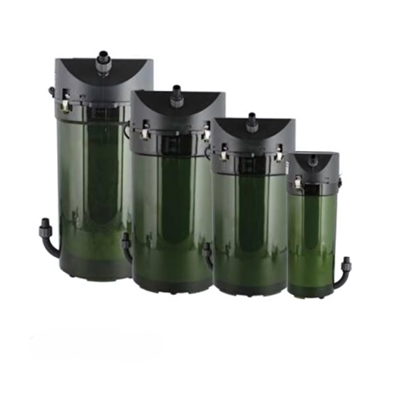
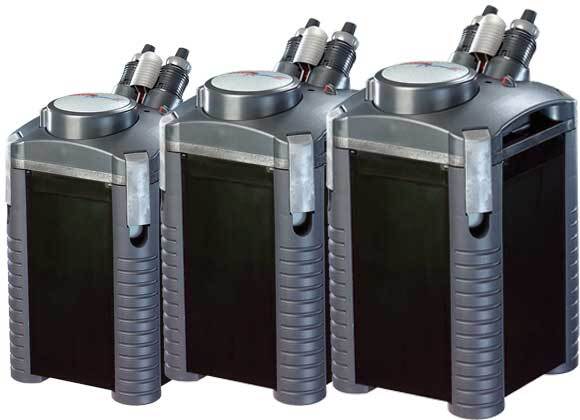
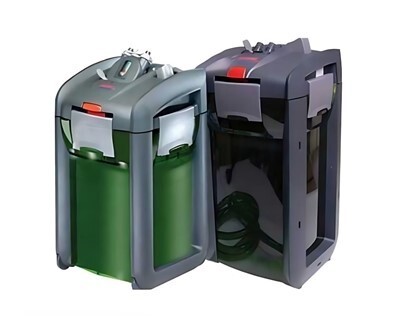
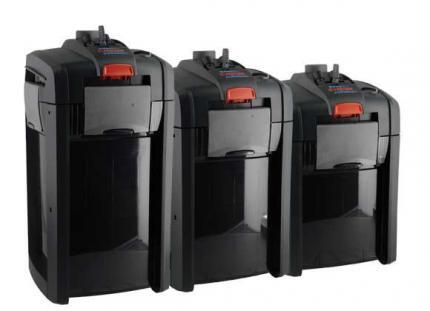
- Canister filters: great when there is no overflow, hoses can be routed through one hidden side
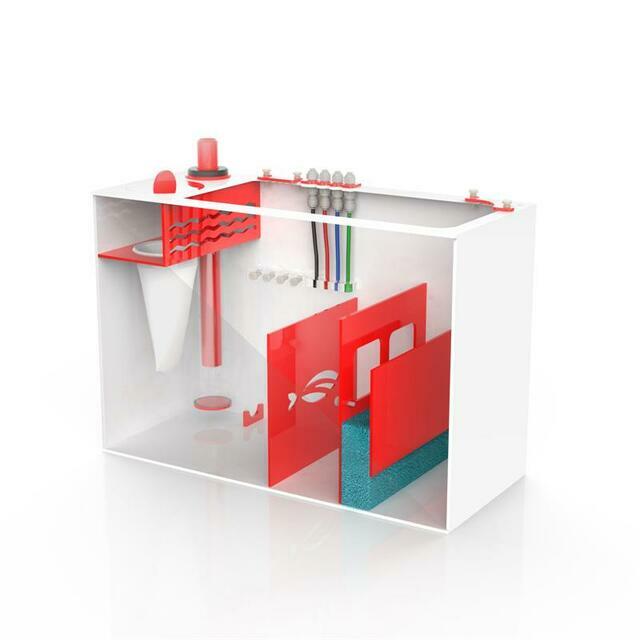
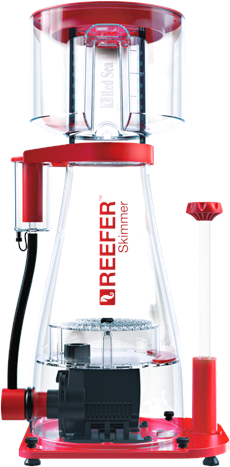
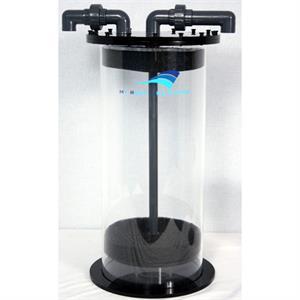
- Sumps: most flexible choice, especially on bigger irregular tanks that need stronger gear
We always like to build in safety with unions, ball valves, and easy-to-reach shutoffs. Check valves and proper return height help prevent back-siphon if the power goes out, which matters more when we feed heavier in warm months and the bioload climbs.
Custom sumps and filtration placement by shape:
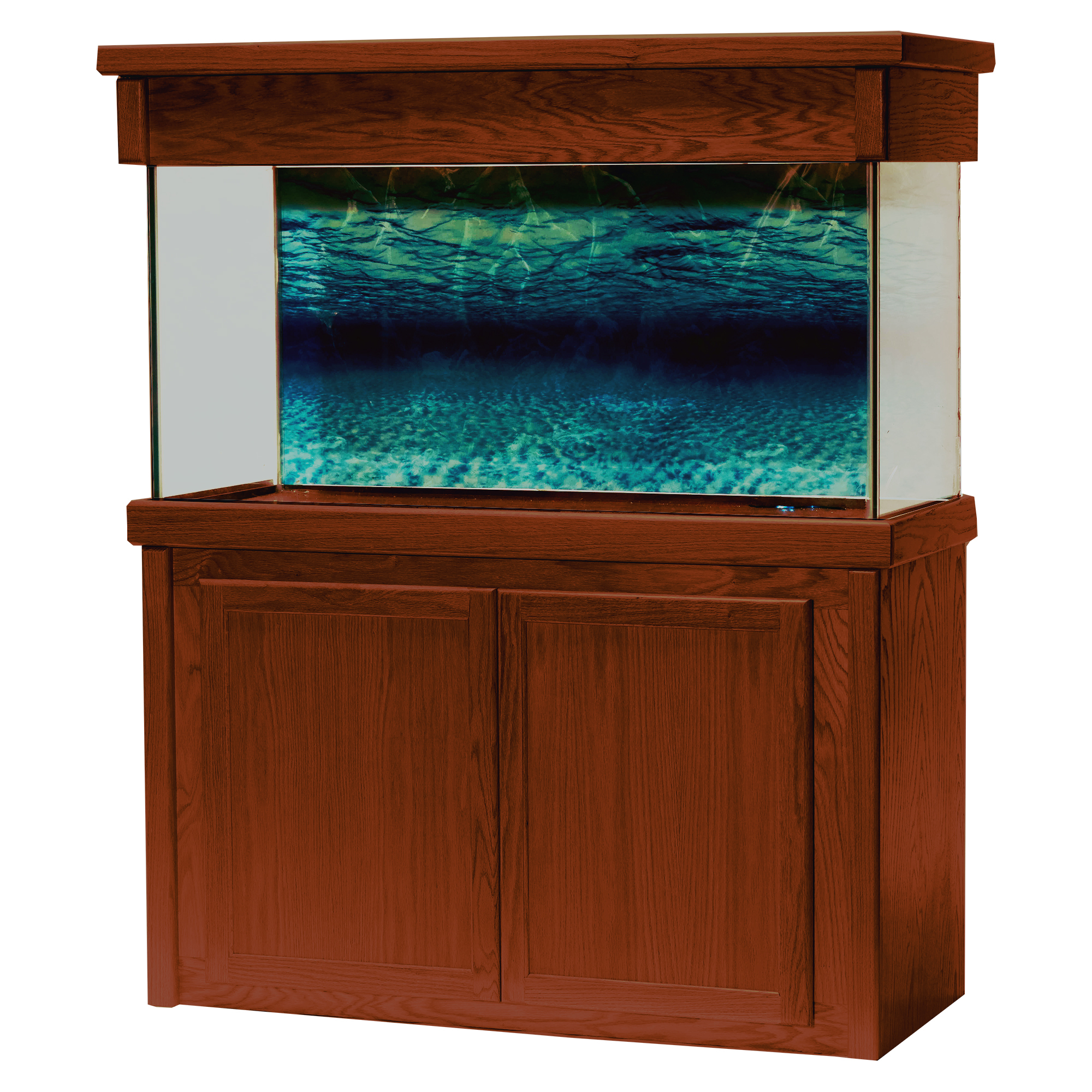
- Bowfront: A standard rectangular sump fits well under the center of the stand. A central overflow on the flat back panel works nicely, with return nozzles on each back corner to push water along the curve.
- Corner or quarter-cylinder: A triangular or pie-shaped sump can tuck into the stand, leaving room in front for access. An overflow in the back corner, with plumbing angled along the cabinet walls, keeps space open.
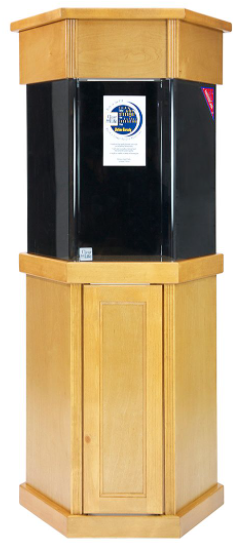
- Hex: A center or single back-panel overflow feeds a sump below. We like a return manifold with several outlets aimed around the tank to give that 360-degree flow.
- Peninsula: Put the overflow on the wall end of the tank with a long weir for even surface skimming. The sump can sit in the stand or a side cabinet, giving us room for media reactors or refugium sections.
For noise and salt creep, we focus on proper standpipe height, filter socks or roller mats, and leaving enough space in tight corner or peninsula stands to remove and clean parts. Fun fact: early marine keepers often ran modified wet-dry trickle filters under odd-shaped tanks long before reef-ready tanks were common.
Heat, Stability, and Safe Wiring in Tight Spaces
Heater placement in irregular tanks is all about steady flow and hiding the gear. We like to place heaters in:
- Sump chambers with consistent water level
- Overflow sections with good circulation
- Behind rockwork in the display where flow is strong
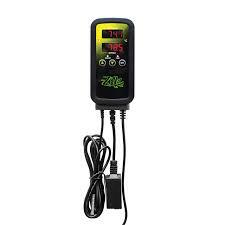
Running two smaller heaters instead of one large one adds backup in case one fails, which matters when living rooms and offices heat up in late spring and summer. For thermostats and controllers, simple mounting on stand walls or a nearby board keeps screens easy to read and away from splashes.
Cable and hose routing is where many odd-shaped tanks either look clean or messy. A good habit is to plan a dry side and a wet side inside the stand. Power strips and controllers stay on the dry side with clear drip loops, while sumps and hoses live on the wet side.
To keep things tidy:
- Label cords and hoses by device
- Use Velcro ties and cable raceways
- Avoid sharp bends in hoses and pinch points around curved cabinets
Shape-specific tips:
- Bowfront: Hide heaters behind the aquascape, use the straight back edge for running cables, and let a dark background help hide them.
- Corner or quarter-cylinder: Mount power strips and controllers on the flat interior walls of the stand, away from the sump footprint.
- Hex: Use one main vertical cable channel up a single flat panel to gather all cords and hoses together.
- Peninsula: Keep the long viewing sides clean by routing everything toward the wall end, even through wall or floor conduits when possible.
Fun fact: many reef keepers color-match cable sleeves so anyone can quickly see what powers what in an emergency.
Lighting and Lids for Curves and Angles
Curved fronts and multi-sided tanks can make light spread tricky. If we just center one big light, some panels get too bright and others stay dim. With modern aquarium equipment, we have more flexible options.
Good light spread options include:
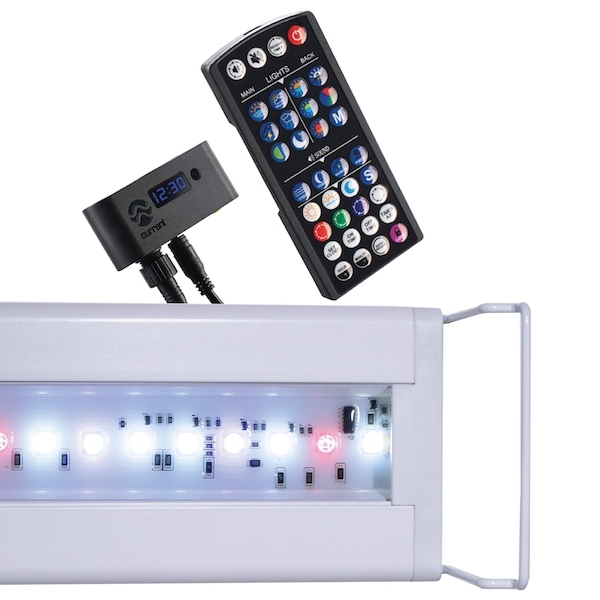
- Adjustable LED rails that slide and pivot
- Several smaller fixtures spaced along the tank instead of one big unit
- Pendant lights for corner and quarter-cylinder tanks
As days get longer, more sunlight comes through windows and can push algae growth. Careful control of intensity and spectrum, plus shorter peak times, helps keep things stable.
Lids matter a lot for irregular tanks too. We usually compare:
- Glass lids: clear and sturdy, but can trap heat and condensation
- Acrylic lids: lighter and easier to custom cut, can bow over time if not braced
- Mesh lids: great gas exchange and cooling, need custom frames for odd shapes
Custom-cut lids or DIY screen tops made from rim templates let us keep jumpy fish safe while leaving cutouts for overflows, returns, and feeding flaps. We avoid sealing tanks too tight, especially if they are heavily stocked.
Tank-specific lighting and lid ideas:
- Bowfront: Use a slightly longer LED bar or two smaller units, staggered to match the curve. Lids can be made from curved glass or a few straight acrylic sections that follow the front arc.
- Corner or quarter-cylinder: Hanging radial or pendant fixtures from the ceiling or a wall bracket give even coverage. Lids can be triangular or pie-shaped panels that lift out easily.
- Hex: Several small LEDs, one above each panel or every other panel, keep light even all around. Matching lid segments over each section help channel condensation and make cleaning easier.
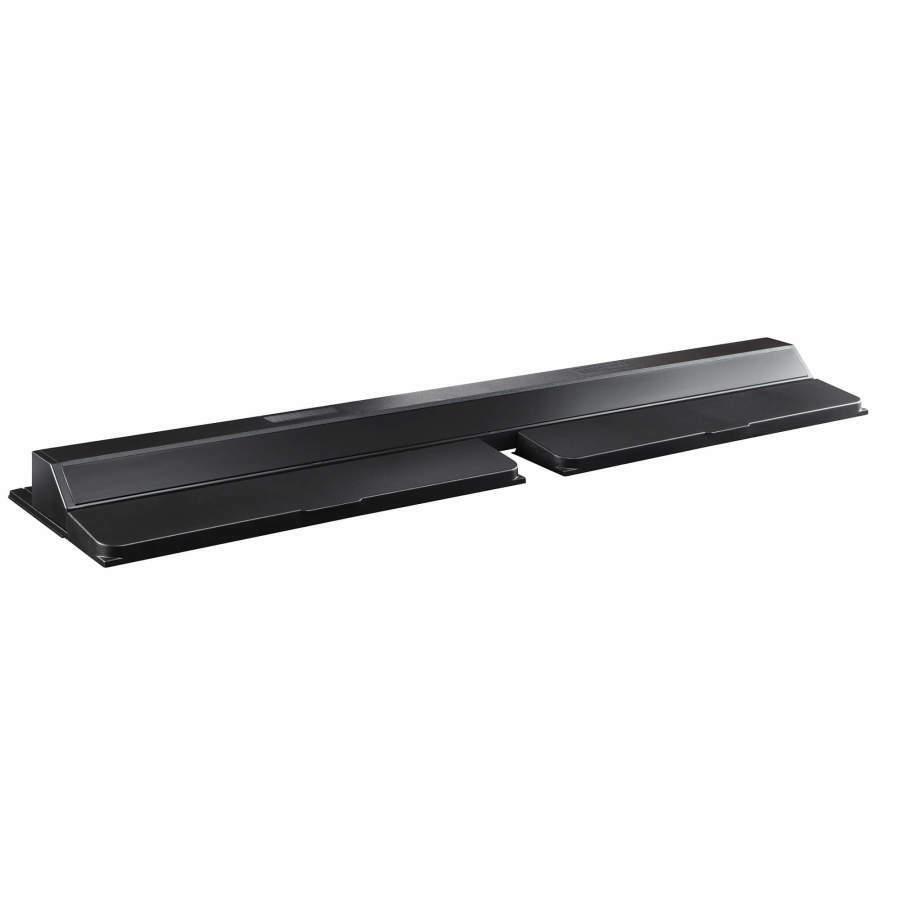
- Peninsula: A long linear strip or hybrid T5 and LED setup works well end to end. Full-length hinged lids with cutouts at the overflow end keep lines neat.
Fun fact: some aquariums use special low-reflection glass for lids so colors stay clear, which really stands out on curved and bowfront tanks.
Perfecting Flow and Keeping the Display Clean
Overflow and return placement should support the natural flow pattern of each shape. For example:
- Hex: Aim for circular flow by pointing returns and powerheads so water moves around the center like a slow whirl.
- Peninsula: Shoot for a race track pattern, with water moving down the length on one side and back on the other.
- Bowfront: Use side returns to wrap flow along the curve and back across the front.
Multiple smaller returns with Loc-Line nozzles give more control than one big outlet. Anti-siphon holes just under the waterline, along with proper return height and check valves, help reduce flood risk when the pump stops.
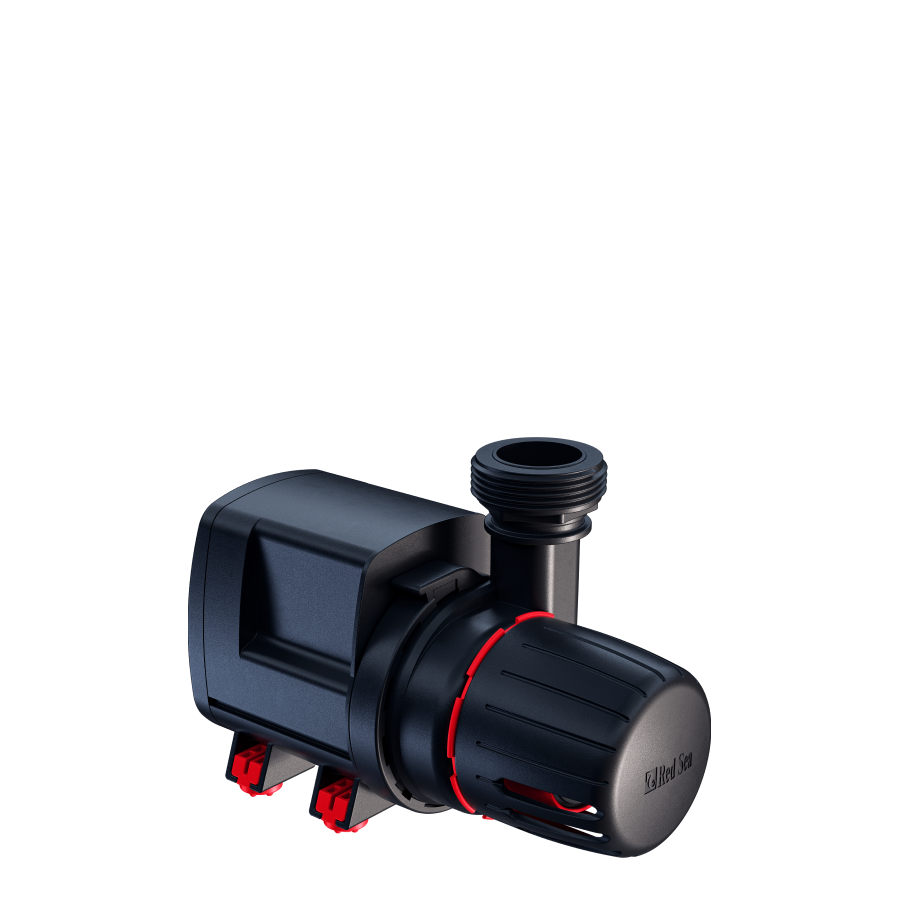
Powerheads and wavemakers finish the job:
- Bowfront: Mount compact pumps on the back panel so they blend into the background.
- Corner or quarter-cylinder: Use side mounts that follow the curve, aimed to sweep along the front glass.
- Hex: Place small pumps on a few panels instead of all of them, and angle them so flow meets and mixes in the center.
- Peninsula: Put pumps on the short wall end or high on the side away from the main view to keep that gallery feel.
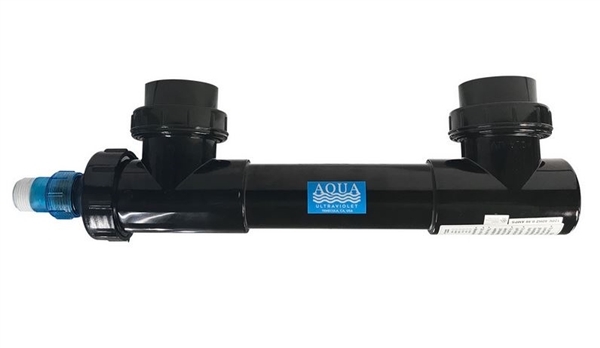
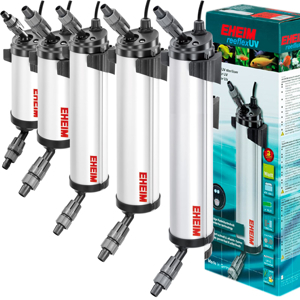
For a clean display, we often send cables up one planned corner or panel like a cable chimney. Dark backgrounds hide cords, and simple rim clips or holders keep hoses from wandering across the glass. Leaving a bit of extra hose and a spare bulkhead or two makes it easier to add reactors, UV, or a stronger return pump later.
Fun fact to close: many of the most famous public reef tanks are actually peninsula or big corner displays, proof that odd shapes can become the most memorable aquariums when the equipment layout is planned with care.
Upgrade Your Aquarium With Reliable Equipment Today
Choosing the right gear is the fastest way to improve water quality, fish health, and overall viewing enjoyment, and at Fish Tanks Direct we make that process straightforward. Explore our curated selection of aquarium equipment to find filters, lighting, heaters, and more that match your tank’s size and goals. If you are unsure what setup is best for your livestock or experience level, reach out and we will guide you through the options. You can also contact us for personalized recommendations before you buy.