







Inside Red Sea Aquariums: Gear Synergy for Stable Reefs
Fish Tanks Direct on Nov 25th 2026
Build Rock-Solid Reef Stability From Day One
A stable reef is what keeps our corals happy, our fish relaxed, and our own stress levels low. With Red Sea aquariums, we get a system that is built from the ground up to stay steady, which is especially helpful when we are working with sensitive saltwater livestock.
When we match gear that is designed to work together, we cut out a lot of guesswork. Lights, pumps, skimmers, and monitors that play nice with each other save us time, protect our fish and corals, and make the whole hobby feel smoother. As we move from fall into winter, that really matters. Indoor heat goes up, room temperatures swing more, and holiday travel pulls us away from the tank more often.
At Fish Tanks Direct, we focus on making that gear synergy easier, from Red Sea aquariums to the equipment that supports them. In this article, we will look at how lighting, flow, filtration, dosing, and monitoring all work as a team inside Red Sea systems to build long-term reef stability.
Fun fact for your newsletter: many wild reef fish live most of their lives in temperature ranges that change only 2 to 3 degrees Fahrenheit across the whole year.
Why Red Sea Aquariums Excel as Integrated Reef Systems
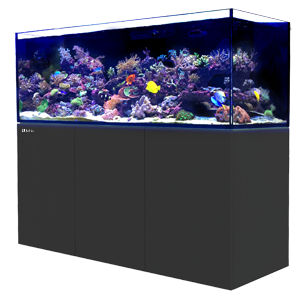
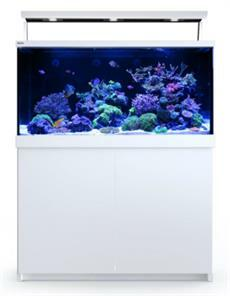
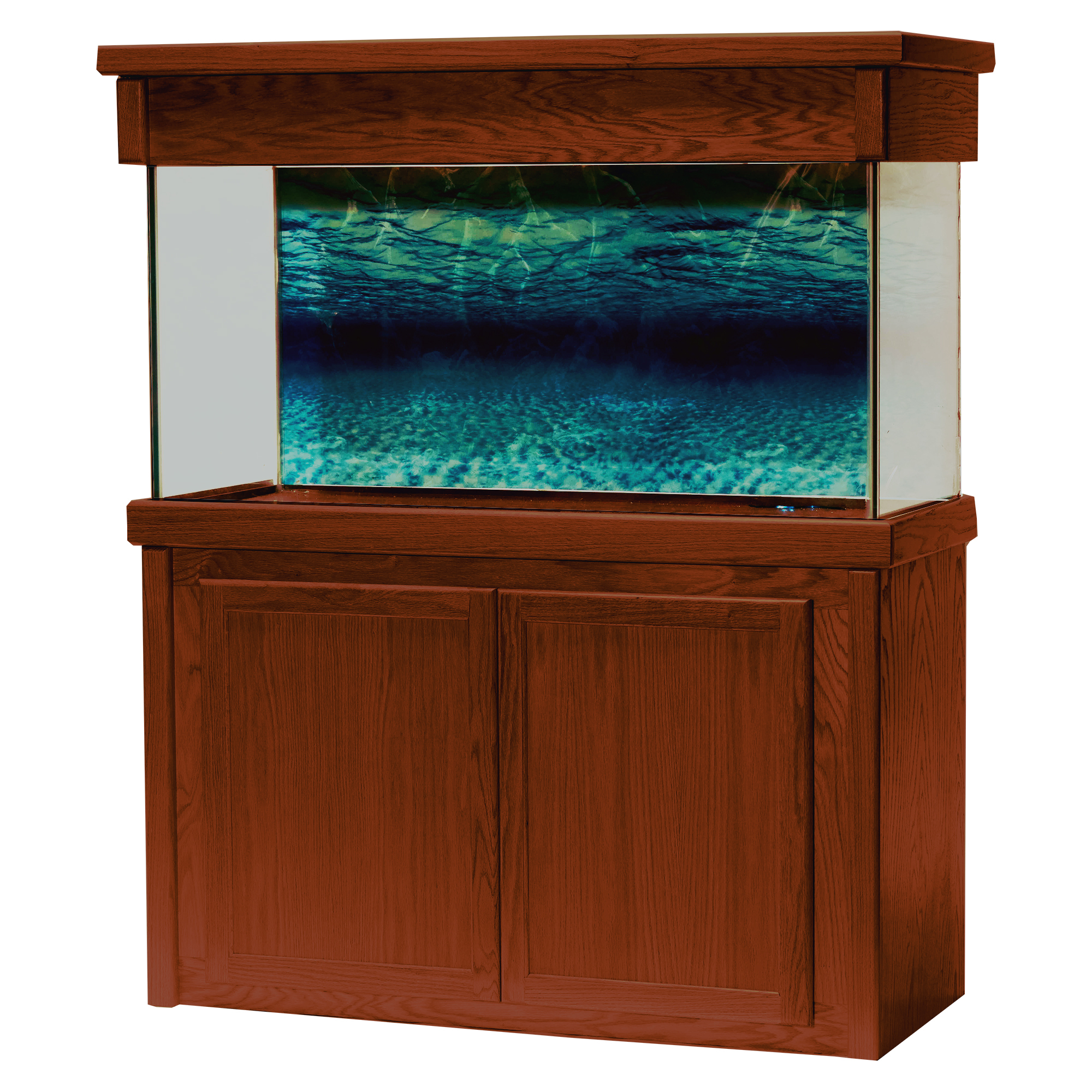
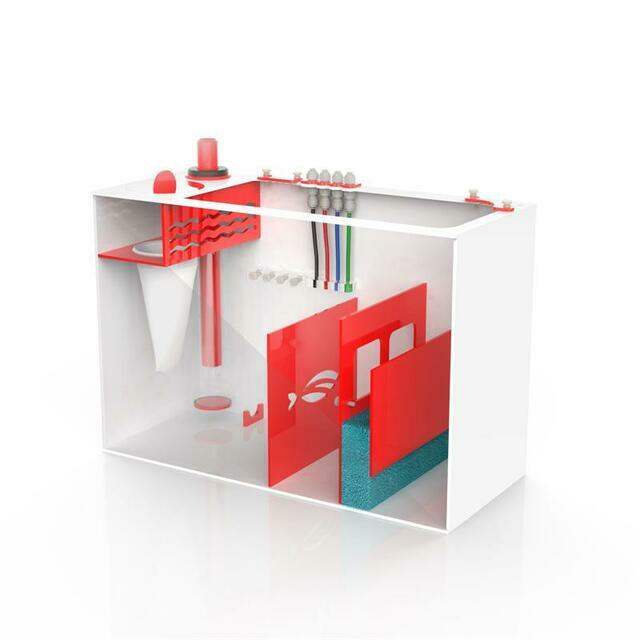
Red Sea aquariums are designed as complete ecosystems. The display, sump, plumbing, filtration, and often the cabinet are created to match each other from the start. That means fewer odd connections, fewer surprise leaks, and a cleaner look in your living room.
Here is why that matters for reef stability:
- Factory-designed overflows help keep water levels steady in the display
- Matching sumps and return sections keep equipment running at the right depth
- Built-in filter socks or roller spaces make mechanical filtration simple to manage
- Plumbing is sized for the tank, so flow and noise are easier to control
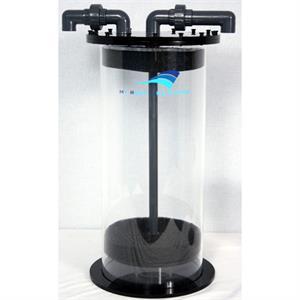
Compared to piecing together random gear, those plug-and-play style Red Sea packages, like popular Reefer and Max lines, tend to be easier to set up and maintain. The cabinet and sump layouts also give us clear spots for upgrades later on, like a larger protein skimmer, media reactors, or dosing pumps as our coral load grows.
At Fish Tanks Direct, we carry different Red Sea sizes and series so we can match tank choice to our reef goals. A smaller system might be great for a first mixed reef, while a larger format gives more room for SPS and fish that like to swim long paths.
Lighting, Flow, and Filtration Working in Perfect Sync
Every reef system rests on three main pillars: lighting, flow, and filtration. When those three move together instead of fighting each other, Red Sea aquariums feel much easier to keep stable.
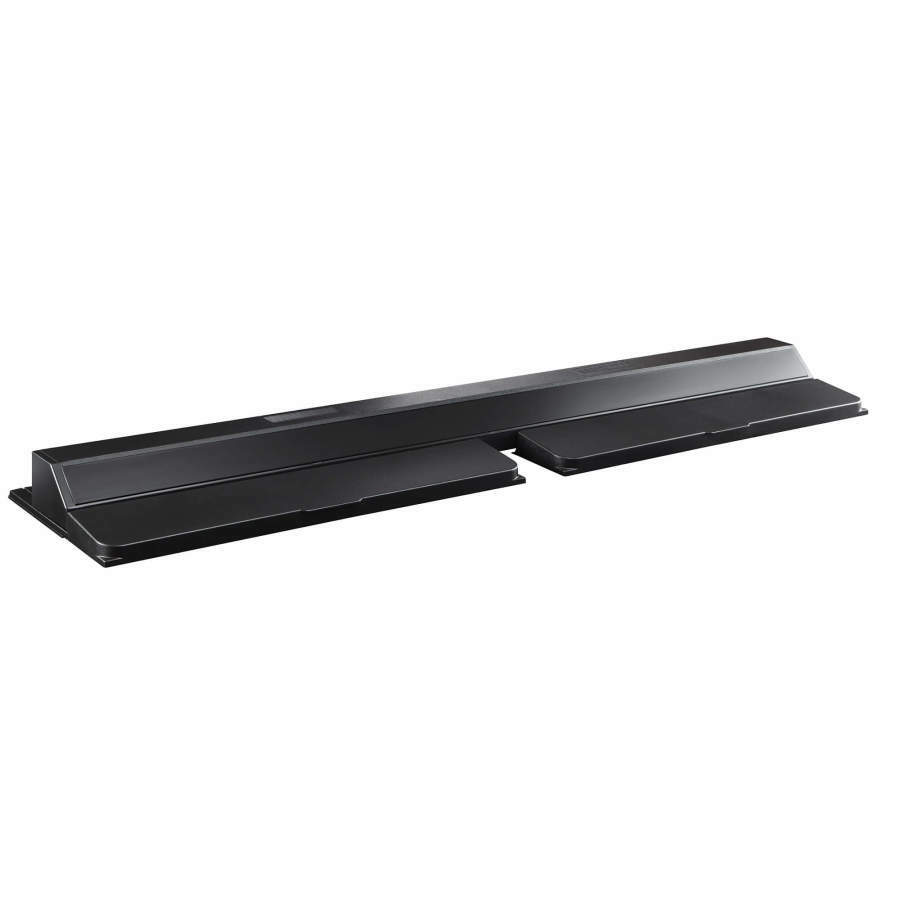
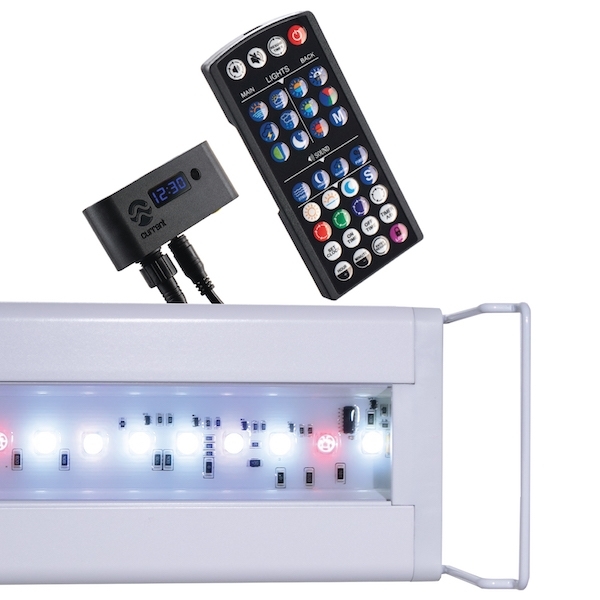
Lighting powers coral photosynthesis. Red Sea lighting options pair with their tank footprints and recommended mounting heights, which helps us plan PAR and coral placement without endless guessing. Shallow tanks, deeper tanks, and longer displays each have guidance for how to cover the whole reef.
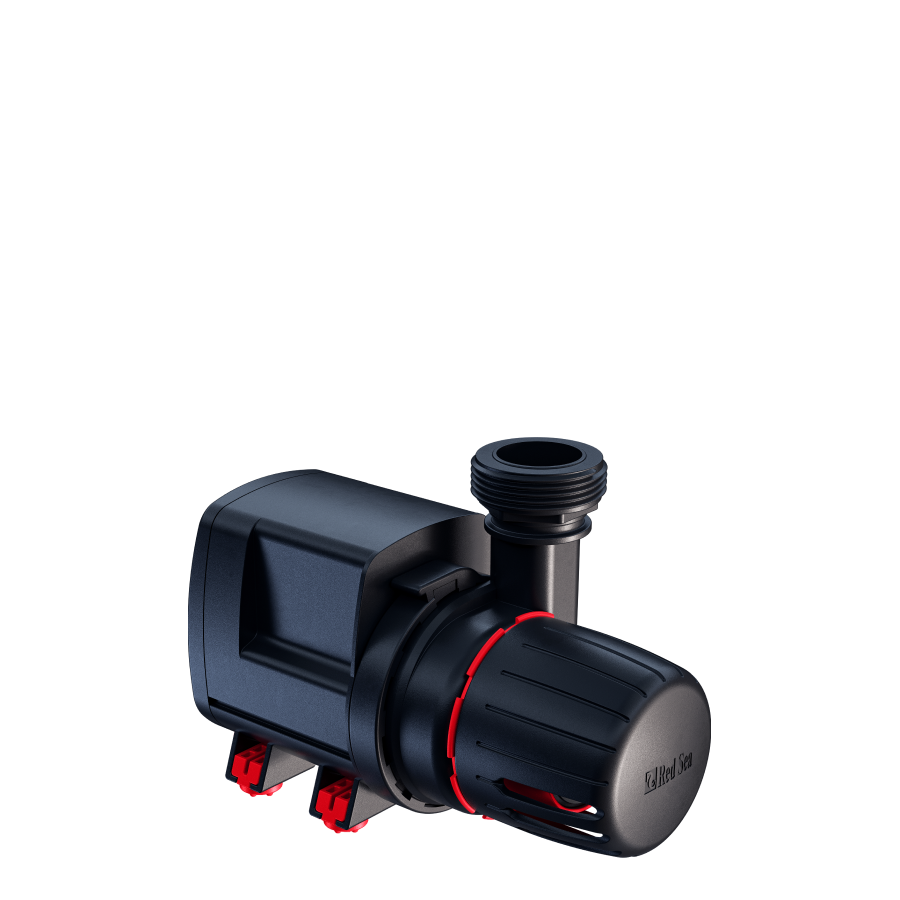
Flow keeps oxygen high and moves food and waste. Properly placed wavemakers and return nozzles push filtered, oxygen-rich water into and around the rockwork, not just across the front glass. That flow also helps prevent dead spots where detritus could pile up and break down into extra nutrients.
Filtration exports those nutrients and keeps the water clear. Good synergy here means:
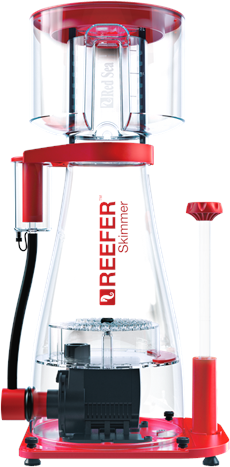
- A skimmer sized to the tank volume and bioload
- Mechanical filtration like socks or rollers changed often
- Optional media such as carbon or phosphate removers used in a consistent way
Here is a common gear synergy scenario in a mid-size Red Sea aquarium. If we raise light intensity to support more demanding corals, we may see faster algae growth at first. To balance that, we might need to nudge up flow to keep surfaces clean and increase skimmer performance or media use to hold nutrients steady. Small changes across all three pillars keep the system from tipping out of balance.
Fun fact for your newsletter: coral polyps can expand or retract within minutes when light or flow changes, often long before any water test shows a shift.
Smart Dosing, Top-Off, Monitoring, and Seasonal Stability
Reef tanks are not just about pretty lights. True stability depends on steady numbers like salinity, alkalinity, calcium, magnesium, temperature, and nutrients. If those swing around, corals show stress, even when everything looks fine at a quick glance.
Auto top-off systems are one of the simplest ways to lock in stability. As water evaporates from Red Sea aquariums, an ATO replaces only freshwater, which keeps salinity from creeping up. In winter, when indoor air gets dry from heaters, evaporation often speeds up, so a good ATO is extra helpful.
Dosing pumps take care of elements that corals use each day. When we match dosing rates to coral consumption, we avoid sudden jumps or drops that can bother SPS and LPS. It is smart to:
- Test alkalinity, calcium, and magnesium often as dosing is dialed in
- Adjust in small steps, then wait and test again
- Keep notes so patterns are easy to spot
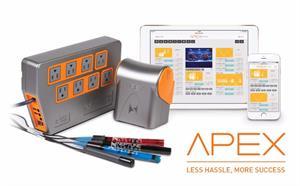
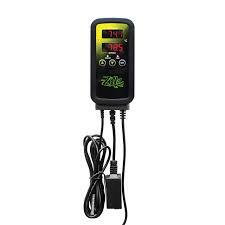
Controllers and smart monitors add another safety net. Temperature probes, pH tracking, and even leak detectors can connect to our Red Sea setups and send alerts when something drifts out of range. Before holiday trips, it is helpful to rehearse the system. That means testing auto feeders, topping off the ATO reservoir, confirming dosing schedules, and making sure alerts actually reach our phone.
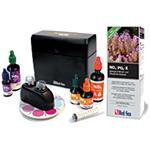
Fish Tanks Direct offers ATOs, dosing systems, test kits, and controllers that fit neatly into Red Sea stands and sumps so we can keep the gear hidden but the reef stable.
Seasonal changes bring their own challenges. In late fall and early winter, outdoor temperatures drop and heaters work harder. Room temperatures may swing between day and night, which can nudge tank temps up and down if we are not careful.
A few smart habits help keep Red Sea aquariums steady for the holidays:
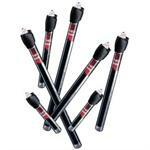
- Use redundant heaters set a degree apart so one failure does not crash the tank
- Calibrate temperature controllers and probes on a regular basis
- Slightly adjust photoperiods to smooth daily temperature swings from lights
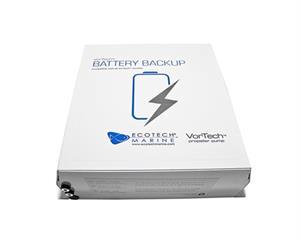
It also helps to make a simple holiday checklist. Test key parameters, clean the skimmer and return pump, check ATO reservoir size, confirm dosing, and test any backup power options we plan to rely on. For feeding, auto feeders or pre-measured food portions can keep tank sitters from overfeeding, which protects nutrients and keeps filtration from getting overwhelmed.
Fun fact for your newsletter: many reef organisms in the wild use slow seasonal changes in light and temperature as cues to spawn or grow faster.
Turn Your Red Sea Aquarium Into a Self-Stabilizing Reef
When lighting, flow, filtration, dosing, and monitoring all line up, a Red Sea aquarium starts to feel almost self-stabilizing. Small issues get corrected early, instead of growing into full reef disasters.
It helps to look at our own setup and spot the weakest link. Maybe top-off is still done by hand, or flow is a bit low behind the rockwork, or there is no monitoring in place if a heater sticks on during a cold night.
A smart upgrade path that we see often at Fish Tanks Direct looks like this:
- Start with reliability: good heaters, ATO, test kits
- Next refine lighting and flow for coral types and tank shape
- Then add dosing and finally bring in automation and controllers
Planning ahead before winter is in full swing gives us time to tune things slowly. That way, when holiday travel and busy schedules hit, the reef keeps humming along. At Fish Tanks Direct, we love helping reef keepers match Red Sea aquariums and compatible gear to their goals so their tanks stay stable, calm, and enjoyable all season long.
FAQ About Red Sea Aquariums and Gear Synergy
How big Should My First Red Sea Aquarium Be for a Reef?
For many beginners, a Red Sea aquarium in the 40 to 70 gallon range feels like a sweet spot, with enough water volume to handle small mistakes without becoming too hard to manage.
Do I Need a Controller for a Stable Red Sea Reef?
You can run a stable reef without a controller if you stay on top of testing and daily checks, but a controller adds safety and convenience by automating things like temperature and light schedules and by sending alerts if something drifts.
How Often Should I Upgrade Equipment on My Red Sea Tank?
Equipment upgrades usually make sense when your coral load, fish load, or long-term goals change, which often happens every few years as you move from soft corals to more demanding types.
Are Stock Skimmers and Pumps in Red Sea Aquariums Enough?
For light to moderate stocking, the included skimmers and pumps are often fine, but as the reef fills in and bioload grows, many hobbyists see better stability with larger skimmers or stronger flow.
How to Prepare a Red Sea Aquarium for Holiday Travel
A week or two before you leave, do regular maintenance, confirm ATO and dosing, test your automation, and give a tank sitter simple written steps along with what to do if they notice a problem.
Transform Your Home With a Premium Reef-Ready Setup
Explore our curated selection of Red Sea aquariums and let us help you match the right system to your space, experience level, and long-term goals. At Fish Tanks Direct, we work with you to choose equipment that supports healthy corals, stable water parameters, and easy maintenance. If you have questions or want a personalized recommendation before you buy, reach out through our contact page so we can help you plan your ideal setup.