









Heatwave-Proof Your Aquarium: Cooling Gear, ATO Setup, and Emergency Plan
Fish Tanks Direct on May 17th 2026
Keep Your Fish Safe When Summer Temps Spike
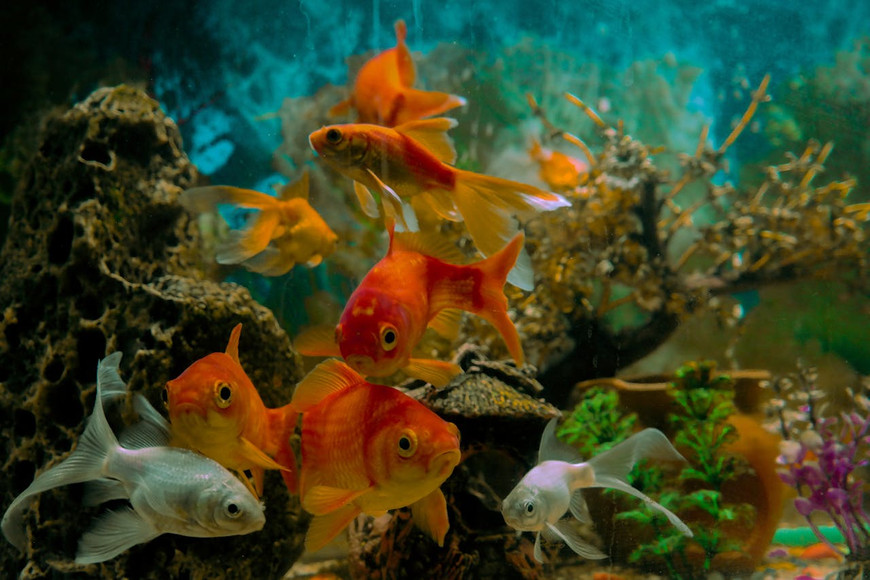
Heatwaves can turn a happy, stable aquarium into a problem in just a few hours. As room temperatures rise, so does your tank, and your fish, corals, and bacteria feel that stress fast. A few degrees above your normal range may not sound like much, but it can mean low oxygen, faster breathing, and a higher chance of disease or coral bleaching in reef tanks.
In nature, many reef fish live in shallow lagoons where the water gets warm during the day and cooler at night. Out in the ocean, they can swim to deeper, calmer water when things feel off. Inside a closed glass or acrylic box, they do not have that choice. That is why a summer plan really matters.
Fun Fact:
Some coral reef lagoons can swing several degrees in temperature between early morning and midafternoon, and many reef fish handle those swings by simply moving a few feet deeper to cooler water, something they cannot do in our home aquariums.
We like to think about three big pieces: smart cooling gear, a solid evaporation and ATO setup, and a simple emergency overheat plan. When we put those together before the first big heatwave, we protect our animals and keep our tank stable all season.
Smart Cooling Gear for Stable Summer Temperatures
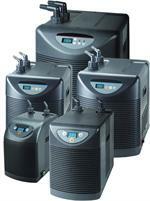
When it comes to the best aquarium equipment for beating the heat, chillers are the main stars. Aquarium chillers give you the most precise temperature control. In-line chillers plumb into your system and are great for larger freshwater, planted, or reef setups with sumps. Drop-in styles place a cooling coil directly into a sump or chamber and are often simpler to add to existing systems.
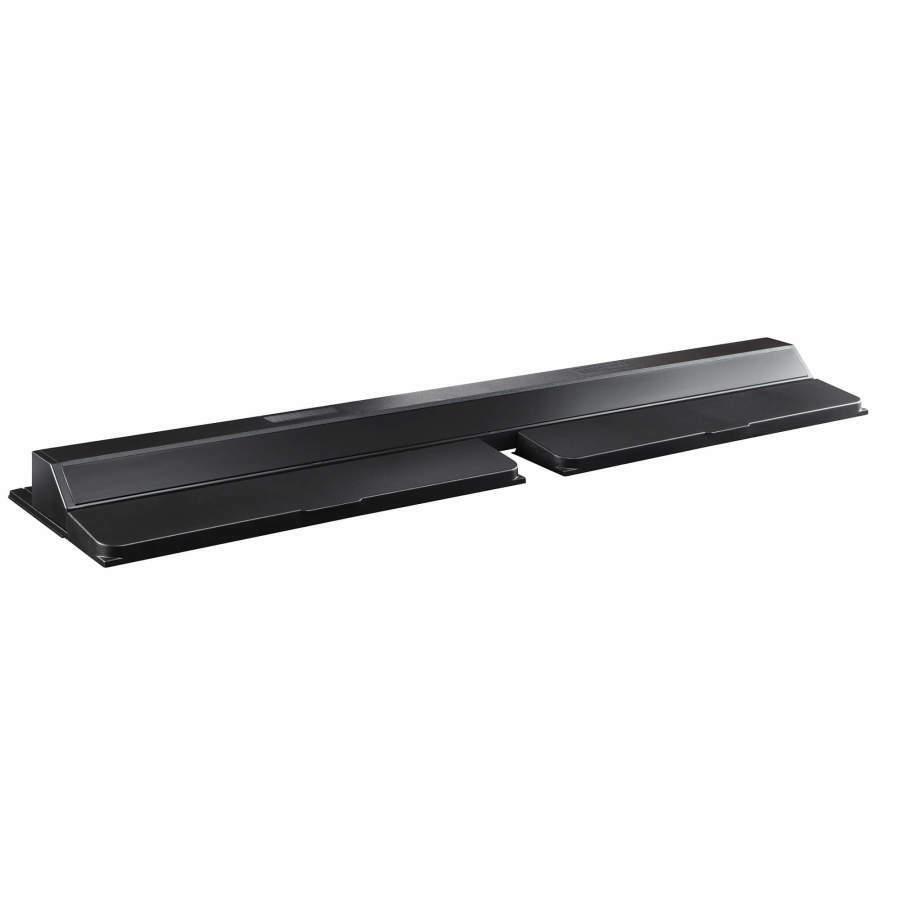
Fans are our favorite “backup singers.” Clip-on or canopy fans blow across the water surface and cool by evaporation. The more air moves across the water, the more heat leaves with that evaporated water. Lids, glass tops, and high room humidity slow this effect, so we want enough open surface area for the fan to work, while still keeping fish from jumping and salt creep under control.
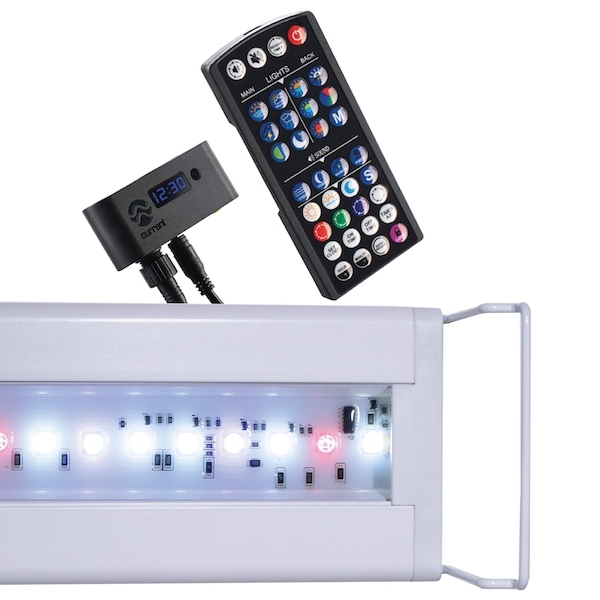
Room-based tools help too. Portable AC units, blackout curtains, or closing blinds during the hottest hours all reduce how much heat gets into the room in the first place. Powerful LED reef lights still add warmth to the tank and the air space around it, so planning for light heat is important even if they feel cooler to the touch than old metal halides.
Choosing the right cooling gear depends on a few things:
- Tank volume and shape
- Type of lighting and how long it runs
- Normal room temperature patterns
- How sensitive your livestock is
Most equipment is rated with BTUs or a recommended tank size. We usually suggest picking gear with a little extra capacity so it can handle true heatwave days, not just mild warm spells.
Quick tips we like to follow:
- Place chillers where they get strong airflow and are not boxed in
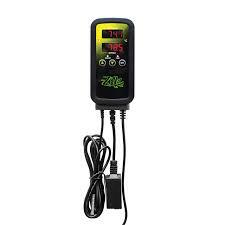
- Use a reliable temperature controller for fans and chillers
- Keep cords tidy with proper drip loops
- Test your cooling setup before that first forecast of triple-digit temps
Managing Evaporation and Setting Up a Reliable ATO
The moment we start running fans, evaporation jumps. Warm room air plus airflow across the water means your tank can lose a surprising amount of water. In saltwater tanks, that does not remove salt, only water, so salinity slowly climbs. In freshwater and planted tanks, fast evaporation can throw off water level, heater placement, and general stability.
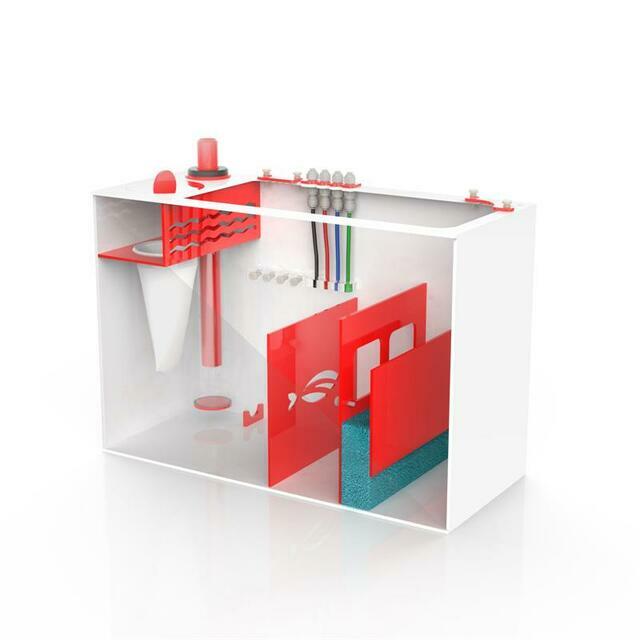
This is where auto top-off (ATO) systems shine. An ATO uses a reservoir, a small pump, tubing, sensors, and a controller to add fresh water back to the tank as it evaporates. For marine systems, that top-off water is plain RO/DI or other clean freshwater, never saltwater, so salinity stays nice and steady.
A few best practices help keep an ATO reliable:
- Pick a reservoir large enough to cover weekends or vacations
- Secure sensors so they cannot slip or get bumped
- Place the ATO pump so it will not run dry
We like dual-sensor systems or units that combine an optical sensor with a backup float. Time limits on the pump give an extra layer of safety, so the ATO stops if something goes wrong. Keeping the top-off reservoir clearly separate from any salt mix containers helps avoid mix-ups.
Maintenance is simple but important. Check the tubing every month for salt creep, kinks, or buildup. Wipe sensors gently to clear algae or film. Before long summer trips, rethink your reservoir size, since a fan-cooled tank can evaporate several gallons a day on larger setups, turning that space around your aquarium into a tiny indoor “microclimate.”
Everyday Heatwave Habits That Protect Your Tank
Gear alone is not enough. Daily habits during hot spells make a big difference. Closing curtains or blinds during peak sun helps keep the room cooler. We also try to avoid opening lids or canopies for long stretches when the sun is high, since that lets in extra heat.
Feeding a little less when the tank runs warm can help. Less food means less waste and lower oxygen demand. Adjusting the light schedule is another easy trick. Running the main lights in the late afternoon and evening, when the room is starting to cool down, can reduce the hottest overlap between lights and daytime heat.
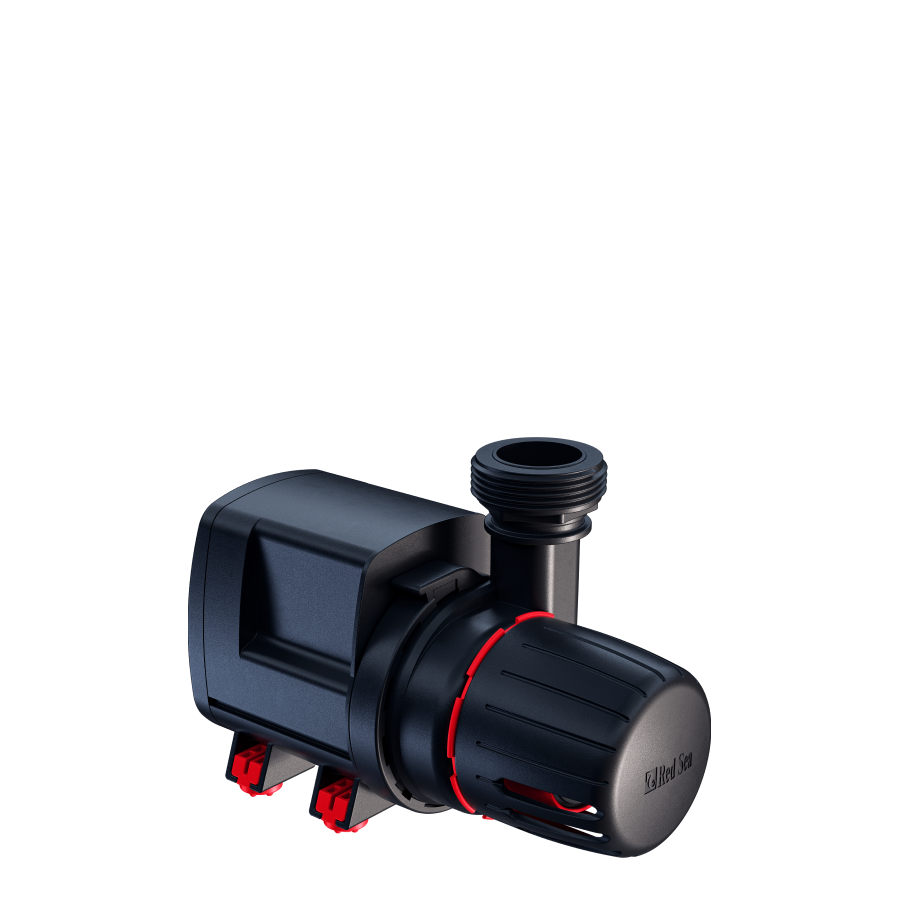
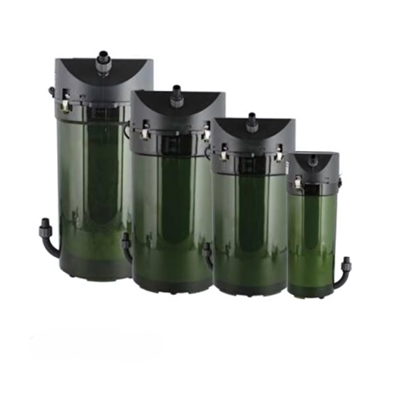
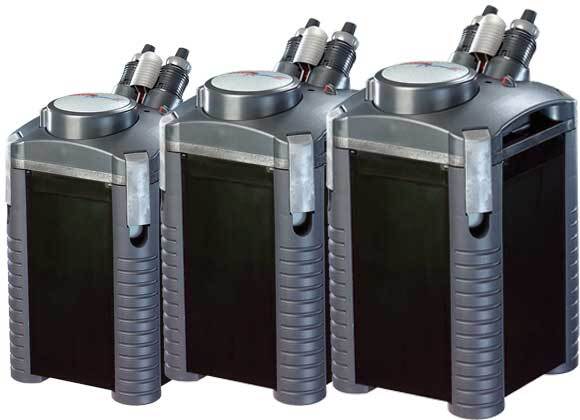
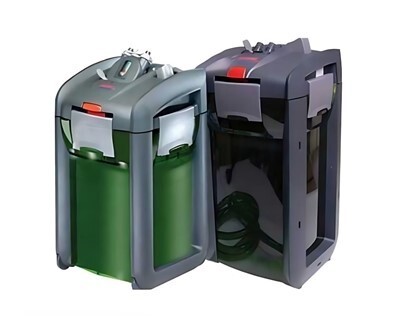
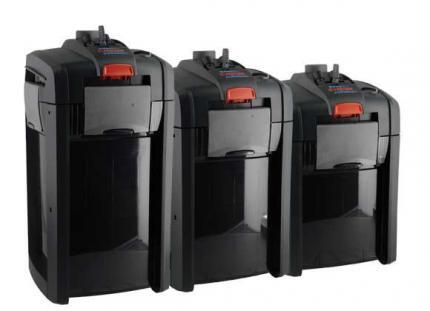
Stronger aeration is one of our favorite summer tools. Warmer water holds less dissolved oxygen, which is why fish sometimes “gasp” at the surface during heat spikes even when ammonia and nitrite look fine on test kits. Clean powerheads, well-tuned canister filters, and extra surface agitation keep oxygen levels higher. This is where energy-efficient pumps and powerheads truly feel like some of the best aquarium equipment for summer stability.
We also like to keep an eye on temperature with more than one method. A dependable digital thermometer or a controller with an alarm helps us spot trends. By logging daily highs through late spring, we can see when tanks start creeping above normal and take action before the hottest stretch arrives.
Your Emergency Overheat Game Plan
When temps suddenly jump, it helps to have a written plan so we are not scrambling. For many setups, a simple step list works well. At a small rise, perhaps around 82°F, we might increase surface agitation and check that fans and chillers are running as expected. As temps climb higher, closer to 84°F and beyond, we can shut off non-essential gear that adds heat, like certain lights or extra pumps, and focus on cooling and oxygen.
Safe rapid-cooling methods include:
- Floating sealed bags or bottles filled with frozen water
- A strong fan blowing across the tank surface
- Opening canopies and stands so trapped heat can escape
We always aim for slow changes, about 1 to 2 degrees per hour, to avoid shocking fish and corals with sharp swings.
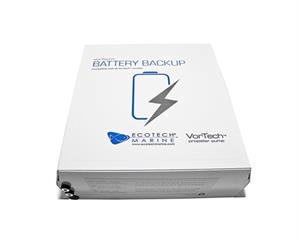
Power outages during heatwaves are extra stressful. We recommend keeping battery-powered air pumps, spare batteries, and simple insulation like blankets or foam on hand. If needed, gentle manual water movement with a clean cup can help keep oxygen moving. For larger reef tanks, some aquarists choose UPS units or generators so filters and key pumps can keep running.
A pre-packed “heatwave kit” is handy. Many people include ice packs, a spare digital thermometer, extra airline tubing and air stones, extension cords, and notes with emergency contacts for local aquarium help.
At Fish Tanks Direct, we care about giving hobbyists the tools to keep their aquariums safe, no matter what the weather is doing outside. Thoughtful planning, the right cooling and ATO gear, and a calm emergency plan help your animals stay healthy and make summer feel a lot less stressful for you too.
Create A Healthier, More Beautiful Aquarium Today
If you are ready to upgrade your setup, we are here at Fish Tanks Direct to help you choose the best aquarium equipment for your tank. From filtration to lighting, we can guide you toward gear that supports both your fish and your aquascape. Have questions about what will work in your specific system or budget? Simply contact us and our team will help you get started.