














Understanding Marine Fish Tank Equipment for Stress‑Free Saltwater Setups
Fish Tanks Direct on Apr 5th 2026
Build a Calm, Stable Ocean at Home
A marine fish tank can feel calm and easy, not stressful and messy. The secret is picking the right equipment from the very beginning so the system stays stable and your fish stay relaxed. When the gear works together, we do less scrambling and more quiet watching.
Many new saltwater hobbyists feel lost when they first see all the pumps, cords, and gadgets. Which parts matter, and which can wait? Our goal is to walk through the main pieces step by step so you can plan a setup that is kinder to both you and your fish.
Spring is a smart time to start or upgrade because room temperatures are usually mild. That makes it simpler to keep the water steady as warm weather comes. In the ocean, fish live in water that barely changes from day to night, and the right gear helps your living room version of the sea feel just as calm.
Choose the Right Marine Fish Tank Foundation
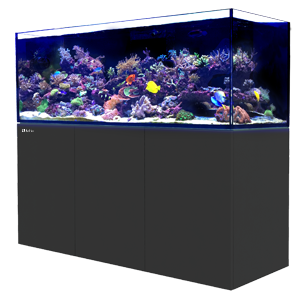
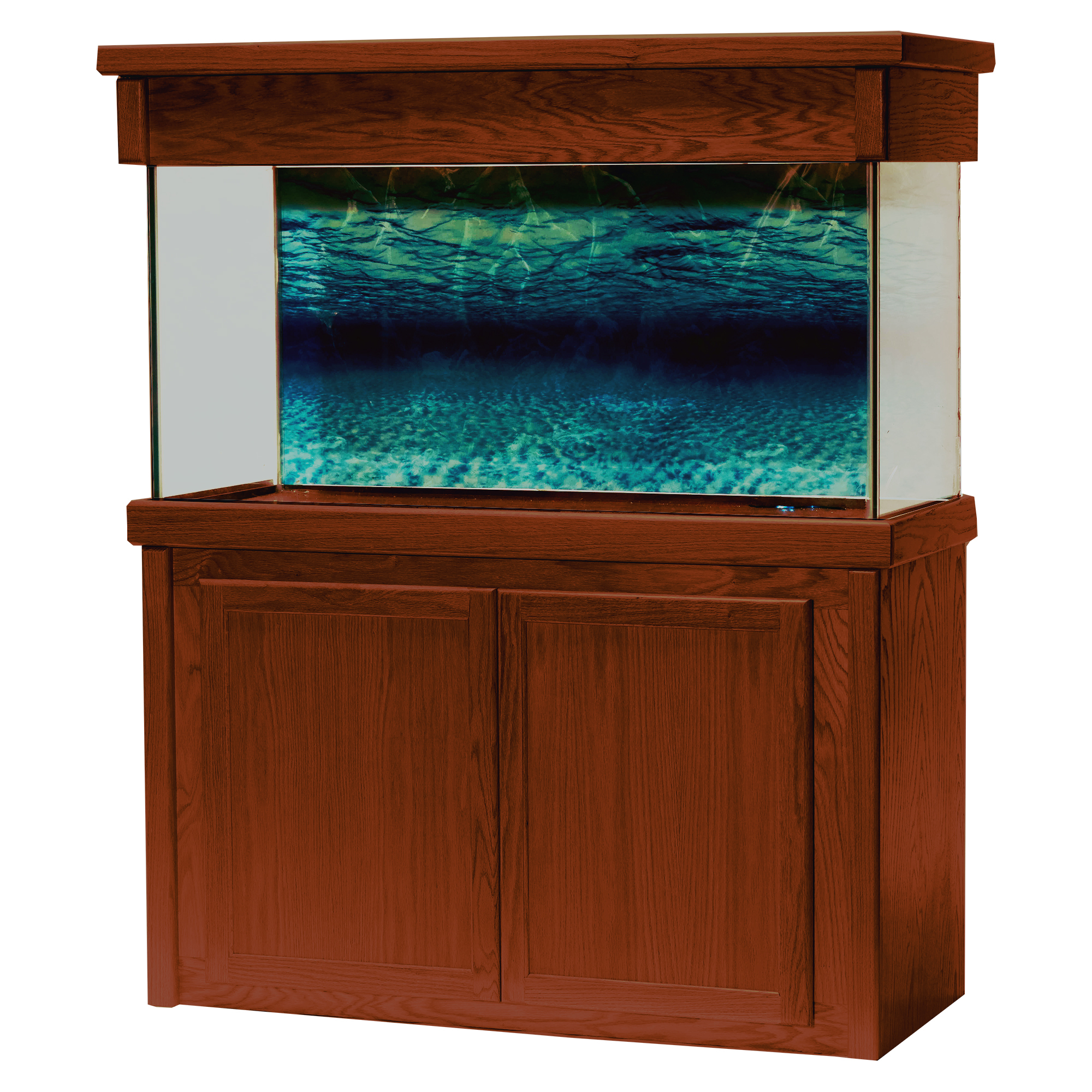
The tank itself sets the tone for everything. A larger marine fish tank is usually more stable, because more water is slower to heat up, cool down, or swing in chemistry. Long, wide tanks often work better than tall, narrow ones, giving fish room to swim and spread out.
Glass and acrylic both work, but they feel different in daily use. Glass tends to be heavier and can resist small scratches better, which many people like for busy homes. Acrylic is lighter, often clearer to the eye, and can be made in custom shapes that tuck into odd corners or match special furniture. With acrylic, we do have to be more careful about scratching while cleaning.
The stand under the tank matters more than most people think. It needs to be level, solid, and made to support the full weight of water, rock, and sand. An uneven stand can cause stress points on the glass or acrylic, which can lead to cracks over time. A firm stand also cuts down on rattling and humming that can bother both fish and humans.
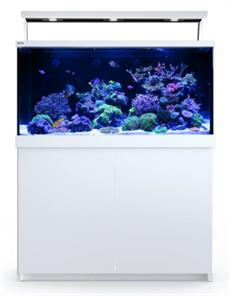
Overflow systems and reef-ready tanks help keep the gear out of sight. Built-in overflows move water down to a sump, then return it quietly, which makes plumbing more tidy and service work easier. Planning ahead for the fish and coral you might want later keeps you from outgrowing that first tank just when you are starting to enjoy it.
Smart Filtration That Keeps Water Crystal Clear
Filtration is where the real work happens. In a saltwater system, three types of filtration work together like a team.
- Mechanical, which catches bits of food and debris
- Biological, which gives bacteria a place to live so they can break down waste
- Chemical, which helps polish the water and pull out unwanted substances
Mechanical filtration usually looks like filter socks, pads, or sponges that trap solid waste. These need to be rinsed or swapped on a regular schedule so they do not clog and become a source of dirt instead of a filter. Biological filtration lives in rocks and in special bio-media. Fun fact: even a tiny scoop of healthy bio-media can hold a huge number of helpful bacteria that protect your fish from sudden spikes of ammonia and nitrite.
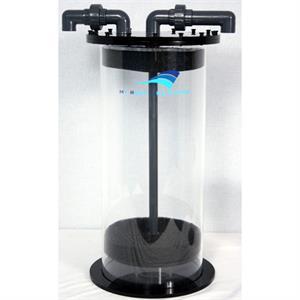
Chemical media such as activated carbon and phosphate removers sit in reactors, media bags, or baskets. They quietly clear water color, smells, and extra nutrients that can feed algae. Changing them on a set routine keeps the tank looking sharp without a lot of extra work.
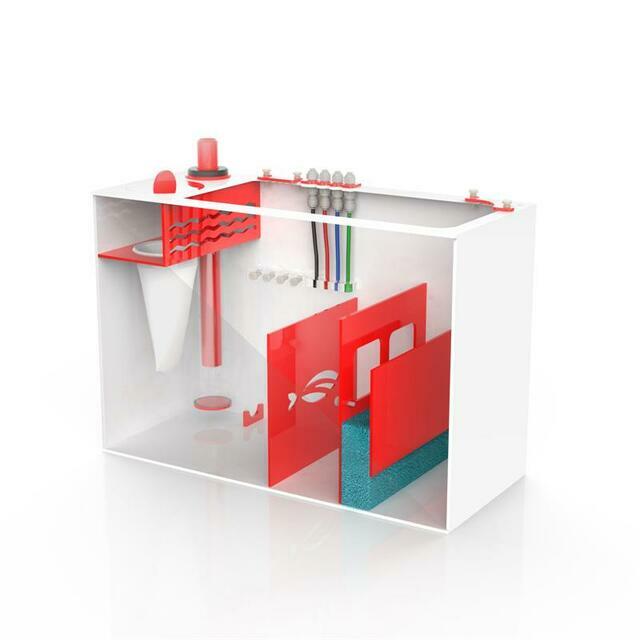
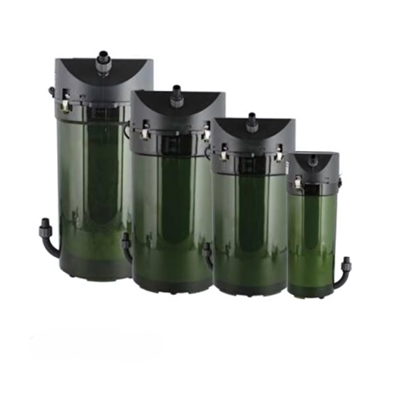
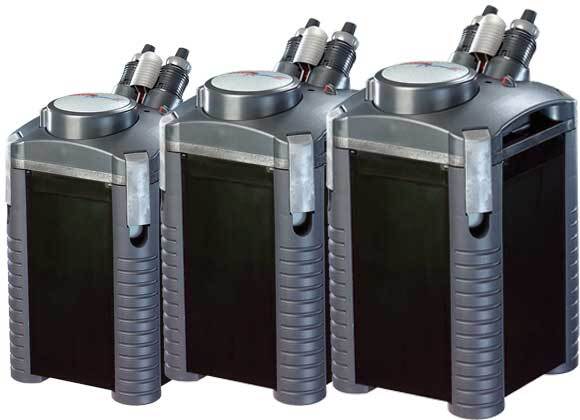
Many saltwater keepers like sump filtration, which sits in a tank below the main display. A sump adds water volume, gives space for a heater, skimmer, and media, and keeps gear hidden. For smaller or simpler setups, a hang-on-the-back filter can still work, especially for fish-only systems.
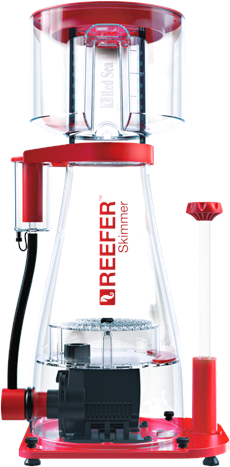
Protein skimmers are a favorite tool in marine tanks. They pull out dissolved organics before those break down. This can mean less algae, better oxygen, and fewer big water changes. When the skimmer is sized well and tuned, it becomes one of the most helpful parts of the system.
Lighting, Flow, and Heat for Happy Marine Fish
Lighting in saltwater is not just about seeing your fish. Light tells fish when to wake, feed, and rest. In reef tanks with coral, light also feeds the tiny algae that live inside coral tissue and give them color.
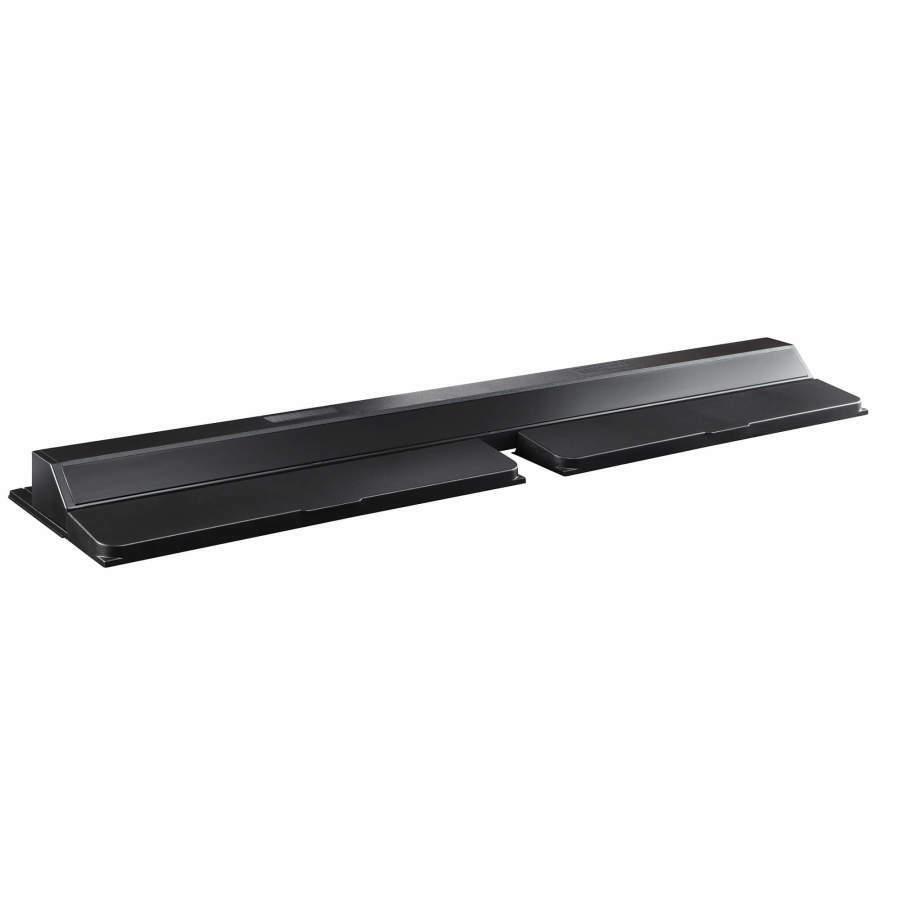
For a fish-only marine fish tank, simple LED fixtures with a steady day and night pattern usually work fine. For reef setups, many hobbyists choose programmable LED lights that can ramp up and down, create sunrise and sunset, and even shift seasons. This gentler cycle is easier on fish and coral than sudden on and off.
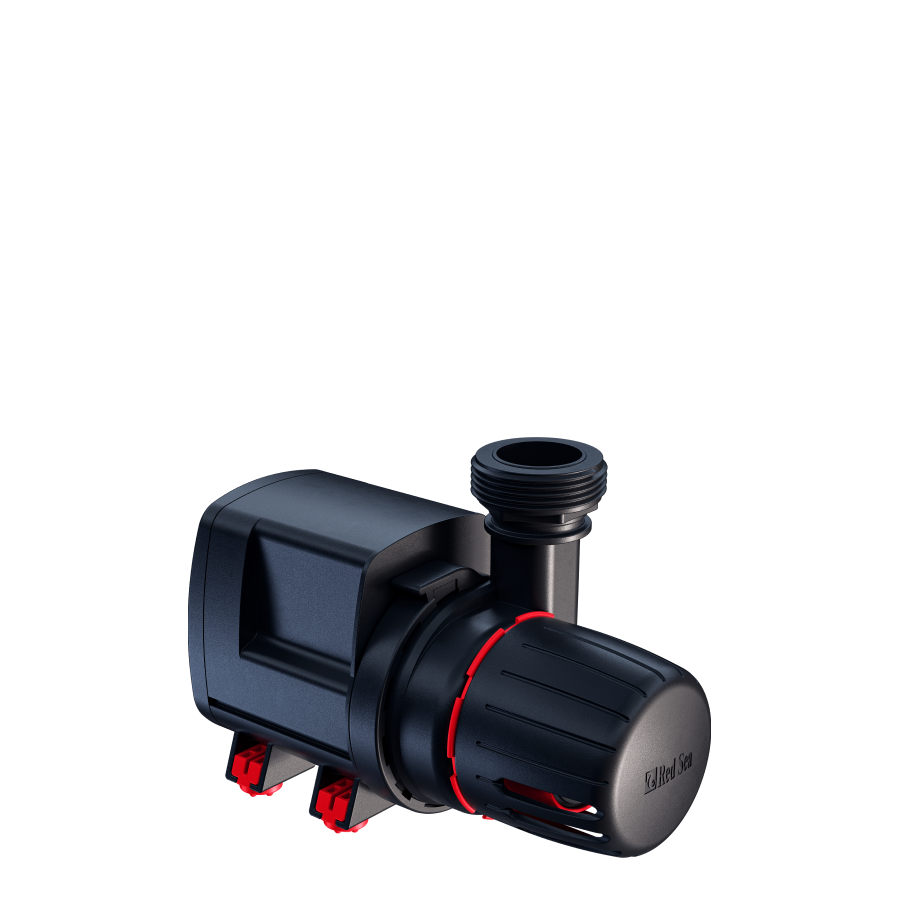
Water movement is just as important. Powerheads and wavemakers keep water flowing around rockwork so waste does not settle in dead spots. Good flow improves gas exchange at the surface and lets fish move against soft currents, more like their natural ocean homes.
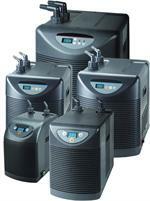
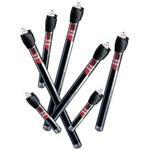
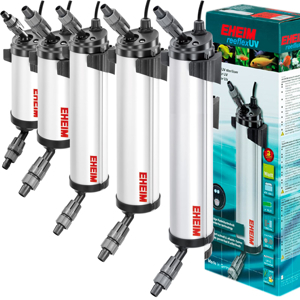
Heat and cooling keep everything stable as outdoor weather swings. A reliable heater in the sump or display keeps the tank from dropping too low on cool nights. In very warm rooms, some people add a chiller or fans to keep temperatures from creeping up. A simple, accurate thermometer lets you see trends before they turn into problems.
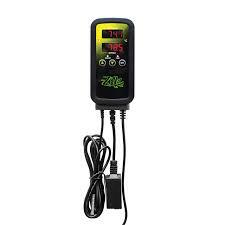
Controller systems can watch temperature, turn heaters or fans on and off, and even control lights and pumps. They are not required, but they can bring peace of mind, especially as the seasons shift from spring into hotter months.
Essential Testing Gear and Stress-Saving Add-Ons
Saltwater stability comes from testing and small, steady adjustments. A basic marine test kit should include checks for:
- Salinity
- Ammonia
- Nitrite
- Nitrate
- pH
If you may add coral later, it also helps to have tests for alkalinity and calcium on hand. Salinity can be measured with either a swing-arm hydrometer or a refractometer. Hydrometers are quick, but a refractometer is usually more precise, and precision really matters in a marine fish tank.
Fun fact: on most tropical reefs, salinity stays so steady that even a small change can stress fish. That is why tools that keep salt levels even are so helpful. An auto top-off system, often called an ATO, adds freshwater to match what has evaporated. Since only water evaporates and salt stays behind, topping off with fresh water keeps the salinity line steady as the air warms.
A few add-ons can make daily care smoother and less rushed:
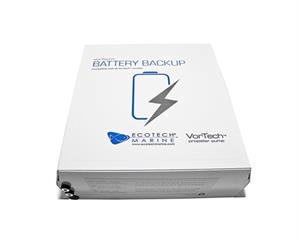
- Battery backups or power blocks to keep pumps running during short outages
- Drip acclimation gear to slowly adjust new arrivals
- Timers for lights so day and night are always consistent
- Dosing pumps for steady, hands-off addition of supplements in reef systems
Each of these trims small chores and helps turn sea life care into a calm habit instead of a race.
Turn Your Equipment Plan Into a Stress-Free Setup
When we put all of this together, the picture gets simple. Pick a solid tank and stand, choose smart filtration with a good skimmer, add steady lighting, flow, and temperature control, and back it with testing tools that keep numbers in line. With those pieces in place, a marine system goes from scary project to quiet, year-round joy.
Planning your equipment list before adding fish gives you time to set up, leak check, and start the cycle so the tank is stable by summer. At Fish Tanks Direct, we focus on aquariums, custom acrylic tanks, full saltwater setups, and equipment bundles that are chosen to work together. Our team can help match gear to your space, your wish list, and your comfort level so your home ocean feels peaceful from the first splash.
Bring Your Marine Vision To Life With A Custom Setup
If you are ready to turn your ideas into a living centerpiece, we can design a marine fish tank tailored to your space, livestock, and goals. At Fish Tanks Direct, our team helps you choose the right dimensions, filtration, and materials so your system is beautiful and practical to maintain. Whether you are planning a home showcase or a commercial installation, we will guide you through every step. If you have questions or want to discuss a project, contact us today.