




Clear Water Without a Sump: HOB/Canister Picks and Tuning
Fish Tanks Direct on Sep 23rd 2026
Crystal-Clear Water Without a Sump
Clear water without a sump is absolutely possible. Many of us keep tanks in apartments, rentals, or rimless setups where a sump is not an option, and we still want that clean, glassy look. With smart gear choices and a little tuning, HOB and canister filters can give you display-tank clarity that holds up even when family crowds around the tank in fall and winter.
We are going to walk through how to build strong mechanical filtration, how to polish the water before big viewing days, where UV sterilizers fit in, how to set your flow, and how often to clean things so you stay ahead of cloudy water. Fun fact: water can look crystal clear but still hold millions of tiny organisms, so what we are really chasing is control of visible particles, not perfectly sterile water.
Building a Strong Mechanical Filtration Backbone
Think of mechanical filtration as the “vacuum cleaner” for your tank. If this part is weak, nothing else can fully fix cloudy water. HOB and canister filters both work great when sized and packed correctly.
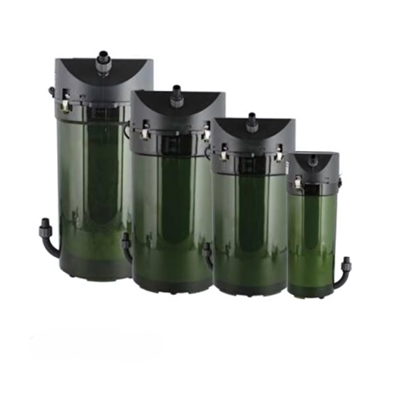
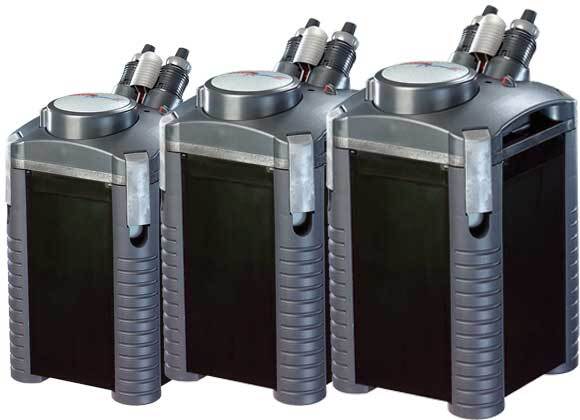
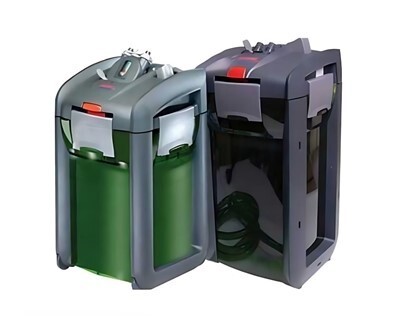
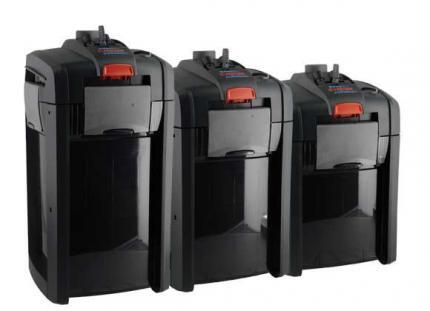
HOB filters are simple and easy to access, perfect for small and medium tanks or lighter stocking. Canisters sit under the tank and hold a lot more media, so they shine on bigger or messy systems. Many hobbyists like:
- One strong HOB on small tanks
- Two HOBs on a mid-size tank like a 55-gallon
- One large canister on bigger or heavy-stocked tanks
Inside the filter, the layout matters:
- Coarse pre-filter sponge to grab big waste
- Medium pads for smaller bits
- Fine pads or floss for tiny dust
Catching big stuff first lets the finer layers work longer without clogging. It also stretches your cleaning schedule, which feels nice during busy colder months when we are indoors more. Aim for total flow of about 5 to 10 times your tank volume per hour, and place intakes where they pull from the lower part of the tank, with returns aimed to ripple the surface.
In canister filters, careful packing can cut down on bypass. Fill baskets so water cannot sneak around the sides, but do not cram media so tight that flow drops too much. Fun fact: public aquariums often use giant drum filters that work in stages, just like you do sponge, then pad, then polishing layer at home. Same idea, different scale.
Polishing Water Like Glass with Fine Media and Add-Ons
Basic mechanical filtration handles the daily mess. Polishing is what you do when you want the tank to look like glass for movie night or holiday guests. It is all about catching ultra-fine particles that normal pads leave behind.
Polishing tools include:
- Fine filter floss
- Dedicated polishing pads
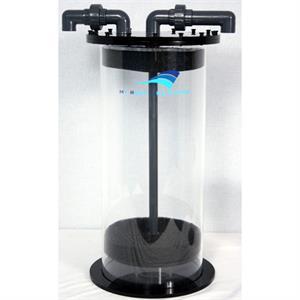
- Micron cartridges or polishing canisters
These can trap particles much smaller than we can see. Fun fact: a single human hair is around 70 microns wide, and some polishing media can catch particles in the 1 to 5 micron range, which is smaller than many single-celled algae.
A simple routine that works well: clean or rinse your coarse sponges and medium pads first, then add polishing media for a day or two. Run it only temporarily so it does not clog and choke your flow. On canister systems, many people keep an extra tray of floss ready to swap in before gatherings, then swap back out once the water sparkles.
You can also use add-ons like small internal polishing filters or in-line polishing canisters that sit on the return line. Water clarifiers can be helpful too, since they clump tiny bits together so your mechanical media can grab them. Just be sure any product you choose is compatible with your type of tank, freshwater or saltwater.
UV Sterilizers, Flow Tuning, and Algae Control
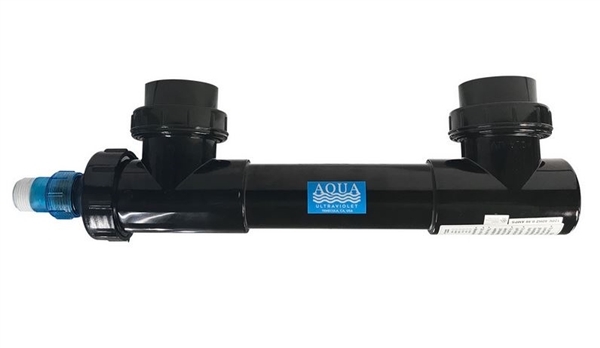
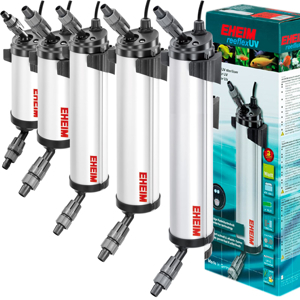
UV sterilizers are great helpers when cloudy problems keep coming back. They do not change water chemistry. Instead, they use UV light inside a sealed chamber to damage free-floating algae, parasites, and some bacteria as water passes by. That means fewer green-water blooms and less hazy film.
For HOB or canister setups, you can:
- Add an in-line UV on the return hose of a canister
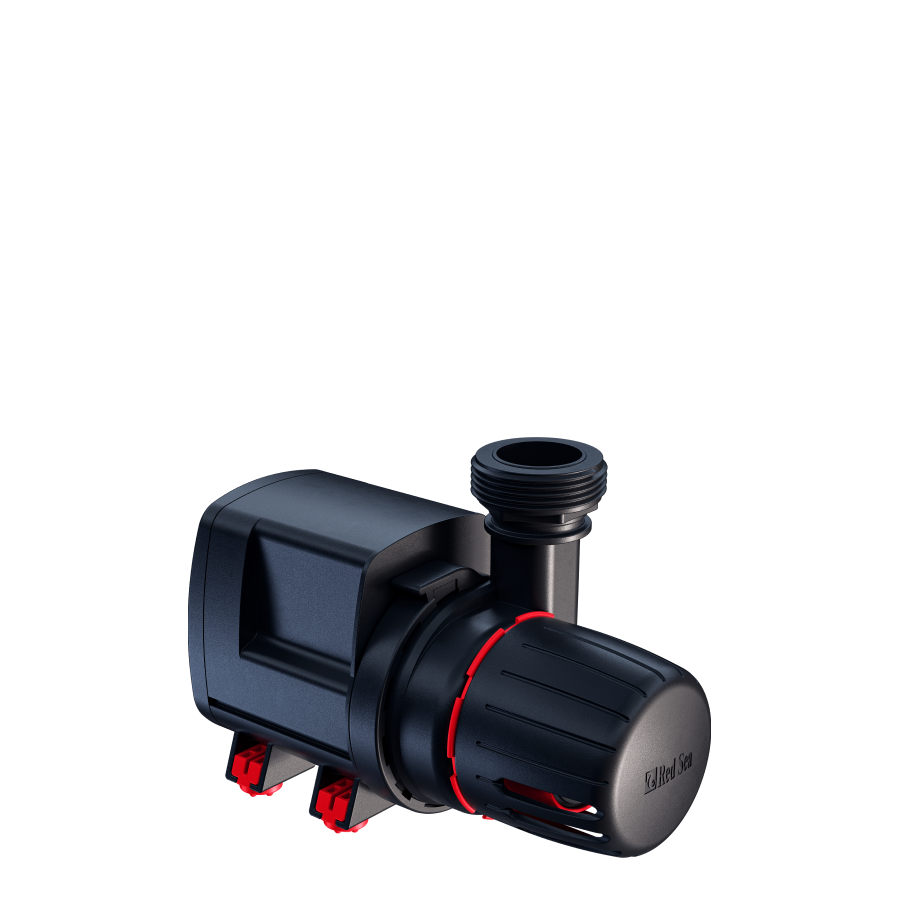
- Run a separate small pump feeding a UV unit
- Use a HOB-style UV that hangs on the back like a filter
The trick is contact time. Water needs to move slowly enough through the UV chamber to get proper exposure. Many units list a recommended flow range, and staying inside that range really matters. If the water races through, the UV might light up nicely, but it will not do much.
Good flow in the tank is just as important for clarity. Your main filter output plus powerheads or wavemakers should:
- Break up dead spots behind rock and decor
- Keep waste floating so filters can grab it
- Ripple the surface for strong gas exchange
When homes are closed up during cooler months, oxygen can dip and films can build up faster. Extra surface movement helps both clarity and fish health. Fun fact: on outdoor ponds, a properly sized UV can clear pea-soup green water in just a few days, which shows how strong UV plus good flow can be.
Smart Maintenance Intervals for Year-Round Clarity
Even with the best aquarium equipment, clarity still depends on steady, light maintenance. The goal is to clean often enough that the system never gets overwhelmed, without tearing everything apart every week.
A simple schedule many tanks follow well:
- Weekly or every other week: Rinse intake sponges and pre-filters in removed tank water
- Every 4 to 8 weeks: Open canister or HOB and rinse mechanical pads
- Seasonal: Do a deeper clean of impellers, hoses, and hard-to-reach spots, which is perfect timing before fall and holiday visitors
Heavily stocked cichlid or reef tanks usually need the short end of that range, while a light planted tank may go longer. Signs you are overdue include slow flow, filters burping air a lot, or cloudiness that comes back soon after a cleaning.
Good gear makes this easier, like:
- Quick-release valves on canisters
- Reusable media baskets you can lift and rinse
- HOB filters with multiple chambers so you can service one side at a time
Fun fact: most of your helpful bacteria live on surfaces, not floating in the water. Rinsing media in tank water, not under the tap, helps keep those colonies in place so your tank stays stable.
Frequently Asked Questions About Clear Water Without a Sump
How Often Should I Clean My Canister Filter?
For many aquariums, every 4 to 8 weeks works well. Messy or heavily stocked tanks may need monthly cleanings, while lightly stocked planted tanks can sometimes go longer. Rinse mechanical media in removed tank water and avoid scrubbing bio-media too hard.
Do I Really Need a UV Sterilizer for Clear Water?
Not always. Strong mechanical filtration and regular water changes can keep water clear in many setups. A UV sterilizer helps a lot if you fight recurring green water, bacterial haze, or want extra support for disease control in a busy tank.
Is a Hang-On-Back Filter Enough for a 55-Gallon Tank?
A single good HOB filter can work on a 55-gallon tank that is lightly stocked and well maintained. Many hobbyists prefer either two quality HOB filters or a canister filter so they get more media volume and better mechanical capture. Aim for at least 5 times the tank volume per hour in total flow.
How Do I Stop My Filter Media From Clogging so Fast?
Use a staged layout. Put coarse pre-filter sponges on intakes, then medium pads, then fine media, and run polishing pads only when you need extra sparkle. Rinse the coarsest layers more often, and watch your feeding and flow so debris does not pile up in dead spots.
What Is the Best Aquarium Equipment for Crystal-Clear Water?
The best aquarium equipment for clear water is a balanced setup, not a single magic item. You want a properly sized HOB or canister filter with layered mechanical media, optional UV sterilizer, steady circulation from powerheads or wavemakers, and user-friendly designs that make simple, regular maintenance easy to keep up with.
Upgrade Your Aquarium With Gear That Makes Maintenance Easier
If you are ready to level up your setup, we can help you choose the best aquarium equipment for your tank’s unique needs. At Fish Tanks Direct, our team focuses on products that keep your fish healthier while making day-to-day care more manageable. Not sure what fits your tank size, stocking level, or experience? Reach out and contact us so we can walk you through the right options.