














Spring Refresh on a Budget: Deep-Clean an Aquarium Without Crashing the Cycle
Fish Tanks Direct on Apr 12th 2026
Spring Clean Your Tank Without Hurting Your Fish
A spring refresh for your aquarium can make your whole room feel lighter. Clear glass, cleaner water, bright fish, and happy plants all stand out more when the tank gets a good reset. The trick is doing it without stressing your fish or wrecking the good bacteria that keep them safe.
A deep clean can go wrong if we scrub everything at once, replace all the filter media, or change too much water in a single day. That is how tanks lose their nitrogen cycle and end up with ammonia or nitrite spikes. We want a fresh, tidy tank, but we also want it stable and calm for the fish.
Here, we will walk through a step-by-step plan that keeps your cycle healthy, uses simple tools, and works for both freshwater and saltwater setups. With the right plan, even very affordable fish aquariums can look like fancy show tanks. Fun fact: many aquarists notice fish become more active and curious after a safe rescape, thanks to less waste and new hiding spots to explore.
Plan Your Spring Refresh Before You Touch the Tank
Before we roll up our sleeves, it helps to know what the tank can handle. A day or two ahead, test your water for ammonia, nitrite, nitrate, and pH. If ammonia or nitrite are above zero, or nitrate is very high, go slower with deep cleaning and focus on small, gentle changes.
Make a simple checklist so you are not hunting for things with wet hands. Helpful items include:
- Dechlorinator
- Buckets or a clean bin just for aquarium water
- Siphon or gravel vacuum
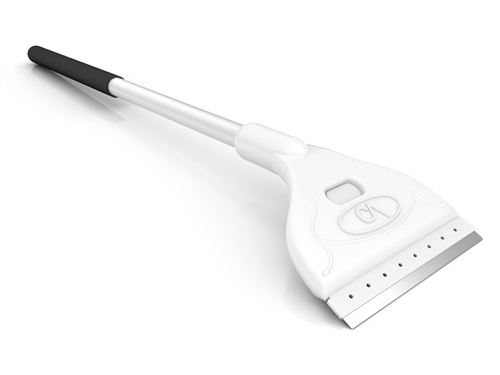
- Algae scraper or pad
- Soft toothbrush or small brush
- Towels for spills
This is also a good time to think about the look of the tank. Do we want to refresh plants, swap out decor, or mostly reorganize what is already there? For a stable tank, we usually put safety first, then style. If the tank has been a little wobbly, we keep changes small and skip big layout shifts for now.
A smart trick is to spread changes out over one or two weeks. For example, clean part of the substrate one day, move larger decor on another day, and handle filter work separately. Fun fact: most beneficial bacteria live on surfaces such as filter media, decor, and substrate, not in the water itself. That is why slow, planned work on those surfaces matters much more than holding on to lots of old water.
Safe Deep Cleaning That Protects Beneficial Bacteria
During a spring refresh, a steady water change plan helps a lot. Many tanks do well with about 20 to 30 percent water changes once a week during this time. For mature, stable tanks, we can sometimes go up to about 40 to 50 percent in one session, as long as the new water is dechlorinated and close to the tank temperature.
When vacuuming the substrate, do not strip the whole bottom all at once. Instead, clean one third to one half of the gravel or sand each time. This removes trapped waste while leaving plenty of biofilm and bacteria untouched. The next week, clean a different section.
For glass and decor, keep it simple. Use an algae scraper or pad on the glass. On rocks, fake plants, and ornaments, a soft toothbrush or smooth brush works well. We avoid soap and household cleaners, since even tiny leftovers can be harmful in water. Heavily soiled decor can be swished in a bucket of old tank water during a water change to knock off the gunk without shocking the bacteria.
If the water gets very cloudy or full of floating waste while we work, it is okay to pause. Let the filter pull some of that out, then keep going later. The nice thing is that all these tools are simple and reusable. With some elbow grease and care, even small, affordable fish aquariums can look almost brand new without fancy gadgets.
How to Clean Filter Media Without Crashing the Cycle
The filter is where a lot of our good bacteria live, so we treat it gently. There are a few things we always skip. We never replace all the filter media at once. We do not blast media under hot tap water. We avoid scrubbing biological media until it looks brand new and bare.
Instead, here is a safe way to handle filter media during a water change:
- Unplug the filter and remove it from the tank or sump
- Fill a bucket with old tank water
- Gently swish sponges and ceramic rings in the bucket to release loose waste
- Squeeze mechanical sponges lightly, do not wring them to death
- Only replace part of the mechanical media at a time, such as one pad or one sponge per week
Mechanical media like sponges and pads catch bits of debris. Biological media like ceramic rings or bio-balls host the bacteria that run the nitrogen cycle. Chemical media like carbon or resins help polish the water. The biological media are the heart of the cycle, so we take extra care not to throw them all away at once.
If we see sudden ammonia or nitrite spikes, cloudy water, or fish breathing fast right after a big filter clean, that can be a sign we went too far. During the week after any major filter work, it helps to test water more often so we can catch problems early. Fun fact: many quality types of bio-media can work for years, and they usually work better when they look a little seasoned instead of pure white or brand new.
Budget-Friendly Rescaping for a Fresh Spring Look
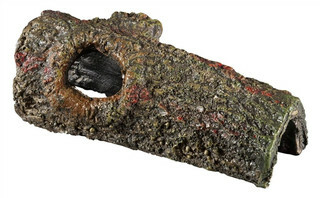
A fresh layout does not have to mean a full shopping spree. Often we can reuse what we already have. Try shifting rocks to create new caves, tilting driftwood a different way, or moving tall plants to the back and shorter ones to the front. Small changes in height and spacing can create whole new sightlines and hideouts.
Low-cost upgrades can still make a big change. Some ideas include:
- A new background to hide cords and wall color
- A few hardy live plants or nicer fake plants
- One standout ornament as a focal point
- A different color or texture of small decor pieces
When we rescape, it helps to work on one side of the tank at a time so fish keep some familiar areas. Keep the filter running if possible and try not to stir the substrate too much at once. If we plan a big hardscape move, it may be safer to place delicate fish or invertebrates in a heated, aerated bucket with tank water until the dust settles.
Lighting and color also make a huge difference. Adjusting LED brightness and duration can support plant growth and cut down algae. Strong contrast, such as dark substrate with light rocks or bright decor with darker backgrounds, can make fish colors stand out more. Fun fact: many nano and budget tanks have won aquascaping contests, which shows that creativity and layout can matter more than tank size or price.
Keep Your Tank Sparkling with a Simple Weekly Routine
Once the big spring refresh is done, a small, steady routine keeps things easy. A basic weekly and monthly checklist might look like this:
- Test water for ammonia, nitrite, nitrate, and pH
- Wipe the inside glass with an algae pad
- Top off evaporated water with dechlorinated water
- Do a 20 to 30 percent water change
- Lightly vacuum a section of the substrate
- Peek at the filter to be sure it is running well
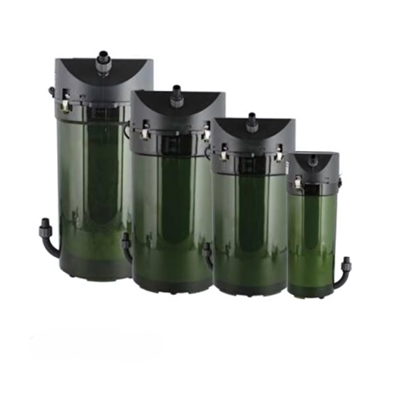
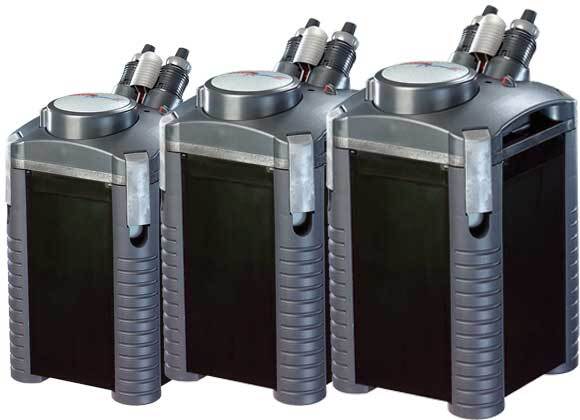
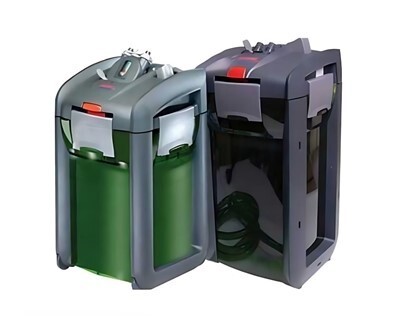
Keeping a simple log of test results, water changes, and rescapes can help us see patterns. If we notice the same algae returning again and again, or water staying cloudy, that can be a sign that the current filter, lighting, or substrate is not quite right for the bioload. That is when upgrading equipment from a trusted source like Fish Tanks Direct can be a smart long-term move. With steady care and the right gear, even very affordable fish aquariums can stay clear, stable, and beautiful all year, so each spring refresh becomes quicker and easier than the last.
Transform Your Space With A Custom Aquarium You Can Afford
If you are ready to bring a vibrant, healthy aquatic centerpiece into your home or business, we are here to help. At Fish Tanks Direct, we design and build affordable fish aquariums tailored to your space, budget, and goals. Our team can walk you through size, style, and equipment choices so you feel confident in every decision. If you have questions or want to discuss a project, contact us today.