
















Bashsea Bio Reactors Setup & Tuning Guide: Media, Flow, Break-In, Care
Fish Tanks Direct on Nov 18th 2026
Unlock Ultra-Clean Water with Bashsea Bio Reactors
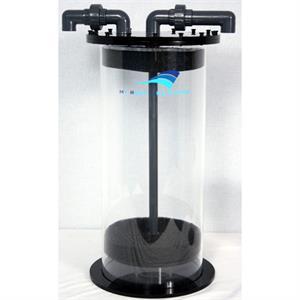
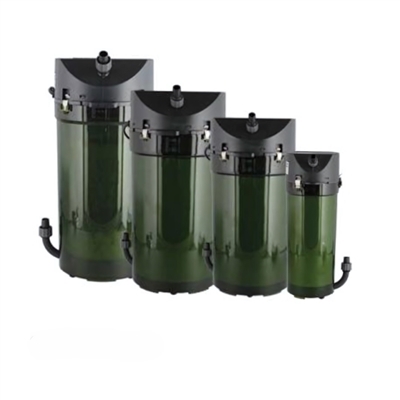
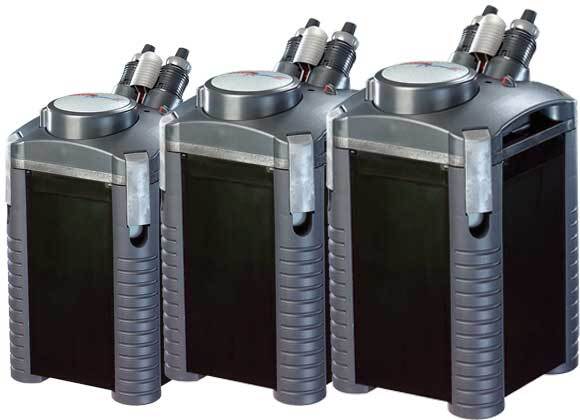
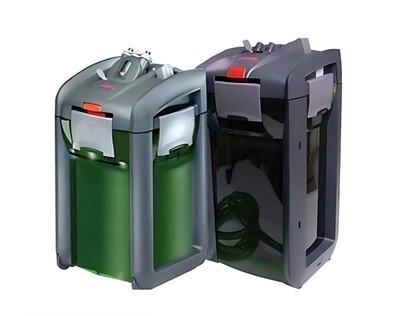
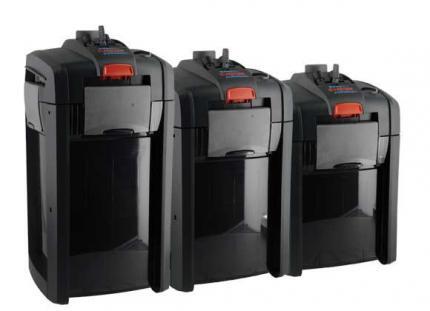
Bashsea bio reactors are simple tools that make a big difference in water quality. They are sealed chambers that hold special biological media while water from your tank flows through. Inside, bacteria grow on that media and eat extra nutrients like nitrate and phosphate. That means clearer water, happier fish, and less gunk building up on glass and rocks.
As days get shorter and the weather cools, most of us feed a little heavier and spend more time away from home. A well-tuned bio reactor helps keep things stable when life gets busy. It supports both reef and freshwater systems, cuts down on algae, and smooths out small mistakes in feeding or top-offs. Fun fact: the surface area packed into one reactor full of media can rival the biological power of hundreds of pounds of live rock.
In this guide, we will walk through how to pick the right Bashsea reactor, choose media, set your flow, handle the break-in period, and follow an easy maintenance schedule that works all year.
Choosing the Right Bashsea Bio Reactor for Your System
Picking a reactor starts with three things: tank size, bioload, and type of setup. Total system volume means your display plus sump. A light freshwater community with a small bioload does not need the same power as a large SPS reef or predator tank.
Use these simple points when choosing:
- Lightly stocked freshwater or softie reef: smaller Bashsea reactor, moderate media
- Mixed reef or busy community tank: mid-size reactor for extra nutrient control
- Heavy predator or SPS reef: largest model or two reactors in series
Tank style matters too. Fish-only or soft coral tanks usually focus on nitrate control. High-demand SPS tanks need more precise tuning so corals still get some nutrients for color and growth. In those cases, a larger reactor body with careful control of media volume and flow gives you more room to adjust.
Footprint is another big piece of the puzzle. Some stands and sumps are tight on space, especially in living rooms and offices. Bashsea reactors pair well with common return and utility pumps that many hobbyists already run. You can:
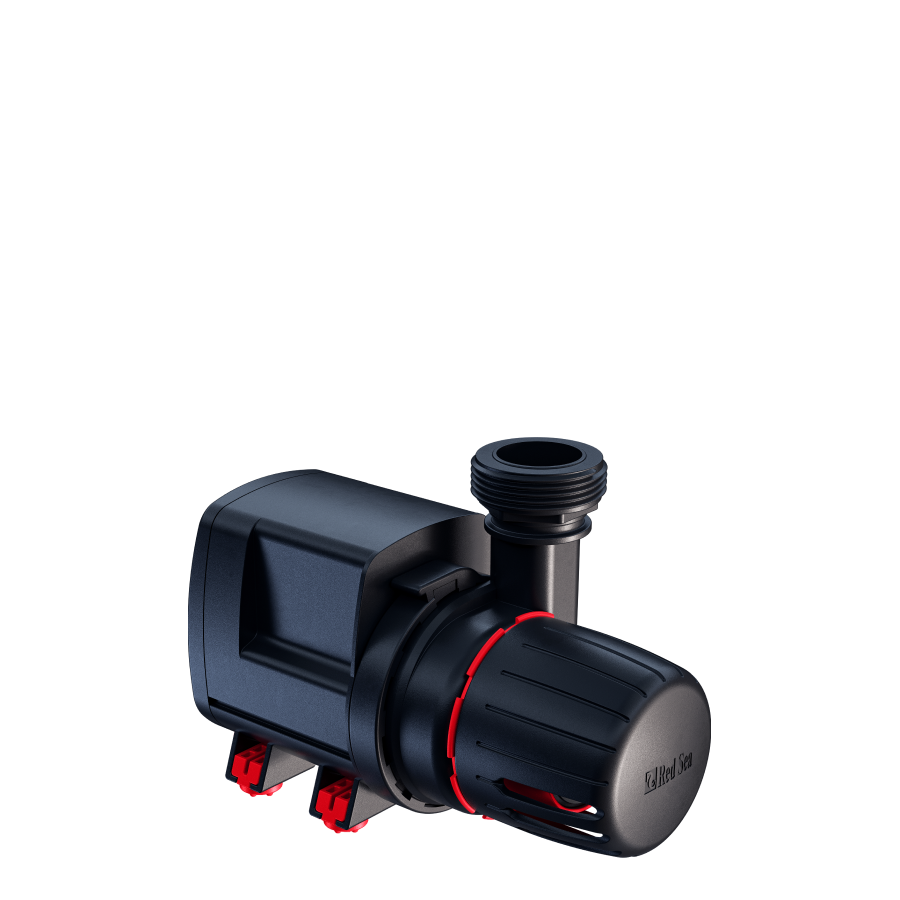
- Feed the reactor with a small dedicated pump in your sump
- Tee off your main return line if you have enough flow and use a valve
- Place the reactor where you can easily reach the lid and ports for cleaning
Fun fact: some hobbyists put their bio reactor on backup power because biological filtration tends to bounce back faster after an outage than many other systems.
Smart Media Choices for Bashsea Bio Reactors
Once you have the reactor body, the media you pick decides what kind of filtration you get. Bashsea bio reactors work with several media styles.
Common choices include:
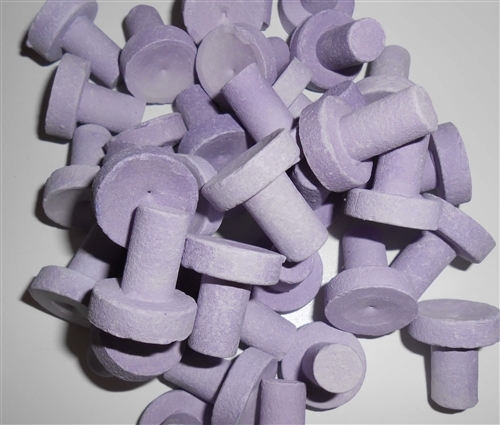
- Biopellets for strong nitrate and phosphate export in saltwater
- Ceramic or sintered rings and blocks for steady biological support
- Macro-porous plastic media for durable, easy to rinse surface area
- Specialized nitrate-removal media for problem systems
For saltwater reefs, biopellets are popular, especially on tanks with heavy feeding and skimmers. They are best when you want aggressive nutrient export. Ceramic and macro-porous plastics are great for both reef and freshwater when you want long-term stability with less babysitting.
Freshwater community tanks usually do well with ceramic or plastic media, which give fish and plants a stable base without swinging nutrients too hard. Heavily stocked predator tanks can use a mix of large-capacity ceramic or plastic media and, if needed, a second reactor with nitrate-focused media.
To avoid shocking your system, start with less media than the label suggests, often around half the recommended amount. Then:
- Test nitrate and phosphate weekly
- Add more media slowly if levels stay high
- Give the tank time between changes so bacteria can catch up
Fun fact: some high-surface-area media can host not just bacteria but tiny microfauna that become bonus snacks for corals and picky fish.
Dialing in Flow Rates and Break-in for Stable Results
Flow is where things really come together. Your pump size and valve control set how much water runs through the reactor. For biopellets, you want a gentle tumble where pellets roll over each other but do not smash around. For static media like ceramic, you want steady flow through the bed without blasting channels.
Easy visual checks:
- Biopellets: soft, rolling motion, no dead corners, no violent churning
- Static media: even flow at the outlet, no media boiling or lifting out of place
As seasons shift into late fall and winter, we often feed a bit more and open windows less, so tank temperatures and evaporation rates change. It can help to bump flow slightly if you see nutrients creeping up, or back off a little if corals start to pale. Always pair flow changes with regular water tests.
The break-in period is where many hobbyists get nervous. Bacteria need time to grab onto the media and grow. Most tanks see the first small changes to nitrate and phosphate within a few weeks. Things usually feel more steady after roughly one to two months. During this time:
- Avoid big changes to feeding or other filters
- Watch for signs of stress in corals, plants, and fish
- Adjust in small steps, not huge jumps
Fun fact: under good conditions, beneficial bacteria can double in hours, but the tank as a whole still needs slow, steady tweaks to stay stable.
Maintenance Made Easy: Cleaning, Checks, and Media Changes
A little routine work keeps your Bashsea reactor humming along. You do not need to baby it every day, just follow a simple schedule.
Weekly:
- Check that the pump is running and the outlet looks normal
- Make sure pellets are tumbling or static media is not compacted
- Listen for new noises or rattles
Monthly:
- Inspect tubing and fittings for salt creep, kinks, or buildup
- Gently rinse sponges or pre-filters in removed tank water
- Confirm that valves still move smoothly
Every 3 to 6 months, depending on bioload and media type, plan a deeper clean. The goal is to tidy things up without wiping out your bacteria:
- Turn off the pump and close valves
- Remove a portion of the media, not all of it
- Rinse that portion in a bucket of aquarium water, never under tap water
- Put it back and repeat with the rest next time, so there is always seasoned media in place
Biopellets that clump can be gently broken up by hand or with a quick shake of the reactor body while it runs. If flow slows in winter due to thicker biofilm and cooler room temps, a light rinse of screens and a quick pump cleaning is usually enough. Noisy pumps often just need a simple impeller check.
Fun fact: that light brown or clear slime on your media is usually a sign of strong bacterial growth, not a problem. Over-cleaning to remove all slime can actually set your system back.
Your Next Steps to a Clearer, Lower-Maintenance Tank
When you put it all together, a Bashsea bio reactor becomes one of the most relaxing pieces of gear on your system. You pick a reactor sized to your tank and bioload, choose media that fits your goals, set a moderate starting flow, then give it time to break in. From there, you just follow a simple calendar of checks and light cleanings.
Planning upgrades before the busy winter holiday season helps a lot. That way your reactor is already dialed in when travel, parties, and colder weather hit. Many long-term hobbyists report their best water clarity and coral color after adding a well-tuned reactor, and often with less daily effort than before. At Fish Tanks Direct, we enjoy helping hobbyists match Bashsea bio reactors, pumps, and media to both standard and custom setups so the whole system works together smoothly.
FAQs About Bashsea Bio Reactors
How Do I Know What Size Bashsea Bio Reactor I Need?
Choose based on total system water volume and how heavy your bioload is. Lightly stocked tanks can use a smaller reactor, while heavily fed reef or predator tanks benefit from a larger model or even multiple reactors. When in doubt, it is usually safer to go a bit bigger on the reactor body and fine-tune results with media volume and flow rate.
Can I Run Multiple Types of Media in One Bashsea Bio Reactor?
It is normally better to run one media type per reactor so you can tune flow correctly and track what it is doing. Different media want different flow patterns, and mixing them can lead to clumping or channeling. If you want biopellets plus mechanical or chemical media, run them in separate reactors one after the other.
How Long Does It Take for a Bashsea Bio Reactor to Break In?
Most setups see early changes within a few weeks and more stable performance by around two months. The exact timing depends on tank age, starting nutrient levels, and the media you use. During break-in, try to keep other filtration and feeding steady so you can clearly see how the reactor affects nitrate and phosphate.
Should I Turn Off My Reactor at Night or During Feeding?
Keep your Bashsea bio reactor running all day and night for best stability. Long off periods can lead to low oxygen in the media bed and possible bacterial die-off. For heavy feeding, watch your nutrient tests and adjust reactor flow or media amount slowly instead of switching it on and off.
What If My Nitrates and Phosphates Drop Too Low?
If nutrients bottom out, reduce the flow through the reactor or remove some media, then test every few days. Extremely low nutrients can stress many corals and some plants. A small bump in feeding or more target feeding, combined with a slightly scaled-back reactor, usually brings things back into a healthy range.
Optimize Your Aquarium’s Filtration Performance Today
Give your system the reliable, high-efficiency filtration it deserves with our selection of Bashsea bio reactors designed for serious hobbyists and professionals. At Fish Tanks Direct, we help you match the right reactor to your tank size, bioload, and long-term goals so your livestock thrives. If you need guidance choosing equipment or planning an upgrade, just contact us and our team will walk you through the best options for your setup.