




Aquarium Upgrade Checklist: Reuse, Replace, or Upsize for a Bigger Tank
Fish Tanks Direct on Nov 4th 2026
Plan Your Bigger Tank Upgrade Like a Pro
Upgrading to a bigger aquarium is the perfect time to level up your whole setup, not just the glass box. A larger tank means more stable water, happier fish, and usually easier maintenance once everything is dialed in. The key is planning the move like a project, not a rush job on a Saturday afternoon.
Our goal with an equipment audit is simple: decide what to reuse, what to replace, and what to upsize so the new tank runs smoother and more stable than the old one. We also want to spread the big purchases out over a few weeks, starting with life-support gear, then moving to the fun stuff like lights, stands, and decor. Quick fun fact: the more water your tank holds, the slower things like pH and temperature swing, which makes keeping good water chemistry much easier than with a tiny starter tank.
Pre-Upgrade Snapshot of Your Current System
Before we even look at new gear, we want a clear picture of what we already have. Grab a notepad or simple spreadsheet and list:
- Tank size and dimensions
- Filter type and rated flow
- Heater wattage and age
- Lighting brand and model
- Air pumps, powerheads, or wavemakers
- Test kits and their expiration dates
- Stand, canopy, lids, and any automation like timers or ATO
Next, think about your current and future livestock. Note:
- Fish species and rough counts
- Inverts and corals for saltwater tanks
- Plants for freshwater tanks
- What you hope to add once you have more space
This gives us a basic idea of bioload, which drives how much filtration and flow we will need when we scale up.
Then, write down your pain points. Is the filter noisy? Is cleaning a chore? Do you fight algae, cloudy water, or temperature swings whenever the weather changes? Also list your wish items, like a rimless display, a sump, or just more room for aquascaping. The new tank should fix those problems, not copy them.
What to Reuse Safely When You Upgrade
A bigger tank upgrade does not mean throwing everything out. Some of your current gear and biology can serve you very well.
Biological assets are gold. You can reuse:
- Established filter media
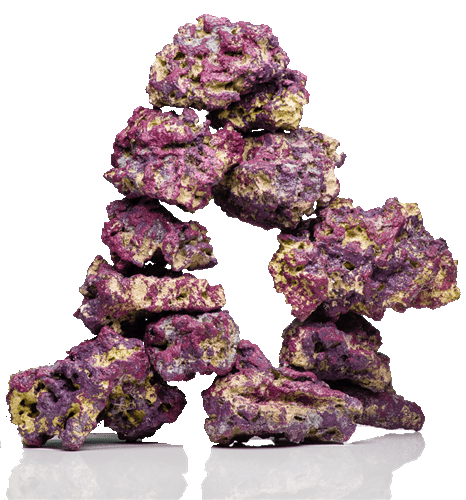
- Live rock and live sand for saltwater
- Healthy plants and hardscape from freshwater tanks
Rinse these gently in old tank water to remove gunk, and check for pests or nuisance algae. Try not to stir deep, dirty layers of old sand, since that can release trapped waste.
Many types of equipment scale up nicely if they are good quality:
- Powerheads and wavemakers for extra flow
- Automatic feeders
- Timers and controllers
- LED lights, if the PAR and spread are enough for the deeper tank
- Test kits that are still in date and reading reliably
Stands, canopies, and decor can sometimes move with you. This works best when the footprint and weight rating match the new tank, and the furniture is still solid and safe. If the new aquarium is much larger or taller, a new stand may be smarter than trying to push an old one past its limit. Fun fact: beneficial bacteria live on almost every wet surface in your tank, not just in the filter, which is why reusing rock and decor can really help speed up the cycle.
What to Replace and What to Upsize
Some things should never make the trip to your new system. Old heaters are a top concern. If a heater is aging, has sticky controls, or shows rust or cracks, it is safer to start fresh. The same goes for brittle plastic fittings, cracked hoses, salt-crusted power strips, and any metal part that shows rust.
You may also have gear that technically works but does not serve you well anymore, like:
- Loud hang-on-back filters that are hard to prime
- Weak or color-shifted lights that wash out colors
- Old test kits that always read “off”
- Manual top-offs on saltwater systems that cause salinity swings
Replacing these before the move avoids sudden failures later, when the tank is larger and more stocked.
When it comes to upsizing, we look at the main life-support pieces.
Filtration and flow:
- For freshwater, aim for around 4 to 8 times your tank volume per hour in total turnover
- For saltwater, plan for roughly 6 to 10 times or even more, especially for reefs
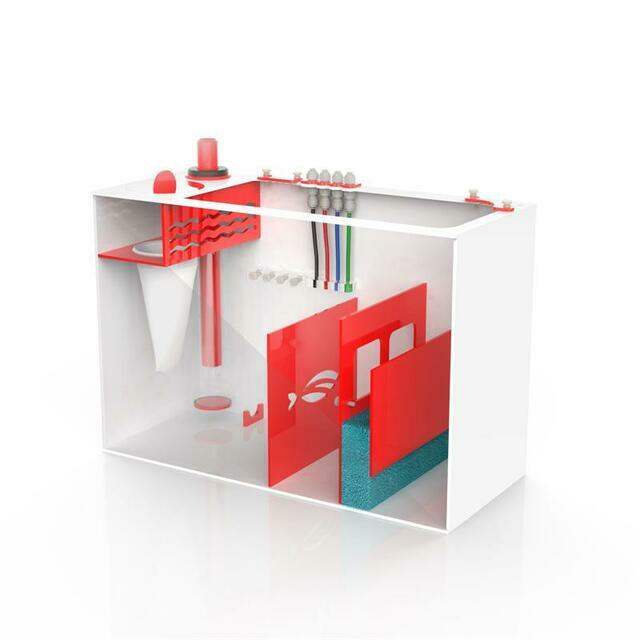
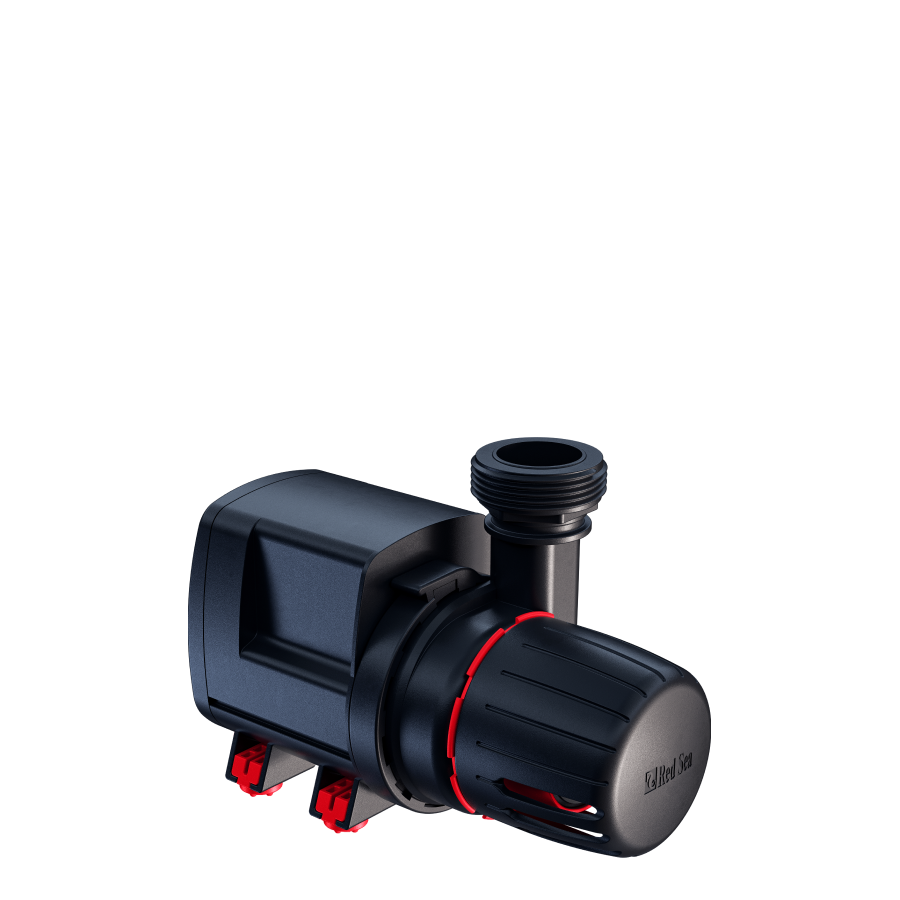
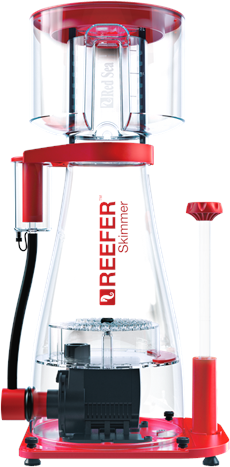
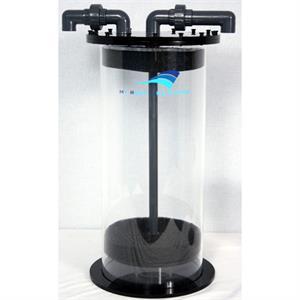
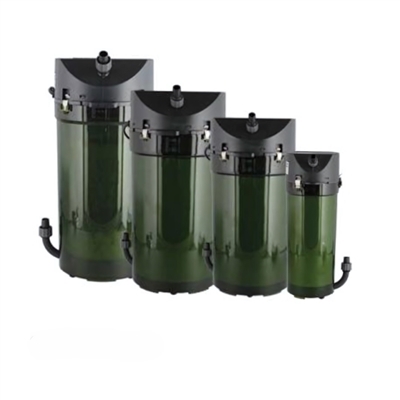
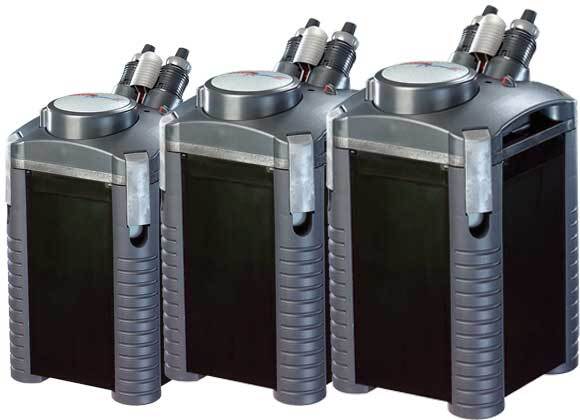
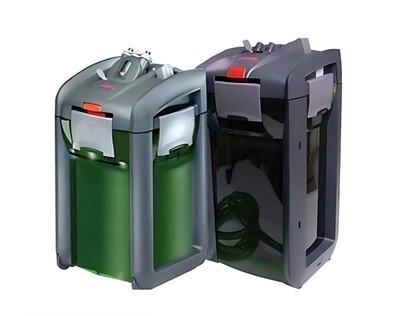
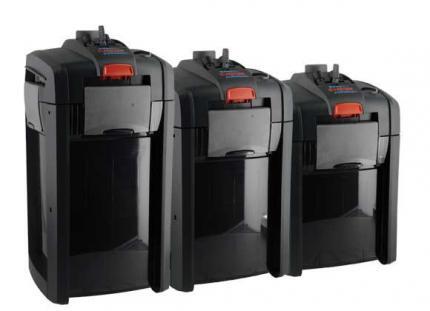
Decide if the new tank will run a canister, hang-on-back, or sump. Your current filter can often move over as a helper filter, while a larger canister or sump takes the main load. Add powerheads or wavemakers sized to the new tank length so there are no dead spots.
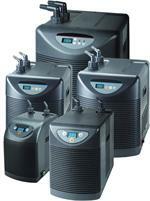
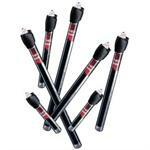
Heating and temperature control matter a lot when the weather cools down. A common rule is about 3 to 5 watts per gallon, depending on how warm your home stays. Many keepers prefer two smaller heaters instead of one large unit, so if one sticks on or fails, it is less of a shock.
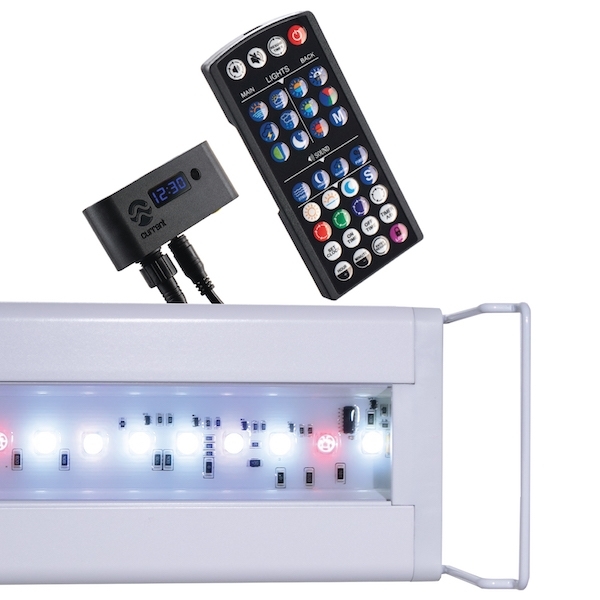
Lighting needs grow with tank depth and width. Planted freshwater tanks need enough PAR at the bottom. Reef tanks need solid intensity and spread for corals. If your current light is too small for the new display, you can often reuse it on a quarantine tank or smaller secondary setup. Many of the best aquarium equipment lines are modular or linkable, so you can add a second fixture later if you want more power or coverage.
ROI Priorities and a Simple Phased Upgrade Plan
To keep things budget-friendly, think in tiers of ROI.
Tier 1, life support:
- Filtration
- Heaters
- Basic circulation
These protect your livestock and give you stable water. Redundancy here, like backup filters or two heaters, pays off in less stress and fewer emergencies.
Tier 2, health and performance:
- Quality lighting
- Fresh, accurate test kits
- Auto top-off for saltwater
- High quality food
These help with growth, color, and fewer disease problems.
Tier 3, convenience and looks:
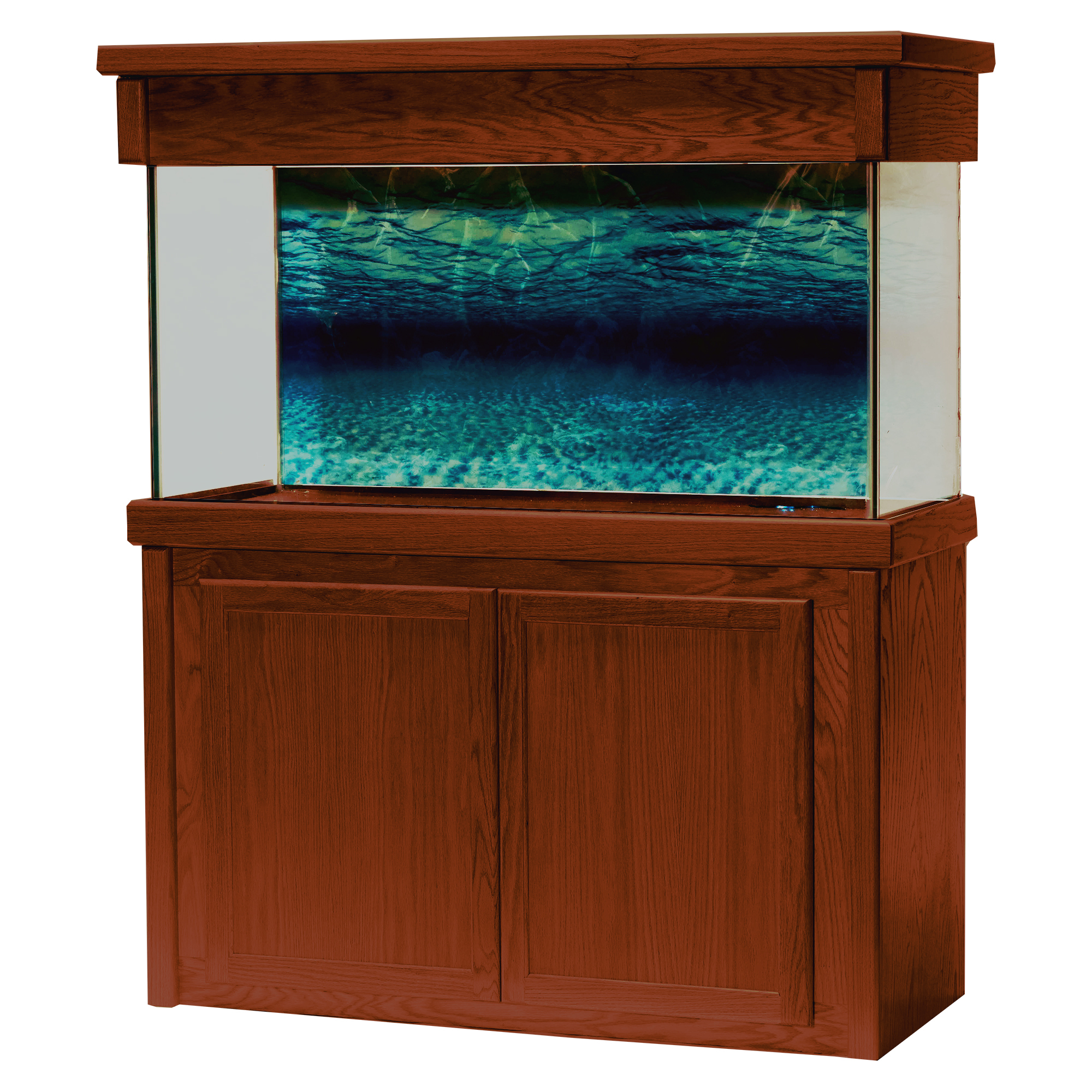
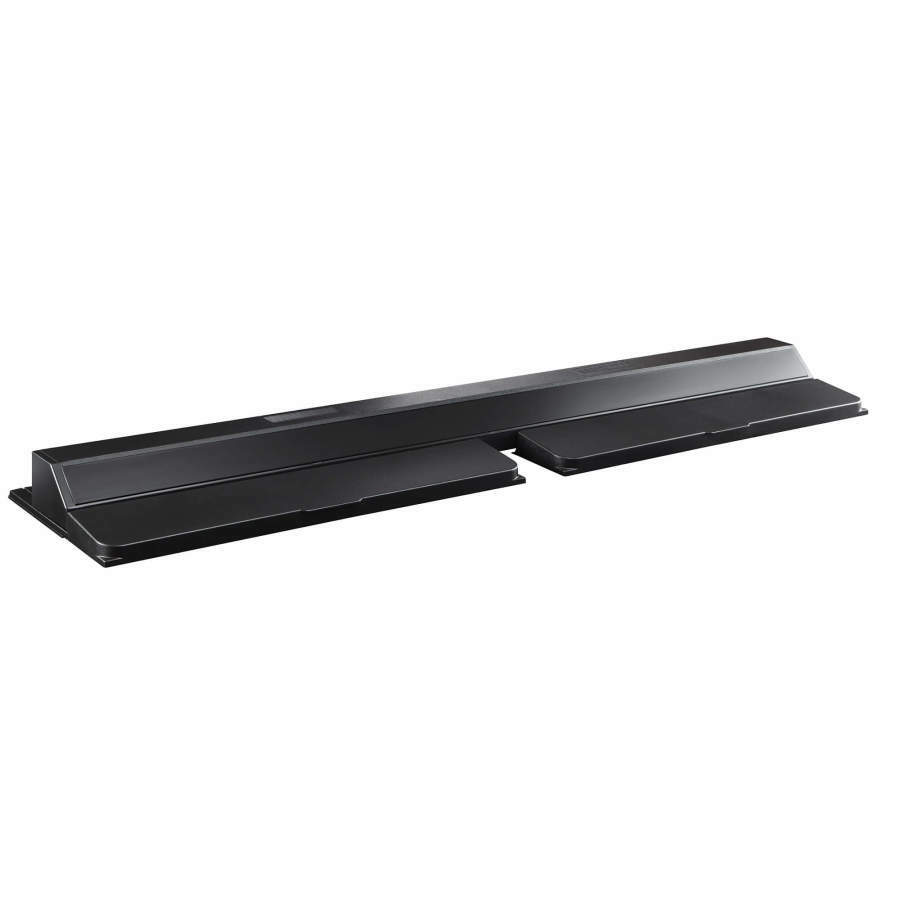
- Stands, canopies, and cabinets
- Cable management and power centers
- Backgrounds and upgraded decor
These are perfect for later phases once the tank is running smoothly.
Here is a simple phased timeline that works well for many hobbyists.
Phase 1, about 4 to 6 weeks before upgrade:
- Research and buy Tier 1 gear
- Leak test the new tank and plumbing
- Rinse new substrate and rock
- Start pre-cycling your new filter with seeded media from the old tank
Phase 2, about 1 to 2 weeks before move:
- Set up the new tank with filtration, heaters, and basic light
- Check temperature and water parameters daily
- Move over some hardy live rock or plant cuttings to help seed
Phase 3, move day and first month:
- Gently transfer livestock, starting with the hardier fish
- Run old and new filters together on the bigger tank for several weeks
- Add new fish or corals slowly
- Fold in Tier 2 and Tier 3 upgrades as you go, like better lights or nicer stands
Fun fact: many aquarium fish can live far longer than most people think when water quality and diet stay steady and strong, so all this planning really pays off over time.
FAQ
How Do I Know If My Current Filter Is Big Enough for My New Tank?
Check the rated capacity on the filter and compare it to your new tank volume. Aim for a total turnover of 4 to 10 times the tank volume per hour, depending on whether it is freshwater or saltwater and how heavy your bioload is. If your current filter falls short, use it as extra filtration and add a larger main unit.
Can I Reuse My Gravel, Sand, or Live Rock in a Bigger Tank?
Yes, you can reuse them, but rinse or swish them in removed tank water to get rid of built-up detritus. Inspect for pests, nuisance algae, or foul smells. Avoid deeply stirring very old sand beds, and use clean, healthy live rock as a strong seed for the new setup.
Do I Really Need to Replace My Heater When I Upgrade?
If your heater is older, undersized, or has acted strangely, replacing it is a smart move. A bad heater can cause quick temperature swings that stress or even kill fish. Upgrading during the move lets you size it properly for the new volume and add a backup if needed.
Is It Better to Buy the Best Aquarium Gear Now or Upgrade Later?
It works well to buy high quality core equipment for filtration, heating, and circulation right away, then upgrade lighting and convenience items in stages. This approach gives you strong life support from day one while still spreading out the rest of the spending.
How Long Should I Run Old and New Filters Together in Bigger Tank?
Run both filters at the same time for at least 4 to 6 weeks, or until your tests show steady zero ammonia and nitrite. This overlap lets beneficial bacteria build up in the new filter so the system can handle the full bioload before you remove or repurpose the old one.
Create A Healthier, More Beautiful Aquarium Today
Ready to upgrade your setup with gear you can rely on? Explore the best aquarium equipment curated by our team at Fish Tanks Direct to support thriving fish and crystal-clear water. If you have questions about sizing, compatibility, or what to buy next, just contact us and we will help you choose the right equipment for your tank.