

















Why Aquarium Pumps Are the Hidden Engine of Stable Fish Tanks
Fish Tanks Direct on Oct 14th 2026
The Quiet Powerhouse Behind Every Healthy Aquarium
An aquarium pump is the heart of your tank. It keeps water, the lifeblood of the system, moving every minute of the day. When the pump is right, fish stay calmer, water smells fresh, and the whole tank looks alive instead of flat and still.
In simple terms, an aquarium pump pushes water around. That movement helps your filter work, adds oxygen to the water, and keeps temperature more even from top to bottom. When we get into cooler fall weather and room temps start to swing, a steady pump can be the difference between a stable tank and stressed fish. Understanding how pumps work, and how to pick the right one, helps stop algae blooms, cloudy water, gasping fish, and sudden changes that catch you off guard.
At Fish Tanks Direct, we work with everything from small freshwater community setups to large custom acrylic saltwater systems, so we see how much difference the right pump makes every single day.
How Aquarium Pumps Keep Your Water Alive
Still water in a fish tank might look peaceful, but inside, things can go bad fast. Without flow, waste and uneaten food pile up in quiet corners. Oxygen gets used up faster than it is replaced, and some areas of the tank become dead zones where nothing really thrives.
A good aquarium pump keeps the water moving in a gentle, steady loop. That movement:
- Breaks up dead spots behind rocks and decor
- Keeps debris floating so the filter can grab it
- Helps warm and cool water mix so the whole tank stays closer to one temperature
Your filter can only clean what passes through it. If your pump is too weak, water just swirls near the top or in one area, and a lot of waste never reaches the filter media. With proper flow, water is pulled through:
- Mechanical media, to trap particles
- Biological media, where helpful bacteria live and process ammonia and nitrite
- Chemical media, like carbon, that polishes the water
There is also an important oxygen piece. When your pump moves water along the surface, it creates ripples and small waves. This surface movement lets fresh oxygen enter and stale gases leave. As homes get sealed up in cooler weather, indoor air can feel stuffy, and tanks with poor surface movement can drop in oxygen more easily. Strong, steady circulation keeps fish, corals, and bacteria breathing comfortably.
Fun fact: In nature, many reef fish hang out in spots where ocean currents deliver food right to them, similar to how a well-tuned pump carries tiny bits of food to corals and filter feeders in a home reef.
The Hidden Impact of Flow on Fish Health and Behavior
Water flow does more than just move dirt. It shapes how fish feel and act. When flow is steady and sized correctly for the tank, water quality stays more stable. Stable water means less stress, and less stress often means fewer sickness problems and longer lives.
The right current also brings out natural behavior. You might see:
- Schooling fish grouping up and swimming in the current
- Bottom dwellers sifting through gently moving sand or gravel
- Corals opening wider when they get a comfortable, changing breeze of water
Too much flow can be just as rough as too little. If fish are pinned to one side of the tank, hiding behind decorations, or breathing hard while fighting the current, the pump might be too strong or pointed wrong. On the other hand, bettas, fancy goldfish, and some slow swimmers prefer soft, gentle flow with calm areas to rest. River species, like some tetras and loaches, often enjoy stronger, directional currents they can swim against.
For unique or large custom acrylic tanks, it helps to plan all this early. Intake placement, return lines, and powerhead spots should be thought through during the design phase, not bolted on later. That planning makes it easier to give each type of fish or coral the flow they prefer.
Choosing the Right Aquarium Pump for Your Setup
Picking a pump starts with one simple idea: turnover rate. That is how many times per hour the full tank volume passes through the system. While exact needs vary, general ranges look something like this:
- Freshwater community tanks, moderate turnover with smooth, even flow
- Planted tanks, a bit gentler flow so plants are not flattened
- Marine and reef systems, higher turnover with more random flow patterns
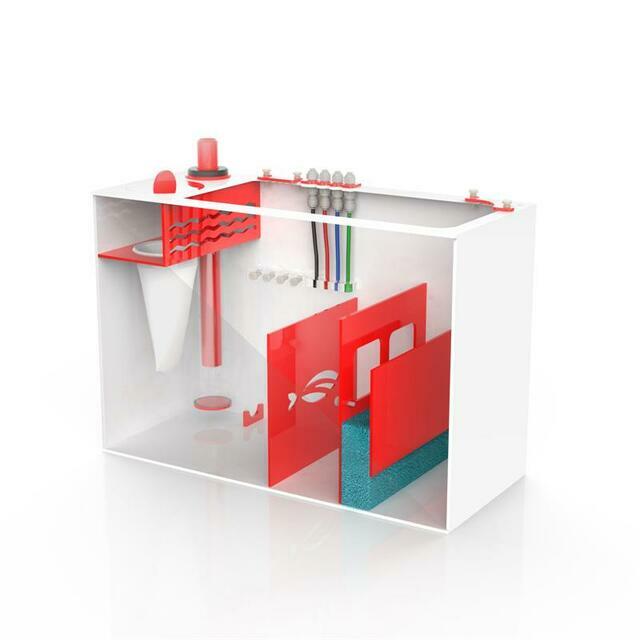
Head pressure is another piece many people miss. When a pump has to push water up from a sump, through plumbing, over elbows, and into a display tank, it loses strength. The taller the stand, the more complex the plumbing, the more power you need from the pump to get the real flow you want at the tank.
You also want to think about:
- Noise level, especially as we spend more time indoors in cooler seasons
- Energy use, since pumps run all day, every day
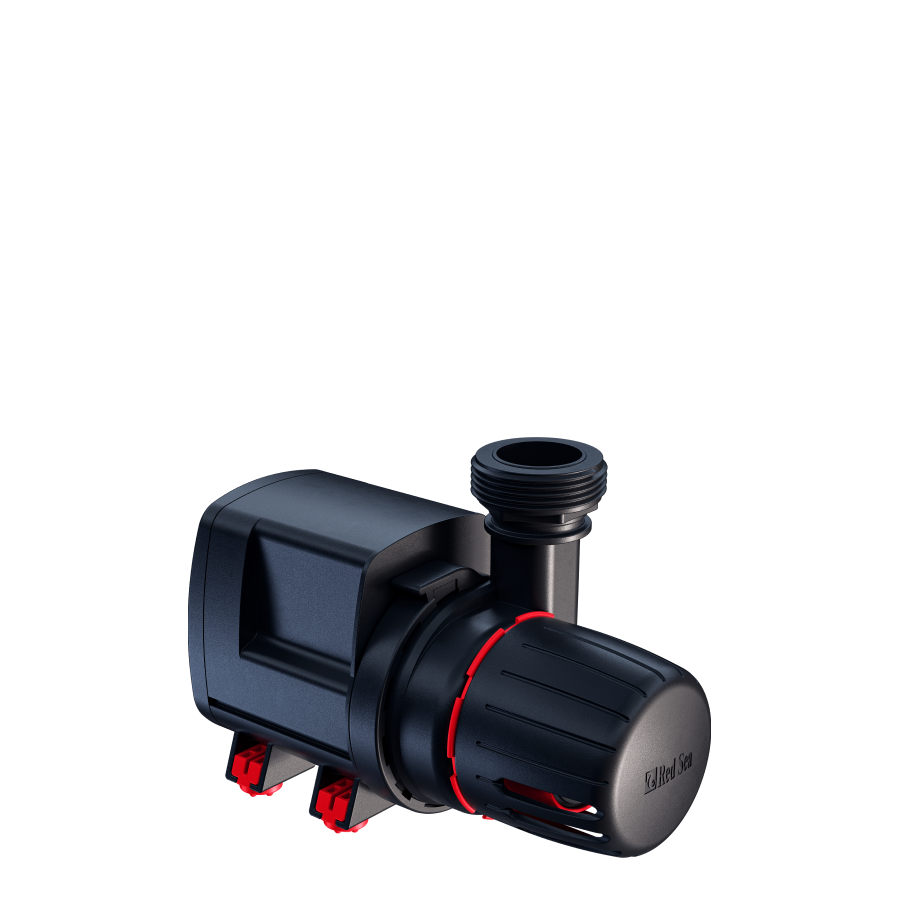
- Adjustability, like DC pumps that let you fine tune flow speed
- Maintenance access, so cleaning is not a chore you avoid
Fun fact: a slightly smaller pump, placed well and aimed smartly, can sometimes give better real-world flow than a bigger pump blasting water in the wrong direction.
Smart Pump Placement and Seasonal Stability Tips
Once you have the right pump, where you put it matters a lot. Returns and powerheads should be aimed to:
- Break up dead spots behind decor and rockwork
- Keep debris floating long enough to reach the filter
- Avoid blasting delicate plants, corals, or fine sand
Many tanks do well with flow that circles the tank, either front to back or end to end, with at least one area of slower water where timid fish can rest.
Pumps also help with temperature and oxygen during seasonal changes. As fall rolls in and room temperatures go up and down, heaters can create hot spots if water is not moving enough. Strong circulation spreads warmth from heaters, reduces cold pockets, and keeps oxygen from dipping too low at night when lights and plants are not adding as much.
For added safety, it is smart to think about backup flow. Options include:
- Battery-powered air pumps that kick on during power loss
- Pump and powerhead setups that can run on a backup system
- Extra circulation in reef tanks, large custom aquariums, and heavily stocked setups, which are more fragile if flow suddenly stops
A simple monthly care routine helps keep the pump, the hidden engine, running well. Clean the intake guards, rinse the impeller and housing as needed, and take a quick look at how water moves after any big cleaning or aquascape change.
Fun fact: in nature, reef and river systems often have changing flow patterns during the day. Some hobbyists copy this with programmable pumps that create gentle morning currents, stronger daytime flow, and softer nighttime movement.
Frequently Asked Questions About Aquarium Pumps
How Often Should I Run My Aquarium Pump?
You should run your aquarium pump all day and all night. Constant circulation keeps oxygen steady, supports helpful bacteria in your filter, and helps prevent sudden changes in water quality that can stress or even kill fish.
How Do I Know If My Aquarium Pump Is Too Strong?
Watch your fish and plants. If fish are always fighting the current, hiding more than normal, or getting pushed around, the flow is likely too strong. Plants bending over hard or sand blowing into bare glass spots are also signs you should turn the flow down or redirect it.
Can I Use the Same Pump for Freshwater and Saltwater Tanks?
Many pumps work for both, but you need to confirm the pump is rated for saltwater. Saltwater is more corrosive, so materials and seals must be right for it. Reef and marine tanks also often need higher and more varied flow than most freshwater setups.
How Long Do Aquarium Pumps Usually Last?
With regular care, like cleaning the impeller, clearing debris from intakes, and keeping calcium buildup under control, quality aquarium pumps can run for several years. Running a pump dry or skipping maintenance is what wears them out the fastest.
Do I Still Need an Air Pump If I Have an Aquarium Pump?
Not always. If your aquarium pump gives good surface movement and circulation, that often provides enough oxygen. An air pump can still be handy as backup in emergencies or in heavily stocked tanks that need extra gas exchange.
Take The Guesswork Out Of Choosing Your Aquarium Equipment
If you are ready to improve water circulation and create a healthier environment for your fish, we can help you choose the right aquarium pump for your setup. At Fish Tanks Direct, our team considers your tank size, livestock, and filtration needs so your system runs efficiently and quietly. Have questions or need a custom recommendation before you buy? Just contact us and we will walk you through the best options for your aquarium.