













Aquarium Pump Maintenance: Clean Impellers, Prevent Clogs, Extend Life
Fish Tanks Direct on Apr 20th 2026
Get Crystal-Clear Flow From Your Aquarium Pump
A healthy tank starts with steady, strong water movement. Your pump is the silent hero that keeps water moving, mixes in oxygen, and carries waste to your filter so your fish and corals can breathe easy.
When we take good care of our pumps, we get clearer water, happier fish, quieter gear, and far fewer surprise breakdowns. That means less stress during heat waves, vacations, and busy weeks. Here, we will walk through simple pump care: cleaning impellers, stopping clogs, and building a schedule for both freshwater and saltwater systems.
Spring is a perfect time for a pump tune-up, before summer heat puts extra strain on fish and equipment. Fun fact: home aquariums did not commonly use electric pumps until the middle of the last century, so people had to rely on constant water changes and very simple setups to keep fish alive.
Know Your Aquarium Pump and Why It Fails
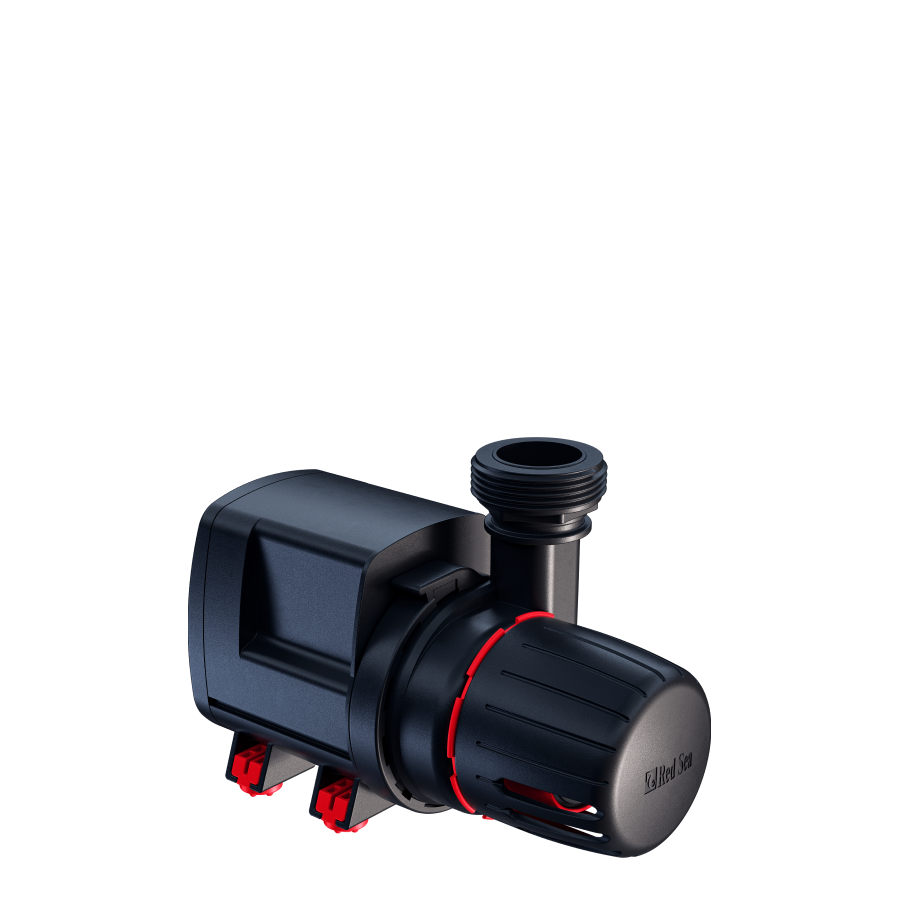
Not all aquarium pumps are the same, but they all share one job: move water. Here are the main types you are likely to see in freshwater and saltwater setups.
- Submersible pumps sit underwater, usually in the display tank or sump
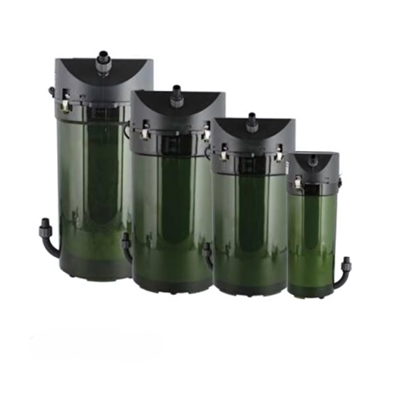
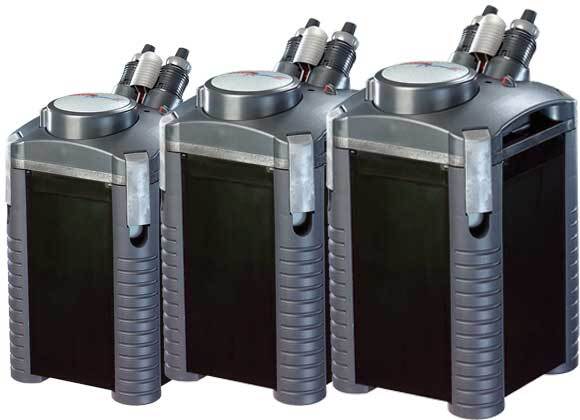
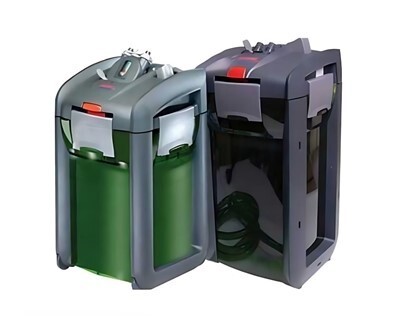
- External pumps sit outside the tank or sump, often used on larger systems
- Return pumps send water from a sump back up into the main tank
- Powerheads give extra flow inside the tank, great for dead spots
- Wavemakers create pulsing or changing flow for reef tanks and active fish
Each pump has parts that can fail. The most common trouble spots are:
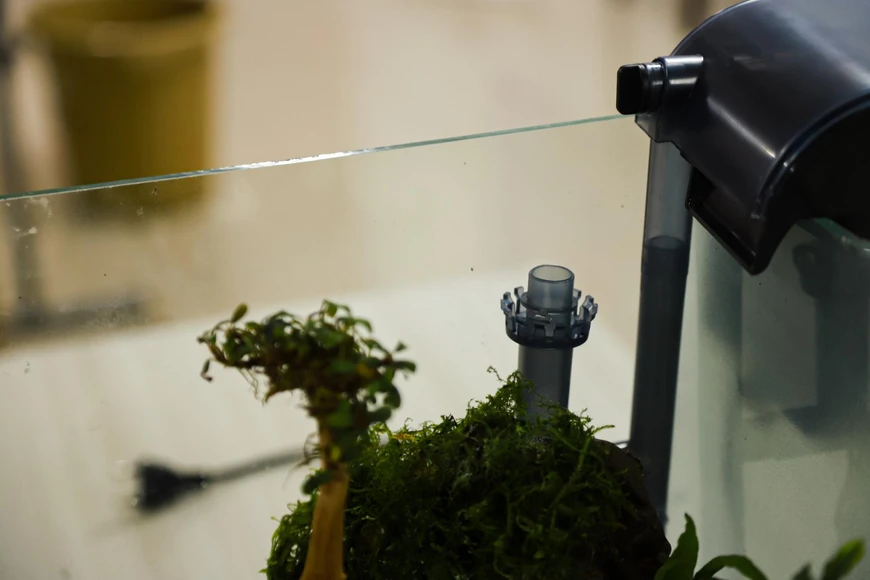
- Clogged intakes and prefilters
- Dirty or worn impellers
- Mineral scale inside the housing
- Worn bearings or bushings
- Overheating from lack of water or poor ventilation
- Running dry when the water level drops
When these issues start, you might notice reduced flow, more noise, strange vibration, or a pump that stops and starts. Over time, problems like this can also increase energy use and shorten pump life.
Saltwater systems are tougher on aquarium pumps. Salt creep can build up around fittings and cords, calcium can harden inside the pump, and fine sand can grind away at impeller parts. Freshwater often has more plant bits, biofilm, and standard detritus, which tend to clog intakes and prefilter sponges.
Pump sizing matters too. If a pump is too small for your tank, head height, or filtration setup, it will have to work harder than it should. An overworked pump wears out faster and is more likely to fail at the worst time.
Step-by-Step Impeller Cleaning for Peak Performance
The impeller is the spinning heart inside most aquarium pumps. A magnet drives it, and its blades pull water through the pump. When it is dirty or damaged, flow drops, noise increases, and the pump has to strain.
Here is a simple, general cleaning routine for most common designs:
- Unplug the pump first. Safety always comes before cleaning.
- Remove the pump from the tank or sump and place it in a clean container or towel.
- Open the housing. This may mean removing a cover, ring, or screws, depending on the model.
- Gently pull out the impeller. Some units have a shaft that slides out with it.
- Inspect the impeller and shaft for cracks, swollen magnets, or worn pads.
For cleaning, a household vinegar solution works well. Mix equal parts white vinegar and water in a small bowl or bucket. Soak the impeller and housing parts to help loosen mineral deposits and light buildup. Then use a soft brush or old toothbrush to scrub away gunk, taking care around the magnet and blades.
Always rinse all parts very well in dechlorinated or tank water before putting the pump back together. This helps avoid any leftover vinegar or cleaning residue from getting into the system.
As a rough guide, most freshwater tanks do well with a quick impeller cleaning every 1 to 3 months, with a light visual check in between. Reef tanks and heavy bioload systems often need monthly cleaning or even more often if you notice flow drops.
Stopping Clogs Before They Start
Clogs are one of the fastest ways to ruin a pump. Common clog sources include uneaten food, leaves from live plants, tiny snail shells, sand, and general detritus. Once this debris reaches the impeller, it can jam movement or wear down parts.
A few smart habits go a long way:
- Use prefilter sponges on pump intakes
- Add intake guards for curious fish and invertebrates
- Place pumps away from sand beds and heavy plant clusters
- Keep pumps out of tight corners where debris collects
A quick weekly routine can prevent most problems. Take a moment to look at your flow: does the stream feel weaker than normal when you place your hand in front of the output? Check the intake and prefilter sponge. Rinse sponges in a bucket of tank water, not tap water, to protect helpful bacteria.
You can also adjust your aquascape and stock choices to reduce risk. Avoid very fine sand near strong intakes. Secure plants so they shed fewer loose leaves into the flow. Watch messy eaters and remove leftover food after feeding.
Fun fact: large public aquariums often run water through multiple mechanical stages before it reaches the main circulation pumps, so those pumps rarely see big particles at all.
Extending Pump Life in Freshwater and Saltwater
Freshwater and saltwater shorten pump life in different ways. In freshwater, hard water can leave mineral scale inside the pump body and on the impeller. In saltwater, corrosion risk is higher, and salt creep can form crusty buildup around fittings, cords, and housings.
Some simple habits can keep your pumps running longer:
- Keep submersible units fully underwater if they are designed that way
- Never let a pump run dry, even for a short time
- Give external pumps room to breathe and stay cool
- Use soft vibration pads under pumps to cut noise and wear
Regular descaling with that same vinegar and water mix helps a lot in hard-water areas. For saltwater setups, wiping away salt creep with a damp cloth from cords and housings keeps moisture and salt from working into seals and electrical parts.
It also helps to keep a basic maintenance log. Write down the pump model, install date, cleaning dates, and any notes about noise or reduced flow. Patterns can warn you when a pump is getting close to the end of its useful life.
Sometimes it is smarter to replace than repair. Signs include swollen impeller magnets that stick, cracked housings, or grinding noises that return soon after cleaning. When that happens, aquarium pumps from Fish Tanks Direct can be matched to your tank size, head height, and filtration style so you get the right fit from the start.
Build Your Simple Pump Care Schedule and Take Action
Pump care feels much easier when it is part of a regular routine, not a big emergency project. A simple schedule might look like this:
- Weekly: check water flow, glance at intakes and prefilters, wipe visible salt creep
- Monthly: clean impellers and housings, rinse prefilter sponges in tank water
- Spring and fall: deeper clean, full inspection, and descaling where needed
It also helps to keep a small pump care kit on hand. A few soft brushes, a bottle of white vinegar, a couple of prefilter sponges, spare impellers if your pump brand offers them, and even a backup pump can turn a stressful failure into a quick swap. That means more stable water quality, less worry when you are away, longer life from your aquarium pumps, and a quieter, more relaxing tank in your home or business.
At Fish Tanks Direct, we care about making pump care simple, whether you run a small freshwater setup or a full saltwater reef. With the right maintenance habits and well-matched equipment, your pumps can keep that silent, steady flow going for a long time.
Keep Your Aquarium Running Smoothly With The Right Equipment
If you are ready to upgrade your system, we can help you choose the right aquarium pumps for your tank size, livestock, and setup goals. At Fish Tanks Direct, our team focuses on reliable equipment that supports stable, healthy water conditions. Whether you are troubleshooting flow issues or planning a new build, we are happy to talk through options that fit your budget and experience level. If you want personalized recommendations or have questions about compatibility, contact us and we will respond promptly.