









Why Aquarium Filters Are the Quiet MVP of Healthy Fish Tanks
Fish Tanks Direct on Jun 21st 2026
Clear Water, Happy Fish: The Filter Advantage
A healthy fish tank starts with clean, stable water. Pretty decorations and bright lights are fun, but the quiet box humming in the back of the tank is what keeps your fish safe. That box is your aquarium filter.
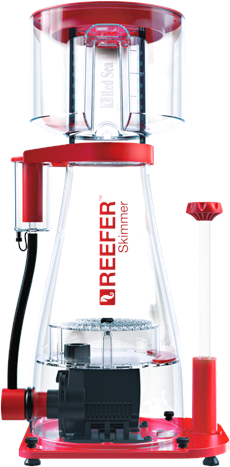
Aquarium filters pull water through different types of media so three big jobs can happen at once: mechanical, biological, and sometimes chemical filtration. Put simply, they catch gunk, host good bacteria, and help remove unwanted stuff from the water. When the right filter is running around the clock, your tank stays clear, smells fresh, and needs less emergency fixing.
We like to think of filters as the quiet MVP of every aquarium, working all day, every day. This really matters during busy summer months, when families travel or spend more time outside and want their tanks to stay stable with less hands-on time. Fun fact: in nature, many fish live in rivers, streams, or reefs where water is always moving and getting “filtered” by plants, rocks, sand, and tiny bacteria. Your aquarium filter is your way of copying that same invisible support system inside a glass box.
How Aquarium Filters Keep Your Water Crystal Clear
When people talk about aquarium filters, they are really talking about three different jobs happening at once.
Mechanical filtration is the first line of defense. Sponges, filter pads, and filter floss act like a net to catch:
- Fish waste
- Uneaten food
- Plant leaves, and small debris
- Dust from gravel and decorations
By trapping all that solid waste, the filter keeps your water from turning cloudy and keeps smells from building up. You get that “wow, this tank looks clean” feeling without having to wipe the glass every day.
Biological filtration is where the real magic happens. Inside your filter media, good bacteria grow and form a tiny living city. These bacteria take toxic ammonia from fish waste and leftover food, turn it into nitrite, then into less harmful nitrate. Your fish cannot see this process, and you cannot see the bacteria, but they are your tank’s secret bodyguards. Fun fact: a mature biological filter can hold billions of bacteria on surfaces that look totally bare to the naked eye.
Chemical filtration is more of a bonus tool. Things like activated carbon, special resins, or phosphate removers can help:
- Remove discoloration from driftwood or tannins
- Clear out leftover medication
- Control certain nutrients that feed algae
- Cut down on lingering odors
You do not always need chemical media, but it is handy after big cleanings or when you add new decor and want that extra “polished” look to the water.
Hidden Health Benefits Your Fish Will Thank You For
A strong, steady filter does more than make the tank look nice. It helps your fish feel safe and calm.
When water quality stays steady, fish are less stressed. They are not fighting sudden swings in ammonia, nitrite, or pH. With good water flow, oxygen levels stay more stable too, which really matters in summer when warmer water holds less oxygen. You will often notice:
- Brighter colors
- Better appetite
- More natural swimming and exploring
- Fish resting peacefully instead of gasping at the surface
Reliable filtration also helps keep common problems in check. When extra waste and dissolved nutrients are controlled, things like fin rot, ich outbreaks, and heavy algae blooms have a harder time taking over. Your tank becomes a place where fish can live out their full natural life span, instead of wearing down early from constant stress. Fun fact: poor water quality can cut a fish’s life short by a huge amount, even for hardy species that can live many years in a well-kept, well-filtered tank.
Choosing the Right Aquarium Filter for Your Setup
Not every filter fits every tank. Picking the right style makes life easier for you and safer for your fish.
Here are some common types:
- Hang-on-back filters: Great for many small to medium tanks, easy to access and clean.
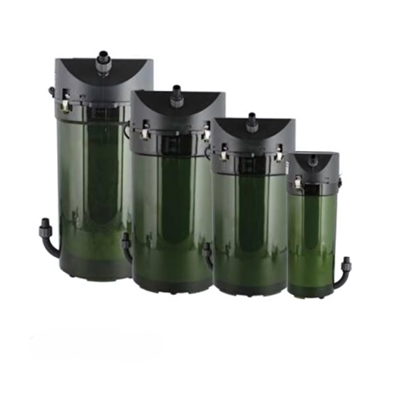
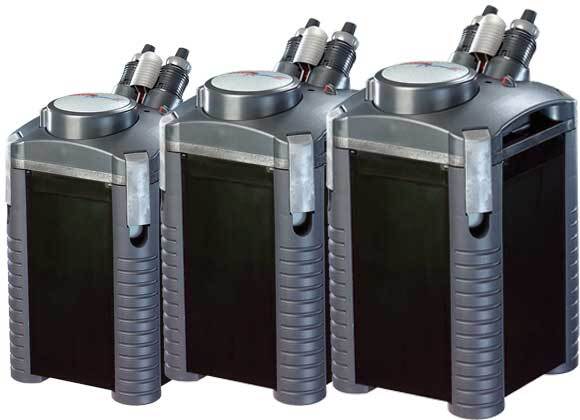
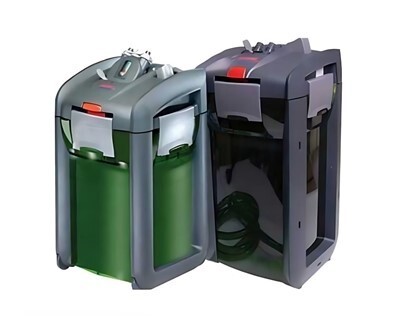
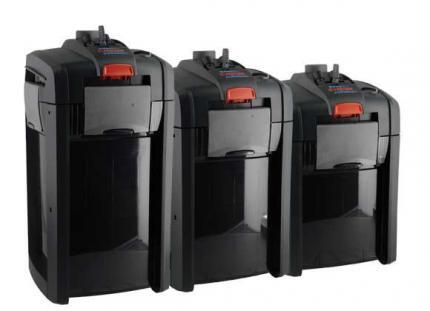
- Canister filters: Good for larger tanks or heavier fish loads, with lots of room for media.
- Internal filters: Sit inside the tank, helpful when you cannot hang something on the back.
- Sponge filters: Gentle flow, loved for shrimp, fry, and small community tanks.
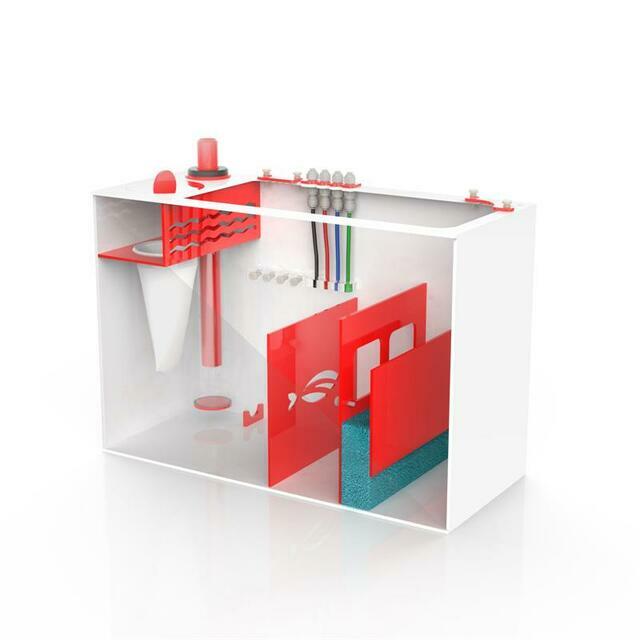
- Sump systems: Often used on big displays, they add water volume and lots of media space.
When choosing size, a simple rule is to match or go above your tank’s volume and aim for 5 to 10 times the tank’s water turnover each hour. Heavily stocked tanks or messy eaters like goldfish and cichlids often do better with the next filter size up.
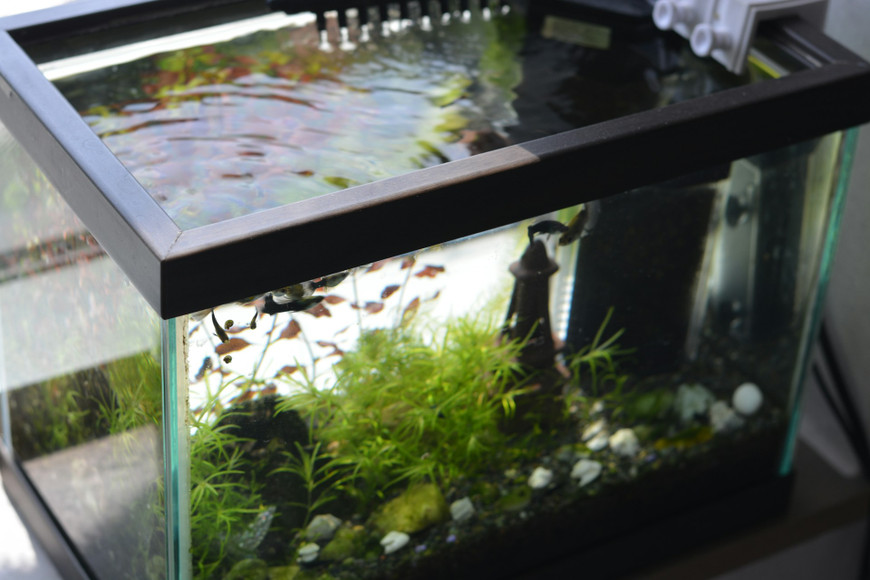
Summer brings one extra point to think about. Warm water holds less oxygen, so filters that move the surface and create ripples help gas exchange. Some setups also run air pumps with sponge filters for extra backup. Fun fact: tiny nano tanks with shrimp or baby fish often do great with just a basic sponge filter powered by a small air pump, giving strong biological filtration with gentle flow.
At Fish Tanks Direct, we see how much easier aquarium care becomes when filters, custom acrylic tanks, and stands are all well matched. A balanced system means less stress for you and smoother conditions for your fish.
Simple Filter Maintenance That Pays Off Big
Filters like routine, not big dramatic cleanups. A light but steady maintenance habit keeps things running smoothly.
During warmer months, many aquarists follow a simple pattern:
- Every 2 to 4 weeks, rinse mechanical media, sponges, or pads in old tank water during a water change.
- Gently swish them to remove gunk, but do not scrub them “perfectly clean.”
- Wipe out the filter housing if slime builds up.
The key is to protect your beneficial bacteria. Never rinse media in hot tap water or replace all media at the same time. That can wipe out your biological filter and cause dangerous ammonia spikes. If you must change media, stagger it so part of the old, bacteria-rich media stays in place.
If something feels off, a few quick checks often solve it:
- Flow slowing down? Clean intake tubes, impellers, and clogged pads.
- Filter noisy? Check for trapped air, low water level, or loose parts.
- Water cloudy? Rinse mechanical media, look for overfeeding, and do a partial water change.
It is also smart to keep spare sponges, cartridges, and impellers ready so you never have to leave a tank without filtration. Fish Tanks Direct carries a wide range of replacement parts and media, which helps keep systems online with little downtime.
Fun fact: many experienced hobbyists set phone reminders for filter cleaning, not because it takes long, but because that small habit makes their tanks stay “effortless” week after week.
FAQ
How Often Should I Clean My Aquarium Filter?
Clean mechanical media like sponges, pads, and floss every 2 to 4 weeks by rinsing it in old tank water during a water change, and avoid cleaning or replacing all media at the same time so your beneficial bacteria stay safe.
Can I Turn My Aquarium Filter Off at Night?
No, filters should run all day and night to keep oxygen levels and biological filtration stable, and turning them off, even overnight, can harm the bacteria that protect your fish and lead to dangerous ammonia spikes.
What Size Filter Do I Need for My Tank?
Choose a filter that is at least rated for your tank’s volume and aim for 5 to 10 times the tank’s water volume in turnover each hour, and for heavily stocked or messy tanks it often helps to choose the next size up.
Why Is My Filter Making Noise?
Common causes are trapped air, a dirty impeller, low water level, or debris in the intake, so unplug the filter, clean the moving parts, check the water level, remove any blockages, then re-prime it and restart.
Do I Need Both Chemical and Biological Filtration?
Biological filtration is needed in every aquarium because it processes fish waste, while chemical filtration is optional but handy for polishing the water, removing odors, clearing medication, or handling special issues when they come up.
Upgrade Your Aquarium’s Health And Clarity Today
Give your fish the clean, stable environment they deserve with our high-performance aquarium filters tailored to tanks of every size. At Fish Tanks Direct, we help you match the right filtration to your bioload so maintenance is easier and your water stays crystal clear. Explore our range of trusted brands, then contact us if you want expert guidance before you buy.