




Aquarium Filter Cleaning Mistakes: Media Order, Rinsing, and Beneficial Bacteria
Fish Tanks Direct on Oct 21st 2026
Clear Water, Healthy Fish: Master Your Filter Routine
Crystal clear water and happy fish are not an accident. They come from one simple habit: steady, smart aquarium filter care. Fancy gadgets and constant water changes help, but your filter routine does most of the heavy lifting.
Inside that filter is an invisible workforce. Tiny beneficial bacteria live on the media and break down fish waste your eyes never see. When we clean filters the wrong way, we can wipe out those bacteria and shock the whole tank.
In this guide, we will walk through how aquarium filters really work, the right order for your media, safe ways to rinse and replace it, and a few tricks for when the weather cools and heaters kick on at home. Fun fact: in a mature tank, most of the biological power lives on your filter media, not floating in the water.
What Your Aquarium Filter Really Does
Your aquarium filter actually performs three different jobs at once:
- Mechanical filtration catches solid bits like uneaten food, poop, and plant leaves
- Biological filtration gives bacteria a home so they can turn toxic ammonia into less harmful nitrate
- Chemical filtration uses special media to grab dissolved stuff like odors, meds, or discoloration
Here is where those jobs usually live:
- Hang-on-back filters: sponges or pads for mechanical, ceramic or plastic pieces for biological, cartridges or bags for chemical media
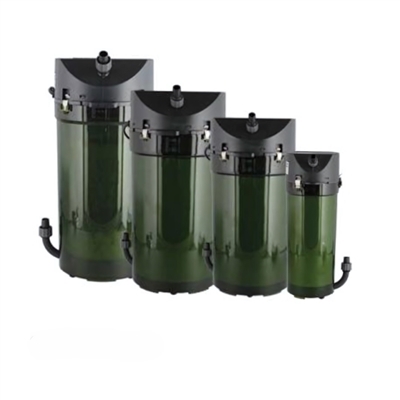
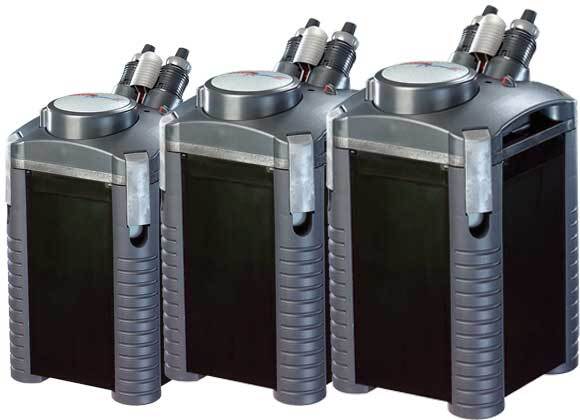
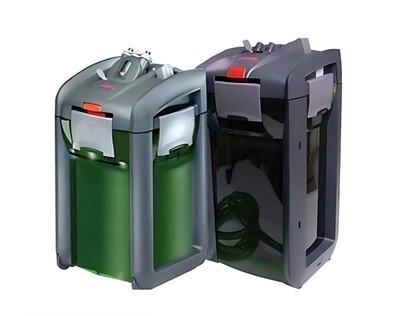
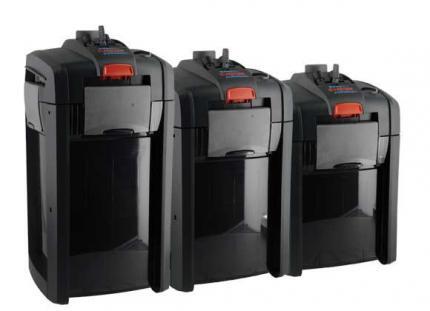
- Canister filters: stacked trays with coarse pads, bio rings or bio-balls, and optional carbon or resins
- Internal filters: compact sponges and small bio media stuffed inside a shell in the tank
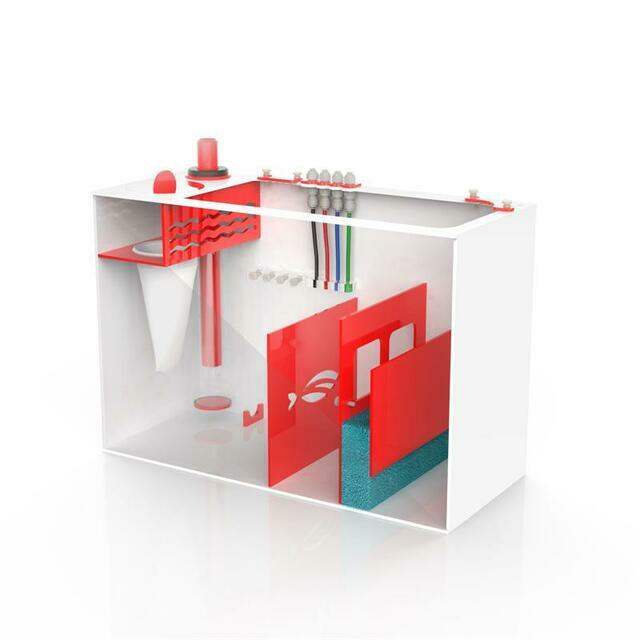
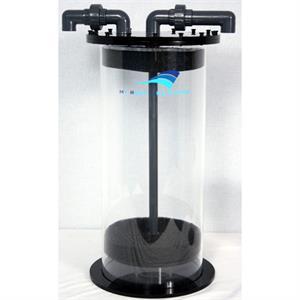
- Sumps on bigger or custom acrylic tanks: filter socks, media blocks, refugiums, and big bio sections
Knowing this layout matters because if you scrub or replace the wrong part at the wrong time, you can knock out your biological filter and cause ammonia or nitrite spikes. Different setups, like planted freshwater, reef tanks, or large custom displays, lean harder on some media types than others, but the basic roles stay the same.
Media Order Matters: Set up Your Filter Like a Pro
Most filters work best when the water hits media in this order:
- First: mechanical media like coarse sponges, pads, or floss
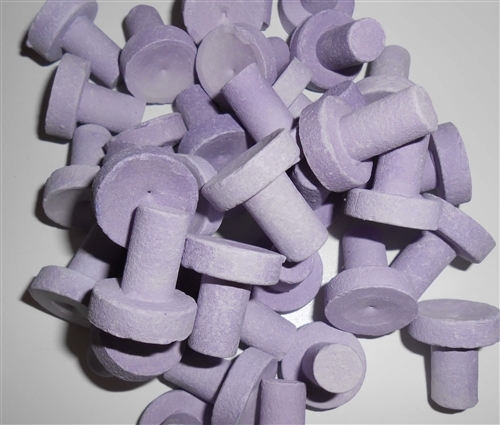
- Middle: biological media like ceramic rings, bio-balls, or porous blocks
- Last: chemical media like carbon, resins, or specialty pads
This order lets the gunk get trapped up front so the flow stays strong. Clean water then reaches your biological media with plenty of oxygen, which those bacteria love. When mechanical media comes first, you avoid clogging the tiny pores inside your bio media.
Common media order mistakes include:
- Putting chemical media first, so it clogs fast and wastes its capacity
- Stacking too many super-fine pads before the bio section, which chokes flow
- Stuffing media in at random so water shortcuts around important parts
Fun fact: some modern bio media has a huge surface area inside. One small block can hold as much bacterial living space as a giant field. That is why good media layout and gentle care pay off long term.
Cleaning Without Crashing Your Cycle
Tap water often contains chlorine or chloramine. Both are great for making drinking water safe, but hard on beneficial bacteria. If you blast your bio media under the tap, you can kill a big chunk of that colony in seconds.
A safer routine looks like this:
- During a water change, fill a bucket with tank water
- Take out your sponges and bio media and gently swish them in that bucket
- Squeeze sponges lightly until most of the dark sludge is gone, but do not aim for perfect white
- Put media back in the same order, then top off the tank with dechlorinated water
Light, regular cleaning is better than rare, harsh deep cleans. If you scrub every piece until it looks brand new, you remove too many bacteria at once. That is why we want to clean some parts more, some parts less.
When is tap water OK? You can rinse plastic housings, lids, intake tubes, spray bars, and impellers under the tap. You can also rinse very dirty mechanical pads if you plan to throw them away soon afterward. Just keep your main bio media out of that tap stream.
Replacing Filter Media Without Losing Your Cycle
All media wears out or clogs over time, but replacement needs a plan.
For mechanical media:
- Replace sponges and pads in stages, not all at once
- Keep at least half of the old, seasoned sponge while you add a new piece
- If you use cartridges, cut them open and keep the gunky floss or bio bits for a while to seed new media
For biological media, slow and gentle is key. Bio media usually only needs replacing if it is crumbling, fully clogged, or physically damaged. When that happens, run new media alongside the old for a few weeks so bacteria can move in before you toss the older batch.
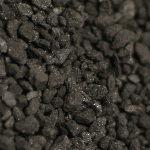
Chemical media, like activated carbon or special resins, has a shorter life. It fills up as it works. Swapping it out on a steady schedule keeps it useful, but it is not a shortcut for poor maintenance. If water is cloudy, smelly, or yellow, that is often a sign the tank needs better regular cleaning, not just more carbon.
Fun fact: many experienced fishkeepers run very stable tanks with little or no chemical media at all. Strong biological filtration, paired with regular mechanical cleaning, handles most everyday needs.
Seasonal Filter Care as Temperatures Drop
When fall rolls in and home heating clicks on, your tank changes a bit even if you do nothing. Closed windows and warmer indoor air can lower oxygen levels in the room. Drier air can also speed up evaporation, which affects water level and surface movement.
A simple autumn filter checklist:
- Make sure the intake is not buried in plants or decor
- Rinse impellers and check that they spin freely
- Clear spray bars, return nozzles, and overflow teeth so water breaks the surface
- Confirm that your filter still has a strong, steady flow
Bacteria also respond to temperature. In cooler rooms, they work a little slower, so steady flow and consistent care help them keep up with waste. For larger custom acrylic systems with sumps and long hose runs, a fall service check to inspect seals, valves, and media layout before holiday travel is a smart habit.
Keep Your Filter Friendly to Bacteria
If we had to sum it all up, a bacteria-friendly filter routine follows a few simple rules:
- Keep media in the right order, mechanical, then biological, then chemical
- Rinse sponges and bio media in tank water, not raw tap water
- Never strip and deep clean everything in one day
- Replace media in stages so some seasoned material is always in place
A basic maintenance calendar, even just a quick note on your phone, can keep you on track. Larger tanks, messy fish, or heavy feeding might need filter care every week or two. Smaller, lightly stocked systems may stretch longer between cleanings.
At Fish Tanks Direct, we work with hobbyists and businesses that run everything from small home tanks to large public displays. A well-planned filter and media layout makes routine care easier and much more forgiving of little mistakes.
Frequently Asked Questions
How Often Should I Clean My Aquarium Filter?
Most home aquariums do well with a light filter cleaning every 2 to 4 weeks, depending on how many fish you keep and how much you feed. If you notice weaker flow or new noises, that is your sign to clean it sooner.
Can I Rinse My Filter Media Under Tap Water?
You can rinse housings, tubes, and impellers with tap water, but try to keep biological media out of untreated tap. Sponges and porous media do best when rinsed gently in a bucket of tank water during water changes.
Do I Have to Replace All My Filter Cartridges Every Month?
No, replacing every cartridge at once can remove too much beneficial bacteria. Many people open cartridges, keep the seasoned media, and only add fresh mechanical or chemical layers as needed.
Why Does My Water Get Cloudy After I Clean the Filter?
Cloudy water right after cleaning is often loose debris you stirred up or a small bacterial bloom. It usually clears as the filter runs, but double-check that everything is assembled correctly and avoid overfeeding.
Is Chemical Media Like Activated Carbon Necessary in Every Tank?
Chemical media is helpful for clearing meds, odors, or discoloration, but not every aquarium needs it all the time. Many stable tanks rely mainly on good mechanical and biological filtration, with chemical media used only when there is a specific reason.
Upgrade Your Aquarium’s Health And Clarity Today
If you are ready to give your aquatic life cleaner, healthier water, explore our curated selection of aquarium filters designed for tanks of all sizes. At Fish Tanks Direct, we help you match the right filtration system to your setup so you get reliable performance and clear water with less hassle. Have questions about sizing, compatibility, or upgrades? Simply contact us and we will help you choose the best solution for your aquarium.