











Selecting Aquarium Equipment for Peaceful Nighttime Bedrooms
Fish Tanks Direct on Sep 30th 2026
Create a Bedroom Oasis with a Sleep-Friendly Aquarium
A quiet aquarium in the bedroom can feel like a soft nightlight and a calming sound machine all in one. The trick is picking the right gear so your tank helps you fall asleep instead of keeping you awake with buzzing and splashing. Equipment that seems fine in a busy living room can feel loud and bright when the rest of the house is quiet.
Here we will walk through how to pick the best aquarium equipment for a bedroom setup. We will talk about low-noise filters and pumps, calm lighting, steady heaters, and smart tank design that keeps sound and glare low for both you and your fish. Fun fact: watching calm fish for just a few minutes can help slow your breathing and settle your mind before bed.
How Aquariums Affect Sleep and Bedroom Comfort
Water sound can be relaxing, but there is a big difference between a gentle hum and a gurgling, rattling tank. At night, you notice every little noise. A humming pump, vibrating lid, or splashing waterfall can pull you out of deep sleep.
In a bedroom, we also have to think about light. Bright white or blue LEDs shining late into the night can confuse your body and make it harder to feel sleepy. They can bother your fish too, because fish do not have eyelids and depend on dark periods to rest.
A few bedroom-specific tips help a lot:
- Use timers so the main lights turn off well before your own bedtime
- Avoid placing the tank right on a hollow nightstand or dresser that can act like a drum
- Choose stands that feel solid and do not wobble when you walk by
Tank size also plays a role. A tiny tank on a thin table can echo sound, while a medium tank on a sturdy stand often feels more stable and quiet.
Fun fact: fish sleep in their own way, often hovering in place or resting in plants, and a dark, calm room makes that much easier for them.
Choosing the Quietest Filtration, Pumps, Lights, and Heaters
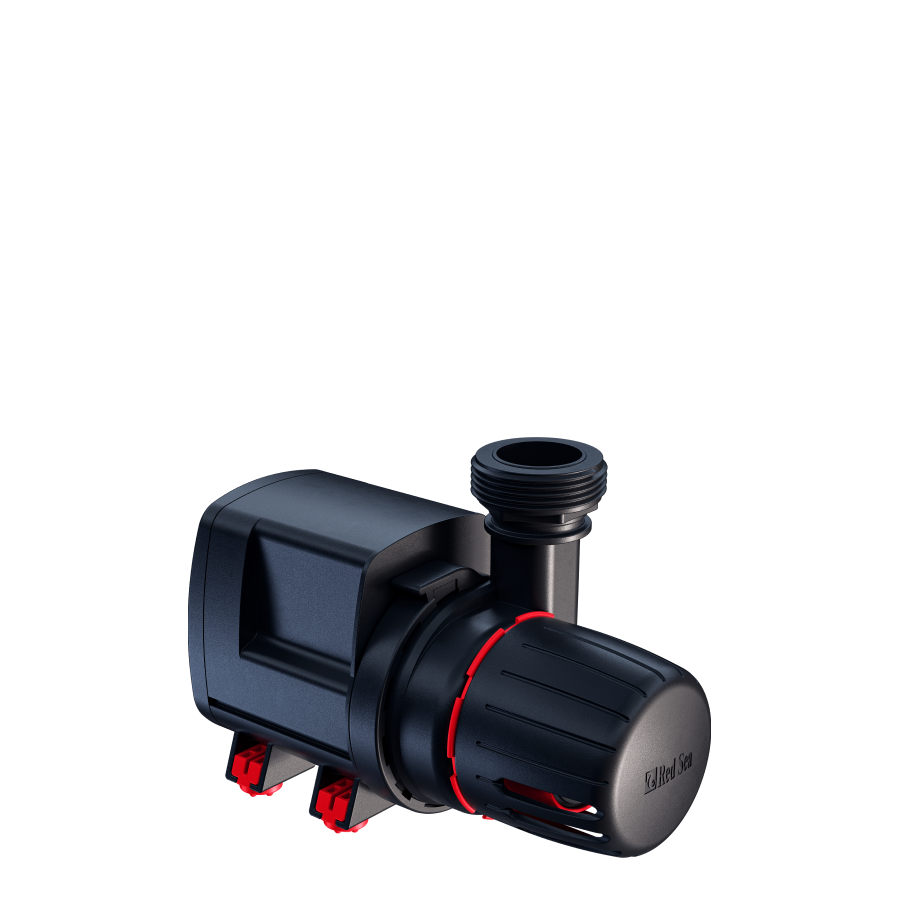
Filtration is usually the loudest part of any setup, so we pay close attention here. Different filter types behave very differently in a bedroom.
Common filter options for bedroom tanks:
- Hang-on-back filters: easy to use but can splash if water level drops
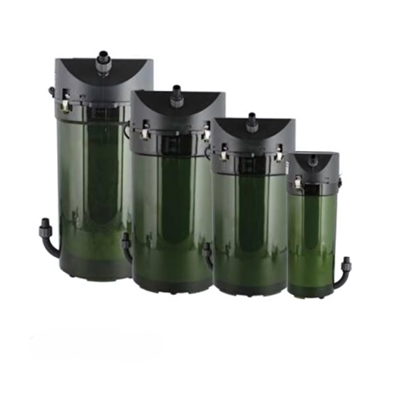
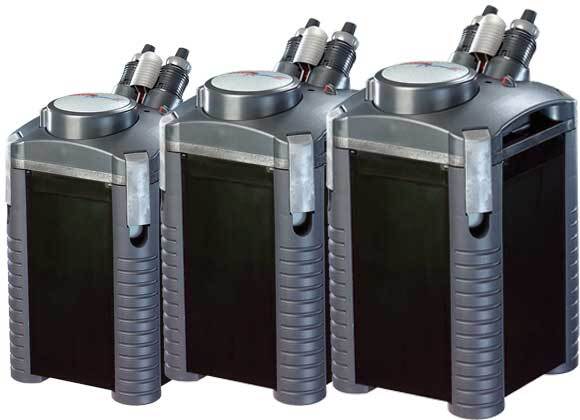
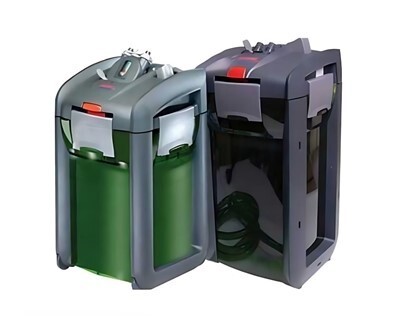
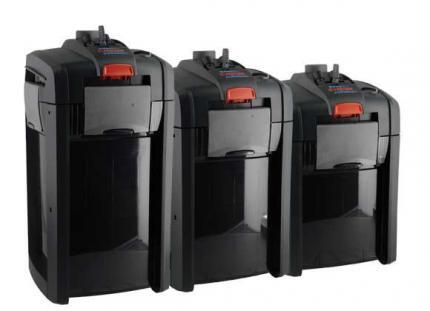
- Canister filters: often some of the quietest choices when set up well under the stand
- Internal filters: stay underwater so they can be fairly quiet, but take space inside the tank
- Sponge filters: very gentle and soft sounding, powered by a quiet air pump
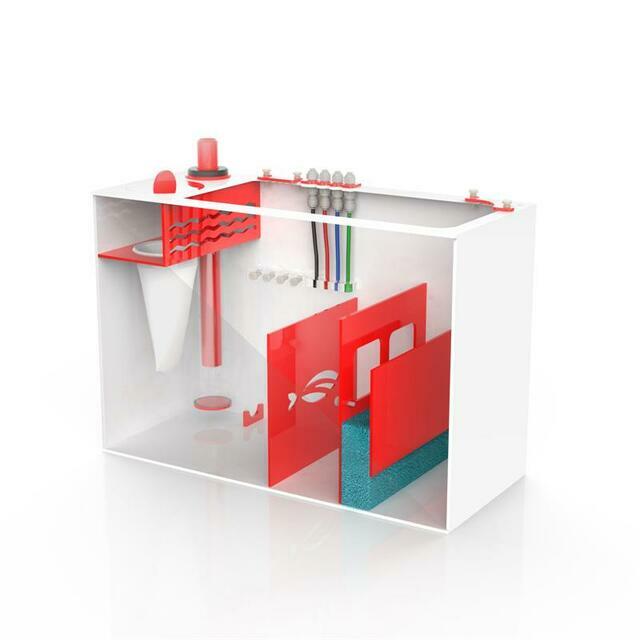
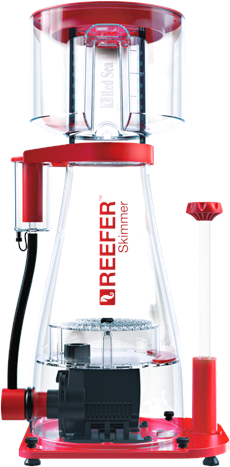
- Sump systems: great for advanced setups, but can gurgle if not tuned carefully
When we look for quiet powerheads and air pumps, we like:
- Rubber feet or pads to reduce vibration
- Units that are properly sized so they do not run at full power all the time
- Flexible tubing instead of rigid lines pressed hard against wood or metal
- Clear intake strainers so the pump does not suck air and chatter
Small install tricks can make a big difference. A thin foam pad under your filter or pump, hoses that do not touch the stand, and a full water level to stop waterfall sound all help cut noise. Many of the best aquarium equipment options are built with quiet operation in mind, so quiet, bedroom-friendly setups are easier than they used to be.
Fun fact: some of the quietest filters run around the clock with a sound level similar to a soft whisper in a quiet room.
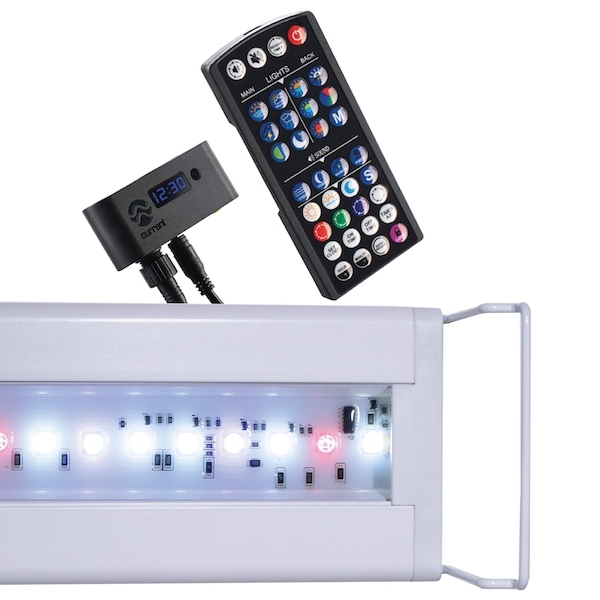
Lighting and heating also matter at night. For lights, we focus on:
- Dimmable LEDs with warm color choices for evening
- Gentle moonlight modes that are faint, not bright and sharp
- Programmable timers so you do not forget to turn lights off
A simple circadian-friendly schedule could be: bright light in the afternoon and early evening, a dim phase that feels like sunset, then lights fully off at least an hour before you want to sleep. Your room stays dark, and your fish get a real night.
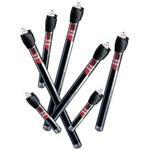
Heaters should be steady and reliable:
- Units correctly sized for your tank, so they do not click on and off nonstop
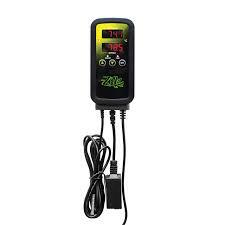
- Solid safety features and, if you want extra peace of mind, an external controller
- Indicator lights that face away from your pillow so they do not shine directly into the room
Fun fact: some reef and planted tank lights can copy natural moon phases, but for bedroom use, a constant, very soft blue or warm moonlight is usually calmer than changing patterns.
Smart Tank Design, Stands, Lids, and Maintenance Habits
Tank materials and shape can change how sound feels. Thicker glass and acrylic panels can dampen small vibrations a bit. Tall tanks with a gentle flow may sound quieter than long, shallow tanks with lots of surface movement and trickling.
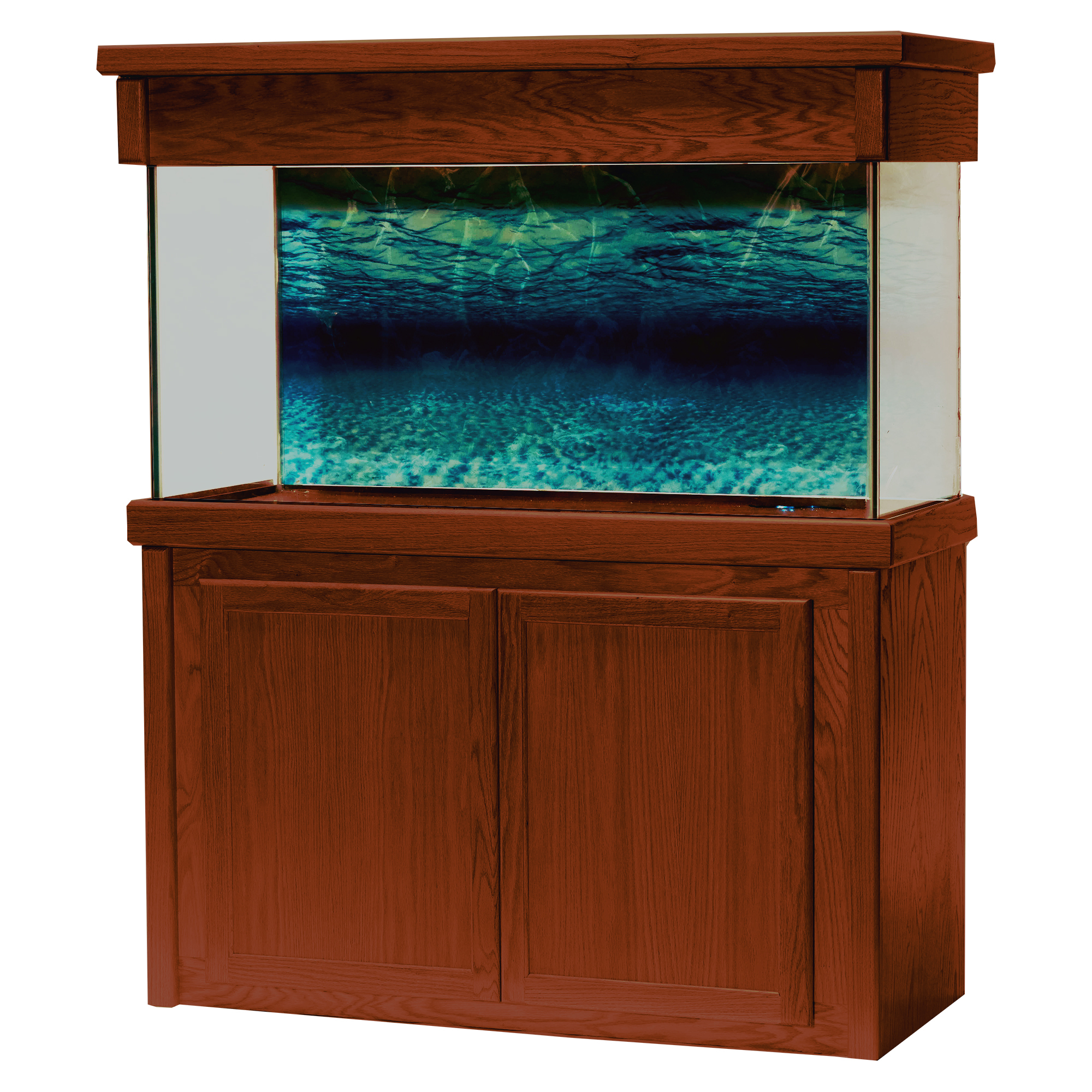
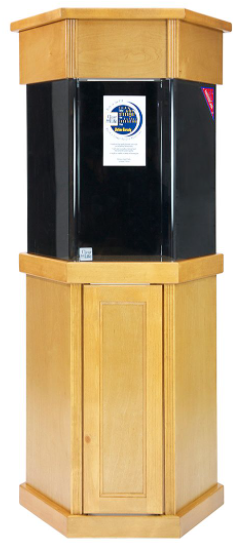
Good stands and canopies do a lot of the heavy lifting for noise control:
- A strong, level stand keeps the tank from rocking or buzzing
- A soft pad between the tank and stand helps absorb vibration
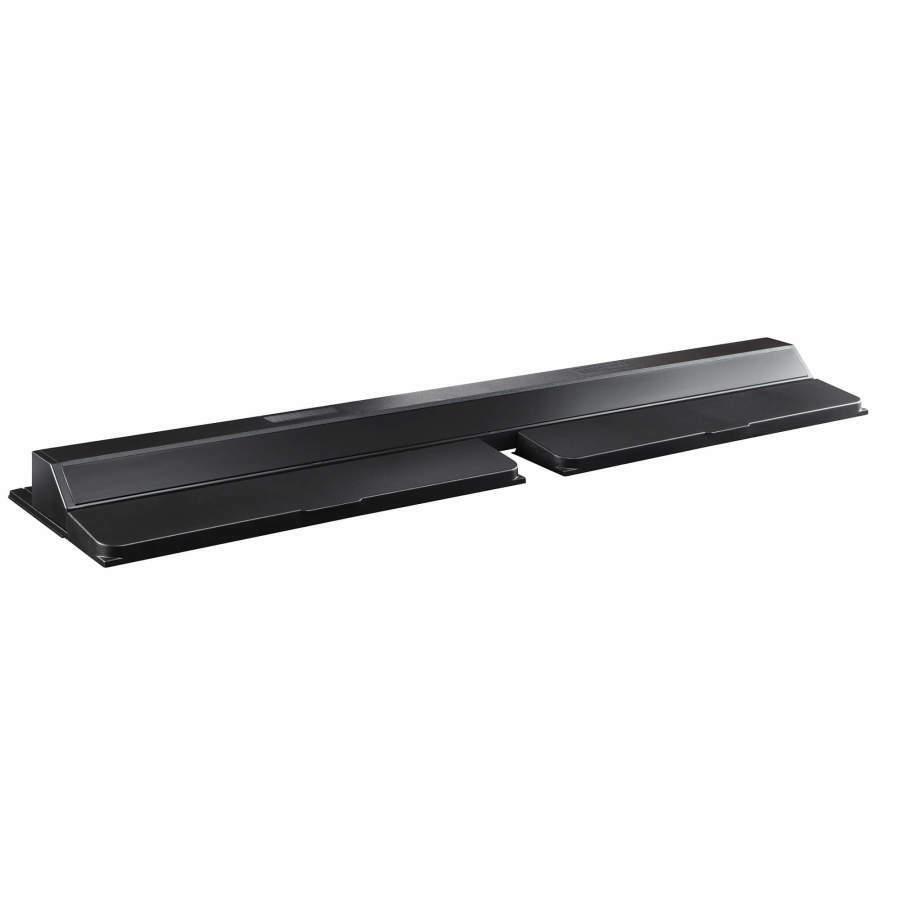
- An enclosed canopy can muffle filter hum and water noise while still letting air move
The way you set up the inside of the tank matters too. Aim return outlets just under the water surface, not high above it. Spray bars can spread flow so you get movement without one loud splash zone. Plants, rock, and decor can break up the current and keep things feeling calm.
Fun fact: water carries vibration better than air, so a tiny rattle from a pump can travel through the tank, into the stand, and into the floor, which is why that small foam pad or rubber foot can make such a clear difference.
Quiet tanks do not stay quiet by accident. Simple, steady care keeps things peaceful over time. A basic monthly checklist could include:
- Cleaning filter impellers and reseating rubber gaskets
- Topping off evaporation so the water level stays high and silent
- Checking hoses and tubing so they do not whistle or buzz against wood
- Wiping mineral deposits from pump parts to stop extra vibration
Doing water changes earlier in the day means you are not stirring things up right before bed. Quick-disconnect fittings and premixed, temperature-matched water make the whole process smoother and less stressful for you and your fish.
Fun fact: even a thin ring of mineral buildup on a pump can make it sound rough and loud, and a good cleaning can make an older filter sound nearly new again.
Frequently Asked Questions About Bedroom Aquariums
Are Aquariums Too Noisy to Keep in a Bedroom?
Most modern setups can be very quiet when you pick calm filters and pumps, isolate vibration, and keep the water level up. Careful equipment choice and simple maintenance help a lot.
What Is the Best Size Aquarium for a Bedroom?
Many people like medium tanks around 20 to 40 gallons, since they offer more stable water than tiny tanks but still fit well on bedroom furniture with manageable weight and noise.
Can Aquarium Lights Stay on All Night?
It is better to keep the tank dark at night or use only a very dim moonlight mode for a short time. Constant bright light can disturb both your sleep and your fish’s resting cycle.
How Do I Make My Filter Quieter?
Make sure it is the right size, keep the impeller and intake clean, place the output just under the water surface, and set the unit on a soft pad so hoses and lids do not rattle.
Is a Saltwater or Freshwater Tank Better for Bedrooms?
Freshwater setups are usually simpler and quieter for most bedrooms, but a well-planned saltwater system can also work if you choose low-noise equipment and tuck louder parts into stands or canopies.
Upgrade Your Aquarium With Gear That Keeps Fish Thriving
If you are ready to improve water quality, simplify maintenance, and create a healthier environment for your fish, we are here to help. At Fish Tanks Direct, we carefully select the best aquarium equipment so you can build a reliable setup with confidence. Explore options tailored to your tank size and experience level, and let our team guide you to the right choices. If you have questions or want personalized recommendations, just contact us.