




Debunking Aquarium Equipment Myths for Clearer, Healthier Tanks
Fish Tanks Direct on Jul 5th 2026
Clear Water, Healthy Fish: Rethinking Tank Gear
Cloudy water, green glass, or fish that just never seem to thrive usually are not bad luck. Many tank problems come from trusting common aquarium equipment myths. When the gear is wrong for the tank, even good habits like water changes and careful feeding can only do so much.
We want to help you question that old advice, pick smarter gear, and keep your fish happy long term. As summer light gets stronger and room temperatures climb, small mistakes with filters, lights, or heaters can grow into big headaches. Fun fact: with the right setup and care, goldfish can live for many years, and some have even reached 30 or 40 years in well-kept tanks.
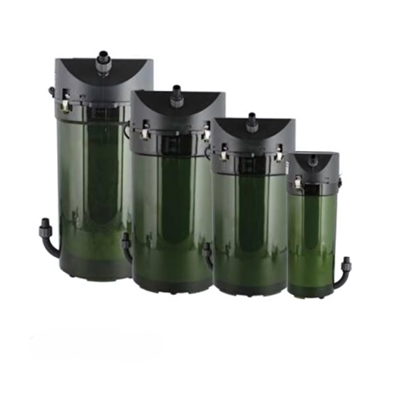
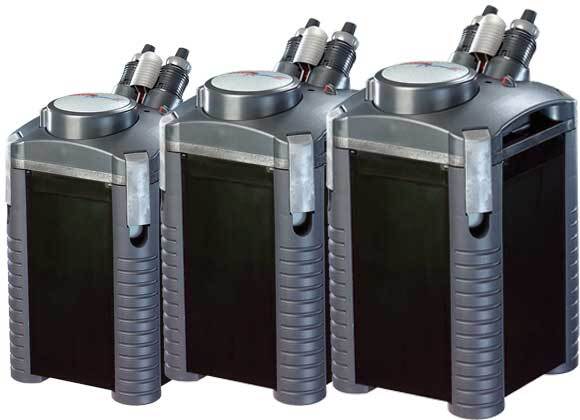
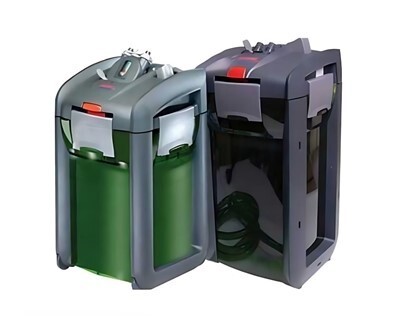
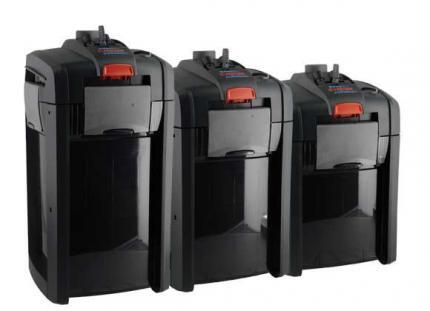
The “Bigger Filter Fixes Everything” Myth
A lot of people think a huge filter will erase every problem. Too many fish, too much food, not enough cleaning, just throw on a bigger filter and it will all be fine, right? Not really.
Filters have three main jobs:
- Mechanical, catching bits of waste and leftover food
- Biological, giving good bacteria a home to break down toxins
- Chemical, sometimes removing extra impurities with special media
If the filter is way too strong, you can run into new issues: hard currents that push fish around, plants getting ripped up, and noisy splashing. You can also get dead spots where debris settles because all the flow is blasting in one direction instead of moving gently through the whole tank.
A slow-flowing filter is better for fish like bettas, while fast-moving fish like African cichlids often enjoy stronger flow. In summer, oversized filters can also add extra heat from the motor and cause a lot of surface agitation that affects CO2 in planted tanks.
Fun fact: most beneficial bacteria live on surfaces like your substrate, rocks, and filter media, not floating in the water. Replacing all the media at once can wipe out that bacteria and cause an ammonia spike.
Lighting Myths That Fuel Algae and Stress Fish
Another big myth is that more light always means better plant growth, or that any bright light is fine as long as you can see your fish. Light has to match your tank, not overwhelm it.
Too much light with not enough nutrients or CO2 is the perfect recipe for algae. The plants cannot use all that energy, so algae steps in and takes over. Poor quality lights can also wash out colors, keep fish on a strange day and night cycle, and stress shy or nocturnal species that need dimmer spots.
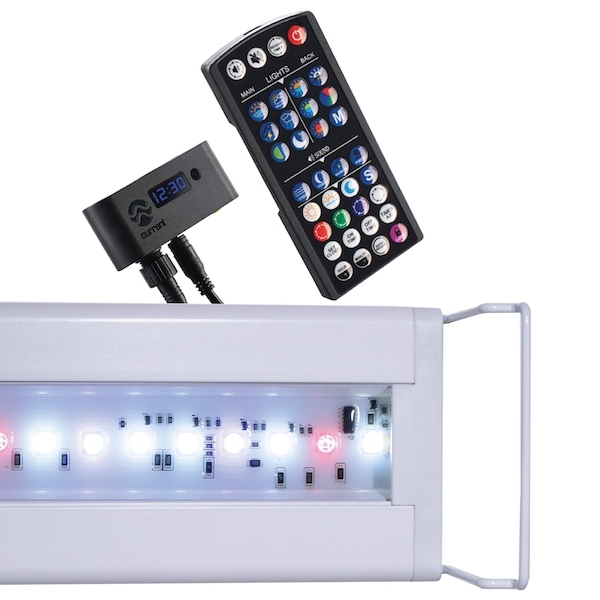
Good aquarium lighting usually has:
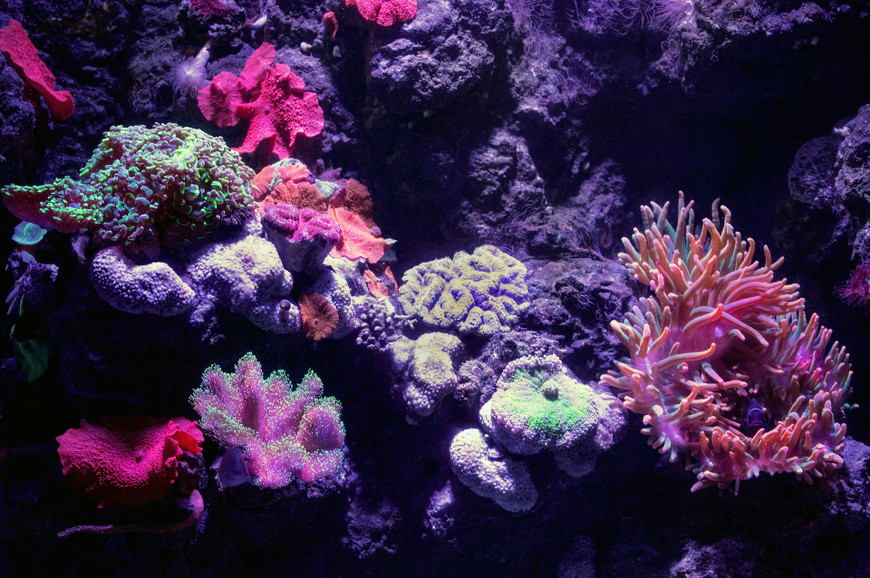
- The right spectrum for freshwater plants or reef corals
- A timer so the photoperiod stays steady
- Dimmable options to adjust intensity as needed
In summer, strong sunlight coming through windows plus your tank lights can double the brightness. It often helps to shorten your light period in July and keep direct sun off the glass.
Fun fact: many fish can see colors we do not, and some reef fish use patterns in the UV range to tell each other apart.
Heating, Cooling, and the “Room Temperature Is Fine” Myth
A tank is not safe just because the room feels comfortable to us. Water changes temperature slowly but holds heat longer, so a heat wave can push a tank far outside the safe range even when we feel only a little warm.
Different setups like different temperatures:
- Bettas and many tropical community fish prefer warm, steady water
- Goldfish and some other coldwater fish prefer cooler tanks
- Reef tanks often need very steady, slightly warm saltwater
Stability matters more than chasing a perfect number. Quick jumps can be harder on fish than being one or two degrees off. Reliable heaters with built-in thermostats, easy-to-read thermometers, small fans, and chillers for very warm homes or reef systems all help keep tanks steady.
July brings special risks. Closed curtains, AC turning on and off, and direct sun on the glass can cause daily swings. A fast daily temperature check can catch trouble before fish show stress.
Fun fact: some coral reefs start to bleach when the water stays only 1 or 2 degrees hotter than normal summer levels for an extended time.
“Bubbles Mean Oxygen” and Other Aeration Misconceptions
Those streams of bubbles look like pure oxygen going straight into your fish, but that is not how it really works. Gas exchange mostly happens at the water surface where air and water meet.
Air stones and bubble walls help because:
- They push water upward and break the surface
- They keep water moving so fresh water reaches the surface
- They limit low oxygen spots at the bottom of the tank
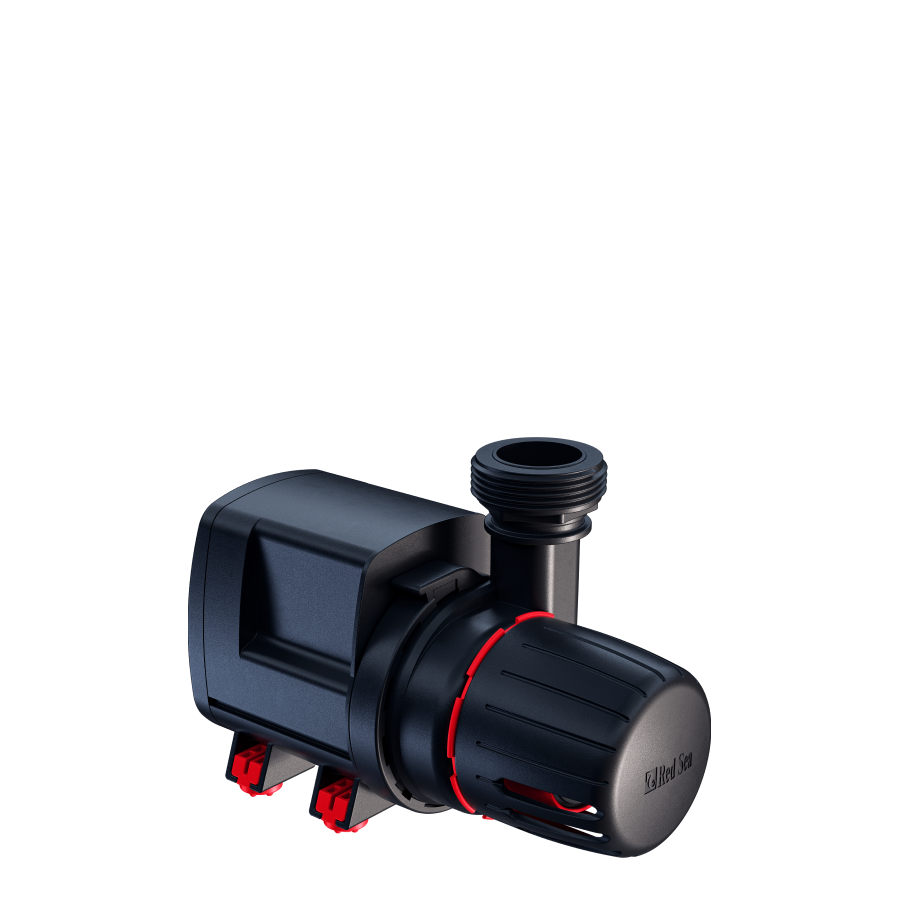
Filters and powerheads can also support good oxygen levels if they create gentle surface movement and steady circulation. You do not have to turn the tank into a storm of bubbles.
In summer, warm water holds less oxygen. That means July is the time to pay extra attention to surface movement, especially in heavily stocked tanks.
Fun fact: many nocturnal fish get more active when the lights go off partly because plants stop making oxygen in the dark and the tank’s chemistry shifts a bit overnight.
When “All-in-One” Gear Helps, and When It Hurts
All-in-one kits sound perfect for beginners. One box, everything you need, done. Sometimes they really do help people get started without feeling lost.
Starter kits can be a good choice when:
- The filter is sized correctly for the tank
- The light can support your planned plants or corals
- Parts can be upgraded later as you learn
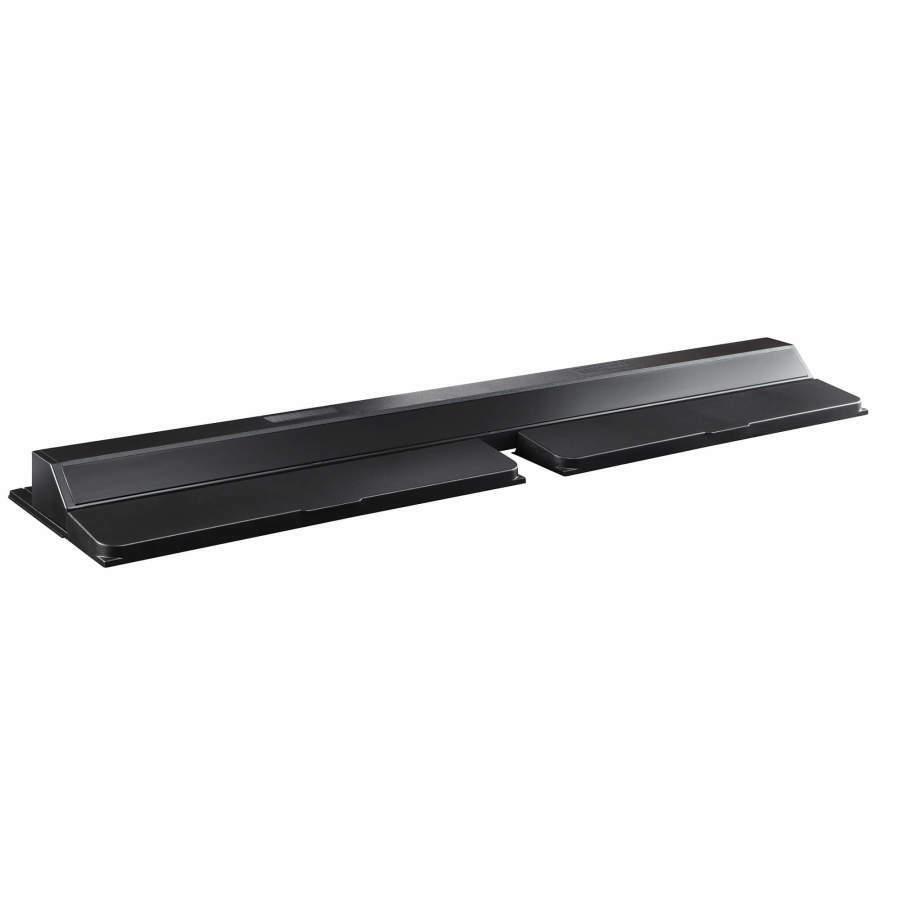
The downside is that some kits include weak filters, simple lights that are only good for viewing, and fixed lids that limit what equipment you can add. That can hold back aquascapes, plant growth, and future stocking plans.
It helps to think about the long term when picking gear, especially during summer sales and holiday weekends when impulse buys are tempting. Ask yourself:
- What fish and plants do we want now?
- What might we want in a year?
- Freshwater only, or could this become a reef later?
Fun fact: some of the most beautiful display tanks in the world run on fairly simple setups, but every piece of gear is carefully chosen to match the animals and goals of that tank.
Build a Myth-Free Equipment Plan for Your Tank
The key shift is moving away from quick fixes and viral hacks. Clear, healthy tanks come from balanced, species-appropriate aquarium equipment choices and steady habits over time.
A simple action checklist:
- Test your water for basics like ammonia, nitrite, nitrate, and pH
- Confirm your actual tank size and how many fish you keep
- Review your filter flow, heater range, and lighting schedule
- Note any recurring issues like algae, cloudy water, or sick fish
With a myth-busting mindset and gear that truly fits your setup, you can enjoy clear water and relaxed, colorful fish all year.
Fun fact: scientists use aquariums to study fish behavior and water chemistry, and many of the best practices we use at home started in these research tanks.
Frequently Asked Questions About Aquarium Equipment
How Often Should I Replace My Aquarium Filter Media?
Most mechanical media like floss or sponges can be rinsed in tank water every 2 to 4 weeks and replaced when they start to break down. Biological media can last for years if you rinse it gently in dechlorinated or tank water and avoid changing it all at once.
Do I Really Need a Heater for a Room Temperature Tank?
If you keep tropical fish, a heater is important to hold a stable temperature, even if the room feels fine to you. For coldwater species like goldfish, you usually do not need a heater, but a thermometer is still important to watch for seasonal swings.
Is an Air Pump Mandatory If I Already Have a Filter?
Not always. If your filter gives good surface movement and circulation, oxygen levels are often good enough, but in heavily stocked tanks, warm weather, or deeper aquariums, an air pump and air stone can add helpful backup aeration.
Can I Use the Same Equipment for Freshwater and Saltwater Tanks?
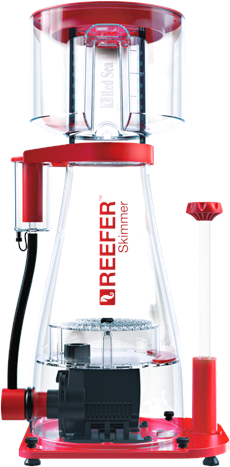
Some items like many heaters and some LED lights can work for both, but other gear is not suited for saltwater due to corrosion or design limits. Saltwater tanks often need special equipment such as protein skimmers and reef capable lighting, so always check product details before reusing equipment.
How Do I Know If My Aquarium Equipment Is Undersized?
Signs include cloudy water that will not clear, frequent ammonia or nitrite spikes, unstable temperatures, or algae problems even with regular maintenance. Compare the rated capacity of your gear to your tank size and stocking, and if you are near or over the limit, it is usually safer to upgrade.
Outfit Your Aquarium With Reliable Gear Today
Choose from our curated selection of high-quality aquarium equipment to keep your tank healthy, efficient, and easy to maintain. At Fish Tanks Direct, we help you match the right filters, heaters, and lighting to your specific setup so you can avoid costly mistakes. If you have questions or need tailored recommendations, contact us and we will guide you step by step.