












Designing Aquarium Equipment Layouts for Odd-Shaped Tanks
Fish Tanks Direct on Jun 28th 2026
Turn Your Odd-Shaped Tank Into a Showpiece
A strange or non-standard tank shape can look amazing, but it can also be tricky. Corner tanks, bowfronts, hexagons, and room dividers often leave us asking where to put all the aquarium equipment without ruining the view. When the layout is wrong, we get dead spots, messy cords, and hard-to-clean corners.
When the layout is right, though, the whole tank feels like one clean, flowing display. Water quality stays stable, viewing angles stay clear, and maintenance gets a lot easier. Mid-summer is a great time for this kind of upgrade, since many of us are already freshening up rooms and planning for holiday company later in the year.
Fun fact: The earliest known ornamental fishkeepers in ancient China used ceramic vessels instead of glass, so they had to arrange everything by feel, not sight. We have it a little easier today.
Understanding Your Tank’s Shape and Flow
Odd-shaped aquariums create strange flow patterns that a basic setup does not always fix. Water tends to slow down in tight corners and behind decorations, while areas near overflows and returns can feel like a river.
Common trouble spots include:
- Corners and narrow wedges in corner tanks
- The deep back ends of bowfront and peninsula tanks
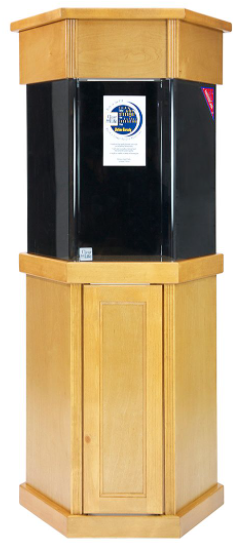
- Tall mid-sections in column or hexagon setups
- Areas hidden behind large rockwork or wood
A simple way to start is to sketch your tank from the top and from the side. Mark where you think the intake, return, heater, and powerheads might sit. Then lightly draw arrows to show the main flow path. You will usually notice at least one area where the arrows never reach. That is your first clue for where to add or adjust flow.
Different shapes pose different layout challenges:
- L-shaped or peninsula tanks can have strong flow on one leg and almost none on the other
- Corner tanks often have great viewing on the front but cramped space behind
- Hexagon and column tanks are tall, so light and flow struggle to reach the bottom
- Bowfronts bend light and can create odd reflections if lights and cords are not planned well
Fun fact: Hexagon tanks often look larger than rectangles of the same volume because our eyes read all those vertical edges and depth as “bigger.”
Planning Aquarium Equipment Layouts for Clean Lines
We like to think in zones. This keeps the tank looking tidy instead of like a bundle of hardware.
- Display zone: What you and your guests see most of the time
- Utility zone: Where the aquarium equipment lives, usually behind rockwork or in the stand
- Service zone: Where your hands, tools, and cleaning gear need room to move
On odd-shaped tanks, the utility zone might be a back corner, a center overflow, or space under a matching canopy. The trick is to keep gear out of the main view but not so hidden that you cannot reach it.
Key placement tips:
- Intakes: Place low and in slower spots so they pull waste from dead zones
- Returns: Aim across long viewing panels and use the glass to bounce flow into pockets
- Heaters: Keep near decent flow so warm water spreads evenly, not in a silent corner
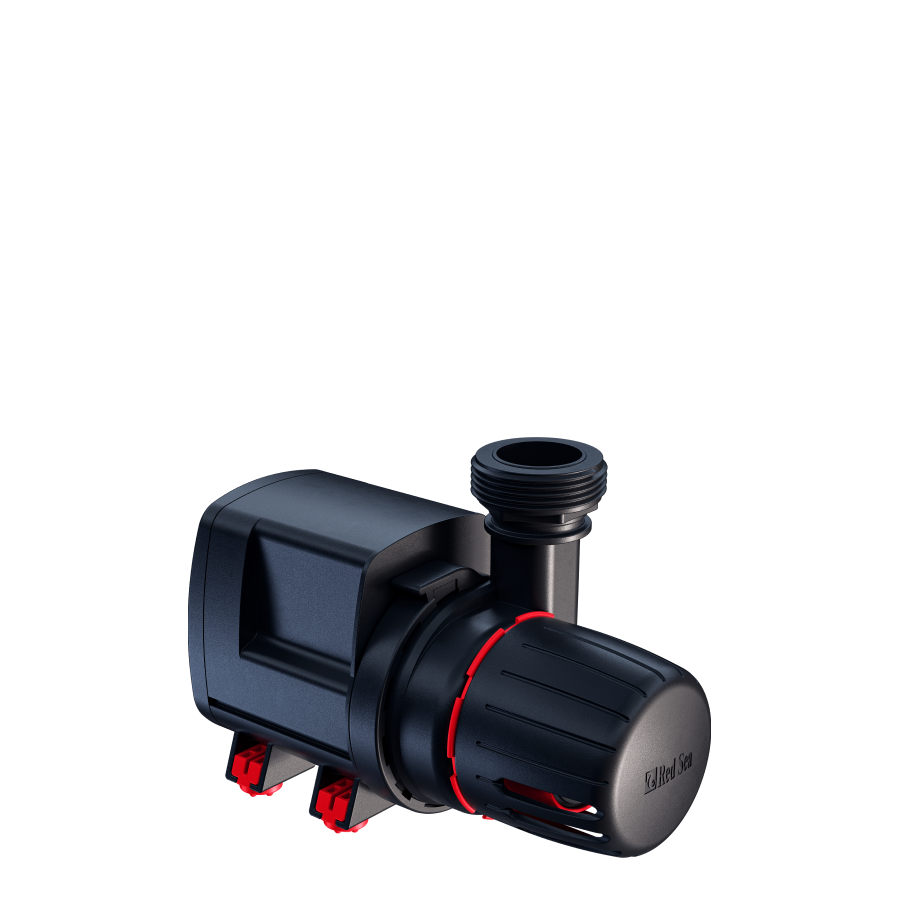
- Powerheads: Angle slightly upward to mix surface and deeper layers, not straight at the sand
- Auto top-off sensors and thermometers: Put them where you can see and test them quickly
Summer heat can push water temps up, which means more algae and more cleaning. If your heater, powerheads, and filter are buried behind fixed rockwork, you will dread every service day. Access is just as important as hiding cables.
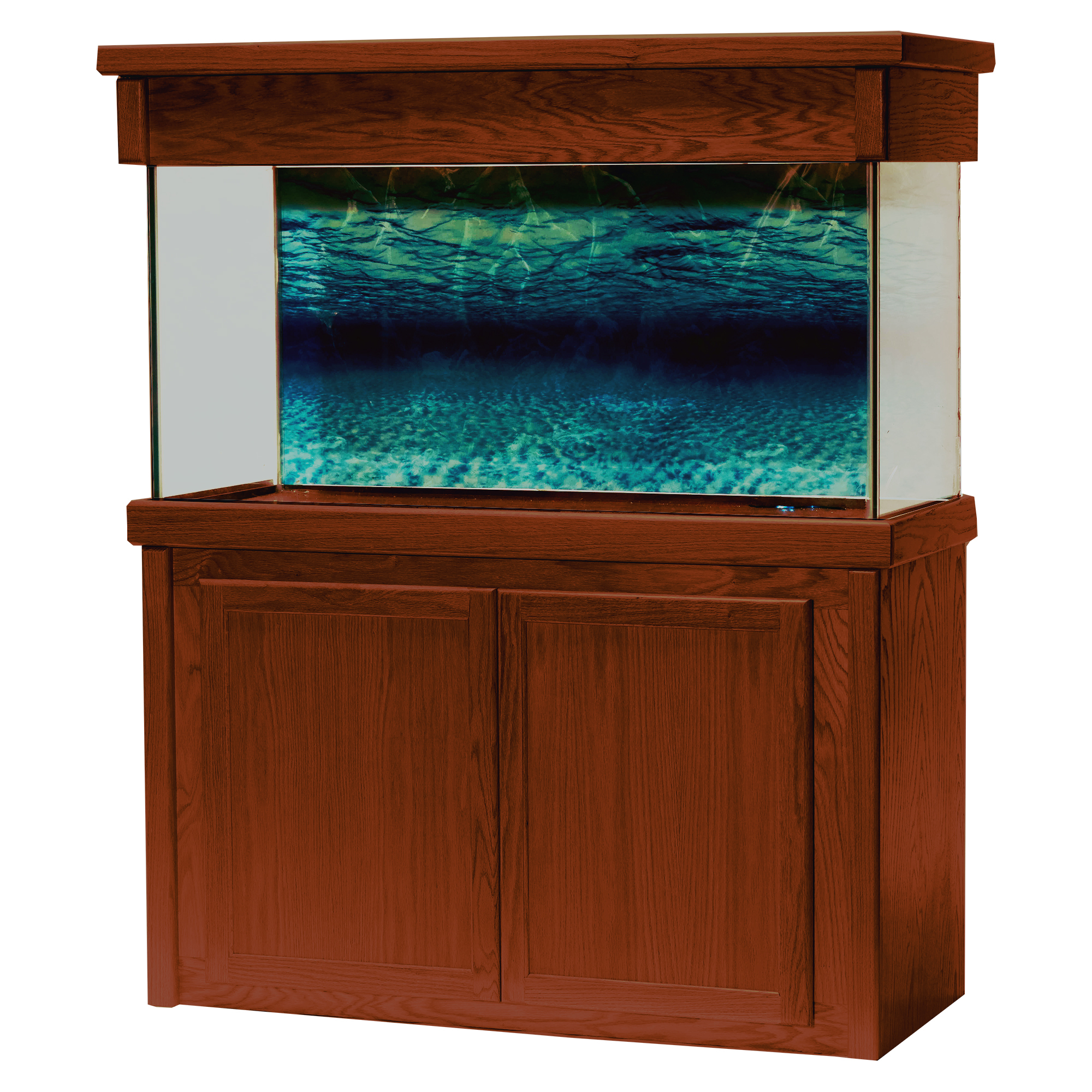
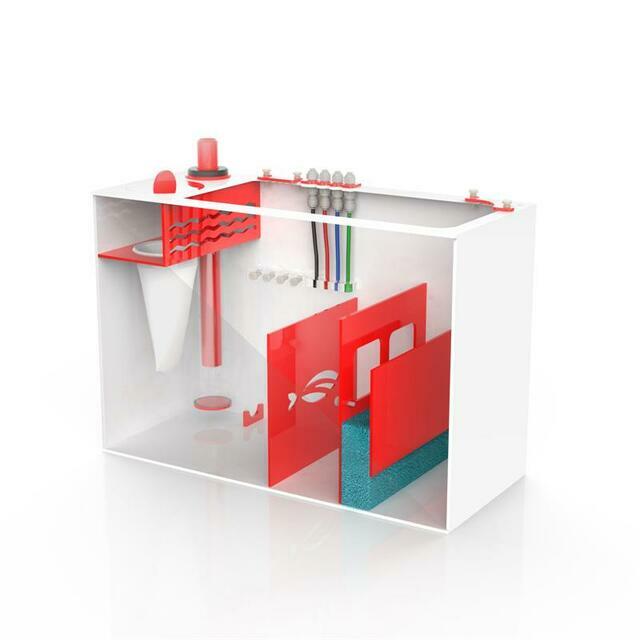
Stands and canopies that are planned with the tank give you space to route plumbing, cords, and hoses out of sight. Custom acrylic tanks also make it easier to build in overflow boxes and hidden channels for plumbing. Fun fact: A well-aimed return nozzle can sometimes replace one or two visible powerheads by bouncing flow off walls and rock into hard-to-reach areas.
Smart Filtration and Lighting for Tricky Footprints
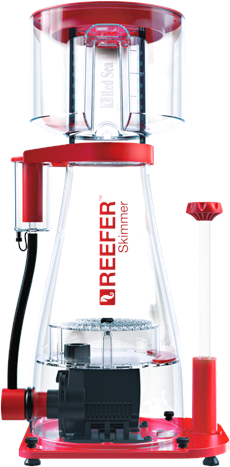
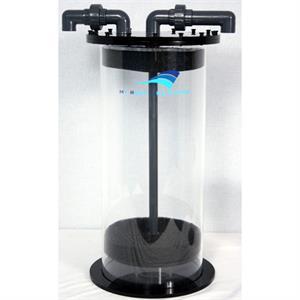
Filtration is usually the most important piece of aquarium equipment for odd-shaped tanks. The filter and plumbing decide how water travels through that strange footprint.
Here is a simple way to think about it:
- Sumps work well for larger or drilled tanks, peninsula setups, and custom acrylic builds
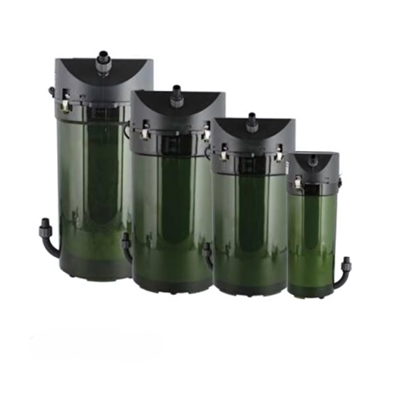
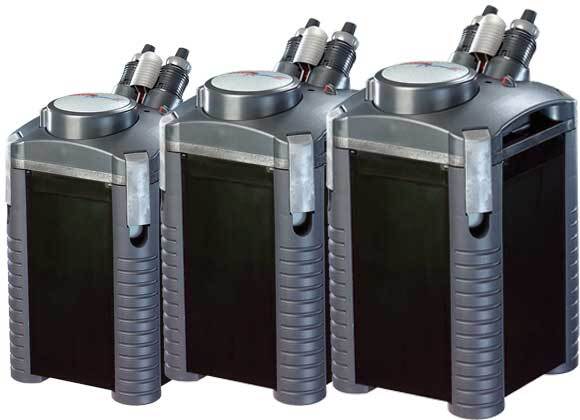
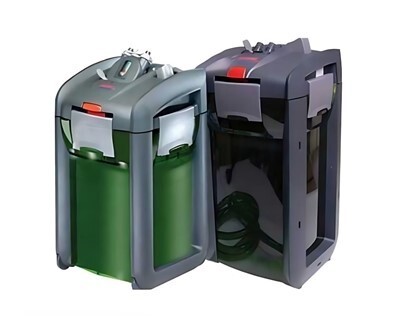
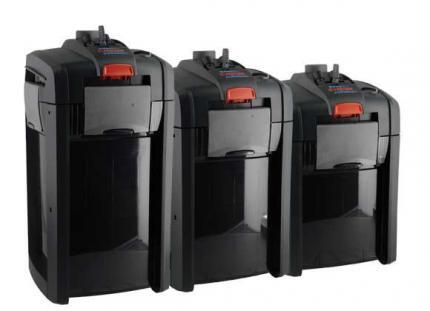
- Canister filters suit corner, bowfront, and hexagon tanks where you want clear backs and sides
- Hang-on-back filters fit smaller corner or cube tanks that do not have room for plumbing
On corner and bowfront aquariums, it often helps to put the intake in a low-flow corner and the return on the opposite side. Angle the outlet so it sweeps across the curve and breaks any surface film.
Lighting brings its own challenges:
- Curved glass can twist light and create glare if the fixture is too close
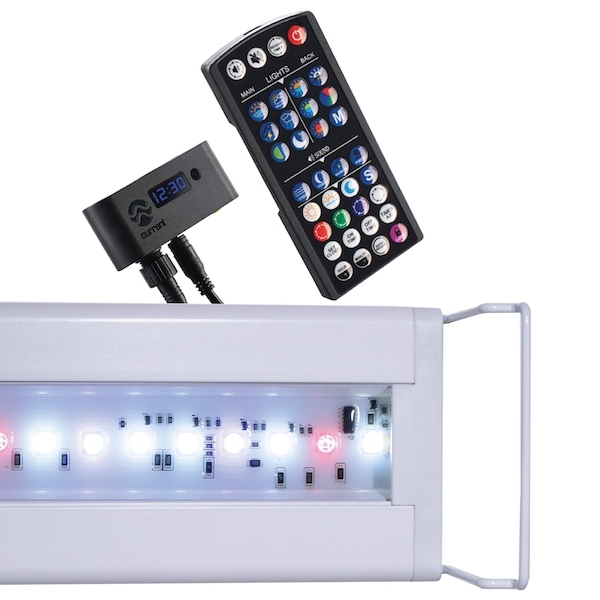
- Tall columns and hexagons need stronger or more focused light to reach the bottom
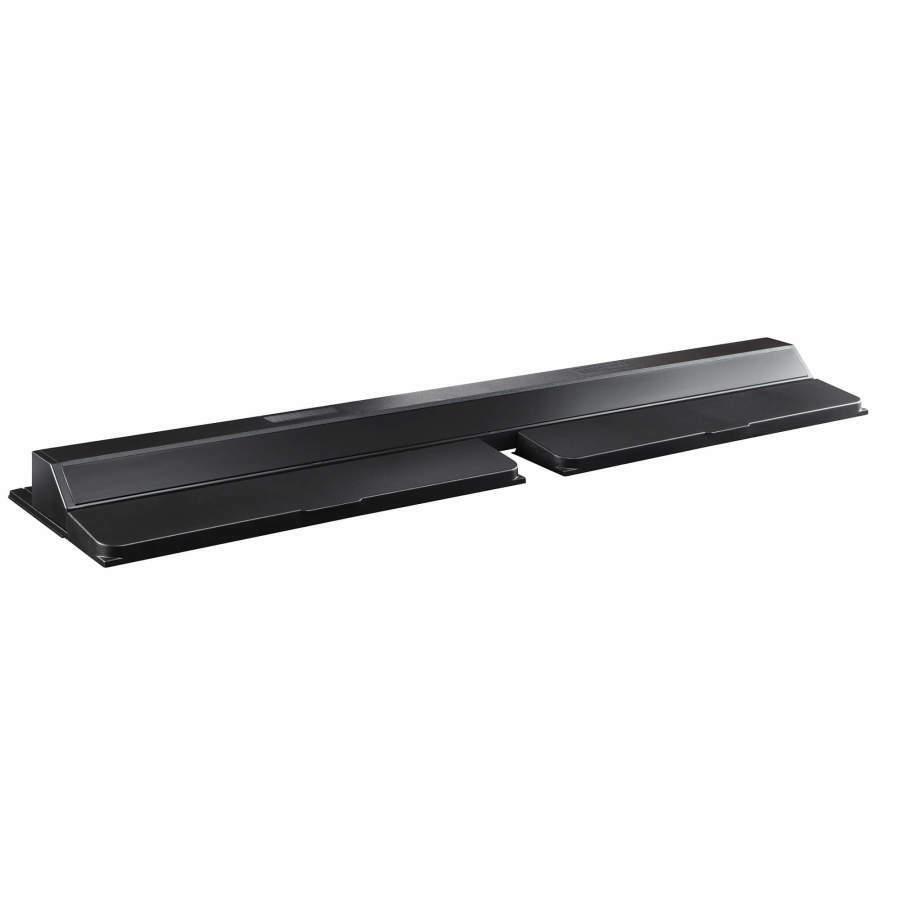
- Peninsula tanks may need multiple lights spaced along the length to avoid dark ends
You can adjust:
- Mounting height: A little higher can spread light across bowfront curves
- Number of fixtures: Several smaller lights instead of one big one
- Light spread and lenses: To get even coverage across odd footprints
Cable and hose routing matters too. Run cords along tank trim or stand edges instead of across viewing panels. Make sure lid hinges and feeding doors can still open without pinching wires, especially in humid summer conditions when condensation collects on everything.
Fun fact: Many reef keepers shorten peak daylight in hot months and lean on blue evening channels to help hold down heat and algae while keeping coral color strong.
Space-Saving Ideas for Stands, Canopies, and Gear
Odd-shaped tanks often sit in tight corners, room dividers, or small home offices. That makes every inch inside the stand count.
Smart space savers include:
- Vertical shelving above the sump for dosing containers and test kits
- Sliding sump trays so you can pull equipment forward for cleaning
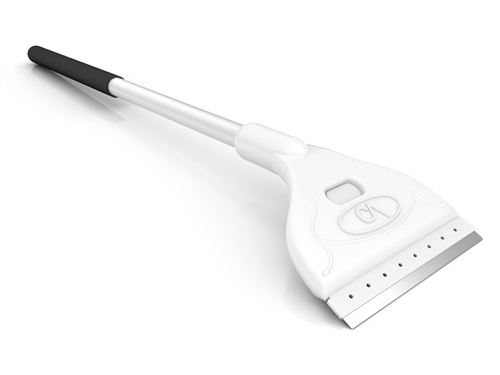
- Magnetic racks on stand doors for nets, algae scrapers, and feeding tools
Custom stands and canopies can be built to match the tank footprint, which helps reclaim storage that standard rectangles would waste. You get room for filters, controllers, and power strips without a tangle of cords spilling into the room.
Summer adds a second challenge: noise and heat. Closed cabinets can trap warmth from pumps, lights, and power supplies. A tightly packed stand can run several degrees warmer than the room, which is tough on electronics and water temperature.
Simple layout choices help:
- Leave open gaps around pumps and power supplies so air can move
- Use small cabinet fans or vents to push warm air out
- Keep noisy gear, like air pumps, away from bedroom or office walls
Fun fact: Even a small fan pointed across the sump or stand can make a big difference in comfort for both you and your equipment.
Bringing It All Together for a Seamless Display
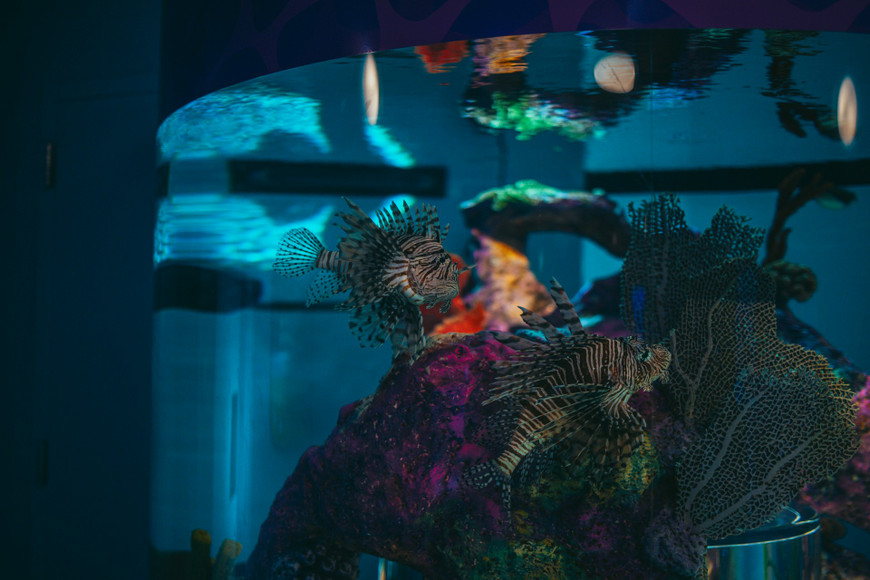
The goal with any odd-shaped aquarium is a smooth, calm viewing experience, even if the tank itself is wild. When we understand our tank shape, map out flow and sight lines, group aquarium equipment into clear zones, and use the right stands or canopies, the gear fades into the background and the fish and corals become the star.
Mid-year is a smart time to snap photos, take careful measurements, and sketch out changes. From there, you can plan late-summer or early fall upgrades, like custom acrylic options, new stands, or complete equipment packages that match your tank shape instead of fighting it. Public aquariums often redesign layouts many times as livestock and goals change, and home tanks benefit from that same flexible mindset. If we plan now for easy water changes, feeding, and emergency access, our odd-shaped aquariums can stay beautiful and stress-free for years.
Frequently Asked Questions
Most Important Aquarium Equipment for Odd-Shaped Tanks
The most important piece is usually the filtration system, because good mechanical and biological filtration helps offset flow dead spots that odd shapes create. From there, circulation pumps and powerheads fine-tune water movement so that waste is carried to the filter and oxygen is spread evenly.
How Do I Hide Equipment Without Hurting Water Flow?
Aim to tuck gear behind rockwork, plants, or tank braces, but always keep intakes and outlets clear. Leave at least a few inches of open space around intakes and position return nozzles so they push water across the front and back panels, not just straight ahead.
Can I Use a Canister Filter on Corner or Bowfront Tanks?
Yes, canister filters can work well on corner and bowfront tanks if you plan hose routing carefully. Place the intake in a low-flow corner and the return on the opposite side, then adjust the outlet angle to sweep across the curved glass and break up surface film.
Do I Need Different Lighting for Tall or Column Aquariums?
Tall and column tanks often need stronger or more focused lighting to reach the bottom. Look for fixtures with deeper penetration or use multiple smaller lights arranged to cut down on dark zones and harsh spotlighting.
How Can Fish Tanks Direct Help with My Equipment Layout?
Fish Tanks Direct offers custom acrylic tanks, matched stands and canopies, and complete aquarium equipment setups for both freshwater and saltwater systems. Our range of shapes, sizes, and gear makes it easier to choose equipment that fits your tank’s footprint while keeping the layout clean, efficient, and easy to live with.
Get Started With Your Project Today
If you are ready to upgrade your setup, explore our curated selection of aquarium equipment designed for both reliability and performance. At Fish Tanks Direct, we help you choose the right tools so your livestock and plants can thrive. If you have questions or need help comparing options, simply contact us and we will guide you through the next steps.