













Reasons Why Aquarium Gravel Matters More Than You Think
Fish Tanks Direct on Jan 9th 2025
Aquarium gravel might seem like a simple addition to your tank, but it holds much more importance than meets the eye. It's not just a decorative element; gravel plays a crucial role in maintaining a healthy environment for your fish and plants. Understanding its many benefits can transform the way you approach aquarium care.
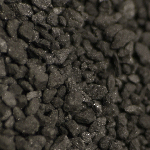
The type of gravel you choose impacts water quality, aesthetics, and the overall well-being of your aquatic community. Gravel aids in natural filtration, providing a surface for beneficial bacteria to thrive. This natural process helps break down waste and maintain a balanced ecosystem. Additionally, the right gravel can mimic a natural habitat, making your fish feel more at home.
Maintaining the gravel in your tank is vital for ensuring it continues to perform its functions effectively. Regular cleaning prevents harmful buildup, keeping your tank clear and thriving. With so many factors to consider, selecting the right gravel might feel overwhelming, but it's a key step toward creating a vibrant aquatic world you'll love. By giving the gravel in your aquarium the attention it deserves, you set the stage for a beautiful and healthy environment.
The Role of Gravel in Aquarium Filtration
Gravel plays a vital role in filtration within an aquarium, providing a natural and effective way to help maintain clean water. One of the main benefits of using gravel is its ability to host beneficial bacteria. These bacteria live on the surface of the gravel and break down fish waste, uneaten food, and other debris. This process, known as biological filtration, keeps harmful substances like ammonia and nitrites in check, maintaining a balanced environment.
The porous nature of gravel allows it to trap small particles that mechanical filters might miss. This extra layer of filtration contributes to water clarity. By holding onto debris, gravel reduces the workload on your tank’s main filter system, potentially extending its lifespan and efficiency.
When using gravel as part of your filtration system, consider these points:
- Gravel Depth: Aim for a gravel layer of about 1 to 2 inches. This depth provides enough surface area for bacteria while allowing easy cleaning.
- Grain Size: Select gravel with varied grain sizes. Smaller grains provide more surface area for beneficial bacteria, while larger grains help improve water flow.
- Regular Maintenance: Periodically vacuum the gravel during water changes to remove excess waste and keep the helpful bacteria thriving.
With the right approach, gravel becomes a powerful ally in maintaining a clean and healthy aquarium, supporting both fish and plants as part of a complete ecosystem.
Creating a Natural Habitat with Gravel
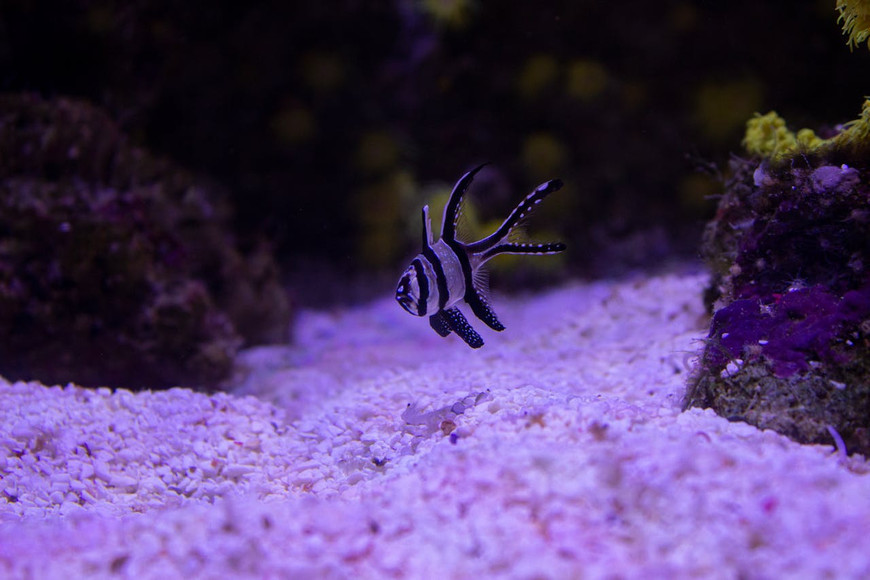
Gravel is essential in creating a natural and inviting habitat for your aquatic life. It mimics the natural environment, providing fish and plants with a familiar setting. The right type of gravel can enhance the look of your tank, making it both a home for your fish and a beautiful display piece.
A diversity of gravel offers an enriching environment for fish. Many species appreciate substrates that resemble their natural homes. The texture and color of the gravel can provide comfort and security. Certain fish species will even forage or hunt for food in the gravel, engaging in natural behaviors that keep them active and healthy.
Aquarium plants also benefit from a well-chosen gravel substrate. Gravel provides anchorage for roots, allowing plants to establish themselves firmly. This anchoring helps plants grow and flourish, which contributes to oxygenation and waste reduction in the tank. Additionally, plants bring a vibrant look to aquariums, creating a balanced and lively scene.
Consider these tips for creating a natural habitat with gravel:
- Color and Texture: Match gravel color and texture to the natural environment of your tank’s inhabitants.
- Plant Support: Use a gravel type that anchors plants securely while allowing water flow.
- Aquascaping: Consider using varying gravel sizes and colors to create interesting landscapes and depth.
By choosing the right type of gravel and arranging it thoughtfully, you create a harmonious environment that promotes the well-being of both fish and plants while enhancing the aesthetic appeal of your aquarium.
Choosing the Right Type of Gravel for Your Tank
Selecting the best gravel for your tank depends on several factors, including the size of your aquarium, the type of plants, and the preferences of your aquatic life. The right gravel not only enhances the look of your tank but also supports a healthy environment.
Consider the size of your tank first. For small tanks, choose finer gravel to create a clean and organized appearance. In larger tanks, coarser gravel can add texture and interest. The choice of gravel size can affect water flow and maintenance, so it's vital to match the grain size to your tank's filtration capacity.
Color and composition are essential in mimicking natural settings. Brightly colored gravel might appeal visually but can sometimes distract from the natural appearance of the tank. Natural tones like browns, grays, and whites blend well with plants and decorations, creating a more authentic habitat.
It's also crucial to consider if the gravel is coated or treated with chemicals, as these can sometimes affect water chemistry. Opt for aquarium-safe products that will not alter pH levels or release harmful substances into the water.
Here's a quick checklist to guide your choice:
- Tank Size: Match grain size to the tank’s scale and filtration.
- Color: Choose colors that complement the tank’s theme and decorations.
- Chemicals: Ensure gravel is aquarium-safe and does not affect water parameters.
- Compatibility: Confirm the gravel type suits the plants and potential tank inhabitants.
Choosing the right gravel enhances the beauty and function of your aquarium, creating a stable and eye-catching home for your underwater world.
Gravel Maintenance Tips for a Healthy Aquarium
Keeping your aquarium's gravel clean and well-maintained is crucial for ensuring a healthy environment. Proper gravel care helps in reducing harmful waste buildup and supports the beneficial bacteria necessary for water quality.
Regular cleaning keeps the substrate free of debris and residue. Use a gravel vacuum during water changes to remove built-up waste from between the gravel pieces. It's best to siphon out about 10-15% of the water while cleaning, replacing it with fresh, conditioned water. This method keeps the tank water healthy without disturbing the balance of nutrients and bacteria.
Avoid over-cleaning by targeting specific areas during each maintenance session. This selective cleaning preserves beneficial bacteria and prevents unnecessary stress on the tank's ecosystem. Another tip is to stir the gravel occasionally to prevent compaction, which can impede water flow and nutrient exchange.
Be mindful of any changes in water clarity or smell, as these might indicate accumulated waste in the gravel. Address these signs promptly by increasing the frequency of gravel vacuuming sessions.
To keep your gravel in top condition, apply these tips:
- Gravel Vacuuming: Clean during regular water changes to remove waste.
- Targeted Cleaning: Focus on specific areas to protect beneficial bacteria.
- Watch for Signs: Monitor for clarity and smell changes as indicators of hidden waste.
- Gentle Stirring: Occasionally mix gravel to avoid compaction issues.
By following these maintenance practices, you maintain a healthy aquarium environment, ensuring both the beauty and functionality of your tank’s gravel substrate.
Conclusion
Gravel is more than just a decorative element in your aquarium. It plays a crucial role in filtration, habitat creation, and maintaining the overall health of your aquatic environment. Choosing the right gravel and maintaining it properly ensures a thriving underwater world.
Consider how gravel supports filtration, providing a home for beneficial bacteria that keep your water clean. It also contributes to creating a more natural-looking habitat, which can improve the well-being of the organisms in your tank. The right gravel choice enhances aesthetics and functionality, complementing the plants and decorations you've selected.
Regular maintenance of your gravel is key to keeping your aquarium healthy. With consistent care, you can prevent waste buildup and maintain water quality. This attention to detail brings out the best in your aquarium, making it a focal point in your space.
If you’re looking for reliable aquarium suppliers, trust Fish Tanks Direct. With a range of high-quality options, you can find the perfect match for your tank, ensuring a beautiful and healthy environment. Whether setting up your first tank or refreshing an existing one, explore our selection to find gravel that supports your vision and the health of your aquatic home.