














What to Do When Your Sump Tank Aquarium Overflows
Fish Tanks Direct on May 15th 2025
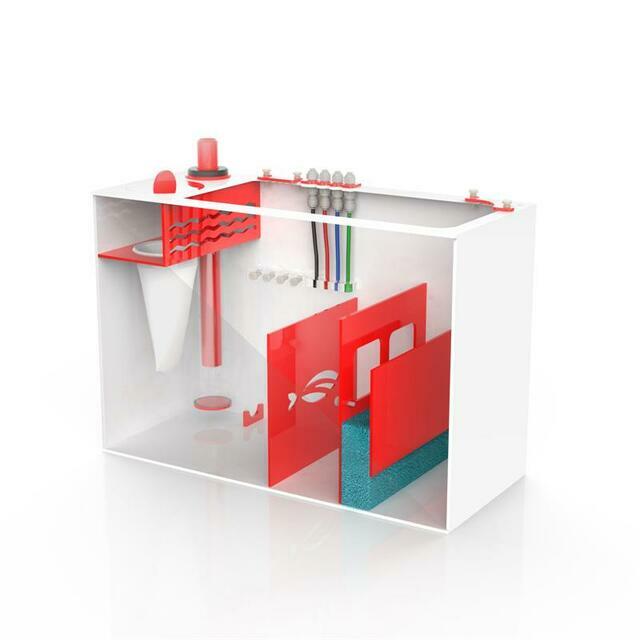
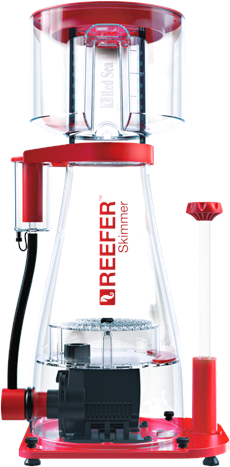
Understanding sump tank aquariums can open up a new world of possibilities for enhancing your aquatic environment. These tanks are fantastic for maintaining water quality and housing essential equipment like heaters and protein skimmers. By keeping the main tank free of clutter, sump tanks improve the overall health of your aquatic habitat. Despite these benefits, sump tanks can sometimes overflow, presenting challenges to fishkeepers.
Overflow issues in sump tank aquariums can be unsettling, especially if you're unsure what caused it. Common culprits include blockages or a miscalculation in water levels, and if left unchecked, these overflows can lead to water damage or stress to aquatic life. The good news is these problems are manageable with a little know-how. This article will walk you through the potential causes of overflows and the steps to prevent them, ensuring your sump tank runs smoothly.
Common Causes of Sump Tank Aquarium Overflow
Several factors can lead to sump tank overflow, disrupting your aquarium's harmony. Knowing these can help you avoid messy surprises.
1. Blockages: Pipes or filters can occasionally become blocked with algae, debris, or even a snail finding its way into the plumbing. This blockage hinders proper water flow, causing water to back up and potentially spill over.
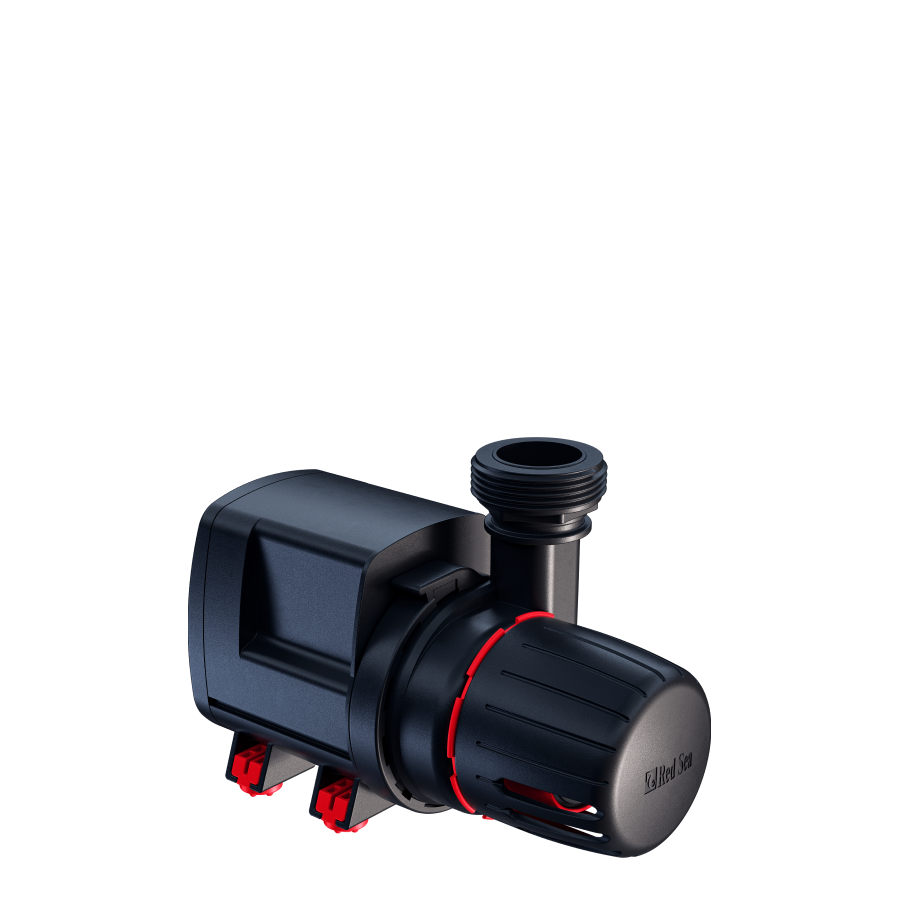
2. Pump Failure: The return pump plays a crucial role in moving water back into the main tank. If the pump fails or loses power, water collected in the sump can reach a critical level, leading to overflow.
3. Excess Water Addition: Whether you're topping off evaporated water or performing a water change, adding too much water too quickly can result in overflow. It's easy to misjudge the amount of water the sump can safely hold.
Understanding these issues helps in managing and preventing them. For instance, regularly inspecting pipes and filters can prevent blockages. Ensuring your pump is in good working order before adding any water reduces risks. If you've ever manually overflowed a cup, you know how quickly it can happen. Sump tanks aren't much different—the key is keeping a close eye on them.
Recognizing these overflow causes assists in addressing them, ensuring your tank remains a peaceful environment for your aquatic pets. Taking proactive steps now can save you from potential headaches down the road.
Immediate Steps to Take When Your Sump Tank Overflows
When your sump tank overflows, quick action can prevent further damage. Start by turning off all electrical equipment and pumps. This minimizes the risk of electrical hazards and prevents more water from being pumped into the tank, which could worsen the overflow.
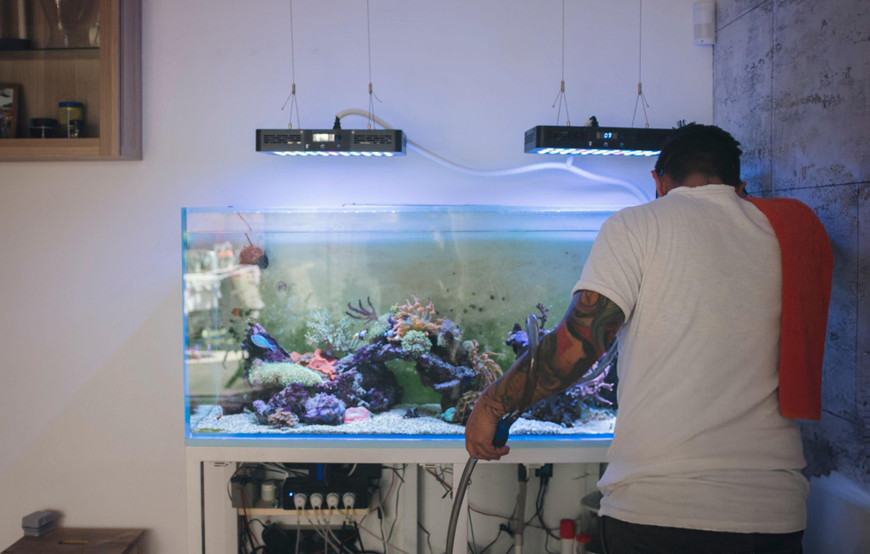
Next, remove excess water safely to avoid water damage to floors or furniture. Use a wet/dry vacuum or towels to soak up the spilled water promptly. As part of this step, it's useful to have some buckets or containers ready for any additional water that may spill during the process.
After addressing the immediate mess, it's time to inspect your system for blockages. Check pipes, filters, and other components to identify and clear any obstructions. Whether it's algae buildup or small debris causing the problem, careful removal can restore proper water flow. Keeping a keen eye during this inspection can help spot potential future issues as well.
Long-Term Solutions to Prevent Future Overflows
To prevent future overflow issues, consider consistent long-term solutions. Installing overflow protection devices can be a lifesaver. These tools act as a safeguard, providing peace of mind by redirecting excess water back into the sump or another safe place.
Regular tank maintenance plays a huge role in prevention. Schedule inspections of the sump system to catch early signs of trouble. During these inspections, clean pipes and filters and ensure the return pump is functioning efficiently.
Using a sump tank that's perfectly sized for your aquarium will also help. An overly small sump may lack the capacity to handle water changes or evaporation, while an excessively large one might be hard to manage. Proper sizing, therefore, makes maintenance easier and prevents overflows due to capacity misjudgment.
When to Seek Professional Help
Sometimes, the best course of action is to call in a professional. If you've noticed recurring overflow issues despite taking preventive measures, it may be time to consult an expert.
Professionals can provide thorough evaluations and correct problems beyond basic maintenance. They come equipped with knowledge about the latest equipment and techniques. By investing in professional help, you're enhancing the longevity and stability of your aquarium setup.
Maintaining a Balanced and Safe Aquarium
Handling sump tank overflows can be stressful, but taking the right steps can significantly minimize issues. By understanding common causes and implementing both immediate and long-term solutions, you're set to keep your aquarium in top shape. Regular checks and a bit of proactive effort ensure your aquatic environment stays balanced, providing a safe haven for your fish and relieving you of potential headaches in the future.
Enhance your aquarium experience by ensuring your sump tank system is well-equipped and maintained. Exploring a range of tools and components designed specifically for your needs can keep your aquatic environment thriving. Visit Fish Tanks Direct to discover more about optimizing your sump tank aquarium and make sure your aquarium remains a haven for your fish and aquatic plants.