










What to Do When Your Marine Fish Tank Develops a Leak
Fish Tanks Direct on Aug 19th 2025
Dealing with leaks in your marine fish tank is a dreaded scenario for any aquarium enthusiast. Imagine one day noticing water pooling around your prized setup, risking not only your home but also the lives of your cherished fish and corals. Leaks can catch even the most diligent hobbyists off guard, and it's vital to know how to respond quickly and effectively.
Leaks are more than just inconvenient; they pose a significant threat to the delicate balance of your marine environment. From interrupting filtration systems to creating hazardous conditions with electrical equipment, the impacts are serious. Recognizing the signs early and taking action can prevent minor issues from escalating into major complications, safeguarding your marine habitat and maintaining peace of mind.
Identifying the Leak
Spotting a leak in your marine fish tank as soon as possible is crucial. Fortunately, there are a few telltale signs and common sources where these issues might originate. Being observant and taking note of early indicators can save you from a bigger mess down the road.
- Signs of a Leak:
- Decreased water levels could indicate a leak or simply evaporation. Monitor closely to determine which is happening.
- Unusual condensation or droplets forming on the outside of the glass might be a giveaway.
- Wet spots or puddles on the ground near your tank suggest an active leak that needs prompt attention.
- Common Leak Sources:
- Seams: Check the edges of your tank, especially the corners where panels meet. Tiny fissures can develop here over time.
- Corners and Edges: Inspect these areas for cracks or weaknesses, particularly if your tank has been moved or bumped lately.
- Equipment Connections: Pipes or hoses that connect to filters, heaters, or pumps can become loose or cracked, leading to leaks.
Keeping an eye out for these indicators and regularly inspecting these areas can help you pinpoint leaks quickly and prevent further complications. By understanding where leaks are likely and the warning signs to look for, you'll be better equipped to manage any issues that arise, maintaining the well-being of your marine inhabitants.
Immediate Steps to Take
Acting quickly when you spot a leak is critical to minimizing damage and keeping your marine fish safe. Here’s a practical step-by-step approach to handling the situation:
- Turn Off and Unplug Electrical Equipment: Unplug power strips, lights, heaters, and any other electrical devices attached to the tank to avoid shorts or electrical issues. Water and electricity are a risky combination, so it's best to disconnect everything immediately to prevent potential hazards.
- Secure and Relocate Marine Life: If the leak is severe, you might need to consider moving your fish and other marine creatures to a temporary tank or holding container. Make sure the water in this temporary space matches the temperature and parameters of their usual environment to avoid stress.
- Reduce Water Levels: Decrease the water level in the tank to below the leak, which will help lessen pressure on the damaged area and slow or stop the leak from spreading further.
Taking these steps gives you a chance to contain the problem before further damage occurs. It also buys you some time to plan for the next steps in addressing the issue more permanently.
Temporary Fixes and Long-term Solutions
Once you’ve handled the immediate risks, you can begin focusing on repairs. Begin by assessing the size and location of the leak to determine the best course of action.
- Use Aquarium-safe Sealants for Small Leaks: A minor issue might be fixed temporarily using aquarium-safe sealants designed for underwater repairs. This solution might not be permanent, but it can help control the problem while you evaluate other options.
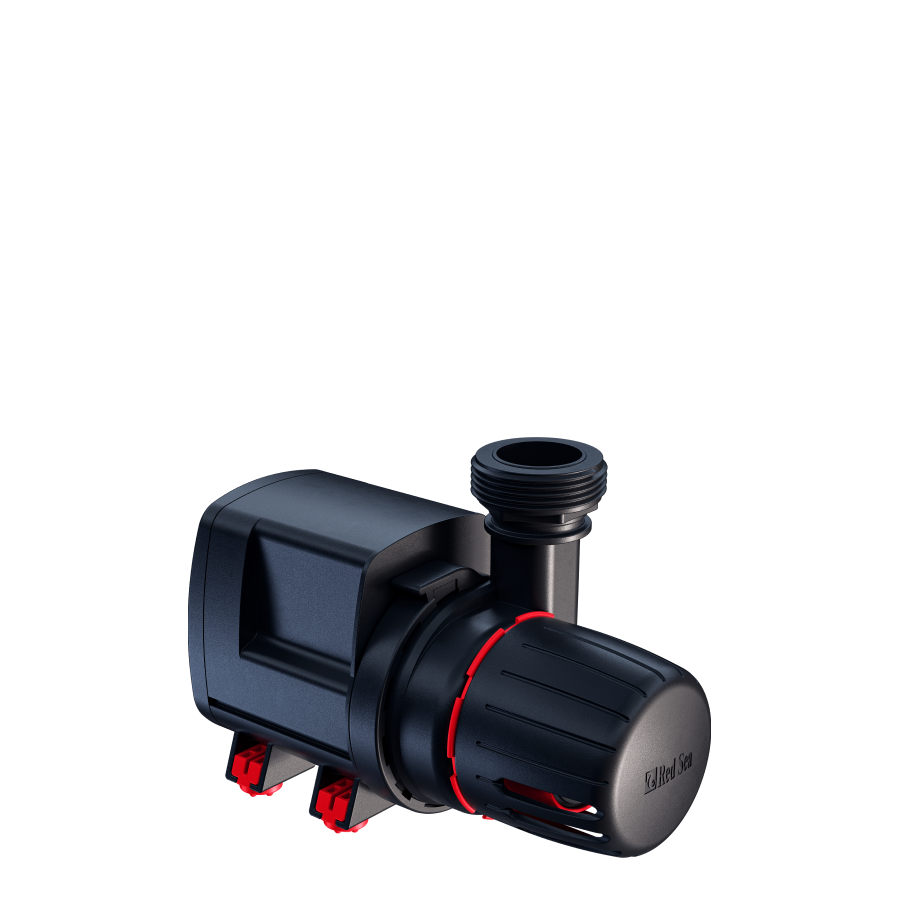
- Replace Faulty Equipment: Look over your gear, such as filters and hoses, to ensure they're not contributing to the leakage. Replacing any damaged or worn parts can help prevent future incidents.
- Consult Professionals for Major Repairs: If the leak persists or is more substantial than anticipated, it's wise to seek expert assistance. Professionals can provide thorough repairs and advice tailored to the specific needs of your tank.
Addressing these issues efficiently ensures that your marine fish tank returns to its optimal condition, reducing the risk of problems down the line.
Keep Your Marine Environment Safe
Choosing proactive maintenance is the best strategy to prevent leaks from happening again in the future. Regular inspections and upkeep can go a long way in ensuring everything stays intact.
- Routine Maintenance and Inspections: Regularly checking seals, equipment, and the overall structure of the tank can catch potential issues early. Set a routine schedule to stay on top of these inspections.
- Proper Setup and Handling: Ensure that all equipment is installed correctly. Take care to avoid unnecessary bumping or shifting of the tank, which can weaken seals over time.
- Monitor Water Levels and Conditions: Keep an eye on your tank's water level and conditions. Sudden changes can signal underlying issues that could lead to leaks.
Being attentive to the health of your marine environment not only prevents leaks but also contributes to the overall well-being of your aquatic life. Keeping your tank in good shape takes some time and effort, but the peace of mind and safety it provides are well worth it.
For those facing challenges with their marine fish tank, maintaining its integrity is key to a thriving aquatic environment. If your tank is showing signs of wear or you're aiming for an upgrade, explore the range of options available for a marine fish tank. Rely on Fish Tanks Direct for quality solutions and ensure your aquarium remains a healthy home for your marine life.