















Sump Systems for Large Display Tanks: Sizing, Plumbing, and Fail-Safes
Fish Tanks Direct on Feb 2nd 2026
A large display tank can look like a piece of living art, but the real work happens in the cabinet below. A well-planned sump system is the engine room that keeps that big tank clear, stable, and safe when the lights go off and the power flickers. If you are running a big freshwater show tank or a full reef, a good sump design can protect your floor, your fish, and your peace of mind.
Here, we will walk through how to size a sump tank for an aquarium, how to lay out the gear, how to plan quiet plumbing, and how to build in smart fail-safes for power outages and overflows. This is especially helpful around late winter, when storms tend to knock out power and test every weak spot in your system.
Build Rock-Solid Stability Into Your Display Tank
Large display tanks hold a lot of water and a lot of money in livestock and gear. A sump gives you extra water volume, which means more stable temperature, pH, and salinity. It also keeps most equipment out of the display, so it looks clean and is easier to work on.
With a sump tank for an aquarium, you can:
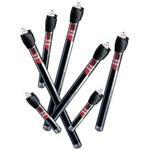
- Hide heaters, skimmers, and probes
- Add extra filtration like refugiums and reactors
- Give yourself more room for maintenance and upgrades
- Create backup space for drain down during a power cut
Both freshwater and saltwater systems gain the same basic benefits. Saltwater setups often push the limits with lighting and stocking, so they lean even harder on a strong sump plan, but big freshwater tanks love the extra volume and filtration just as much.
Dialing in the Right Sump Size for Your Tank
A simple rule of thumb is to aim for a sump that holds about one quarter to one half of your display volume. If your display is very large or heavily stocked, going to the high end of that range is usually the safer move. Extra water is like a shock absorber for your system.
The perfect size depends on:
- Display dimensions and footprint
- Stocking level and feeding style
- Filtration goals, like a refugium, heavy mechanical filtration, or lots of media
Reef tanks with refugiums or multiple reactors often need longer sumps with more sections. Freshwater tanks with big messy fish may want wider mechanical sections and big biomedia zones.
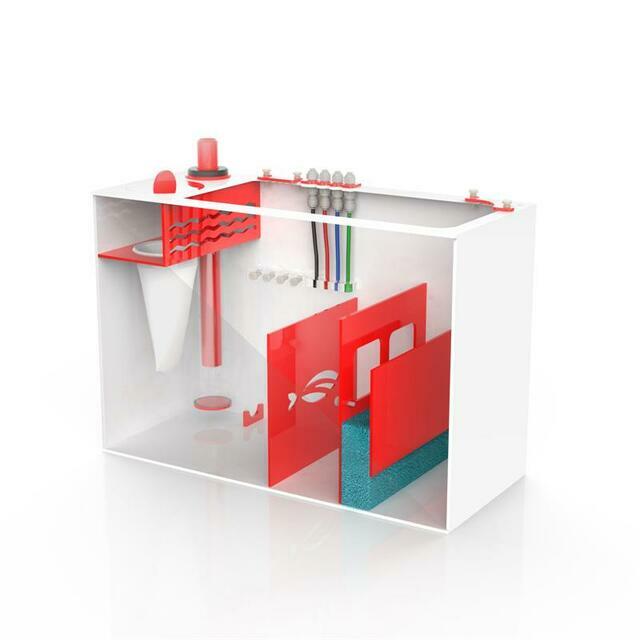
Most sumps break into three or four areas: a drain and skimmer section, a refugium or media area, then a return section. The return chamber often gets ignored, but it is very important. If it is too small, water level swings as water evaporates, and your pump can pull in air and cavitate. That rattling sound is hard on your nerves, and it is also hard on the pump.
Fun fact: many public aquariums run life support systems that are several times the volume of their displays. They are chasing ultra stable conditions. We can borrow that same thinking at home, just scaled down to fit inside a stand.
Smart Sump Layout and Equipment Placement
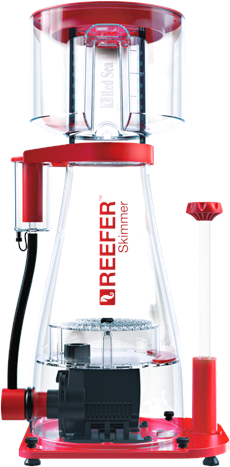
In most systems, water should enter the sump at the mechanical filtration section first. This is where you put filter socks, filter rollers, and the protein skimmer. Catch the big stuff right away so it does not break down and fuel algae later.
From there, flow usually moves into a refugium or media area, then into the return chamber. That order lets your skimmer and mechanical filters work on dirty water, then gives your macroalgae or biomedia a steady, cleaner flow, and finally sends clear water back to the tank.
Key gear normally lives in spots like these:
- Skimmer in the first section with a stable water height
- Heaters in a high-flow area, often near the skimmer or return
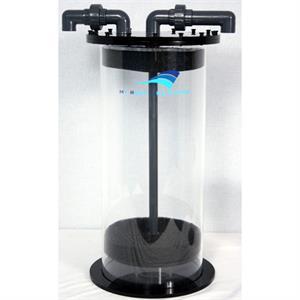
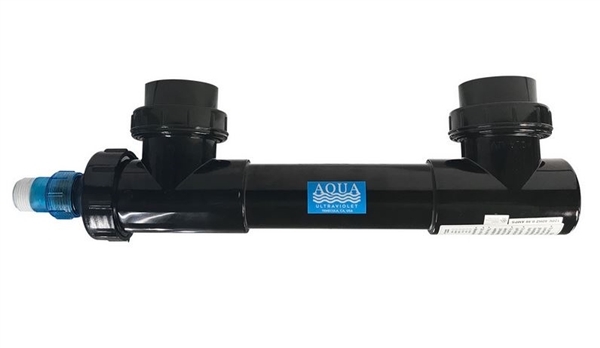
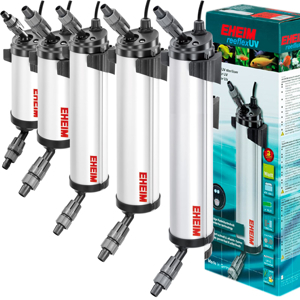
- Media reactors and UV off a manifold from the return line
- Probes and auto top-off sensors in the return chamber
Cable and hose management matters a lot in big systems. Keep wires high, dry, and labeled so you can pull gear out fast without guessing what cord goes where.
Noise control is a big deal when the tank sits in a living room or office. Baffles help trap microbubbles, and steady water height in the skimmer and return area cuts splashing. Picking a quiet return pump and matching it to the plumbing size keeps you from listening to water roar through tiny pipes.
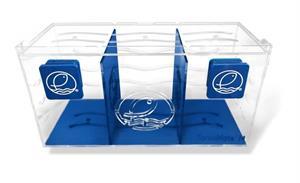
This is where custom acrylic sumps really shine. You can match baffles, chambers, and footprints to your exact stand and wish list, instead of trying to force your system to fit a random glass tank.
Plumbing Your Sump for Quiet, Reliable Flow
The overflow style on the display has a huge impact on both noise and safety. A single standpipe is simple, but it can be loud and gives less backup if something clogs. Durso standpipes help with noise, but for large display tanks, many hobbyists like Herbie or BeanAnimal style drains, since they use extra lines for both quiet and redundancy.
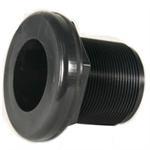
Key plumbing pieces include bulkheads, unions, valves, and sometimes manifolds off the return line for reactors. Unions and valves on both sides of your pump make maintenance so much easier. Flexible PVC can cut down on vibration and help with tricky bends, while rigid PVC looks clean and holds shape.
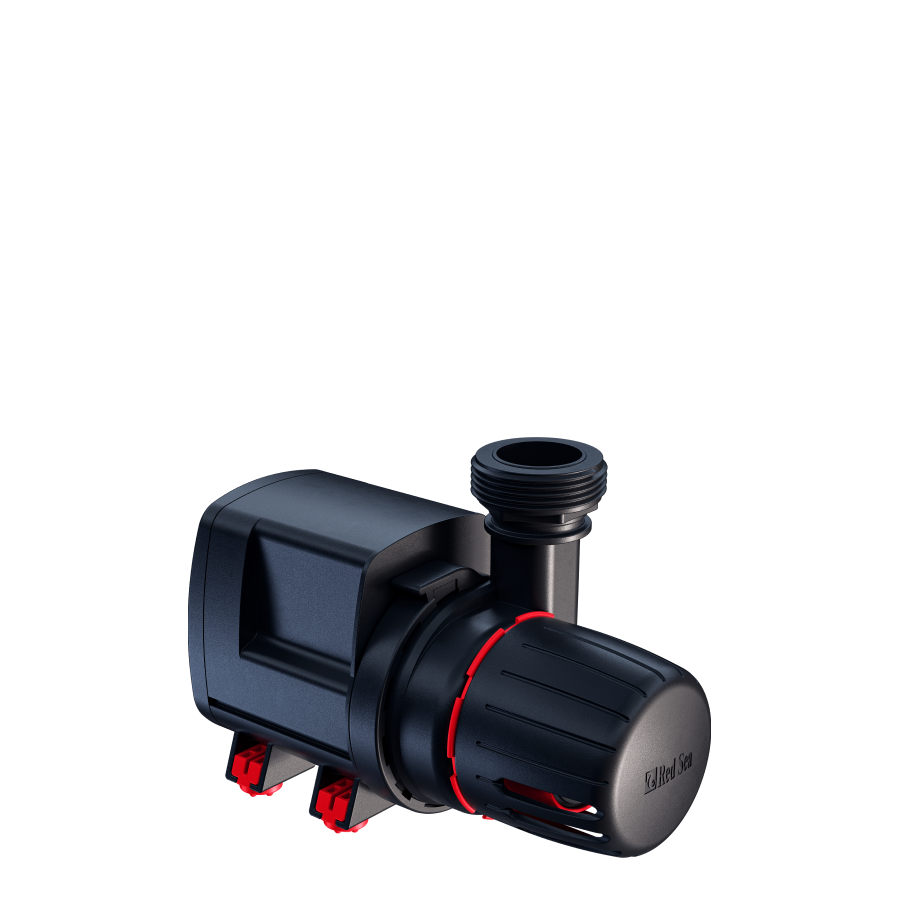
Head pressure is how high and how far your pump has to push water, plus the drag from fittings. The higher the head, the less flow you get from the same pump. When you size your return pump, think about:
- Desired turnover rate between sump and display
- Total rise from sump water level to the display return outlet
- Number of elbows, tees, and valves in the line
- Plumbing diameter so water speed stays smooth, not screaming fast
In colder months, enclosed stands can trap pump heat and warm the sump a bit, which sometimes helps steady winter temperatures. Just make sure there is still enough air movement to prevent moisture build-up around your electrical gear.
Bulletproof Fail-Safes for Power Outage and Overflow Protection
A smart sump plan always assumes the power will fail at the worst possible time. To keep water off the floor, you need to know how much will drain from the display when the pump stops, then give that volume somewhere safe to go.
Start by figuring out back-siphon volume. When the return pump shuts off, water will flow down through the drains and any submerged return lines until air breaks the siphon. The deeper your returns sit, the more water drains into the sump. Your sump must have enough empty space above its normal running level to hold all of that.
Simple protection steps include:
- Setting your overflow weir at the right height
- Drilling small siphon-break holes near the surface on return lines
- Keeping returns only slightly below the surface, not deep in the tank
- Avoiding spray bars or nozzles pointed down too far
On big systems, extra safety layers help a lot. Dual overflows give you some backup if one line clogs. High water float switches and leak detectors can shut off pumps or at least alert you before water hits the carpet. With auto top-off units, be sure they add water to the return section, not the display, so when power comes back, the system does not overshoot and swing salinity.
Fun fact: plenty of reef keepers run full power-off tests with plain freshwater before they ever add salt mix. It is a low stress way to watch how far the tank drains, where noise comes from, and how the sump handles it.
Turn Your Sump Plan Into a Reliable Reality
Before you glue a single fitting, it helps to sketch the whole system. Draw the display, the overflow, every sump compartment, and each return line. Then, on paper, pretend the power fails, a drain clogs, or you need to pull the skimmer out. If anything looks tight or awkward on paper, it will feel twice as bad under a wet stand.
Seasonal timing matters too. Adjusting plumbing, changing sumps, or reworking a stand is easier when life is calmer and before big hosting plans or long trips. The system will have time to settle in and show you any small issues before you are depending on it.
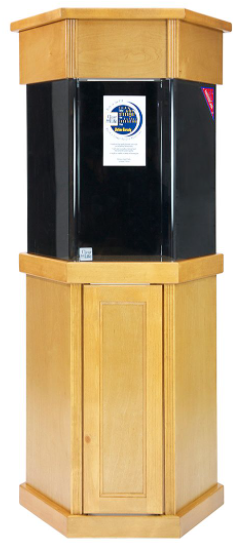
At Fish Tanks Direct, we focus on making that hidden engine room under your show tank work as well as it looks. With custom acrylic tanks, sumps, and complete filtration setups for both freshwater and saltwater, we help match sump size, layout, and plumbing to the real space you have and the way you want to run your display. A well-planned sump tank for an aquarium turns a nice big tank into a stable, low-stress centerpiece you can enjoy for years.
Upgrade Your Aquarium’s Stability And Clarity
If you are ready to improve filtration, water clarity, and long-term stability, we can help you design the ideal sump tank for an aquarium that fits your setup. At Fish Tanks Direct, our team will walk you through sizing, layout, and equipment options so your system runs smoothly from day one. Whether you are planning a new build or upgrading an existing display, we will help you get every detail right. Have questions or need a custom recommendation? Contact us and we will respond with tailored guidance.