
















Top Tips for Setting Up a New Aquarium Lighting System
Fish Tanks Direct on Jan 23rd 2025
Setting up the right lighting system in your aquarium is crucial to creating a thriving aquatic environment. Proper lighting not only makes your tank look beautiful but also supports the health of plants and corals. It can help mimic natural conditions, which is key for many aquatic species.
Aquarium lighting can be a bit tricky to get right, especially if you're new to fishkeeping. With different types of lights and specific needs for various tanks, it can feel overwhelming to decide what works best for you. The good news is that with the right guidance, you can easily set up a lighting system that meets the needs of your tank's inhabitants.
By understanding the basics of aquarium lighting and knowing what options are available, you'll be well on your way to setting up a system that fits both your tank's needs and your personal style. Effective lighting ensures your aquarium is not just a showpiece but a healthy environment for everything living inside it.
Understanding the Importance of Aquarium Lighting
Aquarium lighting serves as a crucial component in maintaining a healthy habitat for your aquatic life. It impacts both the aesthetic appeal of your tank and the biological processes necessary for your plants and corals to thrive. Adequate lighting helps replicate the natural environment, which is essential for many species that depend on a regular cycle of light and dark to regulate their behavior and physiological needs.
Lighting plays a critical role in photosynthesis for aquatic plants. Without enough light, plants struggle to produce the energy they need to grow. This can lead to poor plant health and a weakened tank ecosystem. Vibrant plant growth provides oxygen and fosters a balanced environment for fish and other tank inhabitants.
For coral reefs, lighting is even more vital. Corals contain symbiotic algae called zooxanthellae, which require light for photosynthesis. This process not only aids coral health but also contributes to their stunning colors. Insufficient or inappropriate lighting can stress corals, leading to bleaching and even death.
In summary, lighting:
- Supports photosynthesis in plants.
- Enhances coral health and coloration.
- Maintains natural behavioral patterns for fish.
Understanding the importance of lighting will help you create a thriving and visually appealing aquarium environment.
Choosing the Right Type of Lighting System
Selecting the right lighting system for your aquarium involves understanding the different options and tailoring them to your tank's specific needs. Each type of lighting has unique benefits, and choosing the right one can enhance both plant growth and the overall look of your tank.
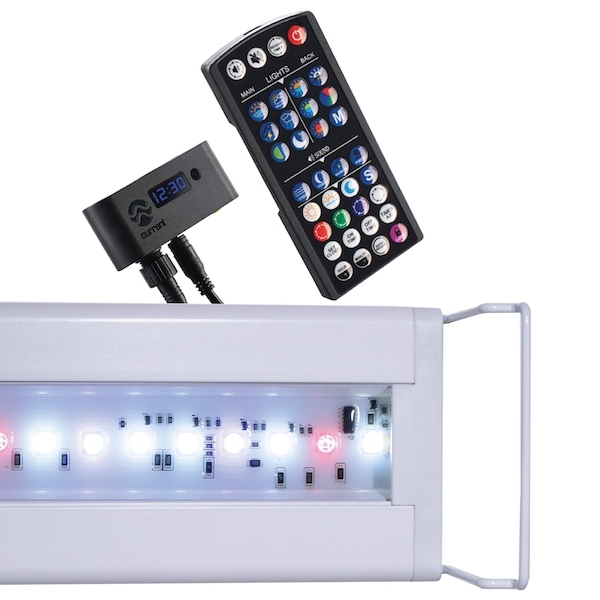
LED lights are popular due to their energy efficiency and versatility. They offer adjustable brightness and colors, allowing you to customize the lighting to suit various tank setups. LEDs also last longer than other types of lights, making them cost-effective in the long run.
Fluorescent lights, available in T5 and T8 varieties, provide even light distribution and are well-suited for freshwater tanks with basic lighting needs. They are generally affordable and can adequately support plant growth if chosen for the correct spectrum and brightness.
Halide lights are known for their intensity and are often favored by those with large or deep aquariums, especially reef tanks, where strong light penetration is needed to reach corals at lower depths.
When choosing your lighting system, consider:
- Tank Type: Freshwater, saltwater, or reef tank? Different tanks have different needs.
- Inhabitants: Determine if your fish, plants, and corals have specific lighting requirements.
- Budget: Make a choice that fits your budget yet offers the quality your tank deserves.
By choosing the right lighting system based on these factors, you'll ensure that your aquarium remains lively and beautiful while meeting the specific needs of its inhabitants.
Installation Tips for Aquarium Lighting
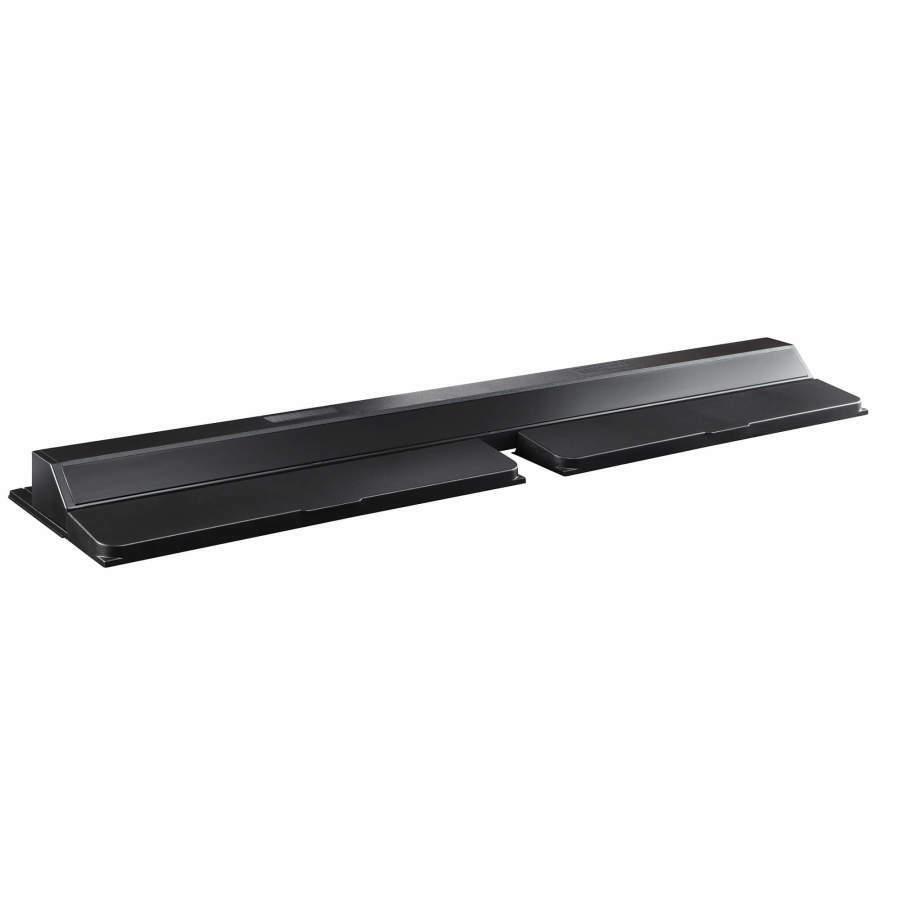
Proper installation of your aquarium lighting ensures maximum efficiency and longevity. When setting up your system, it's important to follow a few key steps to guarantee that your lights serve their intended purpose effectively.
1. Prepare Your Space: Start by cleaning the top of your tank where the lights will be installed. Make sure it is dry and free from any debris or water spots which could interfere with light placement and effectiveness.
2. Install the Fixture: Mount the lighting fixture on your tank's designated area. If your system includes mounting brackets or a canopy, secure it according to the manufacturer's instructions. Ensure that the lights are sturdily in place to prevent them from falling into the tank.
3. Position the Lights Correctly: Place the lights to cover the entire length of the tank, ensuring even lighting throughout. For tanks with specific heat or light sensitivity needs, adjust the placement to fit those requirements.
4. Wiring and Safety: Ensure all wiring is protected from splashes and moisture. Use a drip loop to prevent water from running along the cord into the outlet. Double-check that all electrical connections are secure and not exposed to water.
5. Test the Setup: Once everything is in place, turn on the lights and adjust as necessary. Check that the lighting is uniform and there are no dark spots in the tank.
Following these steps carefully will help you set up a reliable lighting system that meets the needs of your fish tank.
Maintaining and Adjusting Your Lighting Setup
Once you've successfully installed your lighting system, ongoing maintenance and adjustments are necessary to keep everything working smoothly and meeting the needs of your aquatic environment.
Regular maintenance is crucial for ensuring the longevity of your lighting system. Clean the lights periodically to remove dust and water spots that can diminish light output. Check the fixtures for any signs of wear or damage, and replace bulbs according to the manufacturer's recommendations before they significantly reduce output.
Adjusting the light duration and intensity is often necessary to suit the changing needs of your tank. To establish a regular light cycle, use a timer to maintain consistent daily light periods. Most aquariums thrive with about 8-12 hours of light per day, but the exact duration can vary based on the type of aquarium and its inhabitants.
Monitor your tank's response to its lighting. If algae growth becomes excessive, consider reducing the duration of light exposure. Alternatively, if plants or corals aren't thriving, you might need to increase light intensity or adjust the spectrum.
In summary, maintaining your setup involves:
- Regular cleaning of fixtures.
- Timely replacement of bulbs.
- Consistent use of timers for light cycles.
- Monitoring and adjusting based on tank needs.
Regular maintenance and mindful adjustments will help your aquarium lighting system function effectively, promoting a healthy underwater world.
Conclusion
Creating a balanced and vibrant aquarium requires careful attention to lighting. From understanding its essential role, choosing the right system, and installing it correctly to maintaining and adjusting it over time, each step plays a crucial part in the success of your setup. Proper lighting brings out the natural beauty of your tank's plants and corals and supports the overall ecosystem’s health. By making informed decisions about your aquarium lighting, you ensure that your aquatic life thrives and your tank becomes a centerpiece of beauty and tranquility.
Ready to enhance your aquarium with the perfect lighting system? Fish Tanks Direct offers a wide range of aquarium lighting solutions suited for every type of tank and setup. Explore our selection of the best aquarium equipment today to find the ideal match for your aquatic environment and illuminate your tank's true potential.