




Preventing Warping and Damage to Your Wooden Fish Tank Canopy
Fish Tanks Direct on Jun 12th 2025
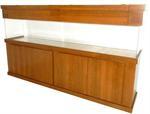
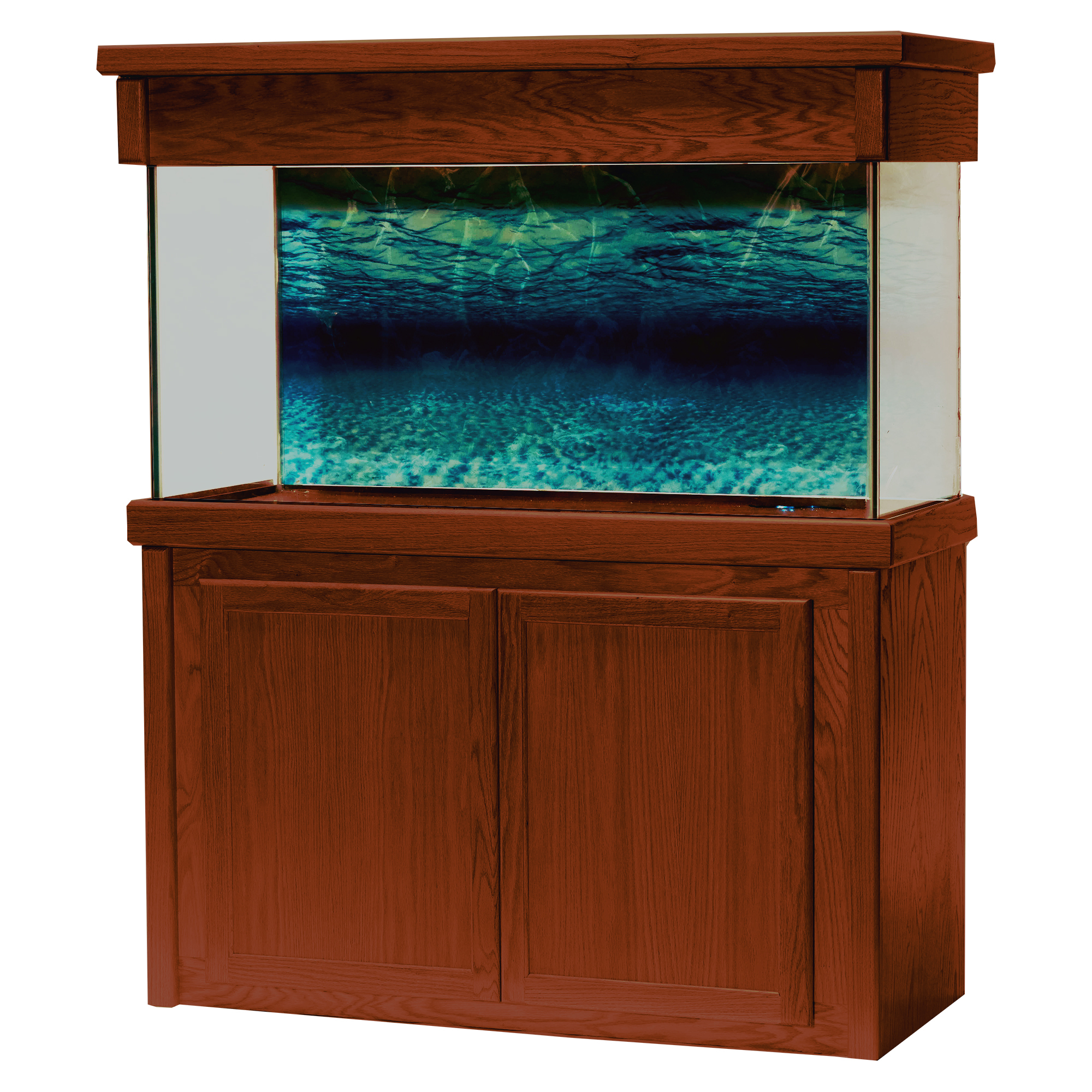
Taking care of a fish tank is more than just feeding the fish and keeping the water clean. It involves maintaining every part of the aquarium, including the often-overlooked wooden fish tank canopy. This canopy doesn't just serve a decorative purpose; it provides important protection for your tank's ecosystem. Without proper maintenance, the wooden canopy can warp or become damaged, affecting its appearance and functionality.
To prevent warping and other damage, it's important to know how environmental factors affect the wood. From moisture build-up to temperature changes, several common issues can lead to problems if not addressed. Proper care and attention can help your wooden canopy last longer while keeping your tank safe and stylish.
Understand the Causes of Warping and Damage
Warping and damage in wooden fish tank canopies are usually due to a few key factors. Understanding these causes can help you prevent them. Here are some potential culprits:
- Moisture Exposure: Wood absorbs moisture from the air and surrounding environment. When water evaporates from your tank, it can make contact with the wood and lead to swelling and warping.
- Improper Maintenance: Lack of regular upkeep can allow dust and moisture to settle on the wood, causing deterioration over time.
- Temperature Fluctuations: Changes in room temperature can cause wood to expand and contract. Over time, this can lead to warping or cracks.
Each factor affects the wooden canopy differently, but they all have one thing in common – they deteriorate wood when not managed properly. Imagine leaving a wooden table outside in the rain. Without protection, it will warp and lose its shape. Your wooden canopy needs similar care and preventive measures to keep it looking and working at its best.
By identifying these issues early on, you can take steps to protect your wooden canopy. This involves choosing the right environment for your tank, maintaining consistent temperatures in your home, and making sure the canopy has the proper seal and finish to guard against moisture. Stay ahead of the game to ensure your fish tank remains both functional and attractive for years to come.
Proper Sealing and Finishing
To keep your wooden canopy in tip-top shape, sealing and finishing are your first lines of defense. A good sealant acts like an invisible shield, repelling moisture and preventing water from soaking into the wood. Without it, moisture can sneak into the fibers, leading to swelling or those dreaded warps. Choose a water-resistant sealant made specifically for wood that will withstand the humid environment and occasional splashes.
Applying the finish correctly is just as important as choosing the right product. Here are some straightforward steps to follow:
1. Clean the Surface: Before applying any sealant, make sure the wood is clean and dry to ensure a smooth finish.
2. Select the Sealant: Opt for a varnish or polyurethane that's designed for high-moisture areas to protect against water exposure.
3. Apply Even Coats: Use a brush or clean cloth to apply thin, even coats. Follow the instructions on your product for drying times between layers.
4. Inspect Regularly: Every few months, check for wear and redo the sealing process if you notice any areas starting to look worn or dull.
Sealing your canopy isn’t just about protection but also enhances the natural wood grain, keeping it attractive. Investing a little time in acting on these steps will prevent more significant issues down the line.
Regular Cleaning and Maintenance
Just like you clean your tank, keeping the wooden canopy clean is necessary. Dust, dirt, or grime can trap moisture or lead to stains, undermining the wood's longevity. Regular cleaning helps to remove these elements before they can cause harm. It doesn’t have to be a big job—routine care can make a significant difference.
Some key maintenance habits to adopt include:
- Dust Weekly: Use a soft, dry cloth to remove dust buildup gently.
- Moisture Wipe Downs: Occasionally wipe down with a slightly damp cloth to remove any smudges, but ensure no excess water remains on the wood.
- Routine Inspections: Every month, check each section to catch early signs of wear or damage, like cracks or rough patches.
Taking these small steps consistently will keep your wooden canopy looking fresh and will prevent moisture from finding its way into the wood. It's a bit like brushing your teeth—quick and easy, but super effective.
Environmental Controls
Finally, controlling the environment around the tank plays a big role in preserving your wooden canopy. The key here is balance. You need to manage the room's humidity levels and temperature to prevent wood from expanding or contracting excessively.
Here’s how you can maintain a stable environment:
- Humidity Check: Keep an eye on humidity levels, ideally between 50-60%. A dehumidifier can help in more humid climates.
- Stable Temperature: Avoid placing the tank near heat sources like vents or in direct sunlight where temperature changes often occur. Consistency helps maintain the wood's shape.
- Room Positioning: Choose a location that offers good air circulation. This helps in naturally managing moisture and temp changes around the tank.
With these controls, you’re not just maintaining your wooden canopy but creating a comfortable habitat for your fish too, ensuring everything works in harmony.
By implementing these strategies, you effectively extend the life of your fish tank canopy while enhancing the overall look of your aquarium setup. Consistent care and thoughtful placement are what make all the difference in preserving the integrity and appearance of your wooden canopy.
For those looking to extend the life and appearance of their aquarium setup, Fish Tanks Direct offers a variety of solutions to help protect your investment. Learn how to care for your setup properly by exploring tips and tools related to maintaining a wooden fish tank canopy. A well-maintained canopy not only enhances the overall look of your tank but also contributes to a healthier environment for your aquatic pets.