















Best Practices for Changing Water in Your Fish Tank
Fish Tanks Direct on Feb 19th 2025
Keeping your fish tank clean and your aquatic life healthy involves more than just feeding your fish and watching them swim. Regular water changes are an essential part of maintaining a clean and balanced aquarium. They help keep the water fresh, reduce harmful toxins, and ensure the environment remains inviting for aquatic plants and animals.
Understanding the Importance of Regular Water Changes
Regular water changes are vital for keeping your fish tank in top condition. They help maintain water quality by replacing dirty water with fresh, clean water. This process dilutes the pollutants that can accumulate over time, such as nitrates and ammonia, which fish waste and uneaten food generate constantly. Without regular changes, these substances can reach dangerous levels, harming fish and plants.
Beyond simple cleaning, water changes are necessary to balance essential water parameters. They help maintain consistent pH, hardness, and temperature levels, all of which are crucial for the well-being of the aquarium's inhabitants. With consistent water changes, you can prevent sudden shifts that might stress fish or damage delicate plants.
Moreover, regular water changes support overall tank health by replenishing essential nutrients. These nutrients get depleted over time but are crucial for plant growth and fish vitality. By carefully replacing old water with new, you encourage a stable, thriving aquatic ecosystem. This simple yet effective practice ensures the longevity and beauty of your aquarium, providing a healthier environment for your aquatic community.
Preparing for a Water Change
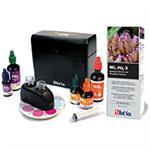
Start preparing for a water change by gathering all necessary supplies. You'll need a clean bucket, a siphon or gravel vacuum, a water conditioner, and either a water testing kit or device. Each of these tools plays an important role in ensuring the process is smooth and effective.
Here’s a step-by-step guide:
- Test Water Parameters: Check your tank's water using the testing kit to guide your process. Measure pH, ammonia, nitrates, and nitrites.
- Calculate Water Volume: Determine the percentage of water to change, usually 10-20% weekly for most freshwater tanks or 5-10% bi-weekly for saltwater tanks.
- Condition New Water: Fill your bucket with tap water and add a water conditioner to neutralize chlorine and chloramines.
When calculating how much water to change, consider the tank size and the current water quality. Large tanks with stable conditions might require less frequent changes than smaller ones, which can experience fluctuations more rapidly.
By carefully preparing and understanding these initial steps, you ensure a successful water change. This robust preparation not only saves time but also helps protect the health and well-being of your aquatic life. With everything ready, you're set to efficiently change the water and keep your tank thriving.
Executing the Water Change
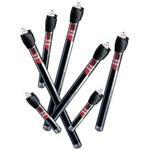
Carrying out the water change properly ensures a healthy environment for your tank. Begin by turning off all electrical equipment connected to the tank, such as heaters and filters. This prevents any damage or electrical hazards.
Next, use a siphon or gravel vacuum to remove the old water. Place one end of the siphon in the tank and the other end in a bucket, allowing gravity to do the work. Carefully navigate the siphon around the tank's substrate to pick up any debris or waste settled at the bottom. Aim to collect only the desired amount of water calculated earlier, usually noted in the preparation stage.
When adding new water, ensure it's the same temperature as the tank water to avoid shocking the ecosystem. Slowly pour the conditioned water back into the tank, preferably over a decorator to reduce disturbance to the substrate and plants.
Avoid these common mistakes during the process:
- Sudden Water Changes: Changing too much water at once can stress plants and animals.
- Temperature Differences: Failing to match water temperatures can harm your tank’s inhabitants.
- Skipping Conditioning: Always treat new water with a conditioner to remove harmful chemicals.
These steps, followed with care, ensure a safe and effective water change, maintaining the stability and health of your aquarium.
Post-Change Monitoring and Maintenance
After completing a water change, ongoing monitoring and maintenance keep your tank habitats in top shape. Begin by checking the tank’s equipment to ensure everything is functioning correctly. Turn the heater and filter back on and confirm they’re operating at optimal levels.
Set a schedule to monitor water conditions regularly. Ideally, test key parameters like pH, ammonia, and nitrate levels a few hours after each water change to understand the fresh balance. Any unusual readings can indicate issues needing adjustment.
Maintain a simple inspection routine:
- Daily Checks: Observe fish behavior and check equipment. Healthy fish are active and display regular eating habits.
- Weekly Tests: Conduct full water parameter tests, especially after disturbances like water changes.
- Monthly Equipment Clean: Ensure filters and other devices stay clean and efficient.
Adjust your equipment settings if necessary, such as altering the flow rate of filters based on the fish's comfort. Keep an eye out for immediate impacts on the ecosystem and take timely corrective actions if needed. Being proactive in monitoring helps maintain a healthy, thriving aquarium.
Conclusion
Water changes are a crucial component of aquarium care, supporting the health and longevity of your aquatic environment. By understanding the importance, preparing properly, executing with care, and consistently monitoring the results, you're setting your aquarium on the path to success.
Whether you’re just starting or are an experienced hobbyist, these practices will help you maintain a clean, beautiful tank. Dive into your fishkeeping adventure with the confidence that your fish and plants will thrive.
Looking to enhance your aquarium care routine with top-quality products? Explore Fish Tanks Direct for a wide range of tools and equipment tailored to your water change needs. Transform your maintenance practices and see the difference in your tank's health and beauty. Check out our fish aquarium supplier now.