












Sump Tank Layout: Baffles, Skimmer Såocks, Refugium, and Return for Quiet,
Fish Tanks Direct on Mar 15th 2026
A quiet, low-maintenance sump tank aquarium starts with a smart layout, not fancy gear. When we plan where each section goes, we cut down on noise, trap waste before it spreads, and make weekly care faster and cleaner.
In this guide, we walk through a simple sump blueprint: where to put the skimmer or filter socks, how to arrange baffles, how to size the refugium, and how to keep the return section easy to reach and quiet. This matters even more as spring projects kick off and many of us are reworking stands, plumbing, and filtration while the weather is nice.
Build a Quiet, Low-Maintenance Sump From Day One
A messy, loud sump can make aquarium care feel like a chore. Water splashes, pipes gurgle, salt creep gets everywhere, and gear is crammed so tight you can barely pull the skimmer cup off.
With a good layout, the sump does the opposite. It runs almost whisper-quiet, keeps microbubbles out of the display, and gives you room to clean without soaking your sleeves. The main pieces are simple: a drain and mechanical section, baffles, a refugium or media zone, and a return section. Where and how we place each part changes how well the whole system works.
At Fish Tanks Direct, we focus on custom acrylic sumps, display tanks, and equipment that fit together cleanly, so following a clear blueprint is much easier. Keep reading for layout tricks, noise fixes, and even a fun filtration fact to keep you inspired.
Map Your Sump Zones Before You Buy Gear
Good sump planning starts before a single pump or skimmer shows up at your door. First, measure the inside of your stand from side to side, front to back, and top to bottom. Check how far the stand doors open and how you will slide the sump in and out, especially if you ever need to remove it.
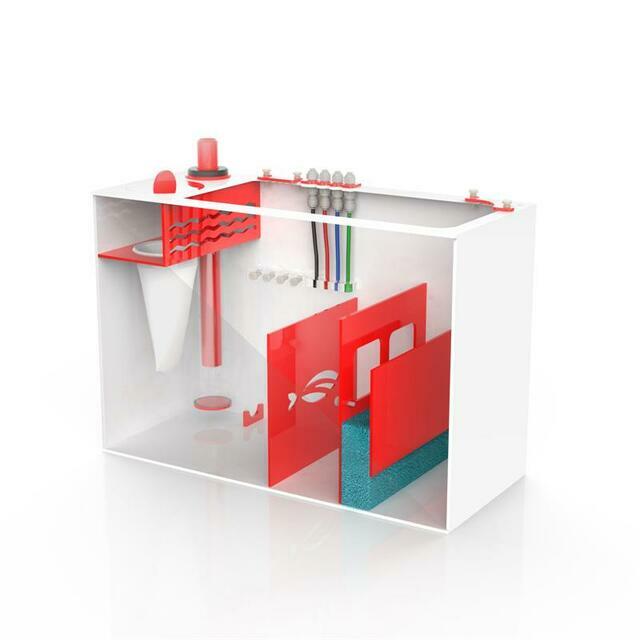
A simple sump tank aquarium layout usually has four zones:
- Drain and mechanical filtration (filter socks, cups, or roller)
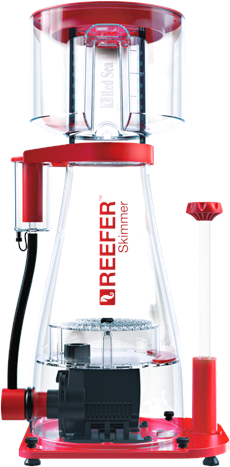
- Skimmer chamber
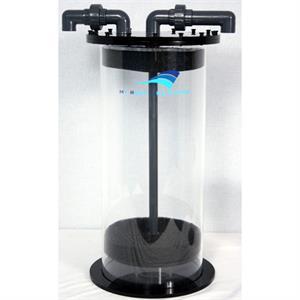
- Refugium or media chamber
- Return section
Many hobbyists give roughly:
- 25 to 35 percent to drain and skimmer
- 25 to 35 percent to refugium or media
- 20 to 30 percent to return
- A little space lost to baffles and walls
If you plan a high-bioload SPS reef, you might want a larger skimmer section and strong mechanical filtration. For a planted freshwater system, you may want more room for biological media and a calmer refugium or media area. FOWLR setups often sit somewhere in between.
Water level planning is key. Skimmers and refugiums like a fixed water depth. The return section is where the water level rises and falls with evaporation, which is where your ATO sensor sits. Before locking in a custom acrylic design, mock up gear footprints with painter’s tape or cardboard. Mark pump and skimmer bases, plus space for plumbing, and see how your layout feels.
Quiet Mechanical Filtration and Smart Baffle Layout
The entry section is where noise often starts, so we want the drains landing softly. Filter socks, filter cups, or a roller mat catch bigger waste before it hits the rest of the sump. This first chamber should also accommodate your skimmer so most solid waste is removed early.
Noise control starts at the drain. Full-siphon-style systems, like Herbie or BeanAnimal-style setups, help reduce gurgling when tuned well. Soft plumbing transitions, such as flexible tubing and gentle angles, keep water from crashing straight down and splashing.
Right after the skimmer section, we like a three-baffle bubble trap. A common layout is over-under-over or under-over-under. Typical spacing is around 1 to 1.5 inches between panes. The baffle height should hold a stable water depth for the skimmer while leaving headroom for extra water if the return pump turns off.
Good baffle placement:
- Pushes microbubbles away from the return pump
- Helps trap detritus in easy-to-clean areas
- Keeps clean sections from filling with junk
Acrylic or glass baffles with smooth, sanded edges are safer and easier to work around. Silicone-safe methods and clean seams give better seals. Removable sock holders or trays are a huge help, so you can lift out dirty socks without dripping across half the stand.
Designing a Productive Refugium and Clean Return Section
A refugium is more than a box of algae. It can pull out nutrients, grow pods, help steady pH, and give a safe place for delicate macroalgae or microfauna. This is especially handy as fish grow, feeding goes up, and nutrient levels rise.
Most hobbyists place the refugium after the skimmer and baffles so that water is cleaner and flow is steadier. Some use a separate, parallel-feed refugium for slower flow. Each style changes how fast nutrients move through, how much detritus collects, and how easy it is to clean.
Refugium basics:
- Keep flow even and not too fast
- Choose sand or bare bottom based on how you like to clean
- Add rock rubble or media blocks for surface area
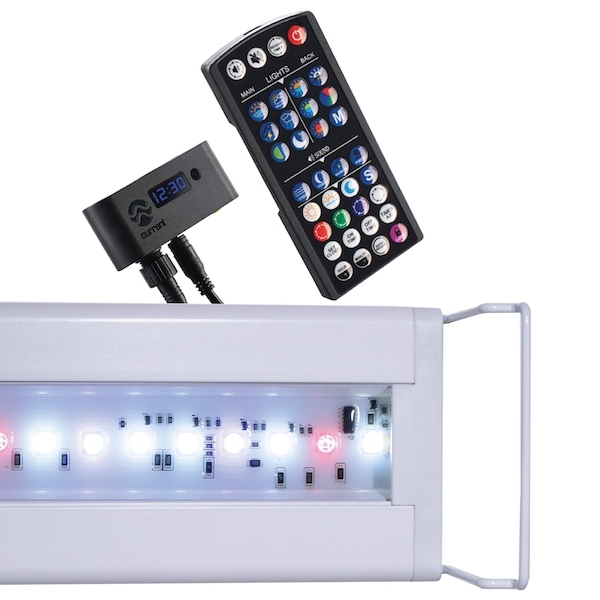
- Use a light with a plant-friendly spectrum and manage light spill so your display stays on its own schedule
The return section is the heart of the sump tank aquarium. It should be big enough to handle evaporation without exposing the pump, plus roomy enough for:
- Your return pump
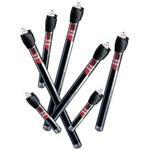
- Heaters
- Probes
- ATO sensors
- Cords and tubing with a clear path out
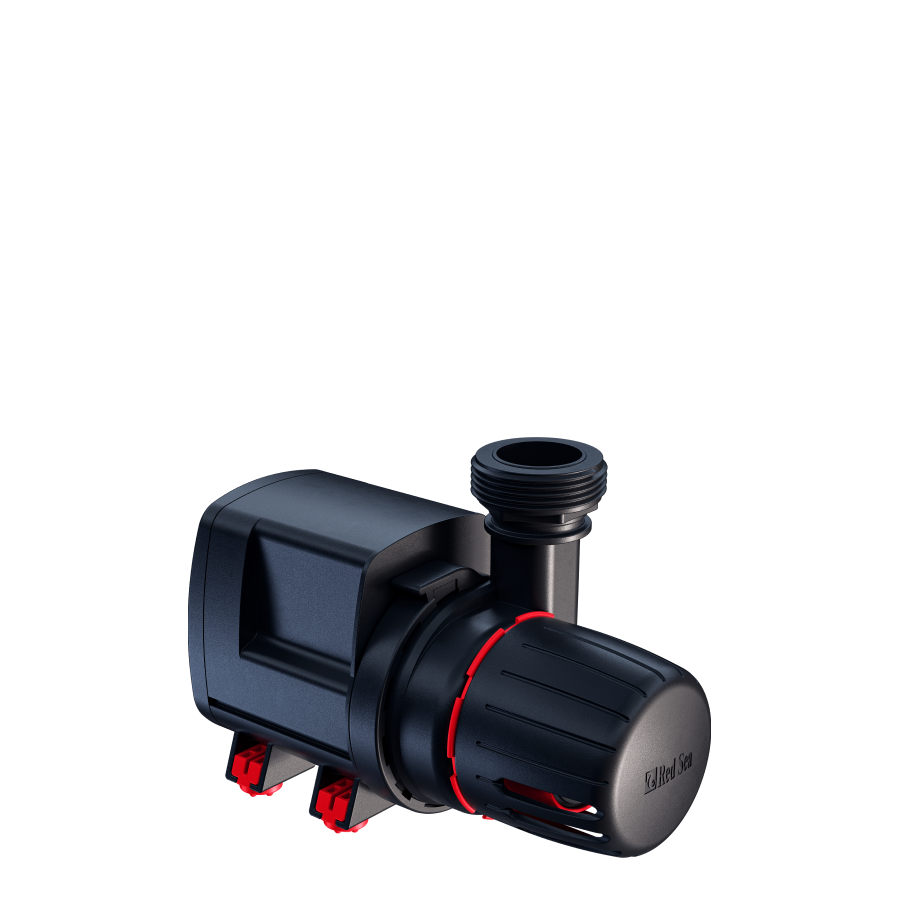
To cut down vibration and hum, set pumps on silicone pads or foam and use flexible tubing instead of only rigid plumbing. Keep water drop distances short by adjusting water height so returning water barely falls, which keeps splashing sounds low.
Easy Maintenance Habits That Keep Your Sump Running Smooth
A good layout makes good habits easy. A simple weekly and monthly checklist can keep your sump from turning into a sludge trap.
Weekly:
- Swap or clean filter socks or check your roller mat
- Empty and wipe the skimmer cup
- Check water level and ATO function
- Look and listen for new noises or salt creep
Monthly:
- Siphon detritus from the drain and refugium sections
- Inspect return and skimmer pumps
- Check plumbing connections, unions, and valves
- Rinse media if needed, without overcleaning biological surfaces
Leaving hand space around skimmers and pumps makes these jobs quick. Unions and quick-disconnects on return lines help you remove pumps without cutting pipes. Removable media baskets or trays let you pull whole sets of media out at once to clean or replace.
Seasonal spring issues like open windows, shifting room temps, and changing evaporation rates can all affect your sump. A stable layout, steady ATO, and reliable heaters help smooth these swings.
Fun fact: In the early days of marine hobby-keeping, many systems used simple undergravel filters and tiny or no sumps. Today, a well-designed sump tank aquarium often holds more filtration volume than entire display tanks from those early setups.
We also like keeping a small sump log, on a phone or in a notebook. Track water level trends, noise changes, and what you cleaned and when. Many problems start as small clogs or worn pumps that you can catch early if you see patterns.
Turn Your Sump Blueprint Into a Custom System
Let us quickly recap the plan. First, zone your sump with clear sections for mechanical filtration, skimming, refugium or media, and return. Next, plan baffles and water levels to control microbubbles and keep skimmers and refugiums at the right depth. Choose quiet drain styles and soft plumbing routes. Then build a refugium that actually works for your goals, and leave enough space for easy, regular cleaning.
We always suggest sketching your dream layout based on your tank size, livestock plans, and cabinet space, then checking it against your gear footprints. At Fish Tanks Direct, we help turn that sketch into a custom acrylic sump, a complete system, or a set of matching equipment that fits your blueprint from day one. A small spring upgrade like a calmer return pump, smarter baffle layout, or new refugium section can lead to a calmer, cleaner system that you enjoy working on all year long.
Upgrade Your System With A Custom Sump Solution
If you are ready to fine-tune filtration, stability, and maintenance, we can help you design a sump tank aquarium that fits your goals and space. At Fish Tanks Direct, our team works with you to match equipment, layout, and overflow options for long-term reliability. Whether you are planning a new build or upgrading an existing system, we will walk you through every step. If you have questions or want tailored advice, contact us and we will respond promptly.