














Question-Based Guide to Choosing a 100-Gallon Fish Tank and Stand
Fish Tanks Direct on Mar 8th 2026
Bringing home a 100-gallon aquarium is a big step, in the best way. You get more stable water, room for real fish communities, and a display that becomes the star of the room. But because a full setup can weigh as much as a small car, it pays to slow down and ask the right questions before you buy a 100-gallon fish tank and stand.
Here is a simple, question-based guide to help you plan every part of your build. Whether you keep freshwater, saltwater, or you are moving up from a smaller tank, these questions will shape your choices on size, stand strength, and equipment. Early spring is a perfect time to plan, so the tank is stable and ready before summer heat and vacations make automation and good gear even more important.
What do You Want to Keep in Your 100-Gallon Tank?
The first question is not about glass or acrylic. It is about life. What do you want to see swimming in this tank every day?
Ask yourself:
- Do I want a peaceful freshwater community with tetras, barbs, or gouramis?
- Am I drawn to African cichlids and their bold colors and rockwork?
- Do I picture a lush planted tank with driftwood and carpets of green?
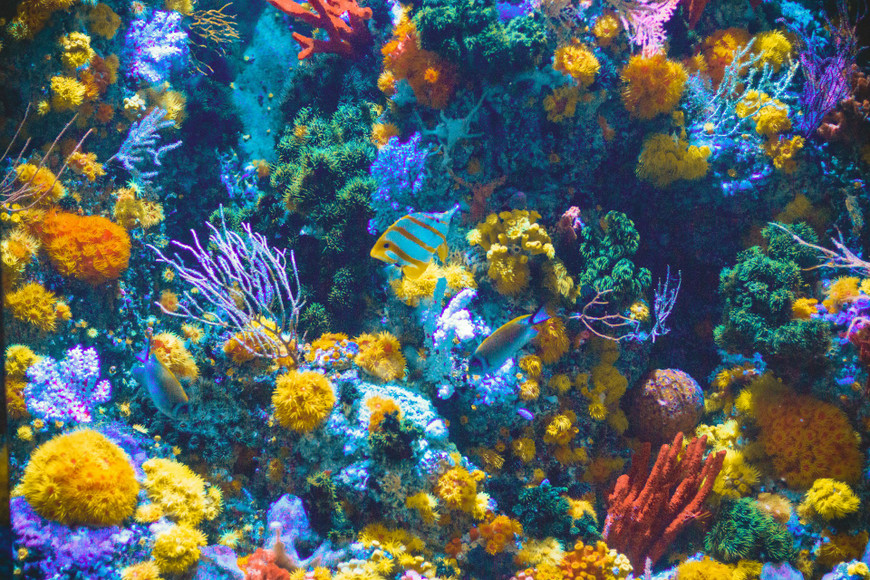
- Am I aiming for a reef with corals, live rock, and saltwater fish?
- Do I like a species-focused setup, like angels, discus, or a small group of larger fish?
Each answer changes what your 100 gallons should look like. A reef tank often works better with more depth from front to back, so you have space for rock, corals, and good water flow. Active swimmers, like some freshwater schooling fish, usually prefer more length so they can move in long smooth laps.
Here is a fun fact for your planning: some schooling fish feel safer and show better color in longer tanks, not just larger volumes. The footprint of the tank matters as much as the gallon number on the box.
Think ahead a bit too. Will you want live plants or corals later, even if you start simple? Do you want easy, hardy fish or are you okay with more demanding species? Do you like a few big show fish or a busy, moving school? Clear answers here will help you pick the right 100-gallon fish tank and stand bundle instead of upgrading gear a few months down the road.
Which Tank Size, Shape, and Material Fit Your Space?
Once you know what you want to keep, the next set of questions is about the room itself. A 100-gallon tank is not a small box you can slide anywhere.
Start with shape and layout:
- Will a standard rectangle fit your wall, or do you need custom dimensions?
- Do you prefer a long, low tank for swimmers, or a taller tank to match furniture height?
- Could the aquarium work as a room divider, or does it need to sit flat against a wall?
Then think about material. Glass is familiar to many hobbyists and resists small scratches from daily cleaning. Acrylic is lighter, clearer, and easier to shape into custom sizes and corners. That is why many larger and custom 100-gallon builds lean toward acrylic, especially when weight and unique layouts matter.
Practical space questions make a big difference. Can the tank actually fit through your doors and hallways on delivery day? Is there room behind and above the tank for hoses, nets, cleaning tools, and lighting? Where are your power outlets, and how close is a water source for water changes?
Since you are planning in spring, watch how natural sunlight hits the area you have in mind. Direct sun on the glass can lead to extra algae and warmer water as summer comes. A few minutes of checking light patterns now can save a lot of cleaning later.
How Strong Should Your 100-Gallon Tank Stand Be?
The next big question: what is holding up all that water, rock, sand, and gear? A filled 100-gallon system can end up well past 1,000 pounds, so the stand is just as important as the tank.
Ask yourself about stand materials:
- Do I want wood, metal, or a mix of both?
- Will the stand handle moisture over time near sumps and splashes?
- Do I need space inside the stand to hide filters, power strips, and cords?
Acrylic tanks often need full, even support across the entire bottom, so the stand top matters a lot. For sumps and skimmers below the tank, check the inside height. Can you slide equipment in and out without taking everything apart? Do the doors open wide enough?
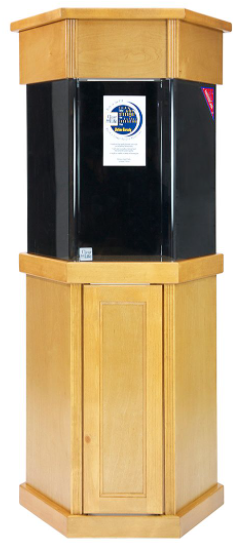
Choosing a 100-gallon fish tank and stand that were designed to work together is one of the easiest ways to avoid problems. When the footprint, weight rating, and support style all match from day one, you do not have to guess if the stand can safely hold your system.
Here is another fun fact: some high-end stands are built to spread out weight so well that they can safely support loads many times heavier than the tank itself, much like strong beams in modern buildings.
What Equipment and Budget do You Really Need?
Now think about life support. A larger tank is more stable, but it still needs the right tools to keep fish healthy.
Make a basic checklist:
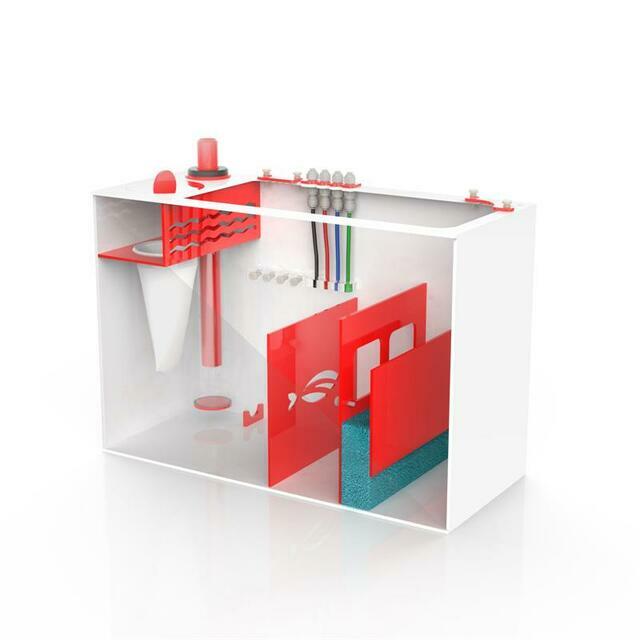
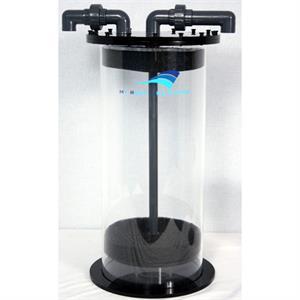
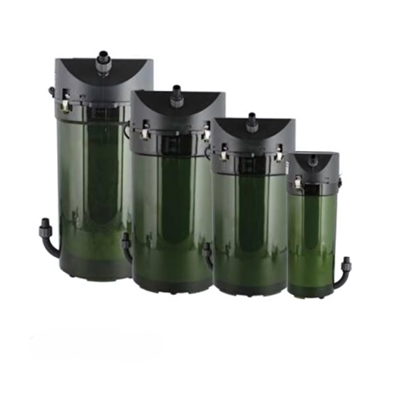
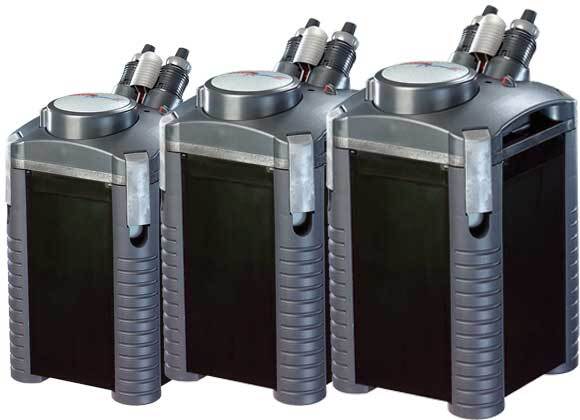
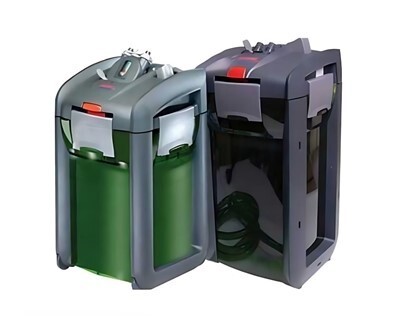
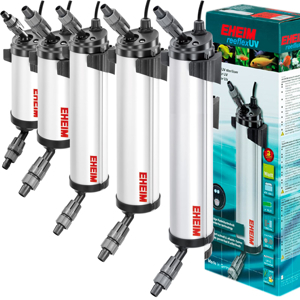
- Filtration, like a sump or canister filter
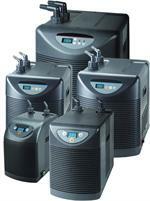
- Heater and possibly a chiller, depending on room temperature
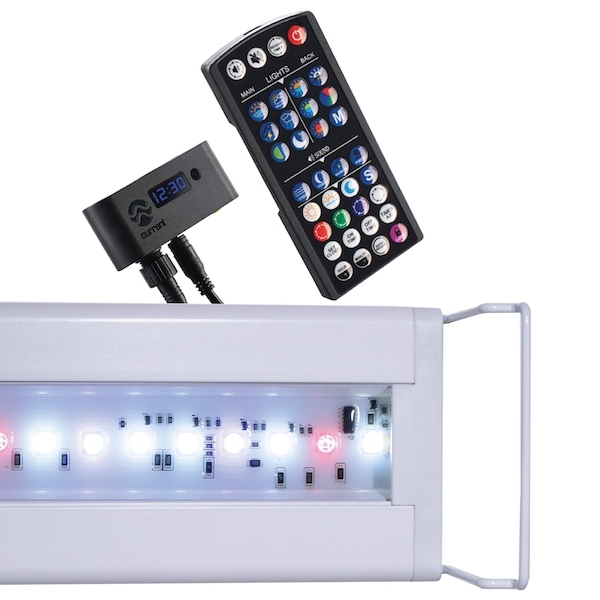
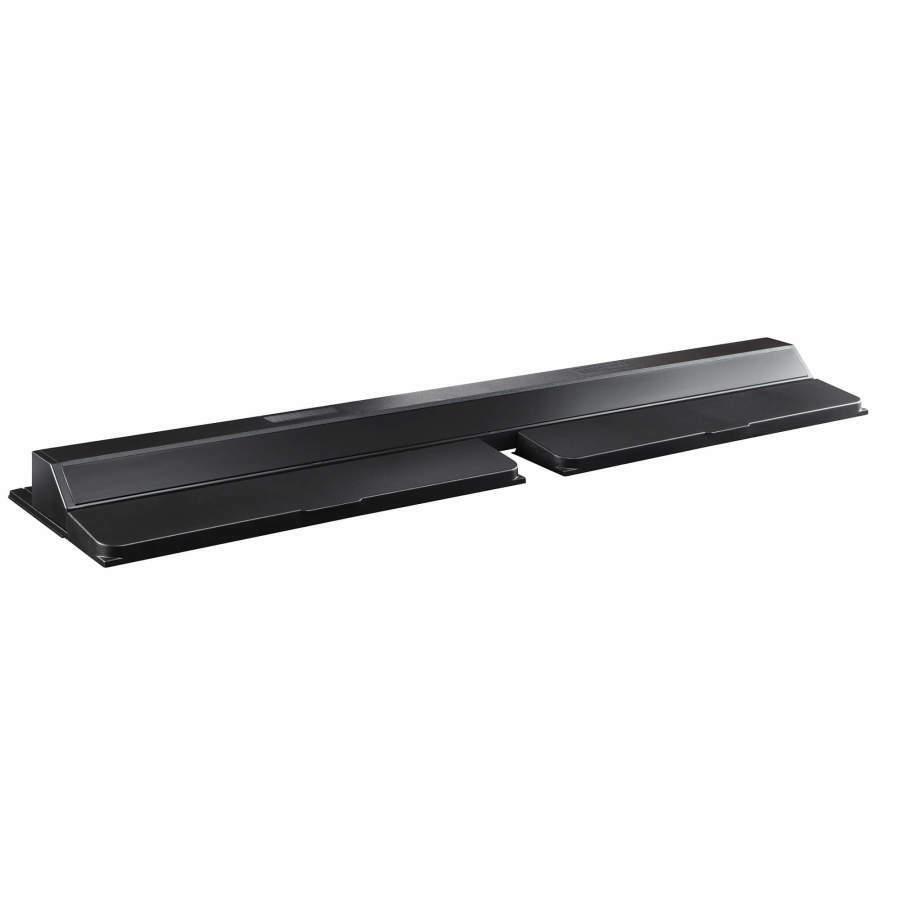
- Lighting that matches plants, corals, or fish-only setups
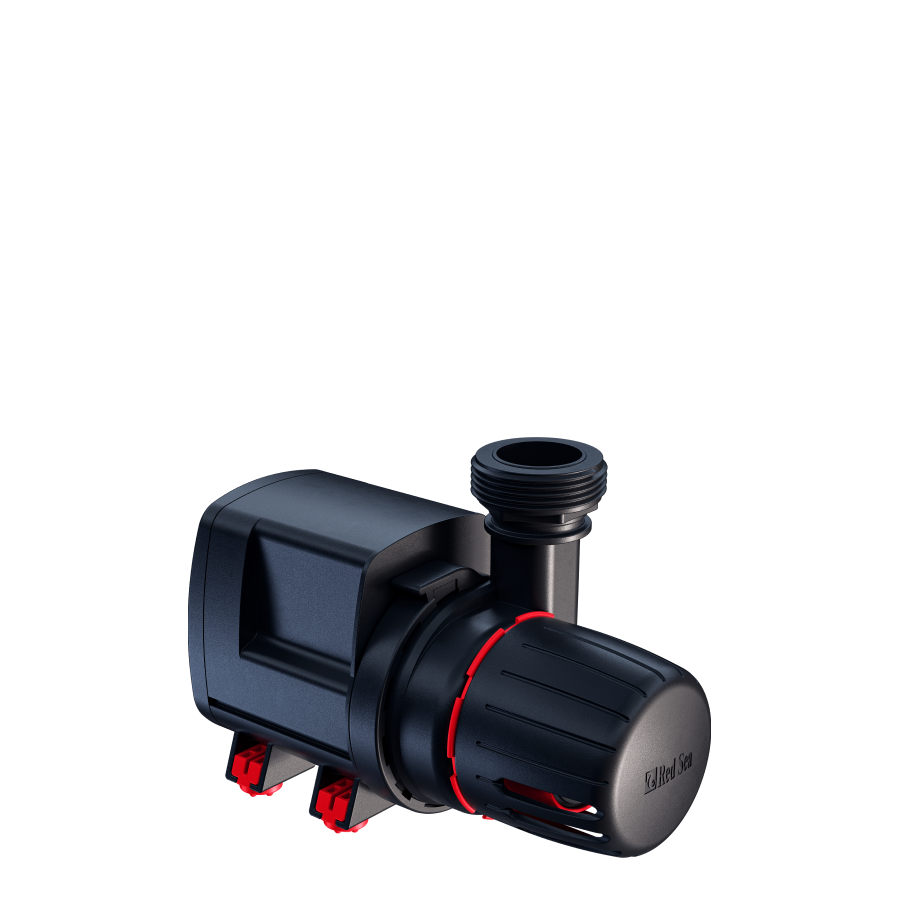
- Powerheads or wavemakers for flow, especially in reef tanks
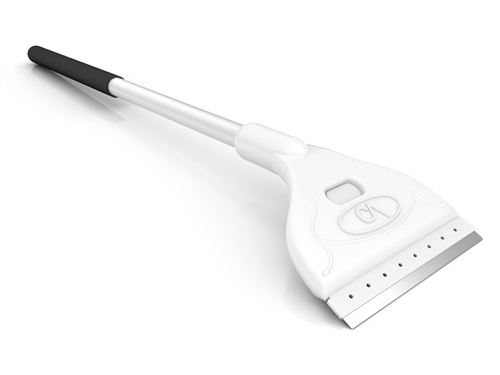
- Test kits, nets, gravel vacuums, algae scrapers, and cleaning tools
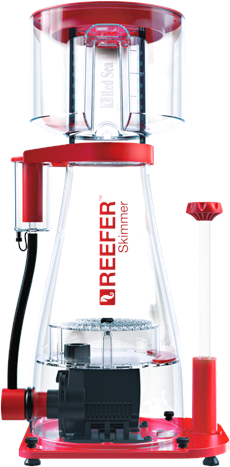
Ask yourself: Am I planning a simple freshwater setup with low light and hardy plants, or a planted tank that needs stronger lighting? Do I see myself building a reef, which often calls for skimmers, stronger flow, and more control? How much do I want to automate with controllers, auto top-off systems, and timers?
It can help to think of your budget in phases. First, there is the main purchase of a 100-gallon fish tank and stand. Then come the must-have life support pieces. After that, you can add nice extras like upgraded lights or controllers as you grow in the hobby. Good, reliable gear up front often saves stress later by protecting your fish and corals.
Buying in spring gives you time to cycle the tank slowly, test equipment, and get everything stable before the hottest days roll in. That way, your system is tuned and ready before summer puts more pressure on temperature control.
How do You Turn Your Answers Into a Custom 100-Gallon Setup?
By now, you have answered a lot of questions. The last step is to pull them together into a simple plan.
Write a short checklist:
- Livestock goals
- Exact tank dimensions and footprint
- Preferred material, glass or acrylic
- Stand style, support needs, and inside space
- Equipment in order of priority
Then measure your room, sketch a quick layout, and note where outlets and windows are. List your must-haves and your nice-to-haves. With that in hand, it becomes much easier to compare options and find a 100-gallon fish tank and stand combo that really fits your life.
At Fish Tanks Direct, we focus on custom acrylic aquariums, complete setups, and quality equipment for both freshwater and saltwater systems. We are happy to help match unique spaces, livestock plans, and gear so your 100-gallon build feels planned instead of patched together.
When you start with clear questions, a big aquarium stops feeling like a guess and starts feeling like your dream system. With the right plan, that 100-gallon centerpiece can stay stable, easier to care for, and fun to watch for many years to come.
Transform Your Space With A Custom Aquarium Setup
If you are ready to upgrade your display, we can help you design a 100-gallon fish tank and stand that fits your space, style, and livestock needs. At Fish Tanks Direct, our team will walk you through size, filtration, and layout options so your aquarium is both beautiful and easy to maintain. Whether you know exactly what you want or are just exploring ideas, we are here to guide you from planning to delivery. If you have questions or want personalized recommendations, contact us today.