





Perfect Tank Temperature: Choose the Right Heater
Fish Tanks Direct on Jan 30th 2025
Keeping your aquarium at the right temperature is key to creating a happy and healthy home for your tank's inhabitants. A suitable heater helps maintain the right balance, mimicking natural conditions that your fish and plants need to thrive. Without a proper heating system, the tank's environment could become stressful for its aquatic life, which can lead to illness over time.
Aquarium heaters aren't one-size-fits-all. They come in several types, each with its own set of features tailored to different tank setups. Choosing the right heater is an important decision that depends on factors like your tank size and the specific types of aquatic life you're keeping. With so many options available, understanding the basics of each heater type will help ensure you make the best choice.
As you explore the different options, look for heaters that meet the specific conditions of your tank. Investing in the right equipment at the start will save you headaches later and keep your tank's ecosystem balanced and vibrant.
Understanding the Role of Heaters in Aquariums
Maintaining a stable temperature in your aquarium is essential for the health and vitality of its inhabitants. Many aquatic creatures are sensitive to temperature changes, which can affect their metabolism, immune system, and overall behavior. An appropriate heater keeps the tank at a consistent temperature, similar to what fish and aquatic plants would experience in their natural habitat.
Freshwater and saltwater tanks often have different temperature requirements. Freshwater tanks, housing species like tetras and guppies, typically need temperatures between 72°F and 78°F.
Meanwhile, saltwater aquariums, which may contain corals and specific marine fish, require a slightly higher range, usually between 75°F and 82°F. These variations highlight why choosing the right heater is crucial based on the type of aquarium you have.
Sudden temperature fluctuations can stress fish and lead to illness. Maintaining a constant temperature ensures the ecosystem in the tank remains stable. This balance helps prevent the growth of harmful bacteria and keeps your aquarium thriving.
Understanding the role of heaters in maintaining a stable aquatic environment helps you realize their importance in keeping your tank's inhabitants healthy and happy.
Types of Aquarium Heaters and Their Features
When selecting a heater for your aquarium, understanding the different types available can better help you meet your tank's needs. Each heater type has unique features, suited for various setups and preferences. Here’s a quick rundown of the main types of aquarium heaters:
-
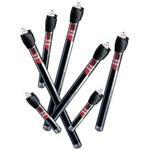
Submersible Heaters: These heaters are fully submersible and are placed directly in the water. They are ideal for providing even heat distribution and are popular due to their ease of placement and efficiency. Since they're underwater, they can be positioned horizontally at the bottom of the tank, ensuring a consistent temperature.
-
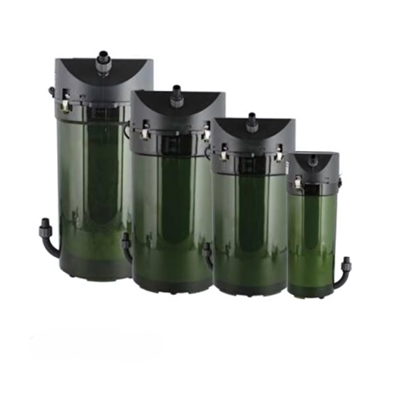
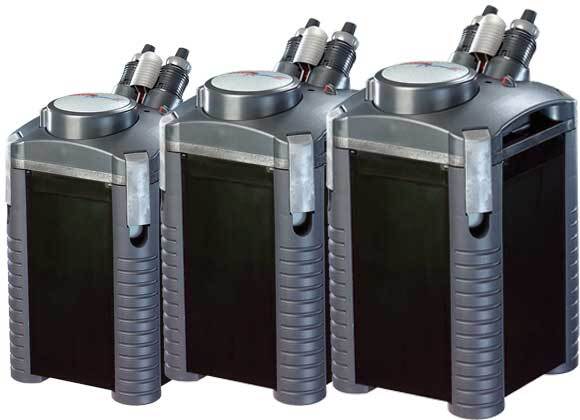
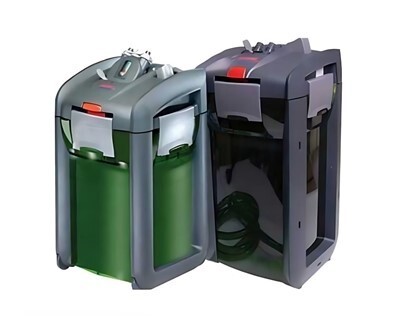
In-line Heaters: Connected to the water filter system, in-line heaters heat the water externally before it returns to the tank. They are great for larger tanks where maintaining consistent heat is crucial and when a clutter-free tank is desired. They are typically used in larger setups and offer the benefit of even heat distribution without taking up space inside the tank.
-
Substrate Heaters: These heaters are installed below the tank substrate and are often used in planted aquariums. They provide gentle heating from the bottom, which can be beneficial for promoting healthy plant growth.
Each type of heater comes with its benefits and limitations. Submersible heaters are easy to install and maintain, but in-line heaters offer superior heat distribution for larger tanks. Substrate heaters are excellent for tanks with plant life but may not be suitable for all setups.
Choosing the right type of heater depends on your specific tank environment and the needs of your aquatic life.
Factors to Consider When Choosing a Heater
Selecting the right heater for your aquarium involves several key considerations to ensure it meets the specific needs of your aquatic environment. Here's what you should keep in mind:
1. Tank Size and Water Volume: The size of your tank directly impacts the heater size and wattage you need. Larger tanks require more power to maintain a consistent temperature, while smaller tanks need less. Calculate the volume of water in your tank to determine the right heater wattage—generally, you need about 3-5 watts per gallon.
2. Room Temperature: The ambient temperature plays a significant role in choosing a heater. If your tank is in a cooler room, you might need a more powerful heater to maintain the desired temperature. Conversely, rooms that are kept warm may allow for a lower wattage heater.
3. Heater Wattage: Choosing a heater with the appropriate wattage ensures it can adequately heat your tank without overworking, which extends its life. It's wise to have a slightly higher wattage if your room temperature fluctuates significantly.
4. Durability and Material: Look for heaters made from durable materials, such as titanium or shatterproof glass, especially in tanks with active fish or tight spaces. These materials are less likely to break or corrode over time.
Consider these factors to choose a heater that fits your tank type and environment, ensuring efficient and reliable operation.
Installation and Maintenance Tips for Aquarium Heaters
Proper installation and maintenance of your aquarium heater are crucial for safe and efficient operation, keeping your tank environment stable. Follow these steps to install and maintain your heater:
1. Select a Location: Place the heater near a water flow, like a filter outlet, to ensure even heat distribution. Submersible heaters should be positioned horizontally, slightly above the substrate level.
2. Install the Heater Safely: Before plugging in, ensure the heater is fully submerged if it's submersible. Attach it to the tank using suction cups or a bracket, and check that it's secure.
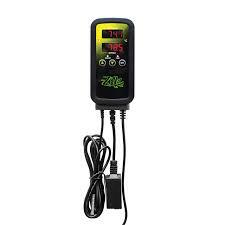
3. Set the Temperature: Adjust the heater to the desired temperature according to your tank's needs. Allow it to run for a few hours, then use an aquarium thermometer to verify the water temperature matches the setting.
4. Regular Maintenance: Check the heater regularly to ensure it's functioning correctly. Clean it periodically to remove algae and mineral deposits that could affect performance. Inspect the cord and connections for any signs of wear or damage.
5. Troubleshooting Issues: If the heater isn't maintaining a steady temperature, recheck the placement and verify the thermostat setting. Ensure no obstructions are affecting water flow around the heater.
By following these steps, you can safely install your heater and maintain it for long-term efficiency and reliability.
Conclusion
Choosing the right heater for your aquarium is an important step in creating a stable and healthy environment for your aquatic life. The right balance between heater type, size, and placement ensures the water remains at the optimal temperature and prevents stress on your tank’s inhabitants. It’s important to consider factors like tank size, water volume, and room temperature to select the most efficient heater.
Once installed, regular maintenance and monitoring ensure your heater continues to work efficiently. Monitoring temperature consistency and performing routine checks and cleaning will help extend the life of your heater and keep your tank's ecosystem thriving. A well-chosen and well-maintained heater makes a big difference in the overall health and happiness of your aquarium.
For a wide selection of high-quality heaters and expert guidance, Fish Tanks Direct is your go-to source. Whether you have a freshwater setup or a saltwater wonderland, we have the perfect heater for your needs. Visit Fish Tanks Direct to explore our aquarium supplies and enhance your aquatic world!