

























How to Fix Scratches and Damage on Fish Tank Displays
Fish Tanks Direct on Jun 5th 2025
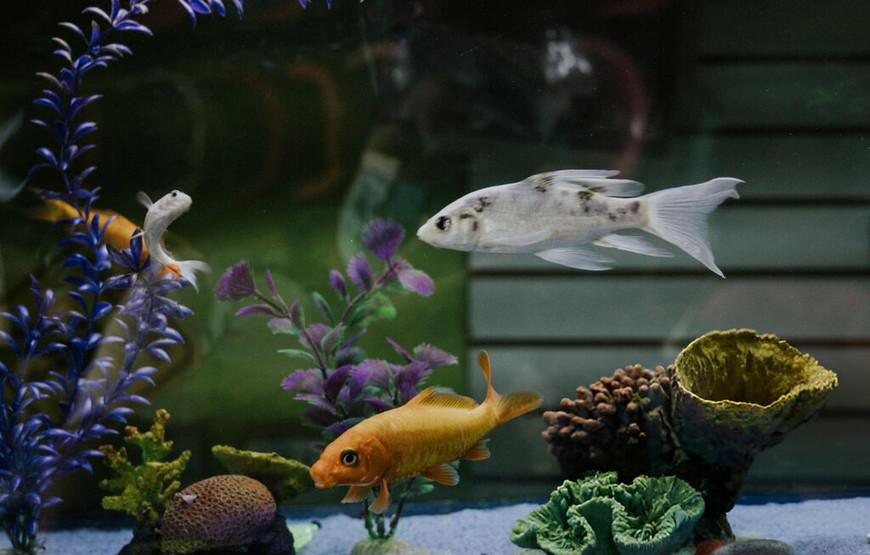
Aquariums offer a stunning glimpse into underwater life, captivating both children and adults alike. However, maintaining a clear and pristine fish tank display is more than just about aesthetics. It's vital for the health and well-being of your aquatic pets. Scratches and damage on the glass or acrylic can not only obstruct your view but also diminish the beauty of your tank setup. Imagine a pristine window into a vibrant aquatic world where every fish swims gracefully without obstacles. The clarity of the display plays a huge role in creating this seamless experience for you and your fish.
Addressing scratches and other damages promptly ensures your aquarium remains a centerpiece of elegance in your home. Regular maintenance involves not just cleaning but also fixing any blemishes that appear over time. Whether caused by cleaning tools or unintentional bumps, these imperfections can often be repaired with some effort and the right tools. Knowing what to do when scratches appear makes all the difference in maintaining that beautiful view into your underwater oasis.
Identifying Scratches and Damage
Spotting scratches on your fish tank displays might seem straightforward, but understanding the type and cause can help you tackle them effectively. Start by inspecting your tank regularly under good lighting. This allows you to identify not just visible scratches but also those that are less noticeable and might become a problem later.
Common causes of scratches include:
- Gravel Scraping: Moving gravel during cleaning or enthusiastic fish activity can lead to scratches.
- Incorrect Cleaning Tools: Using the wrong tools, like metal scrubbers, can scratch the surface.
- Accidental Bumps: These occur quite often when we're not careful around the tank.
Once you spot a scratch, determine whether it’s on the inside or outside. Marks on the exterior are often easier to handle, while interior scratches may require carefully removing fish and water for repairs. By understanding the root causes, you'll be better prepared to choose the right method to fix and even prevent future damage. Having a game plan ready for inevitable wear and tear ensures that your fish tank displays stay clear, allowing you to enjoy the beauty of your aquatic world without distractions.
Tools and Materials Needed
When it comes to fixing scratches on fish tank displays, having the right tools at your disposal can make the job much easier. Here’s a handy list of essential items you'll need for the task:
- Acrylic Scratch Remover: This is crucial for repairing scratches on acrylic tanks. It gently buffs away marks without causing further damage.
- Plastic Polishing Compound: Works well for both acrylic and certain plastics. It smooths out surfaces and restores clarity.
- Cleaning Cloths: Soft, lint-free cloths help in applying compounds and removing excess products without leaving any marks.
- Waterproof Sandpaper: For deeper scratches, using very fine sandpaper can help smoothen the surface before polishing.
Each tool has a specific role, from buffing away minor scratches to polishing and restoring clarity. Using a gentle approach ensures the surface of your tank remains intact while effectively removing imperfections. Remember, working slowly and carefully can prevent the need for more serious repairs down the line. Once you’ve gathered these supplies, you’re ready to take on those scratches like a pro.
Steps to Fixing Minor Scratches
Tackling minor scratches on your fish tank displays can be a straightforward process if done carefully. Here's a step-by-step guide to help you restore clarity without causing additional harm.
1. Clean the Surface: Start by cleaning the scratched area with a soft, damp cloth to remove any dust or debris. This ensures you aren't rubbing in dirt, which can make things worse.
2. Apply Acrylic Scratch Remover: For acrylic tanks, pour a small amount of the remover onto a clean cloth. Rub it onto the scratch using circular motions. Work slowly, gradually covering the entire area.
3. Buff the Surface: After applying the remover, use a different clean, soft cloth to buff the area until the scratch starts to fade. This brings back the shine while smoothing the surface.
4. Use Polishing Compound on Glass: If your tank is made of glass, skip to the polishing compound. Apply it gently with a soft cloth, using circular motions similar to the acrylic technique.
5. Rinse and Repeat If Necessary: Once finished, rinse the area with clean water to remove any leftover product. If the scratch persists, you might need to repeat the process.
Taking these steps allows you to effectively treat those pesky scratches, making your tank look like new again. These methods provide a gentle yet effective way to maintain the pristine condition of your fish tank displays.
Addressing Major Damage
When confronted with major damage, deciding on the right approach is key. One option is to buff out deeper scratches using waterproof sandpaper combined with a polishing compound. This requires careful handling, as acrylic is softer than glass and can be more easily damaged. Always begin with the finest grit sandpaper and gradually move to slightly rougher ones if needed, ensuring minimal material is removed at each stage.
Although tackling extensive damage yourself might seem cost-effective, it comes with risks, especially with delicate materials. Seeking professional help often ensures a more polished result without the trial and error of DIY attempts. Additionally, professionals can address issues like cracks or persistent deep scratches that homeowners might not have the tools or experience to handle successfully.
Preventative Measures
To keep your fish tank in top condition, prevention takes center stage. Regular maintenance not only spares excessive repair work later on but also extends your tank's lifespan. Here are some tips that can help:
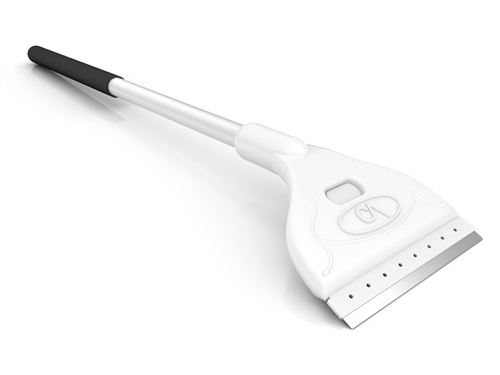
- Choose the Right Tools: Use cleaning tools designed for aquariums. Look for non-abrasive pads or sponges that won't leave marks.
- Handle with Care: When arranging decorations or cleaning, be gentle. This reduces the chances of accidental impacts that might cause scratches.
- Routine Cleaning: Consistently clean your tank to prevent algae and debris buildup. This also reduces the potential for scratches caused by vigorous scrubbing during deep cleanings.
Integrating these simple tips into your routine can help ensure your aquarium remains a thriving, clear display that’s as impressive as the day you set it up.
Keeping Your Fish Tank Displays Pristine and Clear
Maintaining a spotless fish tank display is more than just surface work; it requires consistent care and a proactive approach to potential issues. By understanding how to identify and address scratches, using the right materials for repairs, and implementing preventative measures, your tank can remain the centerpiece of any room.
As you continue to enjoy the beauty of your aquarium, these practices will help sustain the vibrant environment your aquatic pets need while making sure your view into their world is always clear and captivating. Regular upkeep and a little attention to detail will ensure that your tank stays looking its best, reflecting the care and attention you've invested in reaching this goal.
To keep your aquarium looking vibrant and flawless, explore our wide range of fish tank displays at Fish Tanks Direct. We offer high-quality options that help you maintain a clear and stunning environment for your aquatic pets.