









Boosting Aquarium Filters with Media Chambers and Pellet Reactors
Fish Tanks Direct on Feb 15th 2026
Strong filtration is one of the best gifts we can give our fish. Good, clean water keeps fish healthier, cuts down algae, and makes tank care a lot less stressful. When we upgrade our filtration, we are not just adding gear, we are giving our aquariums a more stable, peaceful home.
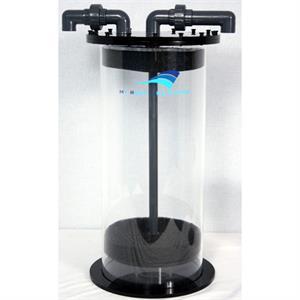
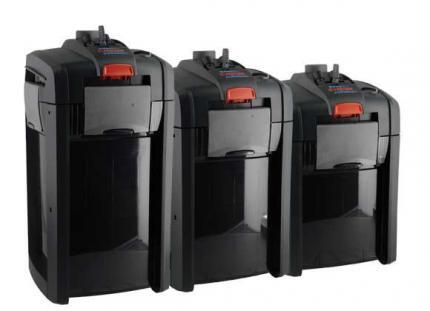
Media chambers and Pellet Master pellet reactors are tools that help our regular filters do a better job. In simple terms, a media chamber is a special container that holds filter media and forces water to flow through it the right way. A Pellet Master reactor keeps tiny bio-pellets gently moving so bacteria can grow on them and eat extra nutrients. These tools work with your existing filter, not instead of it.
Late winter is one of the best times to boost filtration. Temperatures in our homes start to shift, daylight begins to last longer, and algae often begins to wake up before we notice. By tuning things up now, we can stay ahead of those spring algae blooms and swings in water quality.
We will look at how to use media chambers and Pellet Master reactors on both freshwater and saltwater systems, how they help different styles of tanks, and how to work them into your current setup. Fun fact: a single tablespoon of quality bio media can host billions of helpful bacteria that turn toxic waste into safer forms.
Why Standard Filters Struggle Over Time
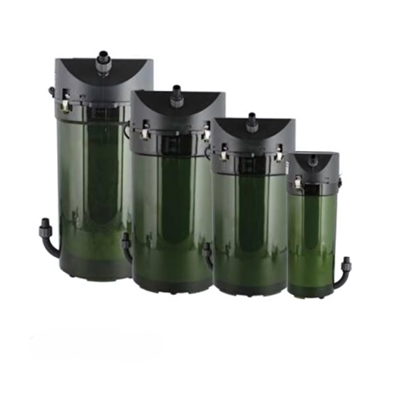
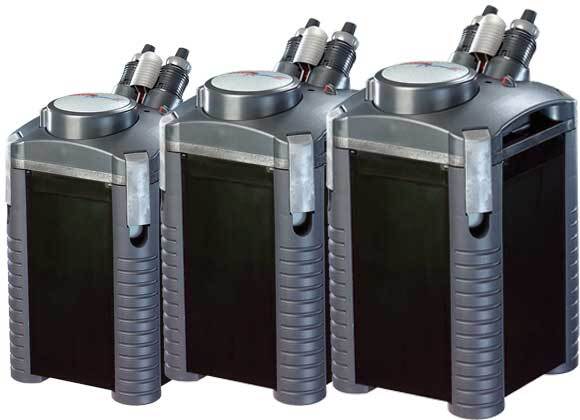
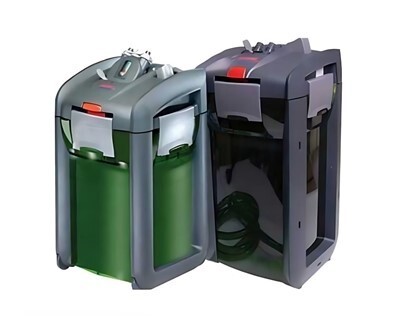
Hang-on-back filters and canister filters do a lot of work for us, but they have limits. They have only so much room for media, and that small space has to catch debris, hold bacteria, and sometimes even hold chemical media too. When we stuff them full, water flow can drop, and the filter starts to clog more often.
As our tanks mature, the bio-load grows. Fish get bigger, we add a few more, plants fill in, or corals grow. In colder months, we often feed a bit more for comfort and to keep fish active, which leads to more waste. All that waste pushes stock filters to the edge of what they can handle.
When a filter struggles, we tend to see the same problems show up again and again. Nitrates stay high, water looks dull or cloudy, and small algae patches keep coming back. Fish or corals may look stressed, even when test kits say things are “not that bad.”
A smart way to fix this is to separate the jobs of filtration. Mechanical filtration catches the big bits. Biological filtration gives bacteria a safe place to live. Chemical filtration removes things like odors, yellow tint, or extra nutrients. When we split these roles into the right tools, each one works better and is easier to care for.
How Media Chambers Supercharge Your Filtration
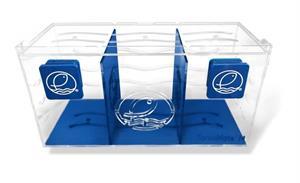
A media chamber is like a dedicated room for your filter media. Instead of cramming carbon, bio rings, and resins into one basket, a media chamber gives them their own space with steady flow. Water is pulled or pushed through the chamber, so every bit of media gets used instead of sitting in a dead spot.
In both freshwater and reef systems, media chambers are great for:
- Running activated carbon for clear, fresh-looking water
- Holding GFO or other phosphate removers to help keep algae down
- Using special resins that target nitrate or other problem nutrients
- Adding extra bio media when your fish load grows
With a chamber, you can swap media in and out without tearing apart your main filter. Seasonal changes become simple. For example, before spring and summer, we can add or increase phosphate media to stay ahead of algae blooms. Later, we can switch back to more carbon after a deep cleaning or rockwork change.
Fun fact: activated carbon has a massive internal surface area. Just a tiny spoonful can have more surface area inside it than several tennis courts. That huge area gives smells, colors, and unwanted chemicals a place to stick so your water looks and smells cleaner.
Getting the Most From Pellet Master Reactors
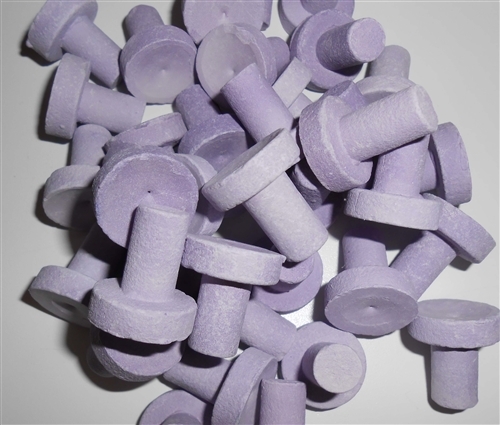
A Pellet Master reactor is built to run bio pellets, which are tiny, slow-releasing food for bacteria. Water flows through the reactor and keeps the pellets gently tumbling. Bacteria grow on the pellets, eat nitrate and phosphate from the water, then get removed by your skimmer or other filtration as they break off.
For many tank keepers, this speaks right to their biggest headaches. Stubborn algae, stressed corals, and creeping nitrate levels are common in busy tanks. By giving bacteria a steady food source and a controlled space to grow, a Pellet Master reactor can help keep those nutrients from building up in the first place.
Media chambers and Pellet Master reactors are a strong pair. Chambers are great for “polishing” the water with carbon, phosphate media, or resins. Pellet reactors focus on long-term nutrient control in heavily stocked tanks or reef systems that need low nitrate and phosphate.
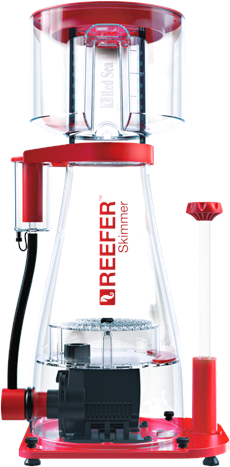
Placement matters. These reactors usually work best in a sump or on an external loop where water can return safely to the tank. You want enough flow to keep pellets moving, but not blasting around. In marine systems, pairing a Pellet Master with a good protein skimmer helps pull out the extra bacteria and locked-up nutrients they carry.
Choosing and Setting up Gear for Your Aquarium
Picking the right size media chamber or Pellet Master reactor starts with your tank volume and bio-load. A lightly stocked freshwater tank may need only a small chamber for carbon and a bit of extra bio media. A planted tank or a saltwater fish-only with live rock system might benefit from more space for phosphate control. A reef full of growing corals may call for both a solid media chamber and a pellet reactor.
Think about how you plan to run water through the gear:
- From a return pump line with a splitter
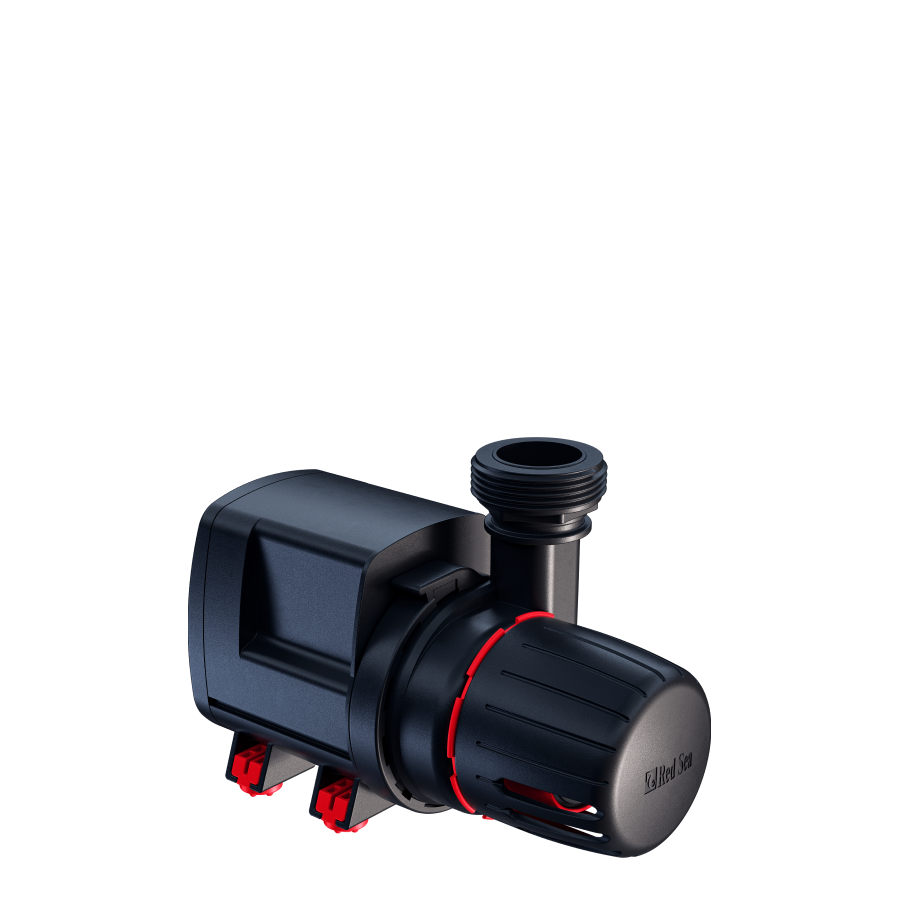
- With a small dedicated pump in your sump
- As an external loop on a canister or main pump
- With valves so you can fine-tune flow
Always start slowly with new media. When adding carbon, GFO, or resins, begin with less than the full amount and increase over a week or two. With bio pellets, start with a smaller dose and let bacteria build up. Sudden, big changes can shock fish, corals, or plants by stripping nutrients too fast.
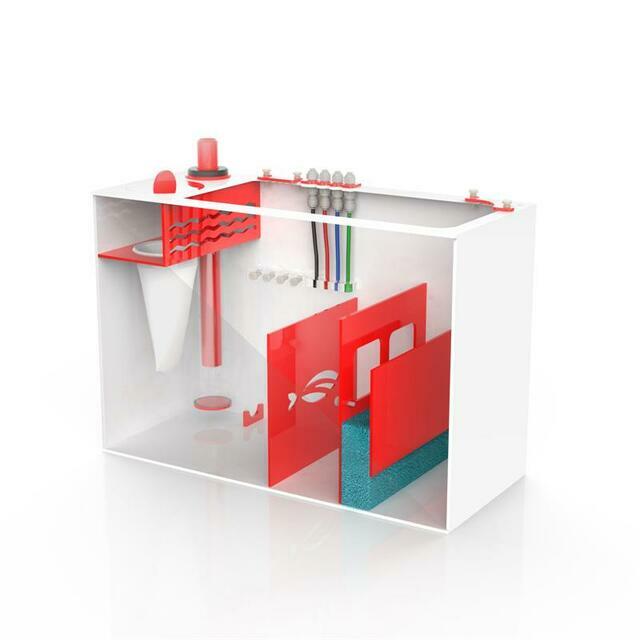
Good habits keep everything working well. Rinse or replace mechanical media before it clogs. Rotate chemical media on a schedule instead of waiting until water looks bad. Test nitrate and phosphate regularly so you can adjust flow or media amounts. At Fish Tanks Direct, we focus on aquarium systems, including custom acrylic sumps with integrated media space, full setups, and filtration packages that match different tank goals.
Upgrade Your Filter Strategy Before Algae Season Hits
As days get longer and rooms warm up, algae gains strength. This is the perfect time to check how your filter system is really doing before problems show up on the glass.
A simple late winter checklist can help:
- Test nitrate and phosphate and write down the results
- Open filters and check for clogged pads or brown, packed media
- Look for spots where you could move chemical media into a separate chamber
- Decide if building bio capacity with a Pellet Master reactor would ease pressure on the main filter
With the right mix of media chambers and Pellet Master equipment, many reef keepers find they can cut back on how often they need big water changes while still keeping water crystal clear. At Fish Tanks Direct, we love helping aquarists match custom acrylic tanks, chambers, pellet reactors, and complete filtration systems to their space and their livestock plans, so their fish and corals can thrive through every season.
Transform Your Filtration Setup With Proven Gear
At Fish Tanks Direct, we make it simple to upgrade your system with high-performing media chambers and Pellet Master solutions that support clearer water and healthier livestock. Whether you are fine-tuning an established reef or planning a new build, we can help you choose the right configuration for your goals. If you would like tailored advice for your tank, contact us and our team will walk you through the best options.