













Aquarium Return Pumps: DC Vs. AC, Head Pressure, Turnover, and Efficiency
Fish Tanks Direct on Mar 1st 2026
Aquarium return pumps do a lot more than just move water. They set the pace for filtration, keep temperatures steady, and help your glass look clean and clear. When we treat the pump like the heart of the system, we can get better water quality, calmer fish, and quieter gear under the stand.
Here, we will break down how to choose between DC and AC aquarium pumps, how to do simple head pressure math, how to pick smart turnover targets, and how to tune things for silence and efficiency. Early spring is a great time to sort this out, before summer heat puts extra stress on your tank. Fun fact: some public aquariums move as much water as a swimming pool through their filters every single hour.
Turn Your Return Pump Into a Clarity Engine
A well-planned return pump turns cloudy, tired water into a clear, stable display. When flow is right, tiny bits of waste reach the filter instead of settling in corners, and you see fewer microbubbles floating across the glass.
With the right pump size, flow pattern, and plumbing, we can:
- Cut dead spots in the sump and display
- Keep debris from piling up on rock and decor
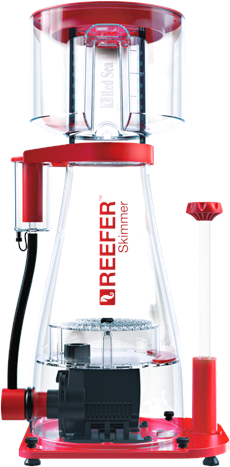
- Help protein skimmers and mechanical filters work at their best
Small tweaks like smoothing out the plumbing path, matching pump speed to the overflow, and avoiding wild swings in flow can make a big difference. The goal is simple: steady, quiet movement that feeds the filter just fast enough, but not so fast that you get splashing or bubbles.
Choosing DC vs. AC Return Pumps with Confidence
AC aquarium pumps are the classic workhorses. They are usually tough, simple, and built with fewer electronics, which many people like under a humid stand. You plug them in, they run at one speed, and that is it. They tend to cost less at the start and can run for a long time with basic care.
DC aquarium pumps bring control and comfort. With a DC pump, we can:
- Adjust speed in small steps
- Use soft-start so water ramps up gently
- Hit a feed mode to slow flow during feeding
- Fine-tune for quieter overflows and steadier skimmer levels
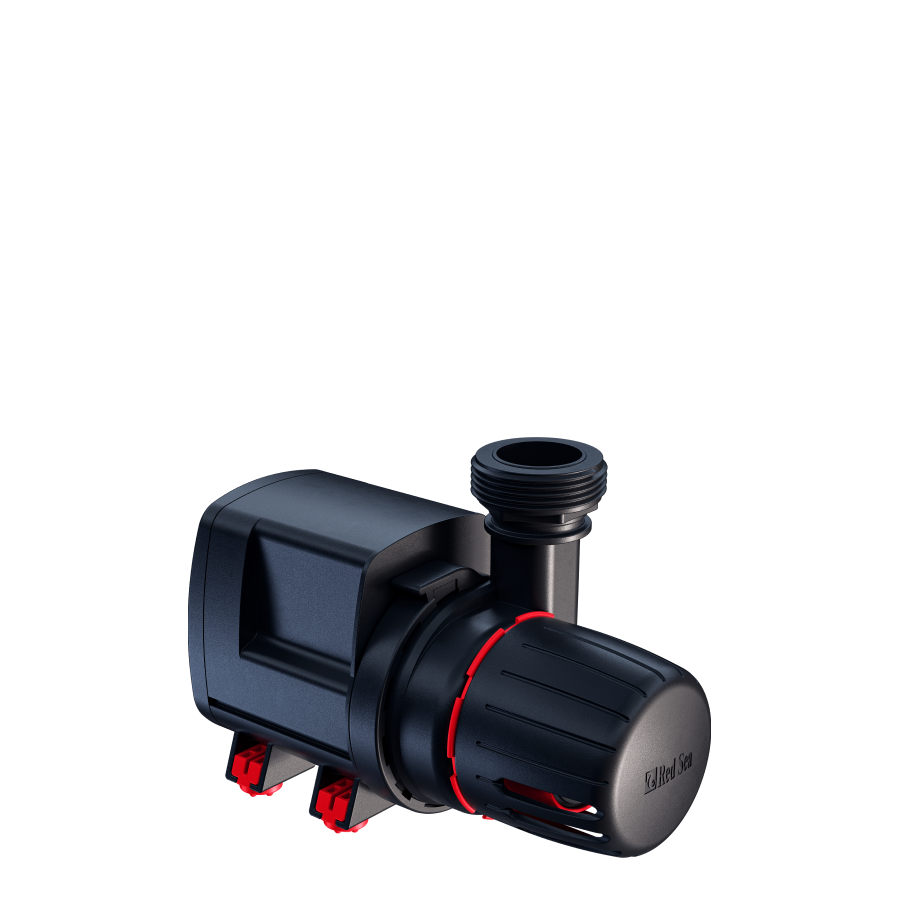
They are often quieter and more efficient, but they depend on a controller or power supply, so there are more parts to keep dry and protected. Some advanced DC models can even link with controllers that lower flow at night, which can save power and mimic natural reef rhythm.
For a budget-friendly freshwater setup with simple needs, an AC pump can be a solid pick. For a high-end reef or a custom acrylic show tank where noise, control, and fine tuning matter, many people lean toward DC. Maintenance is similar for both types: keep intakes clean, check the impeller, and protect cords and controllers from salt spray. On larger custom builds, hobbyists often favor strong, controllable DC pumps for the balance of flow, noise, and efficiency.
Demystifying Head Pressure Math for Real-World Setups
Head pressure is the total resistance your pump must push against. It comes from the height the water has to climb, the length of pipe, and every fitting, valve, and reactor in the path. This is why the big flow number on the pump box rarely matches what you see in your tank.
Here is a simple way to estimate it:
- Measure the vertical distance from the pump in the sump to the waterline in the display
- Add some extra for friction from horizontal runs
- Add a bit more for each elbow, tee, valve, or reactor
We can then look at the pump curve, the chart that shows flow at each head height. Find your estimated head height on the chart, then see what flow the pump gives at that point. That is the number that really matters, not the wide open rating.
Sizing with head pressure in mind helps avoid weak flow, overflowing sumps, and loud, over-throttled systems. Fun fact: one tight 90-degree elbow can cut more flow than several feet of straight pipe, which surprises many people who only think about vertical height.
Smart Turnover Targets for Ultra-Clear Displays
Turnover is how many times per hour your total water volume passes through the sump and filter. More is not always better. The right number depends on the kind of tank you keep.
In general:
- Planted freshwater and calm aquascapes often like lower turnover, so plants are not uprooted
- Mixed reef tanks tend to sit in the middle range
- Heavy bio-load or fish-only saltwater systems often need higher turnover to carry waste to the filter
Remember, your return pump is only one part of the flow plan. Powerheads, wavemakers, and closed loop systems handle most of the in-tank flow, especially for reefs where coral need strong, random water movement. The return pump just needs to give the filter and skimmer a steady feed.
With smart turnover, water stays clear, filters catch more fine debris, and equipment like skimmers and reactors run in a stable range. Fun fact: some reef fish and corals come from high energy zones where the current is so strong that they lean into it all day, something we try to copy with good flow inside the display.
Tuning for Silence, Efficiency, and Summer Stability
Once the basic size and type are set, small tuning steps can make your system quieter and cooler. Larger diameter pipe often lets the same pump move water with less effort. Gentle bends instead of sharp corners help water glide along. Valves are great for fine-tuning flow but should not be used to choke the pump down to a trickle.
Noise control is just as important. A few simple tricks:
- Set the pump on a soft pad to cut vibration
- Use a short section of silicone tubing to break up hum
- Plan returns so water enters the sump and display smoothly
- Match DC speed or AC flow to your overflow so it does not sound like a waterfall
Spring is a smart time to check this, because a hard-pushed pump can add extra heat to the water right when room temperatures start to rise. Some aquarists use more efficient DC aquarium pumps to help keep temperatures down and power use steady. A well tuned pump and plumbing loop tend to run cooler, which can extend the life of impellers, seals, and electronics, quietly saving money over the long run, especially on large custom acrylic aquariums.
Dial in Your Flow Plan with Expert Support
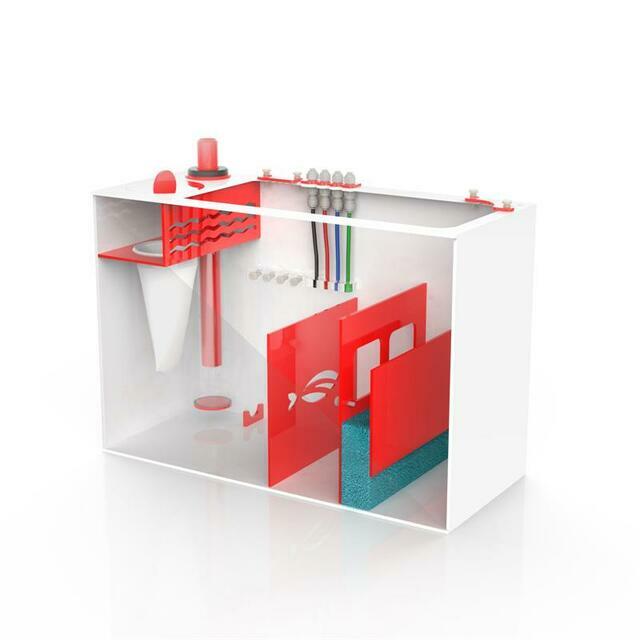
The best way to get clear, calm water is to plan the whole flow path. Note your tank size, dimensions, and stand height. Think about the type of livestock you want, your sump layout, and a rough estimate of head height. From there, it becomes much easier to pick between AC and DC, choose the right size, and set realistic turnover goals for your aquarium pumps.
At Fish Tanks Direct, we work with complete tank packages and custom acrylic builds all the time, so matching pumps, plumbing, and filtration is a regular part of our day. With a bit of planning and the right pump choice, your system can run quietly in the background while your display stays crystal clear, stable, and ready to enjoy through the warm months ahead.
Get Reliable Pump Performance For A Healthier Aquarium
If you are ready to upgrade your system, we can help you match the right flow rate, size, and features to your tank. Explore our curated selection of aquarium pumps and get solutions that prioritize both performance and longevity. At Fish Tanks Direct, we are here to answer your questions and guide you to the best choice for your setup. If you need personalized recommendations or have a complex build, contact us so we can help you plan with confidence.