










Solving Flow Dead Spots with Smart Aquarium Pump Placement
Fish Tanks Direct on Feb 22nd 2026
Good flow is one of the quiet heroes of a healthy aquarium. When water moves well, waste gets carried to the filter, oxygen stays high, and your fish and corals can breathe and feed the way they should.
When flow is bad, trouble starts in places you cannot always see. These low-flow areas, often called dead spots, collect uneaten food, fish waste, and dust. That buildup can feed algae, create ugly “gunk pockets,” and stress fish and corals that are stuck in stale water. The good news is that smart aquarium pump placement can turn all of that around.
In this guide, we will talk about what dead spots are, how to spot them, how to place and aim pumps, and how to match the right pump style to your tank. We will also touch on simple seasonal tweaks so your flow stays strong as weather warms up, in both freshwater and saltwater systems.
How to Spot Flow Dead Zones in Your Tank
Dead zones are spots where water barely moves. They often hide behind rock piles, under overhangs, in back corners, or in dips in the sand or gravel. Even tanks packed with expensive aquarium pumps can have them if the flow is not planned out.
Here are some easy at-home checks you can do:
- Drop in a small pinch of food and watch where the flakes land
- Look for corners where debris always piles up
- Check under and behind rocks for dusty, gray “mulm”
- Look at the surface for flat areas with almost no ripple
If the same spots collect waste day after day, you have a dead zone. You might also notice signs on your livestock. Some corals may only extend polyps on one side, the side that actually gets flow. Fish may avoid certain areas, or plants might gather a ring of dirt on their leaves where water does not move enough to carry it away.
As days get warmer near late winter and spring, these low-flow pockets can become more risky. Warmer water holds less oxygen, and still areas warm faster than the rest of the tank. That can leave tiny “hot pockets” where oxygen drops and stress rises, especially at night when lights are off and plants or corals are not photosynthesizing.
Fun fact: In nature, many reef fish watch for tiny changes in currents to find food. By fixing dead spots and adding gentle random flow, we are doing more than just cleaning up waste. We are also helping those natural behaviors show up in our tanks.
Positioning Aquarium Pumps for Balanced Flow
Now that we know what dead spots look like, how do we beat them? The trick is not just adding more aquarium pumps, it is using smart placement and angles.
A few simple rules help a lot:
- Do not point all pumps in the same direction
- Cross currents to break up straight “jet stream” flow
- Aim at or near problem areas instead of wide open space
- Adjust in small steps, then watch how waste moves
A common setup in rectangular tanks is to place one main pump or powerhead along the length of the tank. Aim it slightly above the middle so it sends flow across and down the glass, not just in a straight blast. A second pump can be angled up toward the surface to keep a steady ripple that boosts gas exchange. If you have room, a third pump low on the back glass can push flow under and behind the rockwork, where detritus likes to hide.
Glass, rock, and décor are your friends here. Bouncing flow off glass panels spreads it out into a wider pattern. Threading flow through rock arches helps break up dead pockets inside caves and tunnels. You can turn a single narrow stream into a broad, rolling movement just by using the glass and rocks as reflectors.
Livestock should guide flow strength and placement too. High-energy SPS coral tanks usually like strong, random, and somewhat chaotic flow so that no coral gets hit from only one direction all the time. Planted freshwater tanks, on the other hand, often do better with gentler, more directional currents that keep leaves moving slightly without uprooting plants or bending stems flat.
Matching Pump Types to Your Aquascape and Livestock
Not all aquarium pumps move water the same way. Picking the right style for your layout makes it much easier to remove dead spots without blasting certain areas.
Here are a few common types:
- Traditional powerheads with stronger, more narrow streams
- Wave makers that create pulsing or random flow patterns
- Gyre-style pumps that send wide “sheets” of water across the tank
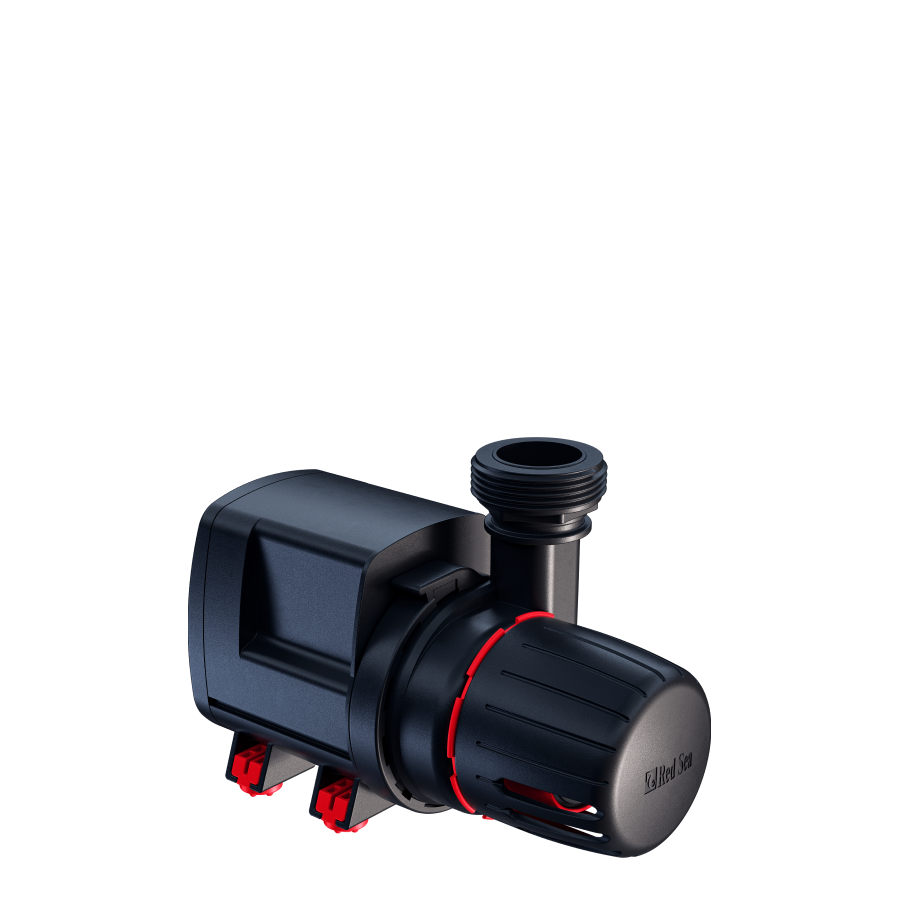
- Controllable DC pumps that let you change speed and modes
If your rockwork is a dense wall, it can block flow and create big pockets of still water behind it. In that case, stronger pumps placed higher can push water down and through the rock, while a smaller pump low in the back can sweep out hidden caves. Island-style scapes usually respond well to wide, sweeping flow that wraps around each island instead of hammering one side.
Adjustable and programmable pumps are especially helpful. Pulse modes can gently stir up detritus so it stays suspended long enough to reach the filter. Random modes help avoid “stale” flow patterns where only one side of each coral gets flow. Day and night schedules can lower flow a little after lights out, yet still keep enough movement to protect oxygen levels.
Fun fact: On natural reefs, water speeds and directions can shift every few seconds as waves break and pull back. Modern programmable pumps can copy some of that chaos, which corals and reef fish often respond to with better color and more active feeding behavior.
Seasonal Tweaks to Keep Flow Strong Year-Round
Flow is not a set-it-and-forget-it thing, especially as seasons change. Warmer late-winter and spring days slowly raise tank temperature, which can lower oxygen levels. During these times, surface agitation from your pumps becomes even more important.
Small seasonal changes can help a lot:
- Bump pump speed slightly during warm months
- Angle at least one pump more toward the surface
- Clean impellers and intakes more often to restore lost flow
- Re-check dead spots after each major tank change
Busy schedules in spring can make constant manual tweaks hard. Feed modes and timed flow changes on controllable pumps keep circulation steady even when you are short on time. As you add new fish or corals before summer, watch how they use the space. More fish means more waste, and more rock or coral can block flow paths you used to count on, so you may need to move or upgrade pumps to keep balance.
Upgrade Your Flow Game and Watch Your Tank Thrive
At Fish Tanks Direct, we see the same pattern over and over: flow problems are rarely fixed by raw power alone. They are solved by smarter pump placement, thoughtful flow patterns, and a few seasonal tune-ups. Dead spots shrink, detritus stays suspended, and filtration can finally do its job.
Take a slow walk around your tank and look behind rocks, under overhangs, and in the dips in your sand or gravel. Notice where debris likes to sleep. Then ask if your current pumps, and how they are aimed, really match your tank size, rock layout, and livestock. With the right mix of aquarium pumps, custom-ready tanks, and better flow planning, your water can stay clearer, your fish and corals can look happier, and your weekly cleaning can feel a whole lot easier as the warmer months roll in.
Get Reliable Water Flow For A Healthier Aquarium
At Fish Tanks Direct, we help you choose the right aquarium pumps so your fish and corals get the stable environment they need. Whether you are upgrading your system or solving a flow problem, we will guide you to equipment that fits your tank and your goals. If you would like personalized advice before you buy, contact us and our team will be glad to help.