







Aquarium Filtration Media: Building a Low-Maintenance Filter Stack
Fish Tanks Direct on Jan 21st 2026
A quiet, clear aquarium that stays stable without constant drama starts with smart filtration. When we stack our media in the right order, our filter stops being just a noisy box and becomes a steady life support system for our fish and corals.
We are going to break down how mechanical, biological, and chemical media work together for low-maintenance stability. We will look at what each type does, how to layer them in common aquarium filters, and how to keep them running smoothly, especially during colder months when homes are closed up and tanks can get a little stressed.
Build a Filter Stack That Practically Runs Itself
Many of us want the same thing from our tanks: clear water, healthy fish, and less rushing to fix problems. A good filter stack can get us very close to that. When each layer does its specific job, we spend less time fighting cloudy water, bad smells, and algae spikes.
Winter makes this even more important. Our homes are sealed, heaters are running, and room temperatures can swing. We might feed more because we are home more, but we are not topping off as often, so waste builds up faster. A well-planned media stack helps smooth out all of that and keeps our fish calmer.
At Fish Tanks Direct, we focus on systems as a whole, from standard aquarium filters and complete setups to custom acrylic aquariums for both freshwater and saltwater. The goal is simple: steady, low-stress care all year long.
Mechanical Filtration That Actually Keeps up
Mechanical filtration is the first line of defense. It grabs the visible stuff: uneaten food, plant bits, fish poop, and dust. Sponges, filter pads, filter floss, and prefilters all do this by acting like strainers that catch particles as water flows through.
The size of the pores matters. Coarse media with big holes catches large chunks but lets small particles pass, while fine pads and floss catch tiny bits that make water look cloudy. A smart setup uses both. Water should first hit coarse media, then medium, then fine. This lets water flow freely while still polishing it.
Here is how that can look in different filter types:
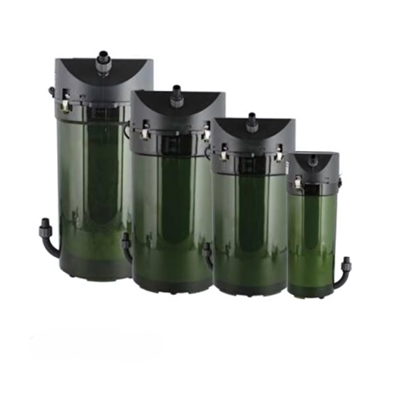
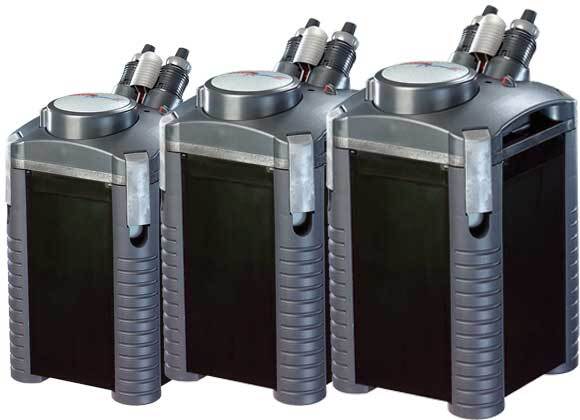
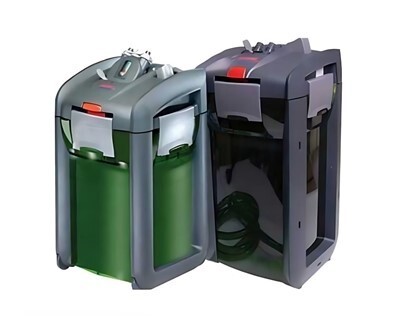
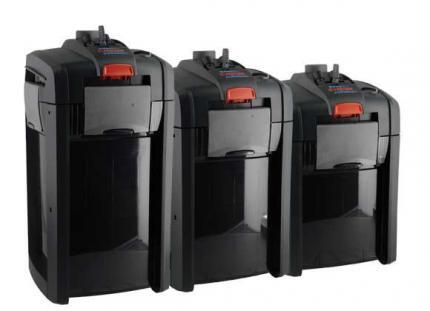
- Canister filter: intake prefilter sponge, then coarse sponge, then medium pad, then fine floss
- Hang-on-back filter: sponge or pad at the intake, then a medium pad, with a thin layer of fine floss on top
- Internal filter: built-in sponge plus a layer of floss in the last chamber
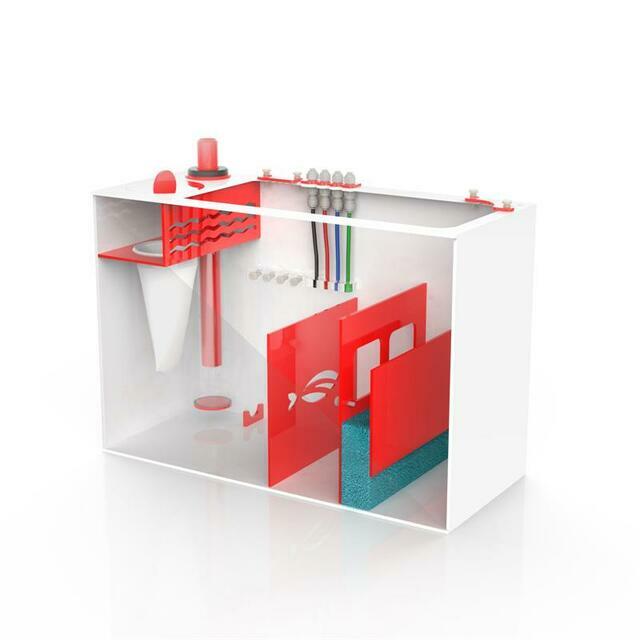
- Sump: filter socks or coarse pads in the first chamber, then finer pads or floss on trays
Clogged mechanical media slows water flow and cuts down on oxygen. That can stress fish and good bacteria. We want to rinse mechanical media regularly in a bucket of tank water, not tap water, so we do not shock any helpful bacteria that have started to grow there.
Winter twist: with more indoor time and feeding, extra waste hits the water. A clean mechanical stage keeps that gunk from reaching the deeper parts of the filter and makes every other layer work better. Fun fact: A single goldfish can create a surprising amount of waste for its size, so goldfish setups really benefit from strong mechanical filtration.
Biological Media That Powers the Nitrogen Cycle
Biological filtration is the heart of long-term stability. This is where beneficial bacteria live and process fish waste. These bacteria turn toxic ammonia into nitrite, then into nitrate, which is less harmful and can be managed with water changes and plants.
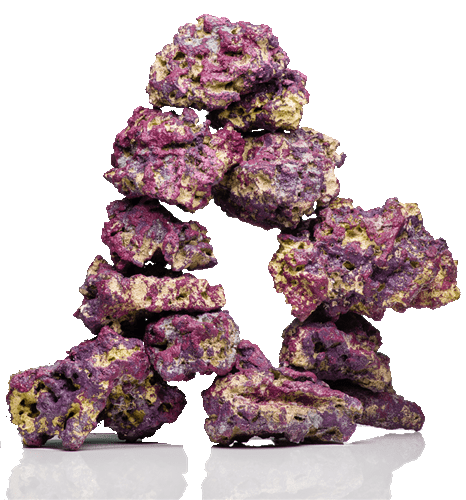
Different biological media types include ceramic rings, bio-balls, sintered glass, porous blocks, and live rock in marine tanks. The key features are surface area and pore size. More tiny surfaces and small pores give bacteria more places to live. At the same time, water needs to flow through those pores without being choked by debris.
We normally place biological media after mechanical media. That way, the water has had large particles removed but still carries dissolved waste, ammonia, and nitrite that bacteria need. Biological media should sit where flow is steady and oxygen is strong, such as mid-chambers in canisters or middle sections in a sump.
Over-cleaning is a common mistake. If we scrub biological media too hard or replace it all at once, we risk wiping out the bacteria colony and triggering a mini-cycle. Lightly swishing media in old tank water when flow slows is usually plenty. During colder months, room temps can drop and make heaters work harder. Stable water temperature plus strong biological media helps keep the nitrogen cycle steady through those swings.
Smart Use of Chemical Media for Polished Water
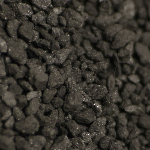
Chemical filtration is like fine-tuning. It targets dissolved substances that mechanical and biological stages do not fully catch. Activated carbon grabs organic compounds and odors. Phosphate removers help with algae. Ion-exchange resins can bind specific unwanted ions. Some specialty media remove leftover medications after treatments.
Most of the time, chemical media should be placed after mechanical and biological media. That way, it does not plug up with chunks of debris, and it does not pull everything out of the water before bacteria can do their work. Chemical media is powerful, but it works best when used on purpose instead of just tossing in a mystery bag and forgetting about it.
Practical uses might include:
- Running carbon after medication to clear the water
- Using carbon to remove tannins from driftwood and brighten the water
- Adding phosphate media when algae becomes hard to manage
- Swapping out media on a set schedule instead of waiting for problems
Changing chemical media too much at once can shock a tank by suddenly changing water chemistry. Fresh carbon can be very strong, so we want to follow maker guidance and watch livestock closely. Fun fact: A single teaspoon of good activated carbon has an enormous amount of internal surface area because of its microscopic pores.
Stacking Media for Stability and Easy Maintenance
Most aquarium filters benefit from a simple order: mechanical first, biological in the middle, chemical last. Think of it as coarse to fine, then life support, then polishing.
Here is an example stack for a 55-gallon freshwater community canister filter:
- Intake sponge on the intake tube
- Bottom tray: coarse sponge, then medium pad
- Middle tray: ceramic rings and bio-balls
- Top tray: fine floss on the bottom, small bag of carbon on top
For a 75-gallon reef sump, a common layout might be:
- First chamber: filter socks or coarse pads to catch big debris
- Middle chamber: live rock or porous blocks for biological filtration
- Media reactor or basket: phosphate remover and carbon, lightly tumbled or with slow flow
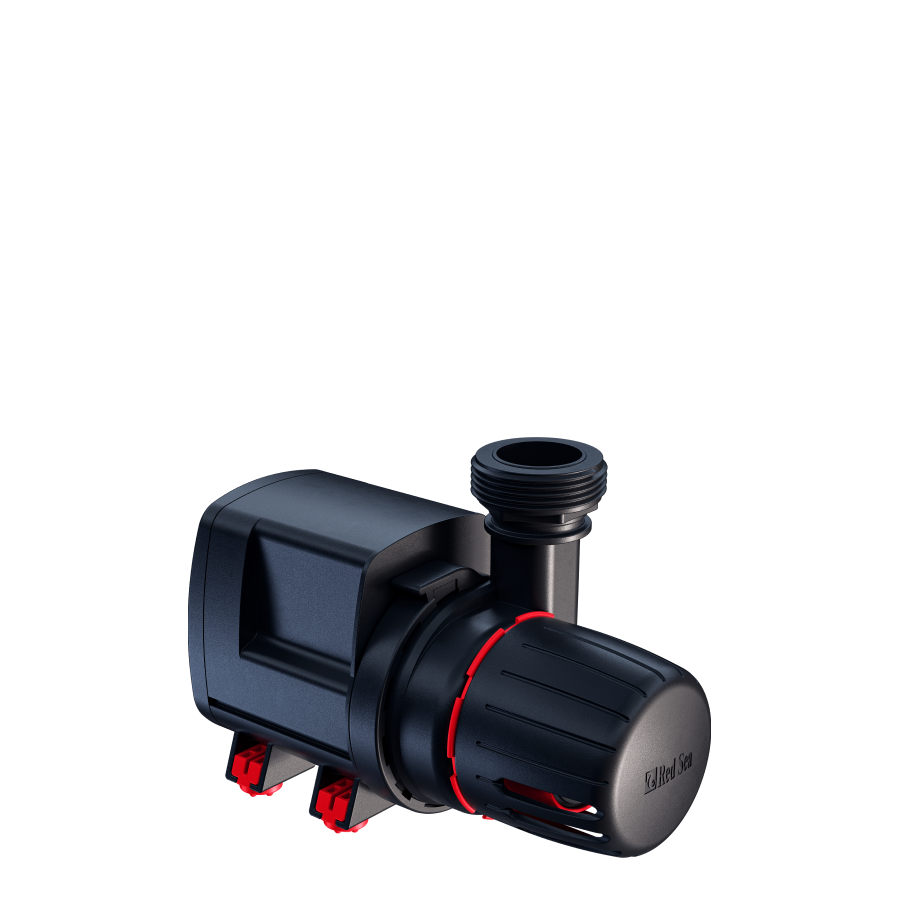
- Return chamber: heater and return pump
Maintenance is where the low-stress part comes in. A simple schedule might look like this:
- Mechanical media: rinse weekly or whenever you see flow dropping
- Biological media: gently swish only when needed, and never replace all of it at once
- Chemical media: replace every few weeks, depending on tank load and media type
Only change one major part of the filter at a time so bacteria have time to adjust. When the stack is working well, the tank feels closer to “set and forget” between water changes, which is helpful during busy winter holidays or travel.
Fun fact: Nature already does this on a huge scale. Water in streams and rivers passes through layers of sand, rock, and organic material that act like a slow, giant filter. Our aquarium filters are just compact versions of the same idea.
Turn Your Filter Into a Low-Maintenance Powerhouse
The big idea is simple, but powerful. Mechanical media removes debris, biological media handles waste, and chemical media fine-tunes the final water quality. When we stack those layers in the right order and stay gentle with maintenance, our aquarium filters work with us instead of against us.
It can help to take a fresh look at your setup. Check the order of your media, see if any stage is missing, and plan small, gradual upgrades. Many tanks see a big gain just from a better mechanical prefilter and higher surface area biological media. At Fish Tanks Direct, we focus on complete setups, compatible media, and custom acrylic solutions so freshwater and saltwater tanks can stay stable and clear with less effort, season after season, while still keeping those fun winter projects and fish room tweaks enjoyable instead of stressful.
Get Reliable Filtration For A Healthier Aquarium
If you are ready to upgrade your tank’s performance, we can help you choose the right aquarium filters for your setup. At Fish Tanks Direct, we focus on solutions that keep your fish healthier and your maintenance routine simpler. Whether you are starting fresh or replacing outdated equipment, our team is here to guide your next step. If you have questions or need personalized recommendations, contact us today.