













Why Affordable Fish Aquariums Sometimes Leak and How to Fix Them
Sep 8th 2025
Aquariums can bring a slice of underwater wonder into our homes, but they come with their own set of challenges. Many aquarium owners find themselves facing the unpleasant surprise of a leaking tank. Affordable fish aquariums, while popular for their budget-friendly prices, can sometimes fall prey to leaks. Whether it's a tiny drip or a more sizable stream, a leak can cause anxiety for any fish enthusiast worried about the well-being of their aquatic friends.
Understanding and fixing leaks is key to keeping your aquarium in top shape. A well-maintained tank ensures a safe environment where your fish can thrive. By figuring out the common reasons behind leaks and knowing how to tackle them effectively, you're setting yourself up for success. Let's explore the causes and solutions for leaks in affordable aquariums, so you can worry less and enjoy your aquatic world more.
Common Reasons Why Affordable Fish Aquariums Leak
Leaking is a common issue many aquarium owners face, especially with budget models. Knowing what typically causes these leaks can help you prevent them from happening or address them quickly.
Here are some usual suspects behind those unwanted puddles:
- Poor Quality Seals: Budget tanks might come with seals that aren't as robust. Over time, these seals can wear out, leading to leaks. It's like the glue that holds everything together giving up.
- Tank Cracks: Sometimes, a slight knock or incorrect placement might stress the glass, causing tiny cracks. These can lead to bigger problems if not spotted early.
- Improper Setup: If the tank isn't level or has been set up hastily, the uneven pressure can lead to structural issues. Think of it like an uneven table; the wobble isn't just annoying, it can cause things to topple over.
Each of these causes is manageable with a bit of care and attention. Next, we'll look at how you can pinpoint where a leak might be coming from in your aquarium.
How to Identify a Leak in Your Aquarium
Finding leaks before they become a major issue is crucial to keeping your aquarium safe. A simple way to do this is by regularly checking potential problem areas. Start by feeling around the tank's seams and corners. Run your finger along these edges to detect any moisture. If you notice dampness on the floor or nearby surfaces, it's a solid clue that something's amiss.
Look out for water pooling, which is another sign you need to act fast. Sometimes the water doesn't create a visible puddle but instead leaves damp spots around the base. Regular visual inspections help catch these signs early, preventing more severe damage. Imagine waking up to find your living room carpet soaking wet. Identifying the problem in its initial stage could have stopped that mess.
Steps to Fix Leaks in Affordable Fish Aquariums
Fixing a leak might sound daunting, but it can be straightforward with the right approach and tools. Here's how you can repair a leaking aquarium:
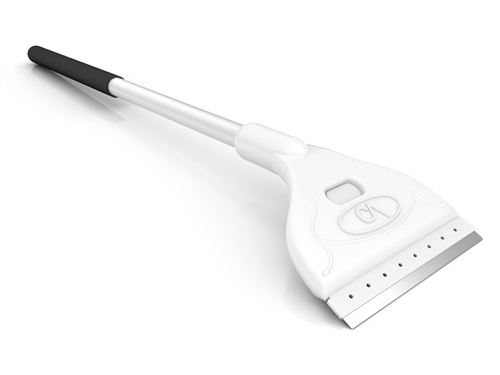
- Get the Right Supplies: Gather your tools before you start. You'll need aquarium-safe sealant, a clean cloth, and a razor blade for cutting away old sealant.
- Drain the Water: You must lower the water level below the leak. Temporarily rehome your fish in a safe container with a portion of their tank water.
- Clean the Area: Wipe the area around the leak with a dry cloth, removing any moisture or dirt that could affect the sealant's grip. A clean surface is necessary for a good fix.
- Apply Sealant: Carefully apply the aquarium-safe sealant over the leak, spreading it evenly. If you had to cut away old sealant, be sure to cover gaps completely.
- Let It Dry: Give the sealant enough time to cure. This step is crucial to ensure the bond holds firm. Check the sealant's packaging for precise curing times.
- Check Your Work: Once everything's dry, fill the tank slowly to see if the seal holds. Keep an eye on your work and ensure the patch job has resolved the issue.
Safety tip: Always make sure the workspace is ventilated when working with sealants, and avoid harsh chemicals that can harm fish.
Preventative Measures to Avoid Future Leaks
Avoiding future leaks means putting in some preventive steps. A well-planned setup goes a long way. Ensure that the tank sits level on its stand to prevent stress on joints and seams. Use a spirit level during installation if needed.
Regular maintenance plays a significant role too. Schedule routine inspections to check for wear and tear around seals. Make it a habit, like checking the oil in a car, to help catch signs of trouble before they escalate.
Consider adding a protective mat under the aquarium to absorb any minor leaks while keeping an eye out for signs of issues. This proactive approach is your best ally in maintaining a fishing paradise without worries.
Keeping Your Aquarium in Top Shape
Leaks don't just threaten your tank; they risk upsetting the delicate balance of your miniature ocean. Taking time for regular checks and quick repairs ensures that your aquarium remains a healthy, happy home for your fish.
By understanding and addressing the causes of aquarium leaks, you protect your underwater world. The preventive measures not only deter future leaks but also add to your experience and enjoyment as a fish enthusiast. Regular maintenance and care turn what might seem like chores into meaningful rituals. Your fish, just like you, appreciate a safe environment, free from interruptions and hazards.
Looking to maintain your aquarium's health and stability without the hassle of worrying about leaks? Fish Tanks Direct offers dependable solutions designed for durability and peace of mind. Explore our selection of affordable fish aquariums to find the ideal fit for your aquatic setup and enjoy a safe, leak-free environment for your fish to thrive.